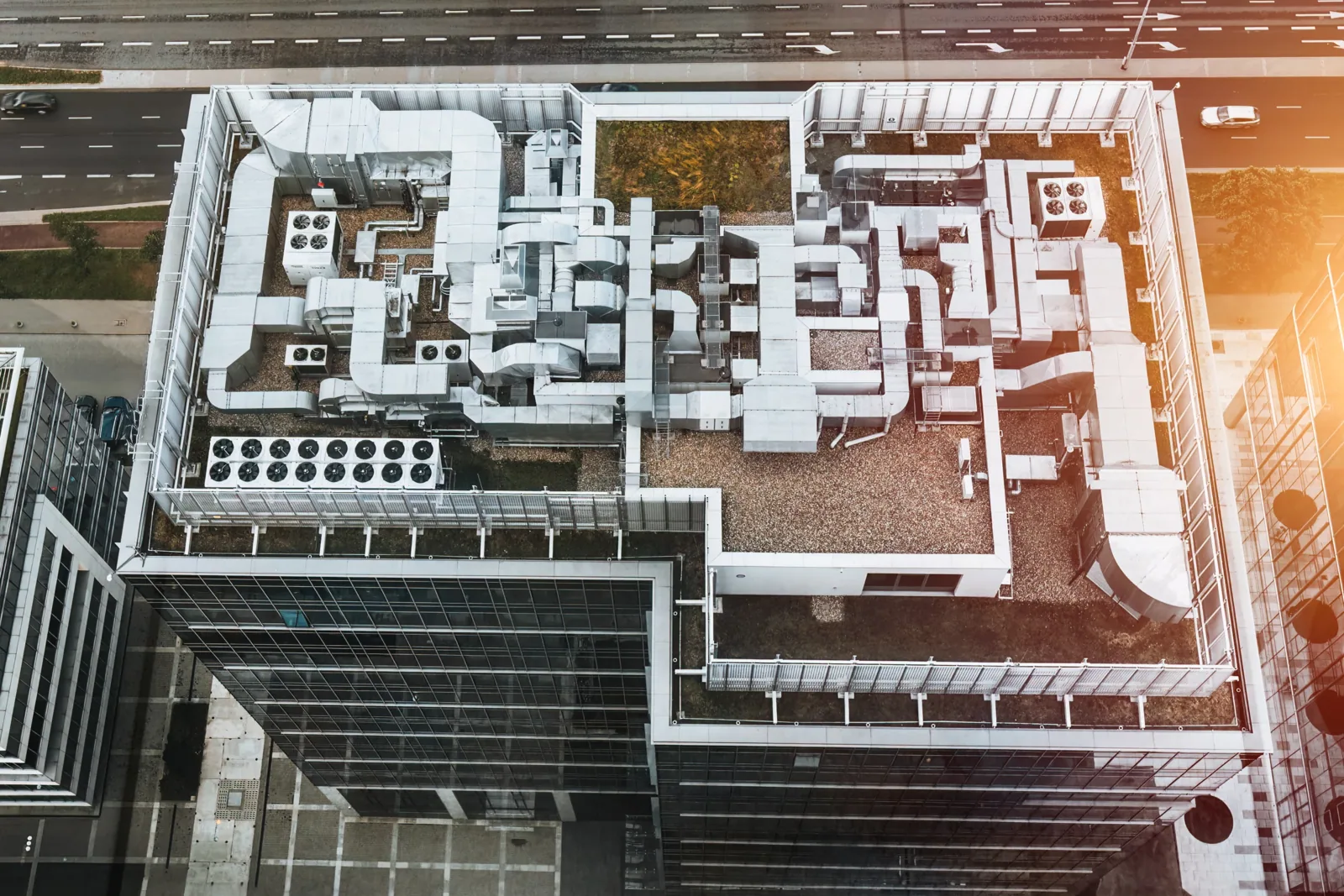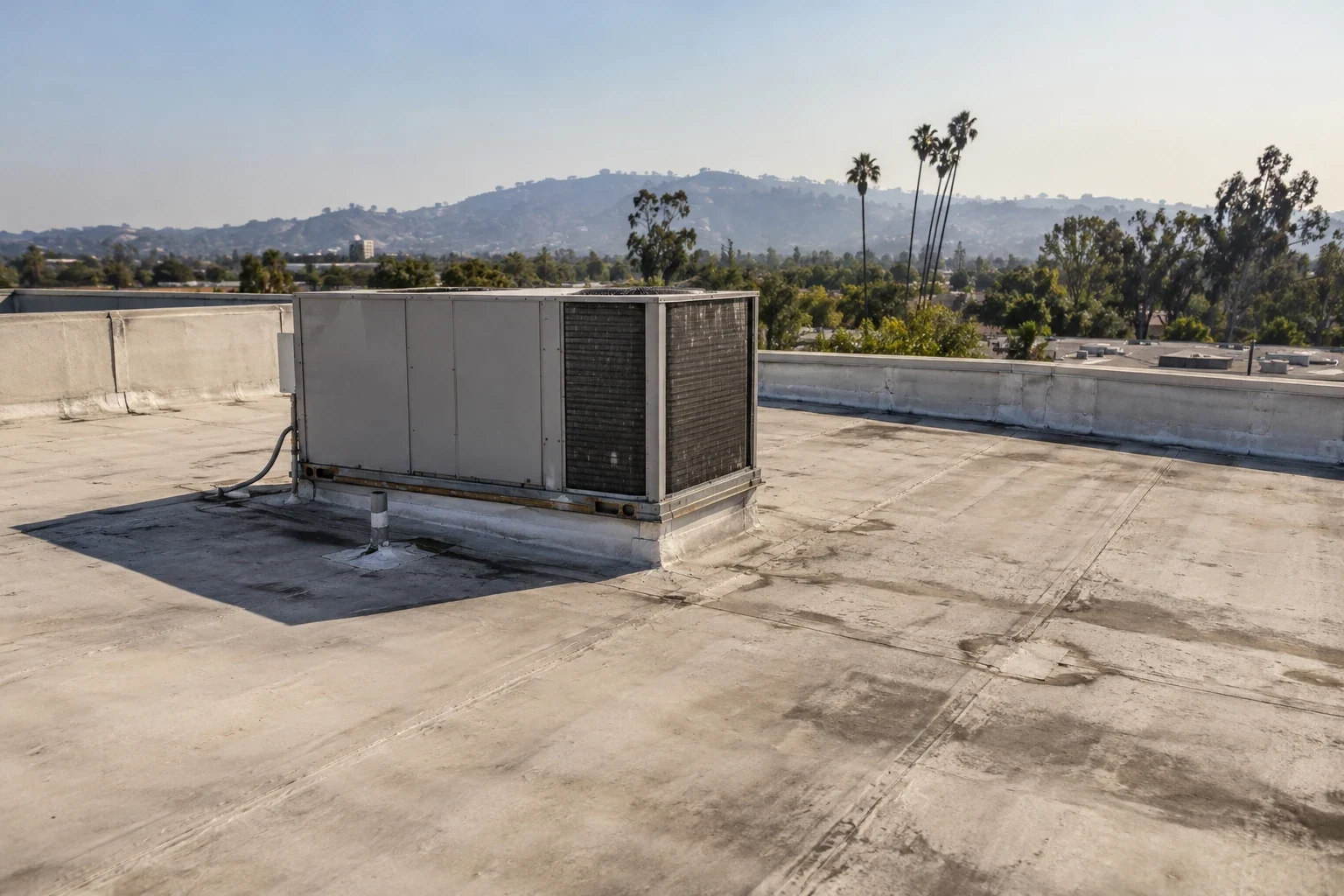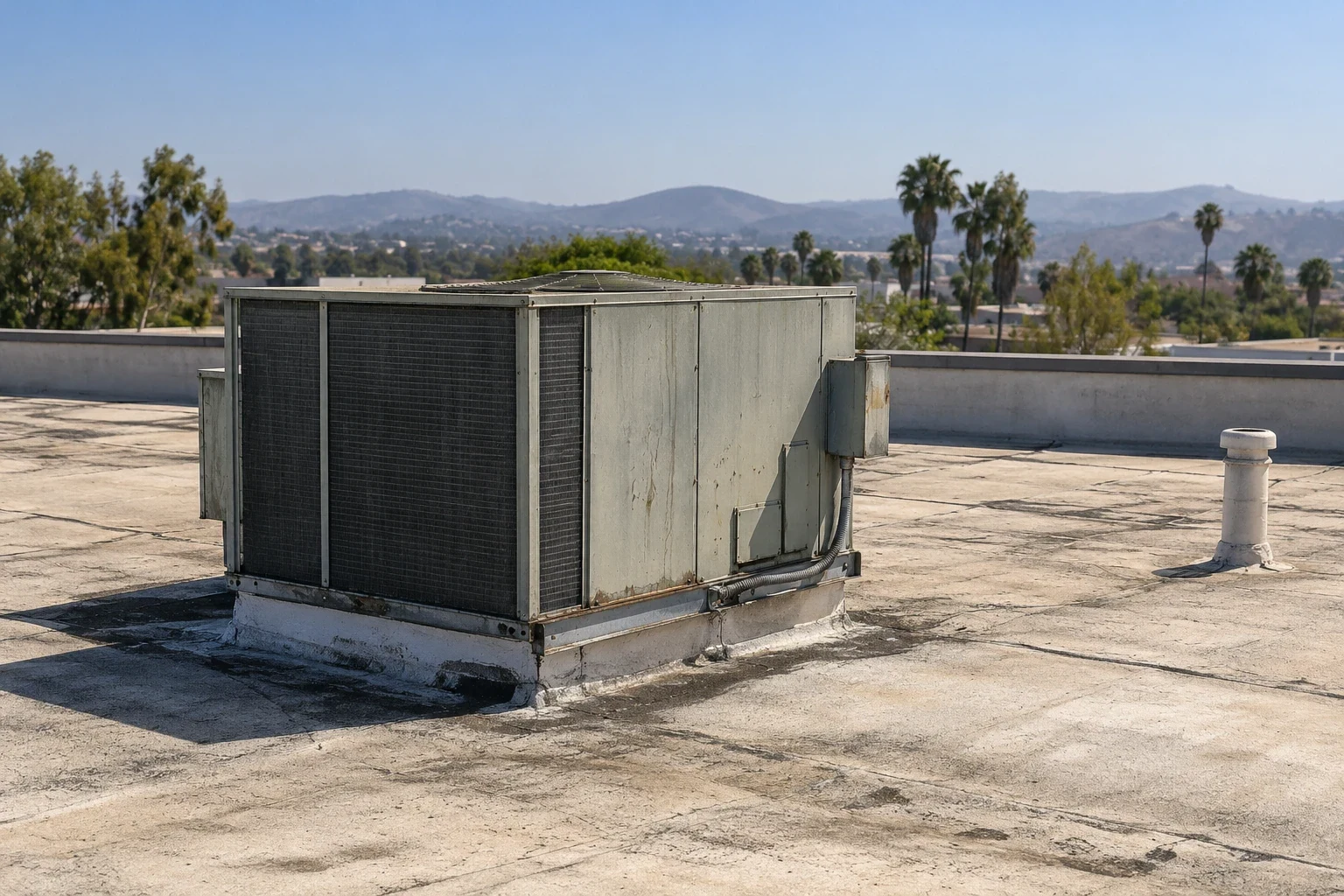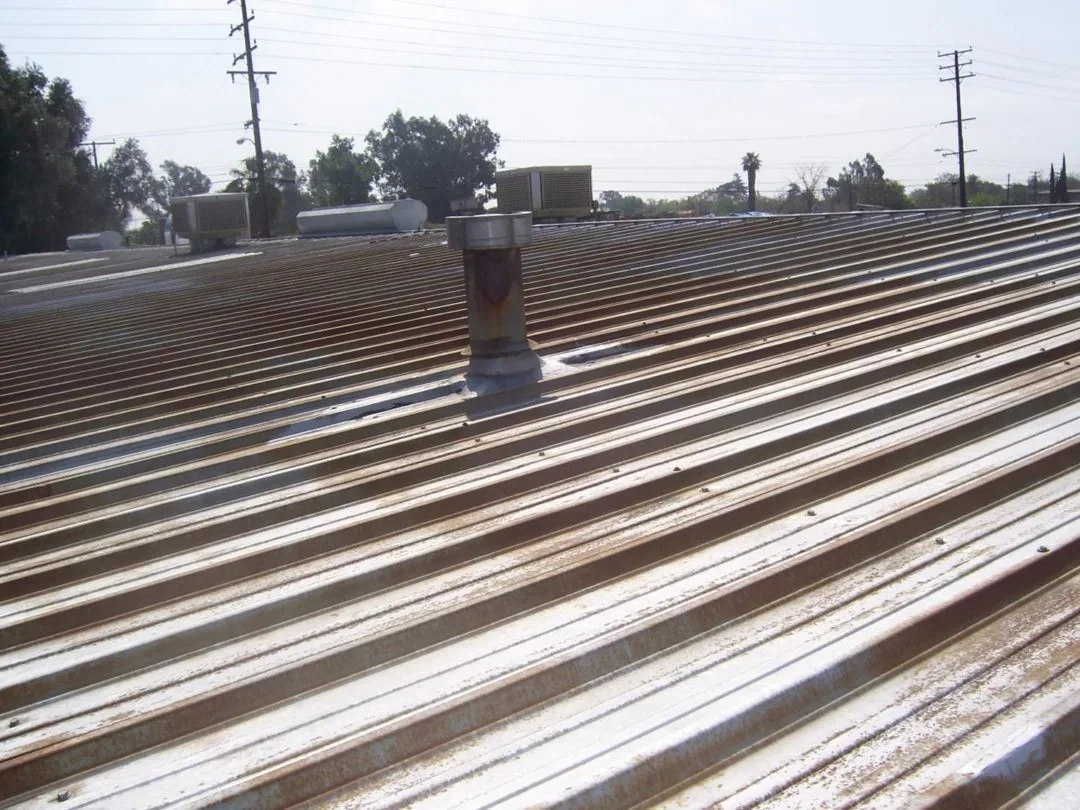

Dry summer weather gives an owner time to examine a roof before winter rain. In Santa Clarita, CA, plan that visit around the actual assembly and access. Heat or a Santa Ana event is a reason to look, not proof that a particular detail has failed.
We inspect the accessible roof areas in the agreed scope. The record shows locations, observations and work that needs a decision. If a concealed condition requires another method, we identify that question and its next evaluation.
Bring the installation documents and repair history available. They help us compare current findings with the construction recorded. The report should give you a practical approval, with its limits clear.
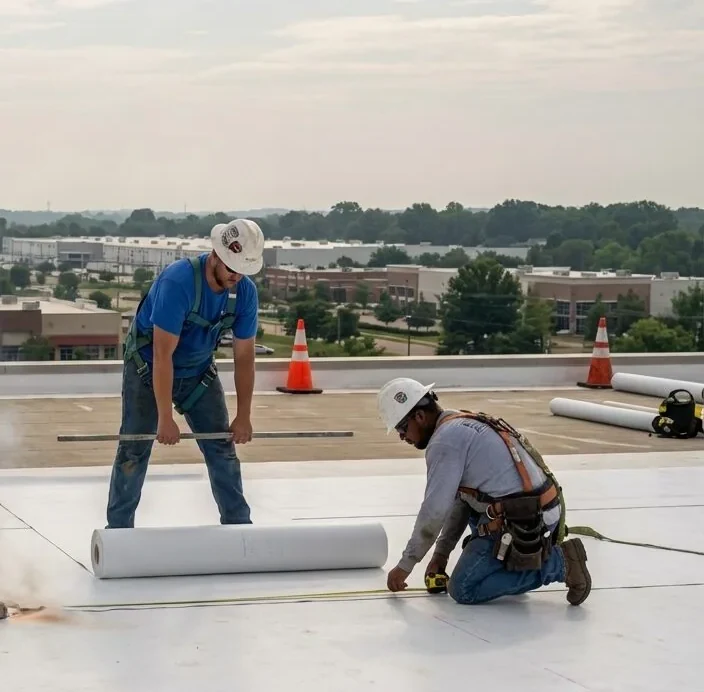
We examine the accessible details relevant to the agreed roof scope.
Where authorized interior access is useful, we examine visible deck conditions too. A soft or unusual area needs evaluation; feel alone does not establish wet insulation or structural capacity. We document the location and propose the suitable next method. The record distinguishes surface observations from concealed conditions still requiring investigation.
A crack, chalking or changed coating gives us a location to examine. The installed material determines what that observation means. Appearance alone does not establish the need for replacement or the condition of layers beneath it.
We compare relevant areas and review the product information available. Differences in exposure can guide the investigation, but a shaded comparison does not independently prove the cause of aging. We keep the conclusion tied to the actual findings.
For heat and UV concerns, we identify the surface and affected details. Then we explain whether a compatible repair, further evaluation or a capital comparison is warranted. The owner receives the construction question, not an automatic diagnosis from regional temperatures.
Set the visit interval from the roof requirements, condition history and applicable warranty documents. A review before winter rain can help organize known repairs. Do not wait for that appointment when a new symptom needs attention.
After a significant wind event or nearby fire concern, establish what examination is appropriate for the actual property. Report observed damage or changed conditions. An event can prompt a review without proving that every edge, outlet or equipment connection was affected.
Also inspect before a purchase, a refinance or a lease renewal, and after a tenant adds rooftop equipment. Our due diligence roof surveys serve buyers who need a clear view of the roof before closing.
A condition report. It lists what we found, why it matters, where it is on the roof and how urgent it is. Every finding has a photo. The list is sorted into three groups: fix now, fix this year, and watch.
The report also notes the roof system, the approximate condition of the membrane and any signs of moisture. It gives you what you need for a budget, a bid comparison or a conversation with a tenant or lender.
Our condition reporting identifies the observed areas, proposed work and unresolved questions. When another method is needed, we describe what it can establish and how the result informs the next decision.
We choose methods suited to the roof question and available access. Hands-on examination can provide detail that imagery cannot. Any seam check or other procedure must suit the installed system and project. A surface sensation is an observation requiring interpretation.
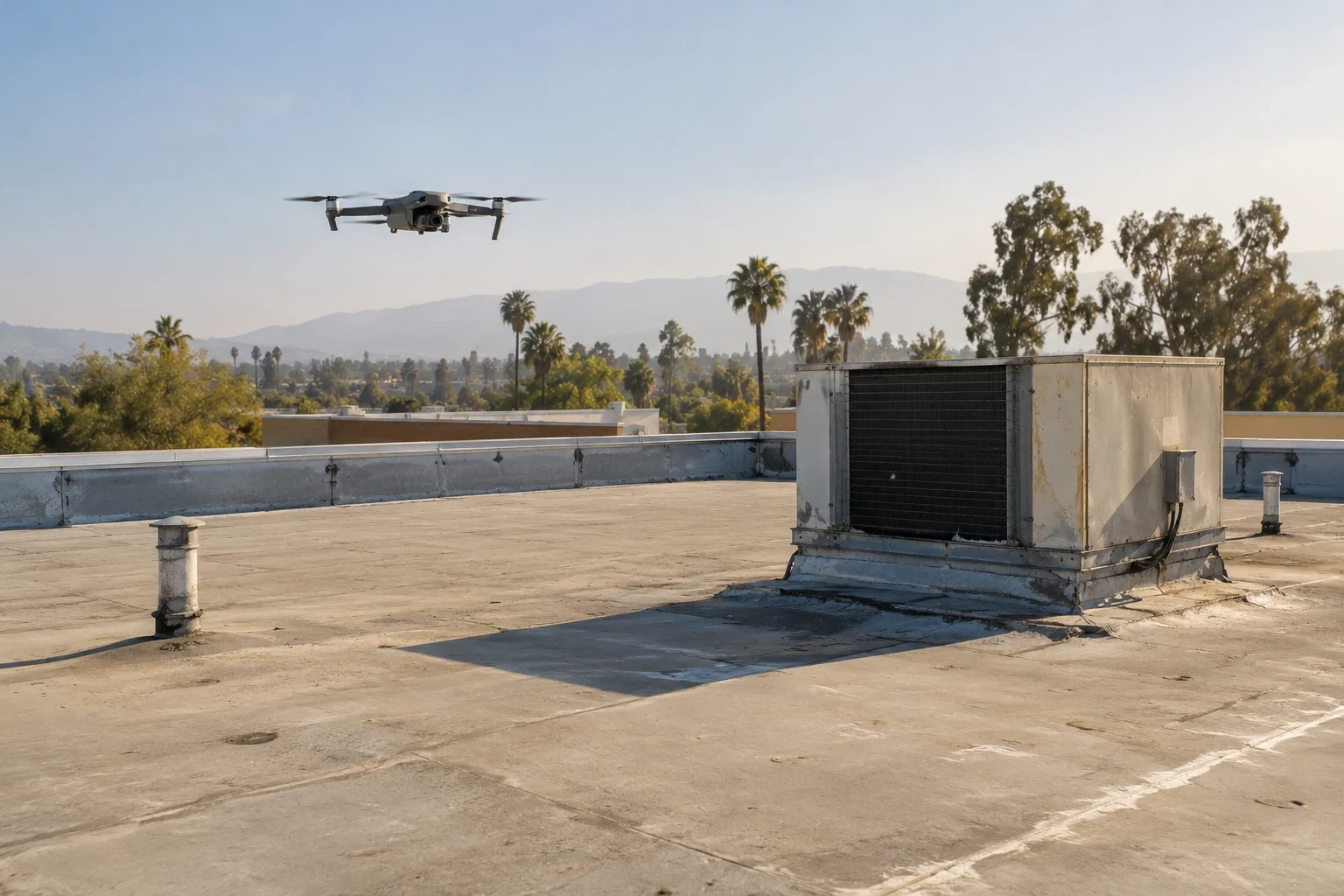
A drone examination may document visible areas when a suitable flight can be arranged. It does not establish the structural condition of a roof or make an uncertain surface ready to enter. The image coverage and follow-up are recorded.
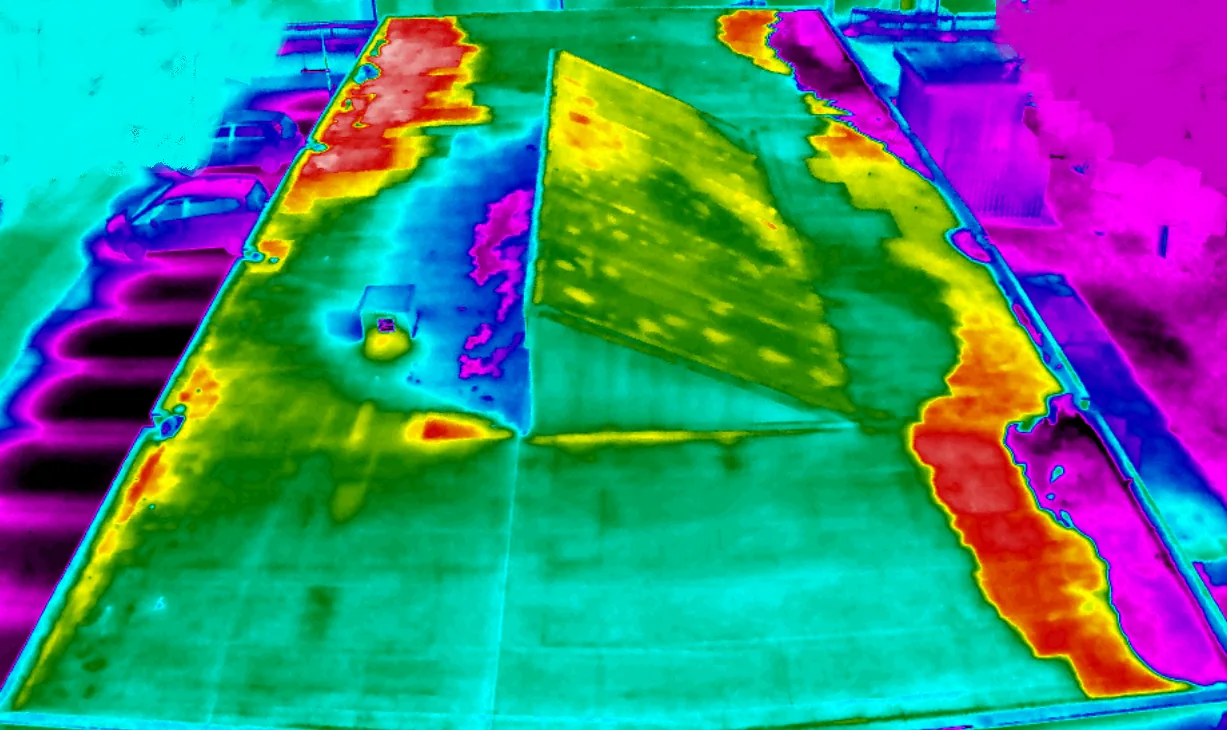
An infrared survey needs suitable conditions and interpretation. Suspect locations receive appropriate confirmation. We explain the coverage and sample limits before using the findings to support repair or retention.
Quietly, and with a plan. A hospital roof, a campus roof at College of the Canyons or a roof over a clean manufacturing floor all carry rules about access, noise and who must be told. We schedule around those rules and check in with the facility lead before we step on the deck.
We keep off sensitive equipment, avoid exhaust and intake areas, and clear the roof of anything we brought. We agree on the notification route for an active leak or condition requiring prompt attention. The facility lead receives the relevant observation and next action through that route. Qualified parties assess structural, electrical or other concerns outside the roof examination.
Fire-season planning includes the actual roof documents and property requirements. The city roof table lists a minimum Class B unless the Wildland-Urban Interface Code requires otherwise. Confirm fire-hazard and WUI applicability with the responsible team. An inspection of visible details cannot independently establish every assembly classification or ember-resistance requirement.
We also look at what collects. Leaves, needles and ash build up in corners and behind parapets, and accessible cleaning needs a defined scope and suitable method. Our preventive roof maintenance visits cover that work on a schedule.
Buildings around Valencia and the Southern California Innovation Park share the same questions: how old is the roof, how hot does it run, and what happens when the next ember season arrives.
Set the inspection objective before the visit: a leak report, capital comparison, maintenance review or pre-transaction question may call for different coverage. The report should identify the roof areas accessed, observations made, representative photographs and any limit that prevented a closer examination. A visual inspection does not establish concealed moisture everywhere or verify details that were not opened. Separate immediate conditions from longer-term planning items, and tie each recommendation to its evidence and next step. If the owner needs measurements, testing or destructive evaluation, describe that work separately so the requested deliverable is clear.
We schedule around the heat. Access and work conditions need evaluation for the actual roof. We select a suitable visit window and procedures without assuming all membrane surfaces soften the same way.
No. The report is yours. Use it to budget, to bid the work out or to keep it on file. The findings describe the examined condition and proposed actions. They do not promise unchanged roof performance for the following year.
Access, detail count and investigation requirements influence the visit. We establish the agreed coverage and proposed method before scheduling. Further testing may need a separate task.
Bring the paperwork. Some warranties ask for regular inspections or limit who can repair the roof. We note the terms and flag anything that could affect coverage.
Arrange the inspection while the purchase timeline allows further investigation. We report accessible roof conditions and the checks still needed. The buyer can review that evidence with the transaction team before the decision deadline.
Call Commercial Roofing Santa Clarita and we will inspect the roof, photograph what we find and give you a ranked list. Do it before the first winter rain or the next fire season, whichever comes first.
Pages that connect with Commercial Roof Inspection for Santa Clarita Valley buildings.
Notifications