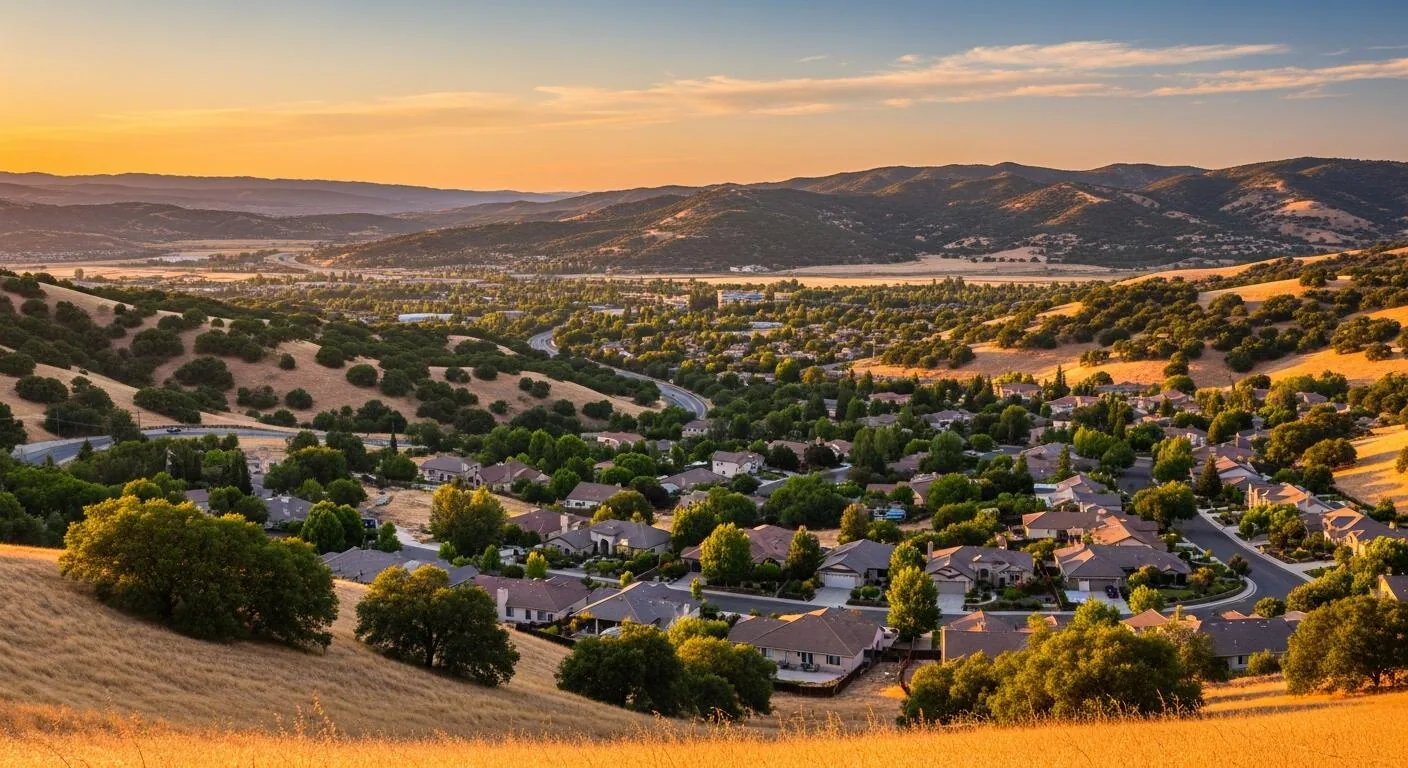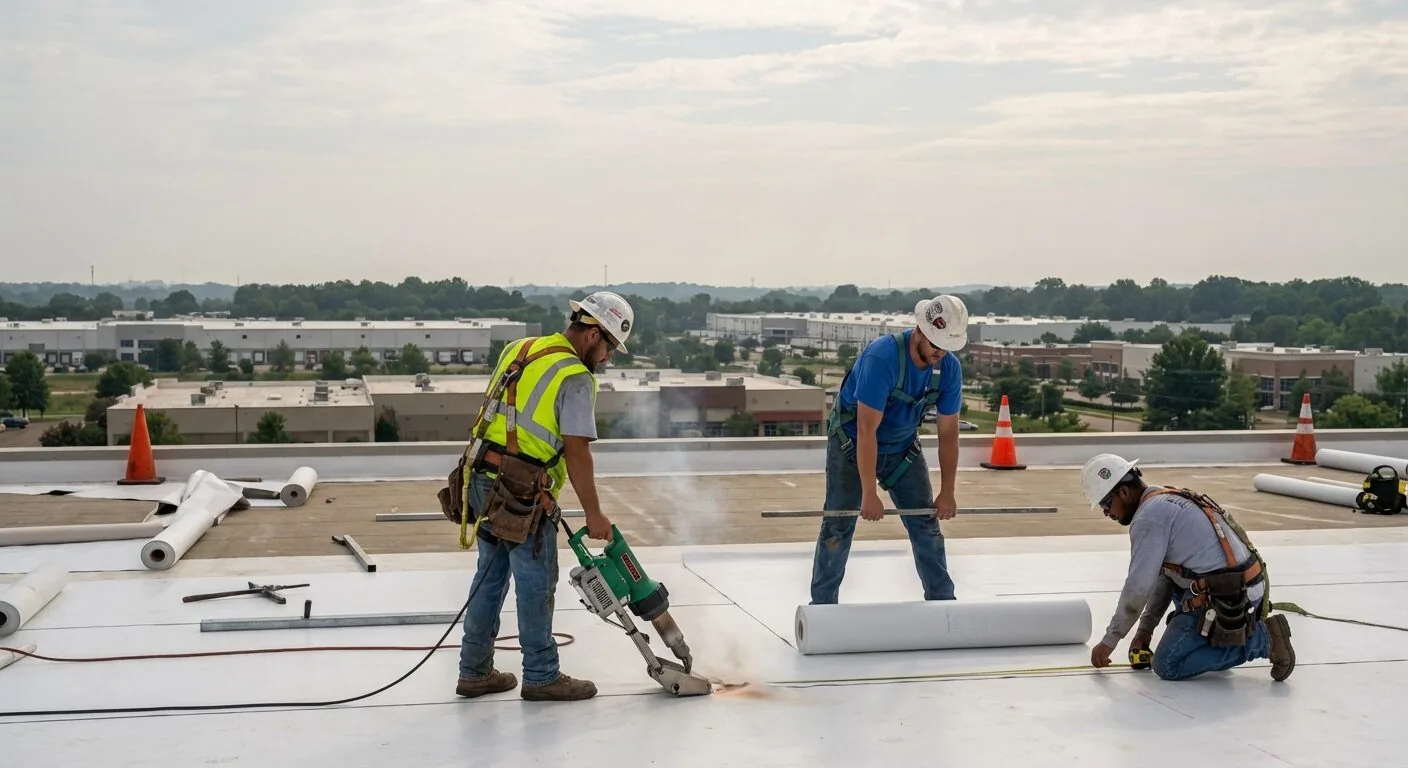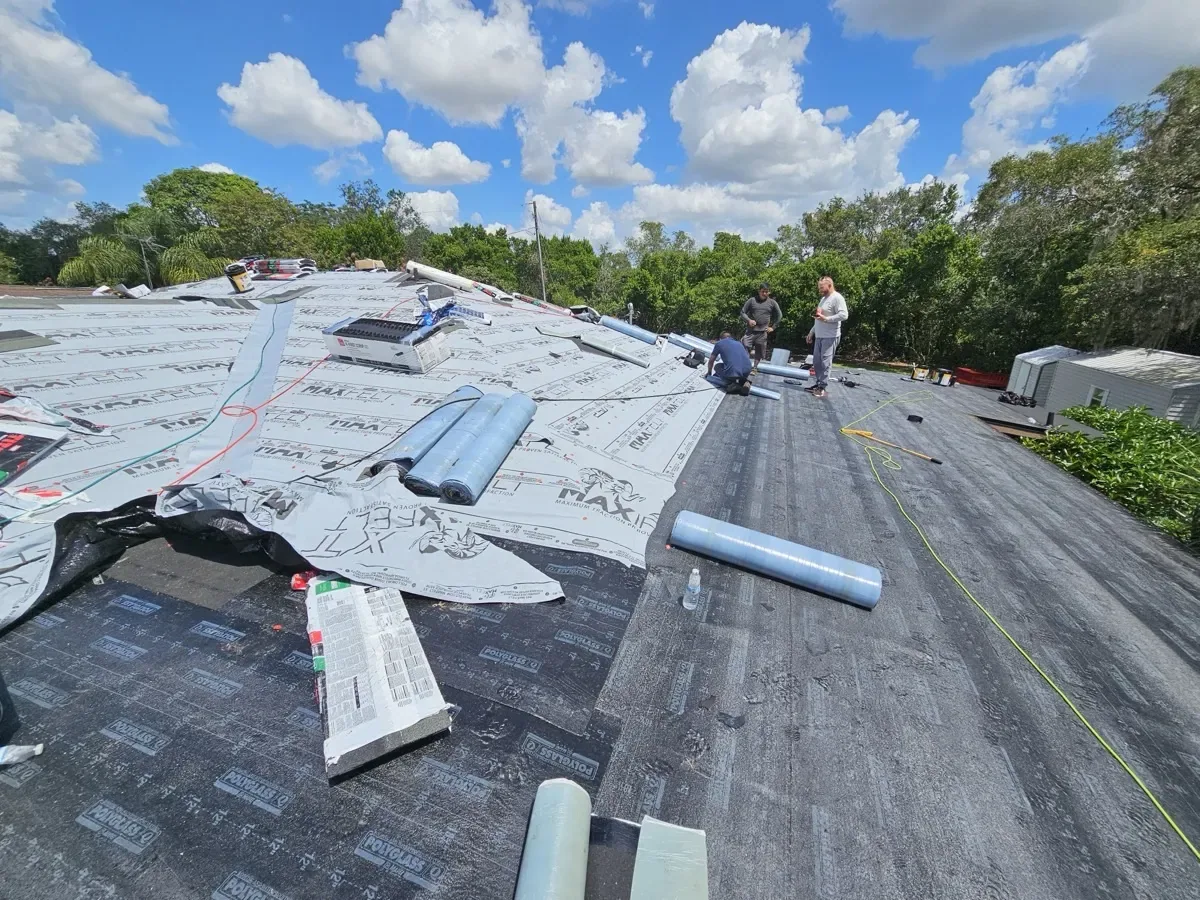

After wind and rain, start with the changed condition. A lifted metal edge, torn sheet or new interior symptom needs its own examination. Santa Ana winds and cooler-season rain affect Santa Clarita, CA, but the event history does not identify the damage at your building. The roof findings do.
Commercial Roofing Santa Clarita assesses accessible roofing concerns and documents what is found. We separate urgent protection from the permanent construction scope. The owner receives locations, photographs and a clear next action, including further investigation where the evidence is incomplete.
Call with the building address and responsible site contact. Explain what changed, when it was noticed and which spaces are affected. Available earlier photographs help compare conditions. The response plan accounts for access, operating restrictions and any direction from emergency authorities.
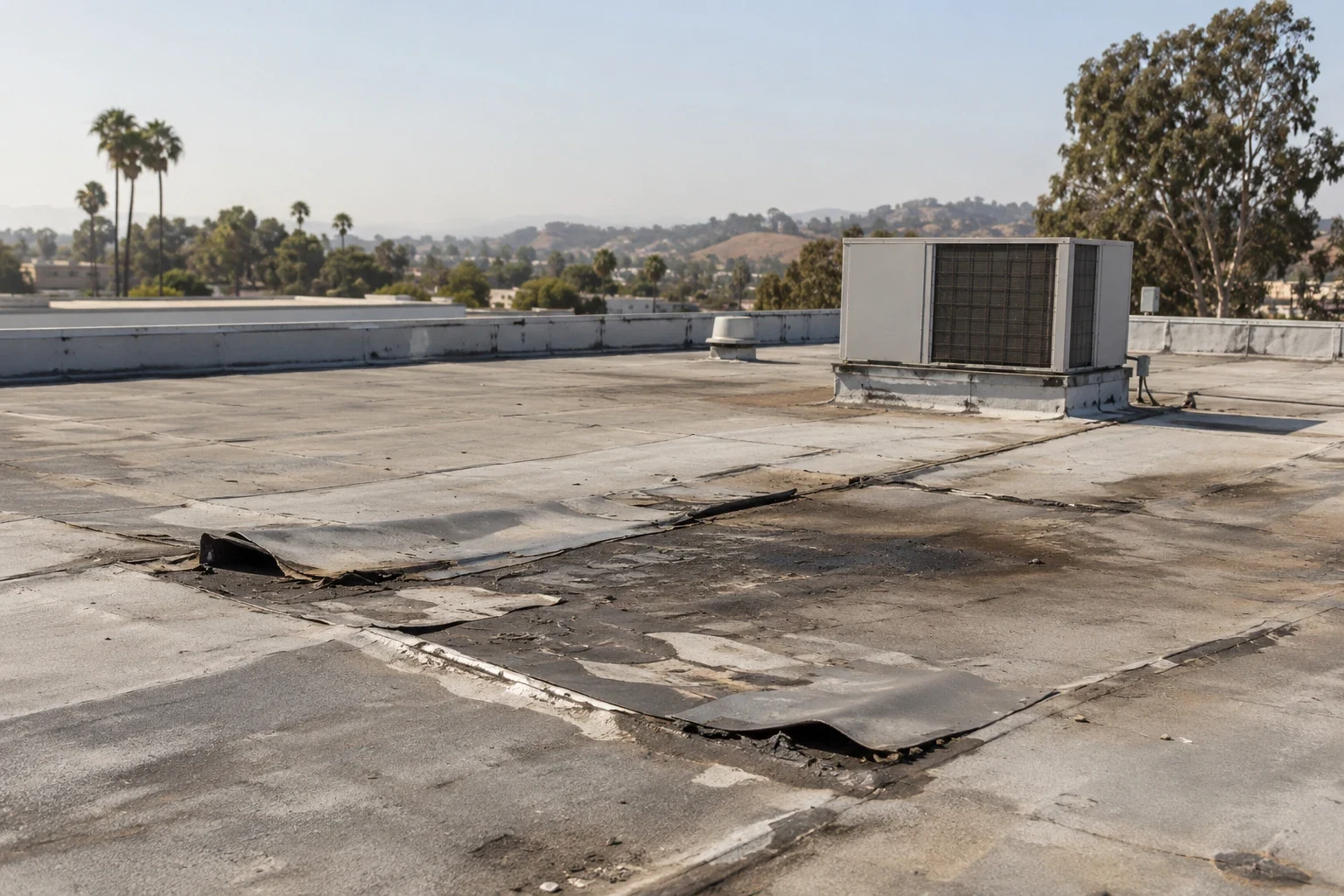
Keep people away from loose material and affected areas. Follow the relevant emergency authority instructions where fire, electrical or structural danger is suspected. Qualified personnel manage those hazards. Roof access needs a suitable plan before anyone is sent to gather more information.
Photographs taken safely can record the original observation. Note the date, location and reported event. Earlier repair records and roof plans help the assessment. They also make it easier to distinguish a new concern from an item already in the maintenance file.
Emergency roof assessment may be needed for an active exposure. The temporary scope is selected for the assembly and conditions. Its limits and follow-up responsibilities should be recorded, along with the work performed.
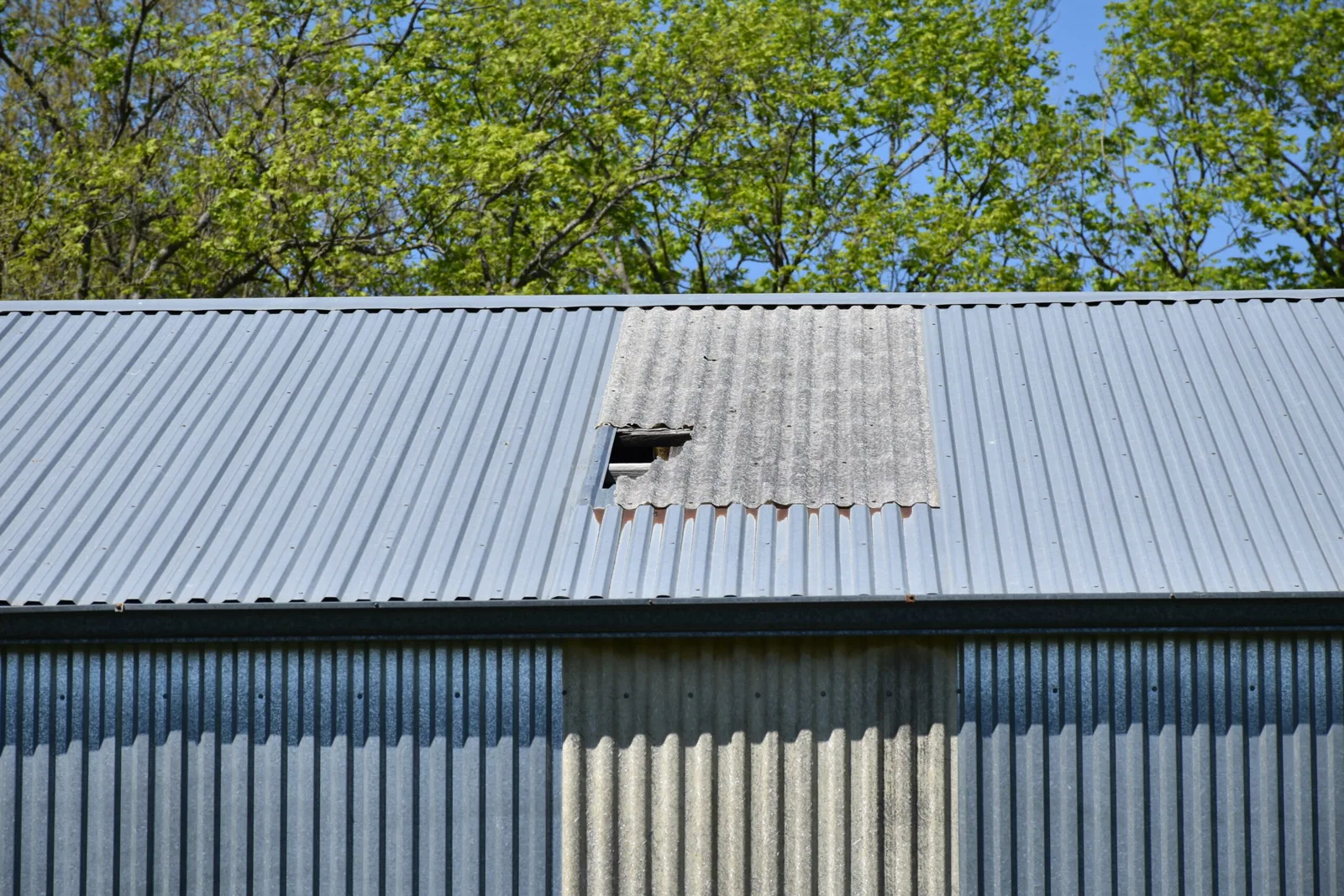
We look at accessible perimeter metal, flashing and covering for displacement, tears or attachment concerns. Debris impacts and rooftop component changes may also need attention. Observations at one detail guide further examination without establishing that every nearby area has the same condition.
Wind damage roof repair connects those findings to the relevant assembly. We identify materials and attachment before recommending the correction. A regional wind speed is background information, rather than the specification for a new perimeter detail.
Where concealed parts need opening, the scope identifies authorization and suitable reconstruction. The report states what was examined and what remains uncertain. That gives the owner a basis for comparing a localized repair with a wider scope.
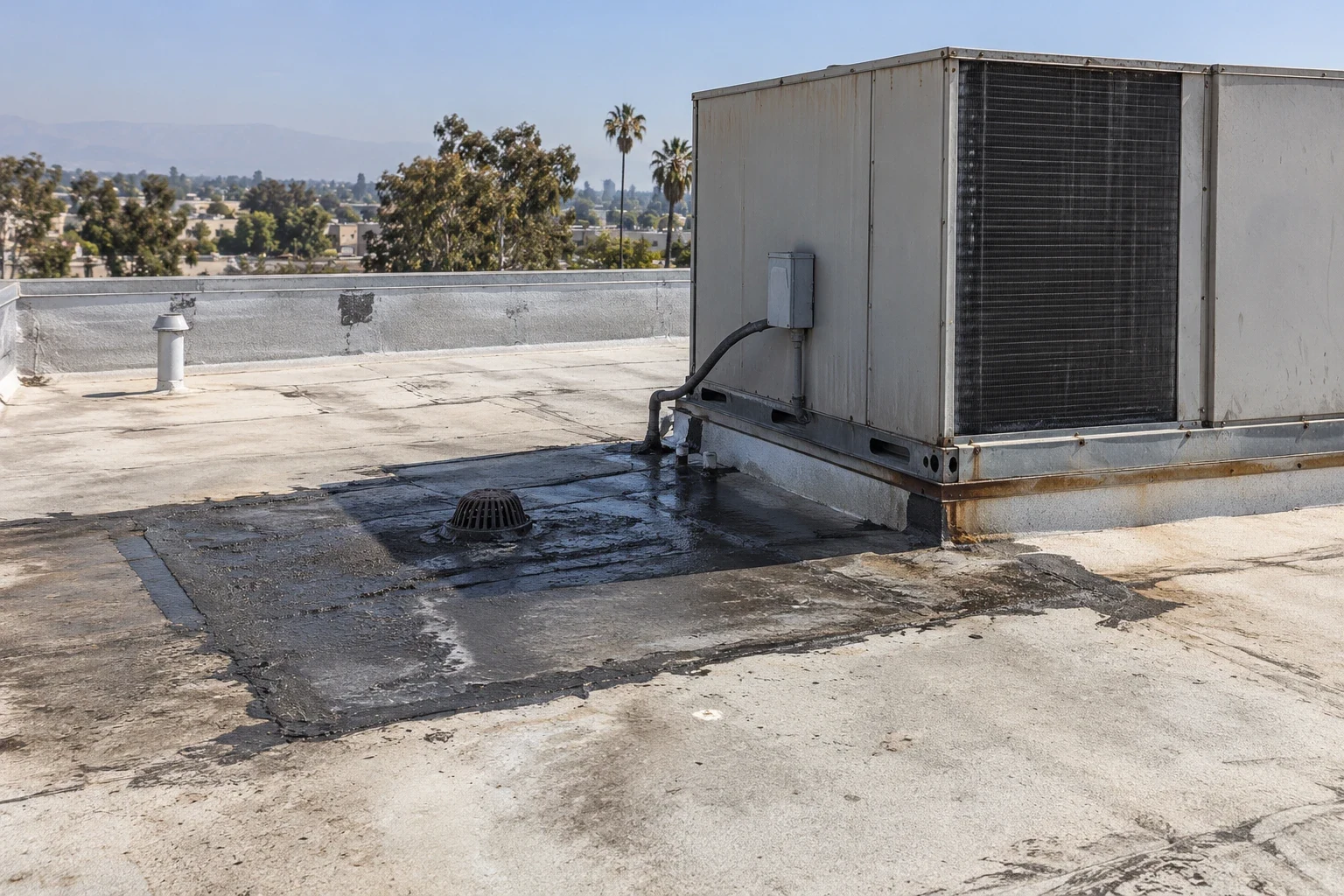
It locates an affected room and provides a timing clue. The entry path still needs investigation. Water may follow assembly joints or concealed surfaces before appearing below. The roof detail above the stain is one place to examine, not an automatic diagnosis.
Leak repair compares the symptom with the roof layout and accessible conditions. Suitable testing may be used to answer a defined question. The method needs authorization and controls for the assembly and affected building spaces.
Moisture within retained materials may require additional assessment. We explain which findings support removal and where further checks are needed. The permanent repair should address the established concern, with a separate record of any unrelated deterioration discovered during the visit.
Roof examination follows the appropriate access release. A roofing visit does not replace fire or structural clearance. The operator and relevant authorities determine current restrictions. We arrange the assessment within those instructions and document any areas that cannot be examined.
The January 2025 Hughes Fire began near Castaic Lake. At Castaic properties, preparation should include the responsible contacts and access records. Those arrangements help organize the visit once conditions permit it.
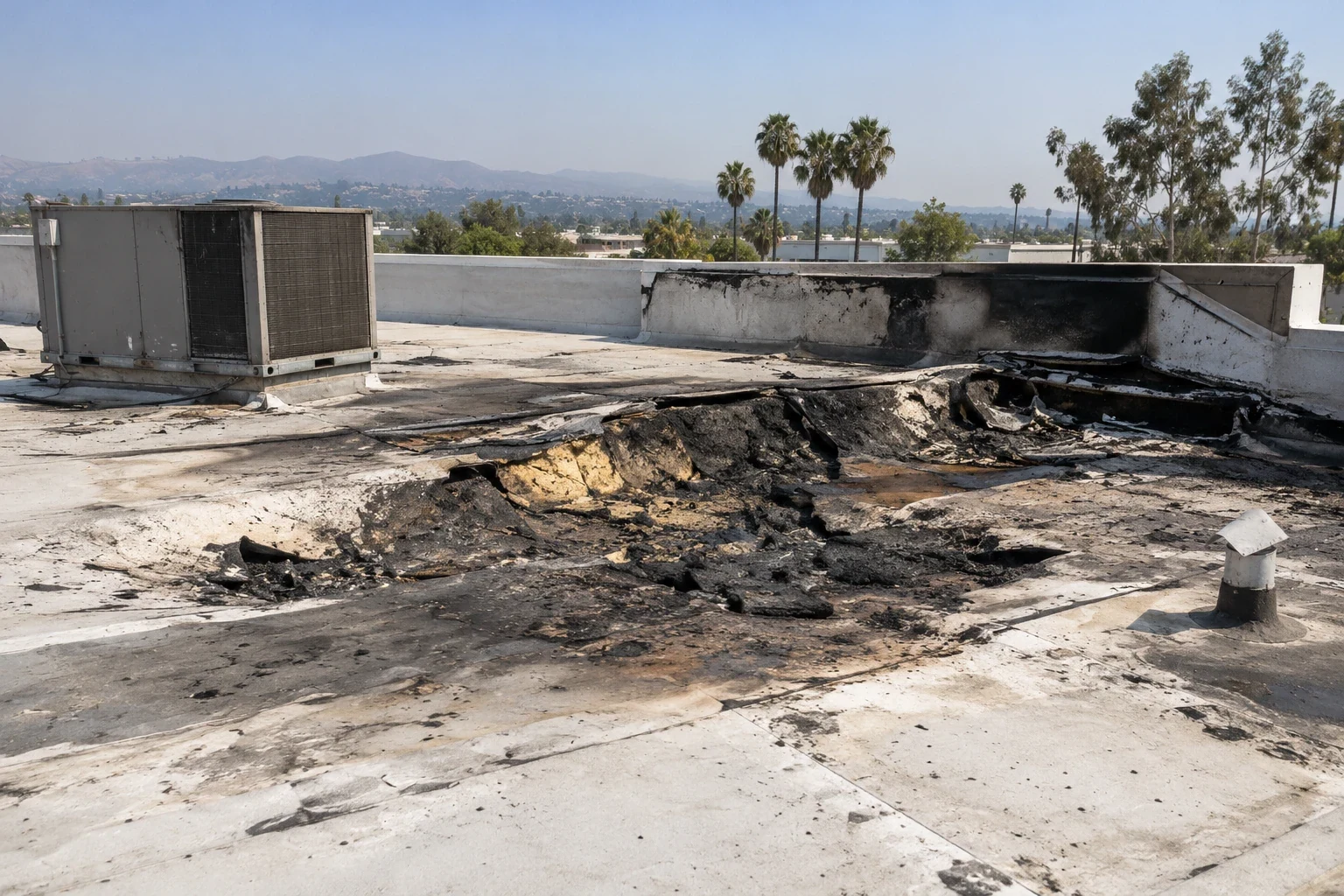
Where fire exposure is reported at the building, fire damage roof repair addresses the roofing investigation. Residue, surface damage and possible concealed concerns need their own findings. Cleaning or reconstruction is selected from that assessment and any qualified handling requirements.
We locate the affected areas and identify the proposed repair materials. The scope explains removal, substrate preparation, attachment and adjoining details. Temporary protection should be included as a separate condition to address when the permanent work proceeds.
Planned commercial repair may suit a contained finding. Where a wider construction option is justified, we explain the evidence for it. Age, leak count or event intensity alone does not settle whether the roof needs replacement.
Applicable code and project reviews belong in the construction plan. Santa Clarita publishes current California code information and local amendments. Scope, jurisdiction and submission details need confirmation. The selected assembly and property conditions determine the requirements to be resolved before work.
The operator should identify restricted spaces, deliveries and equipment contacts. Any required HVAC or fire-system control needs coordination with the responsible team. Roofing crews should have a defined access route and a clear authorization for the task.
Receiving and occupied-space planning deserve attention at Centre Pointe Business Park. Industrial and office properties share this business area, located between Route 14 and Interstate 5. The actual building layout determines the staging arrangement.
We sequence exposed areas, material movement and compatible reconstruction for the scope. Suitable weather and newly revealed conditions may change the plan. The owner should receive the finding and proposed adjustment so construction remains tied to the evidence.
Keep original observations, dated photographs and authorizations. The completed record should identify temporary work, permanent correction and unresolved findings. Locate the work on a roof plan or recognizable roof area. That makes the record useful beyond the immediate event.
Roof insurance claim assistance organizes roofing evidence for review. The carrier determines policy coverage, and the owner approves construction. Our notes distinguish observations from conclusions about cause where investigation is still needed.
Keep earlier maintenance photographs with the event record. They may help explain a changed condition or an existing concern. The next decision should be understandable from the file: what was found, what was done and what remains to be examined.
Give each proposed revision a location and reason. If opening the assembly reveals additional damage, retain that photograph with the changed scope and authorization. A later reviewer can then understand why quantities changed without relying on an undocumented conversation at the building.
After a wind event, compare the reported date and roof area with observed movement, displaced materials and any interior water report. Photograph the affected detail before temporary work changes it, where access and conditions permit. Nearby wear or an older repair should remain a separate observation unless evidence connects it to the new report. Define what is stabilized, what needs closer inspection and which quantities depend on opening the assembly. The owner can then review a repair scope against the documented condition without treating weather timing alone as proof of cause or full damage extent.
No. We compare available records with accessible findings. The report separates observed changes, existing concerns and any cause that still needs investigation.
The assembly, opening, weather and access govern selection. We identify the protected area and follow-up needs. Permanent construction requires its own completed scope.
It can prompt further examination. The surrounding attachment and roofing need assessment before a larger correction is recommended. The scope explains the findings supporting that extent.
The carrier reviews the policy and evidence. We document roofing observations and work performed. Construction authorization remains with the owner or designated representative.
The record locates unresolved items and identifies the next action. Keep it with the roof plan, photographs and work orders so follow-up assessment can use the same references.
Call Commercial Roofing Santa Clarita with the event date, affected location and site contact. We will examine the roofing concern and define the next scope.
Pages that connect with Storm Damage Roof Repair for Santa Clarita Valley buildings.
Notifications