
A manufacturing roof plan needs the production contact and the actual equipment information. The roof crew should know where work affects operations before the task is scheduled. Santa Clarita, CA has industrial business parks with different facilities. The individual plant requirements define the access and construction plan.
Commercial Roofing Santa Clarita examines roofing concerns and coordinates the proposed work with authorized plant personnel. We identify accessible findings, repairs and further investigation. The owner should see the roof task, its operating interfaces and the decisions still pending.
Provide roof drawings, reported water locations and the intended work. Tell us about recent equipment alterations or material exposure. We use that information with the field examination. The recommendation should fit the assembly and process information supplied by the plant.
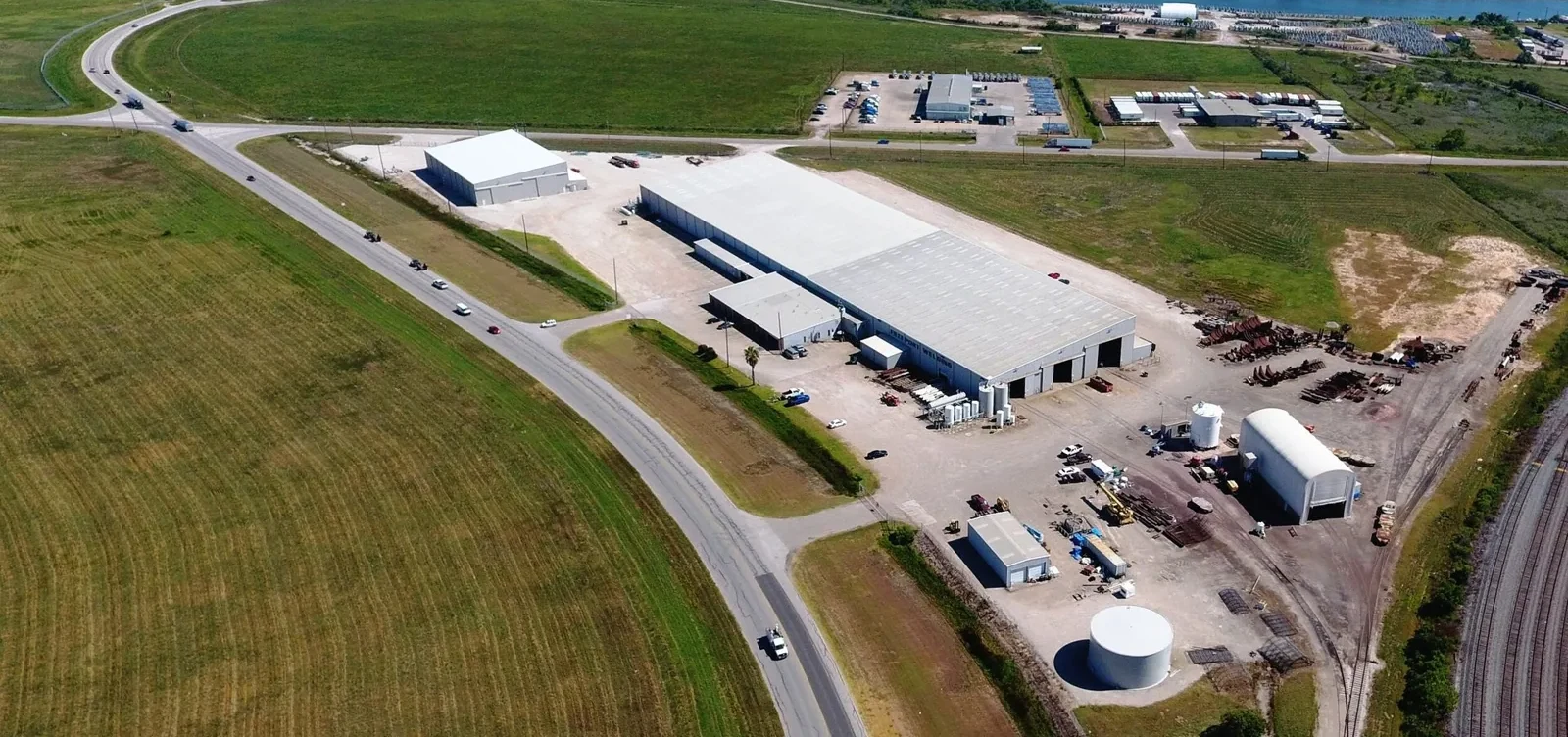
The operator identifies when access and affected activities can be coordinated. Production, maintenance and receiving teams may have different responsibilities. Use a named contact for each necessary decision and a clear route for work authorization.
The proposed roof areas should be compared with the actual operations below. Sensitive processes may require specific controls established by the operator and qualified teams. We identify the roofing interface and use the confirmed requirements, rather than infer restrictions from the word manufacturing.
Occupied-building roof work develops a sequence for removal, protective tasks and reconstruction. The plan should identify which area is involved and what handoff is needed. The owner can then review roofing and operating arrangements together.
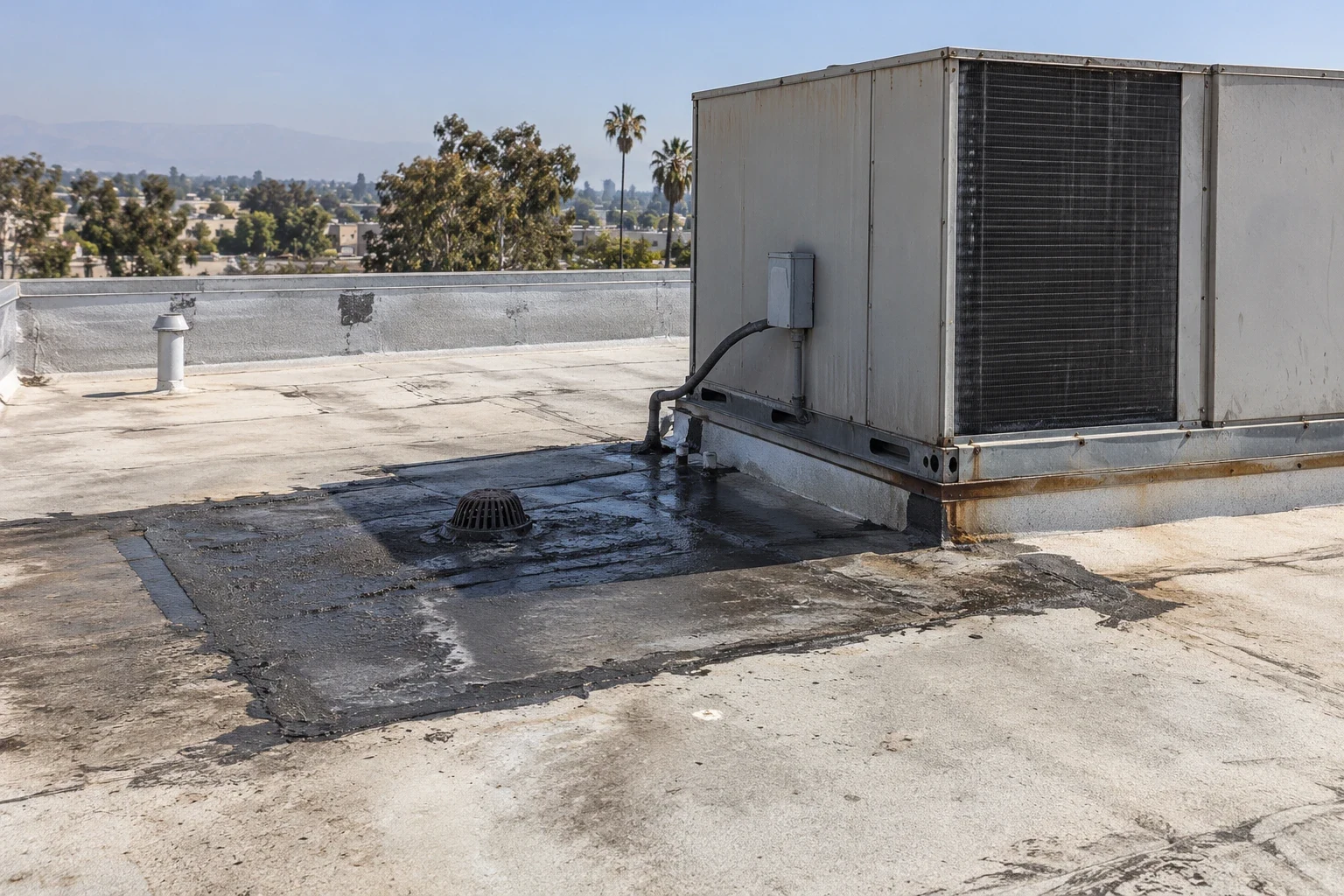
Equipment work can affect curbs, supports and penetrations. Provide the proposed unit or component information before the roofing detail is finalized. Existing use does not establish that a support suits a changed load or arrangement.
Equipment curb and support work may need qualified structural, mechanical and electrical review. The roofing scope should identify access and restoration around the accepted component. Each party needs its task and handoff clear.
Any required HVAC intake or other system control needs a planned window with the responsible operator. Fire systems likewise remain under qualified control. We coordinate the roof task within those arrangements and record relevant changes when the construction scope develops.
Identify the substance and relevant exposure conditions. The operator should supply reliable information about equipment discharge or process activity. The selected roof materials need product-specific compatibility review. A broad membrane label does not answer every chemical question.
Cleaning or containment may involve other responsible teams. The roof finish should not be treated as a substitute for an unresolved source. We identify the roofing concern and the information needed before selecting a repair or new assembly.
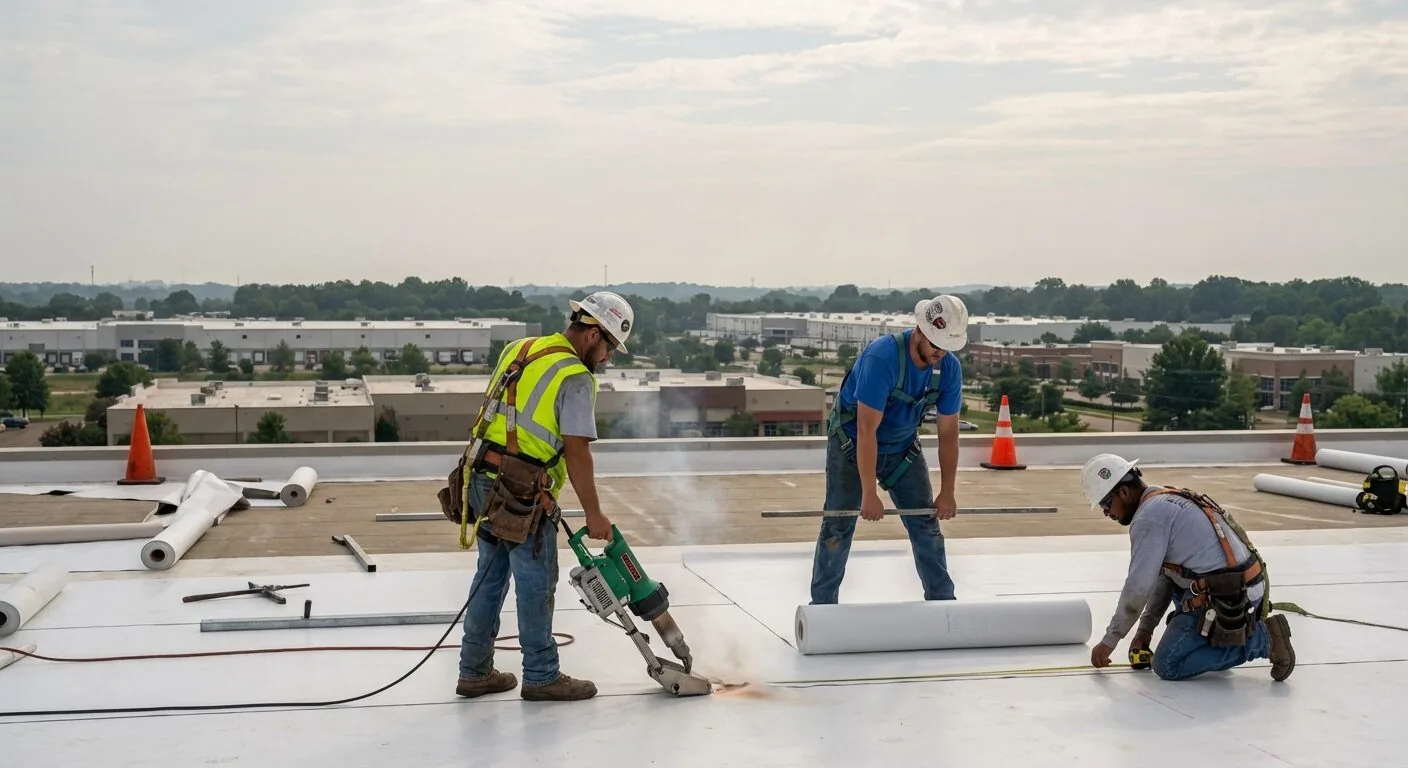
PVC roofing is one option to evaluate where appropriate. Its actual product and assembly requirements govern suitability. No material family should be described as universally resistant to every rooftop exposure.
Record the affected space, symptom and timing. Photographs help when safe and permitted. Equipment changes and earlier repairs can guide the search, but the roof finding still needs examination. Water may travel within the assembly before appearing below.
Leak investigation compares the report with roof details and available records. Suitable testing may be used for an authorized, defined question. The method must fit the system and operating controls.
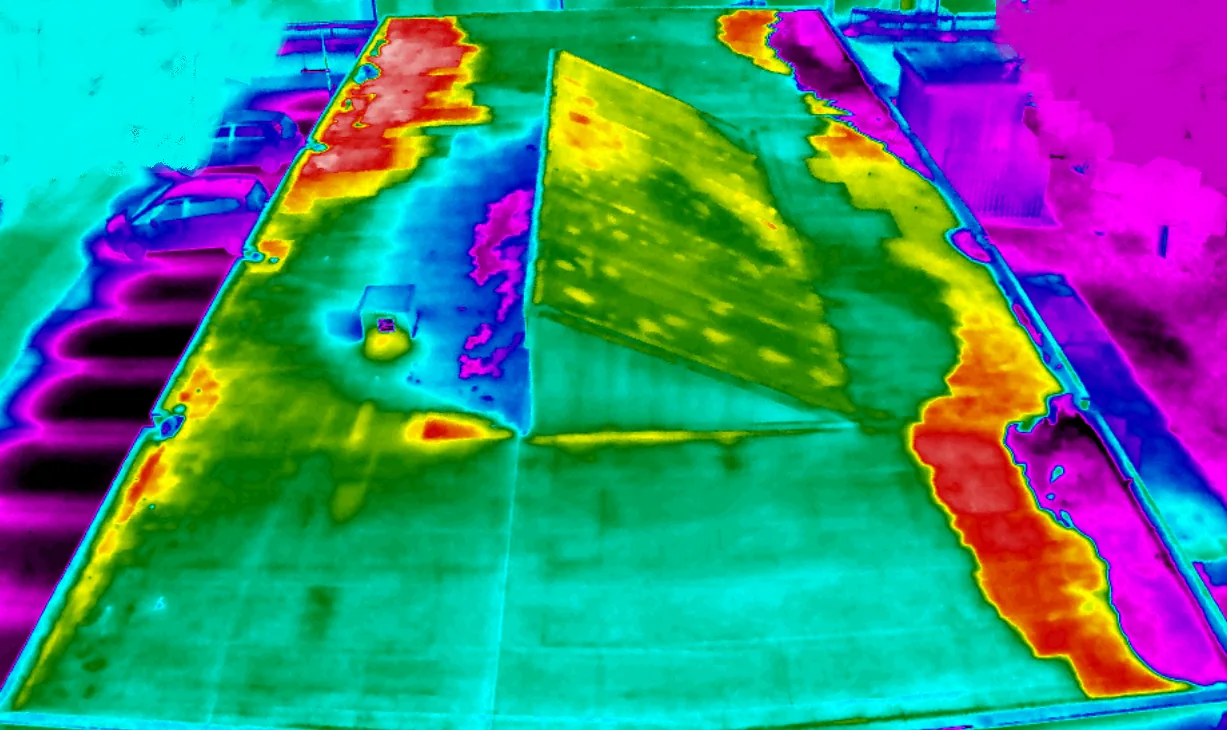
Concealed moisture concerns may need another investigation. An infrared survey can guide examination under suitable conditions. Thermal patterns need interpretation and relevant confirmation. We distinguish those findings from any process or interior concern requiring another qualified party.
Identify which areas need further access before treating the report as complete. If a room or roof section could not be examined, name the next visit or qualified review needed. The operator can then arrange that task within a suitable window, with its purpose clear to the production team.
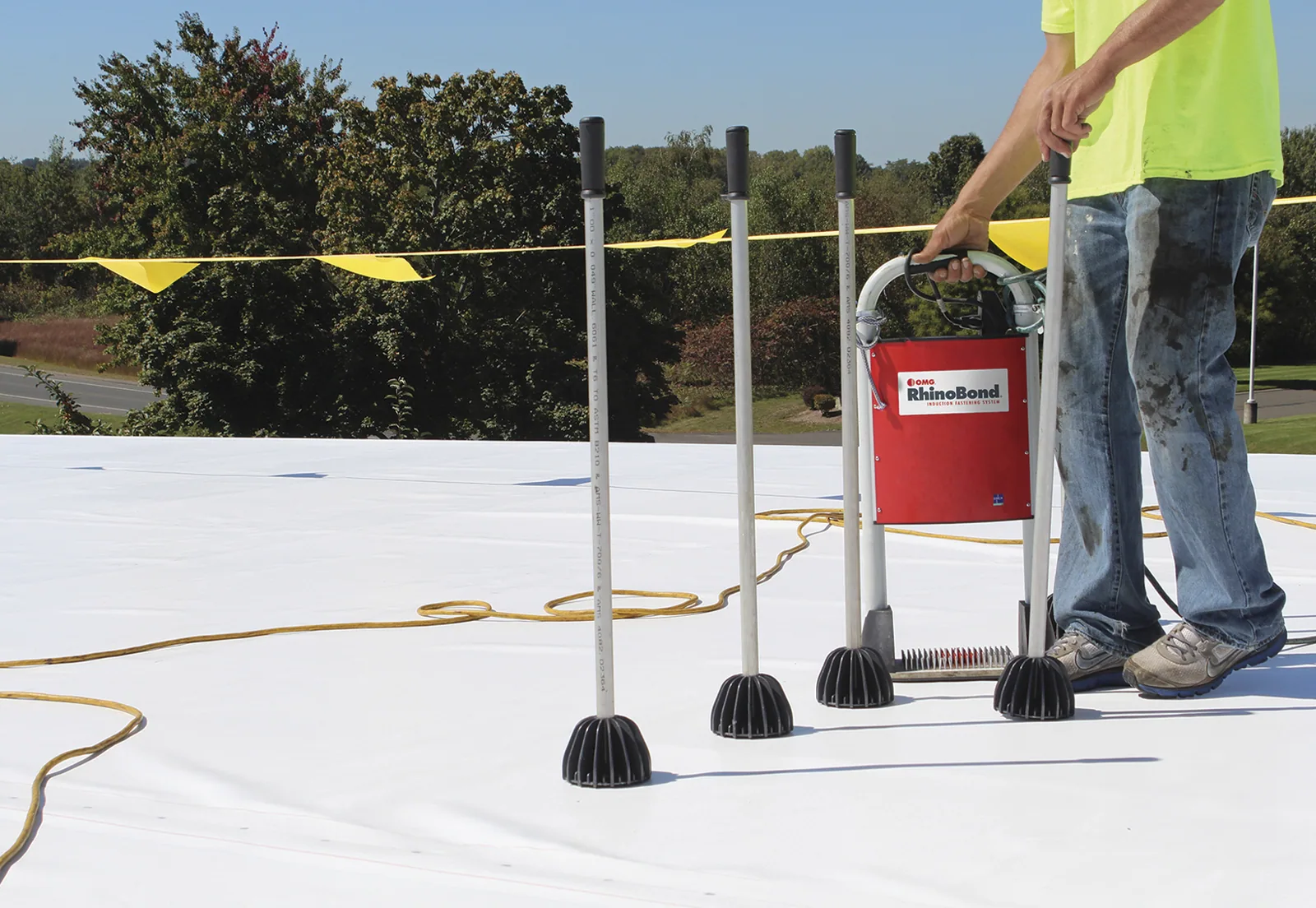
Locate the work and identify the materials. The scope should explain removal, preparation, attachment and detail reconstruction where included. It should also state the access assumptions and any trade task needed to complete the interface.
Commercial repair may address a defined localized finding. Wider construction needs its supporting evidence and complete project review. Roof age, patch count or a regional heat figure does not establish the choice by itself.
If opening the roof reveals more, document the finding and proposed correction. The agreed authorization process should govern added quantities and changed sequence. The plant contact should know which operation or roof area is involved in the revision.
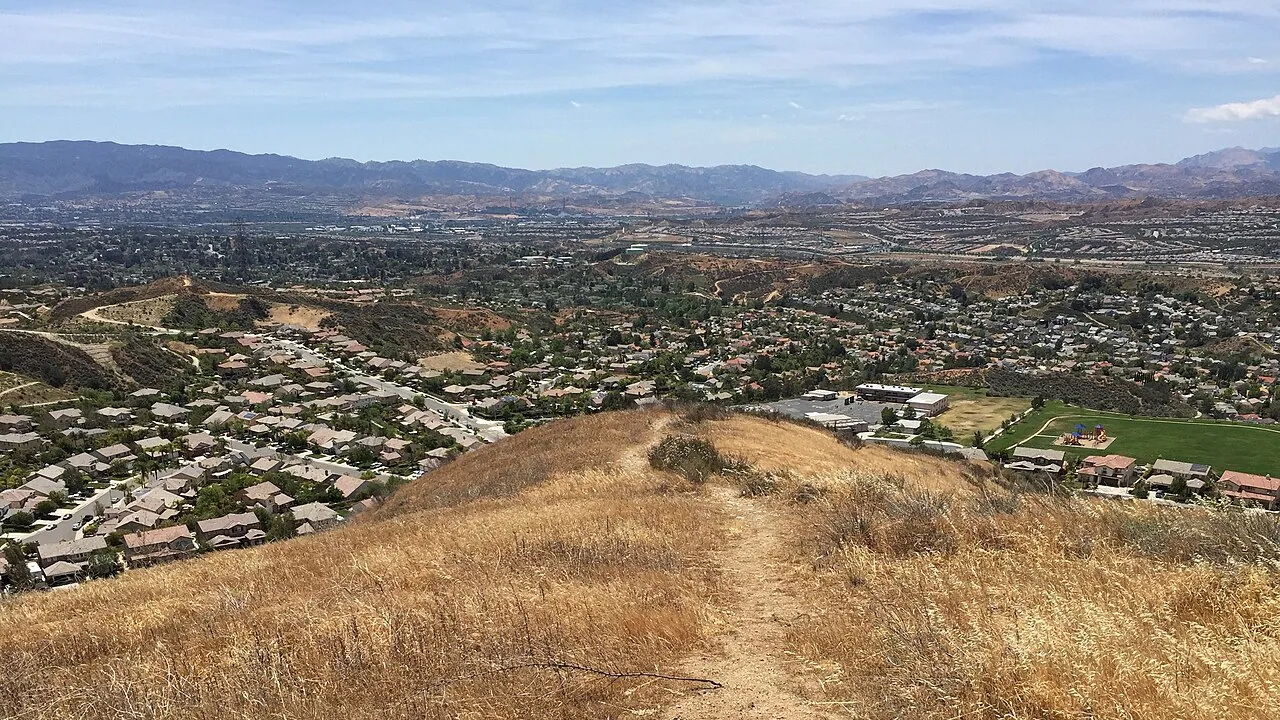
Locate the plant receiving route at Rye Canyon Business Park before dispatching materials. Valencia Industrial Center and Southern California Innovation Park are its neighboring business areas. Industrial operators there should identify receiving and equipment contacts before roof work. The actual plant layout supplies the work route.
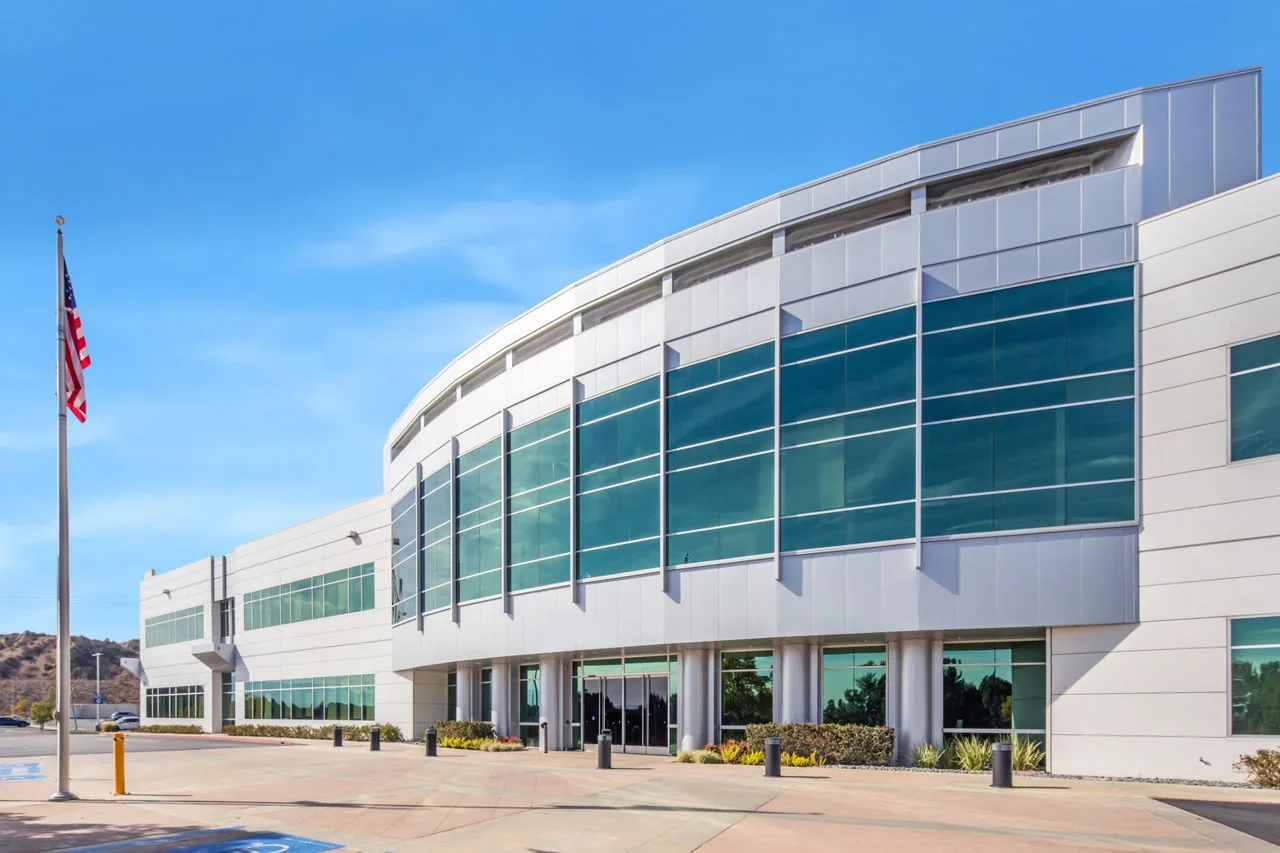
Southern California Innovation Park supports bioscience, medical-device and high-technology activity. The operating team should define requirements for its particular facility. We coordinate the roofing assessment with the authorized access plan.
Material deliveries and removed-material handling need agreed staging. Santa Clarita summer heat and cooler-season rain influence suitable scheduling. The system procedures and current conditions govern application. Changes need a clear reason and authorization within the construction record.
Compare complete roofing scopes and pending assumptions. Santa Clarita publishes adopted code information and local amendments. Confirm jurisdiction, submission details and applicable requirements for the proposed work. Fire, energy and structural interfaces need relevant review.
Warranty procedures require the actual documents. Manufacturer acceptance and inspections should be identified before construction. The selected assembly and relevant exposure information belong with the estimate and accepted details.
Condition reports connect the original findings with the completed work. Keep location photographs, approved changes and relevant checks together. Outstanding items need a next action and responsible contact.
Provide the final roof information to the equipment maintenance team. A later penetration or service change should use those materials and details. That helps the plant coordinate another task with a clearer understanding of what remains in place.
The file should explain both completed construction and any limit of the examination. A new maintenance manager can then identify the next question without reconstructing the entire project from separate production conversations.
Notify an involved logistics provider of approved receiving restrictions. Give the general contractor the sequence for roof connections shared with new equipment. Keep production approval and construction readiness identifiable before another phase is booked.
Production sites may have distinct exhaust, process equipment and operating windows that change how roof access is arranged. Ask the facility contact to identify dependencies around the actual work area, then coordinate them with the responsible trade before material is removed or a penetration is changed. Keep these site constraints separate from assumptions based on the manufacturing sector in general. In a multi-site program, compare inspection dates and documented conditions, but retain each building’s quantities and scope boundaries. The approval record should show who reviewed the sequence and what remains unresolved before mobilization.
The authorized operator supplies the actual windows and restrictions. The roofing plan should use those confirmed instructions and named contacts.
Use product-specific compatibility information for the substance and contact conditions. Equipment containment or another correction may also require the responsible team.
Record the location, timing and recent roof or equipment activity. Those clues guide examination, while the findings establish the roofing correction.
Document the observed condition and proposed revision. The agreed authorization route governs additional work and any operating-sequence adjustment.
Keep installed roof materials, accepted details and location records available. Review later alterations against that assembly before the interface is changed.
Call Commercial Roofing Santa Clarita with your plant contact and roof records. We will examine the concern and identify the construction and operating coordination needed.
Pages that connect with Manufacturers for Santa Clarita Valley buildings.
Notifications