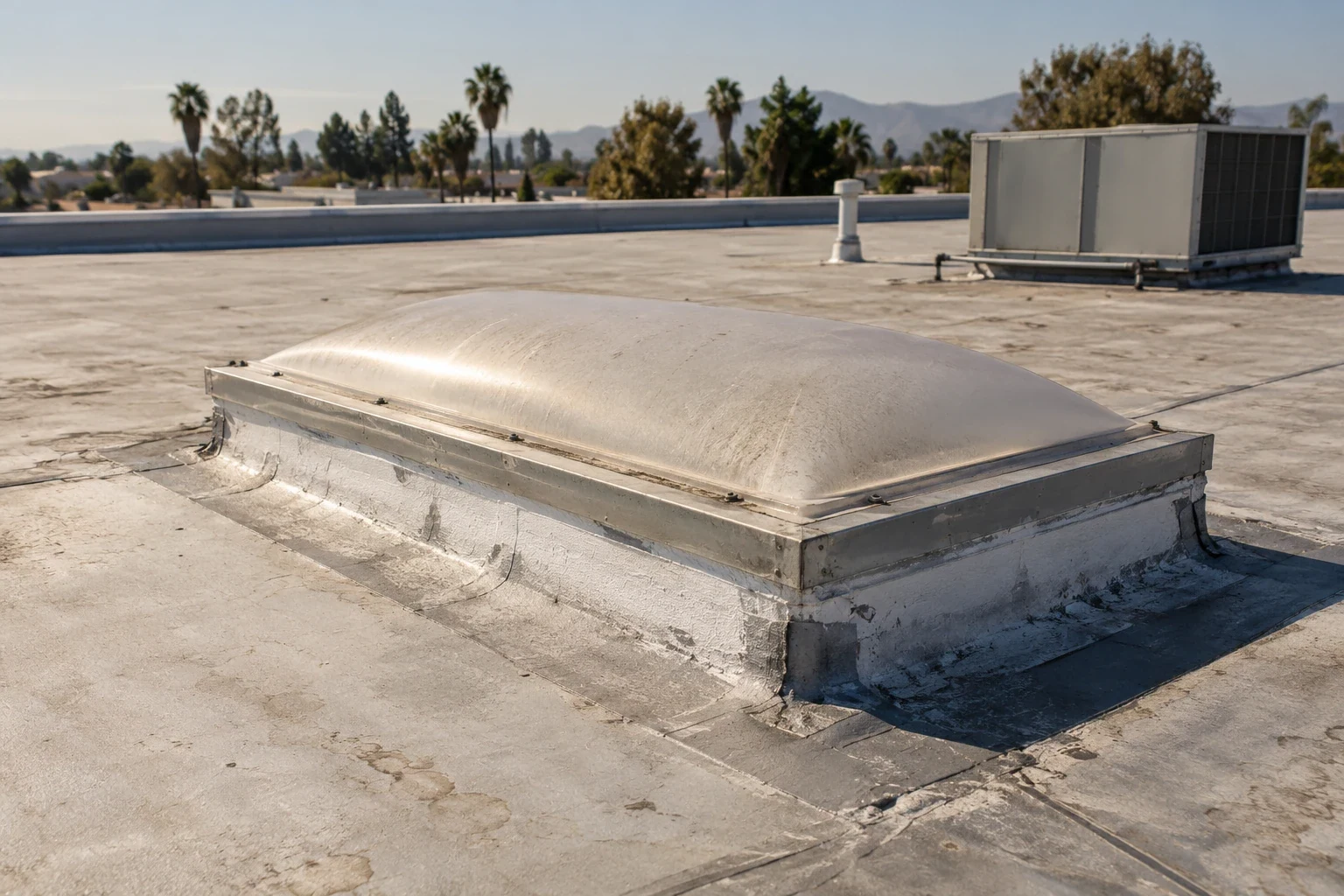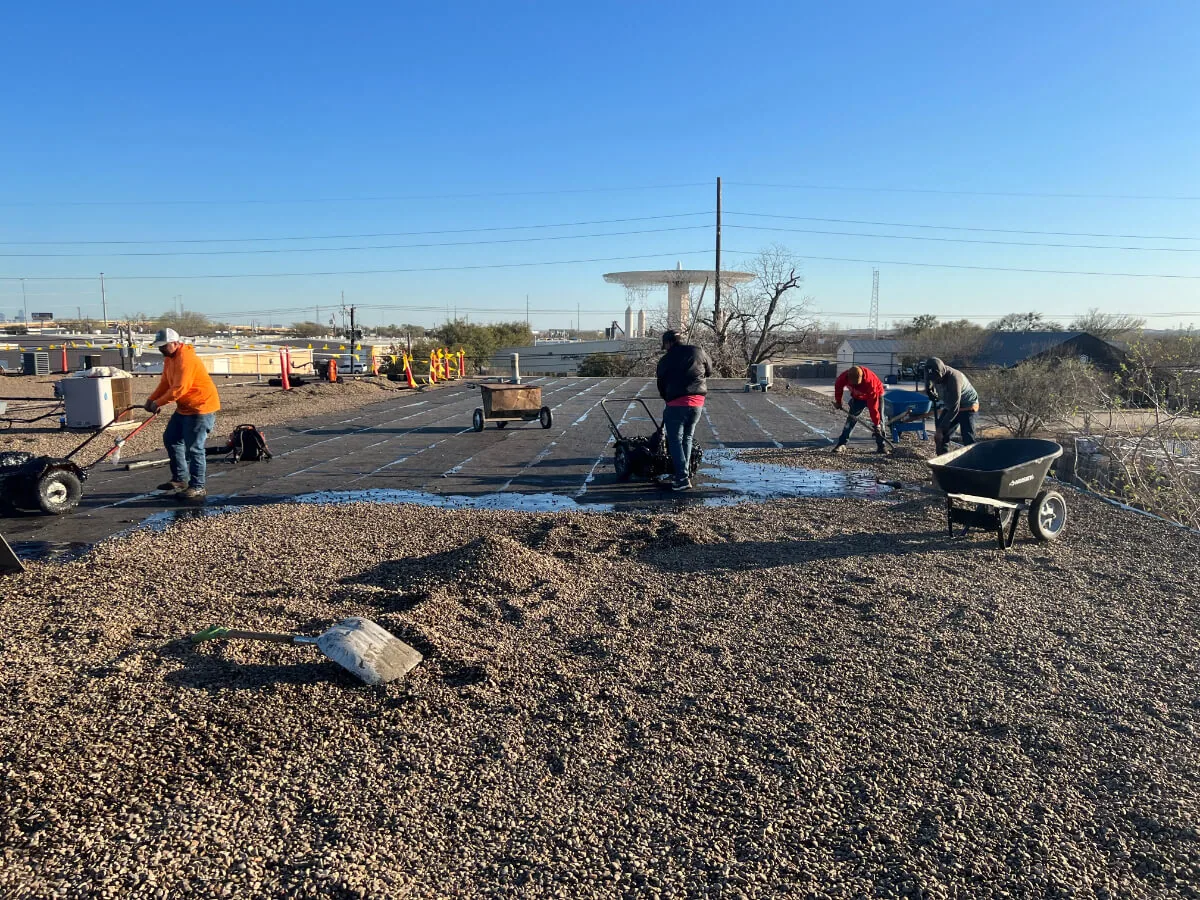

A bituminous roof with visible laps needs its materials identified before repair or replacement is planned. Different modified bitumen products use different application methods. Santa Clarita, CA has hot summers and cooler-season rain, so preparation and scheduling matter. The product and assembly determine the actual work.
Commercial Roofing Santa Clarita examines modified bitumen roofs and develops a compatible scope. We locate accessible defects, review the layer arrangement and coordinate the proposed construction. The owner should understand which materials stay and which are removed.
Bring earlier repair records and any product information. A patch can look similar to the surrounding roof while having a different composition. We use the available records with field evidence to identify the right question and avoid treating every bituminous surface as the same system.
Built-up roofing uses another specified arrangement of bituminous materials and reinforcement. A PVC alternative changes the sheet and connection method. Record the preparation, operating measures and finished details appropriate to each proposal so the owner compares construction that can actually be carried out.
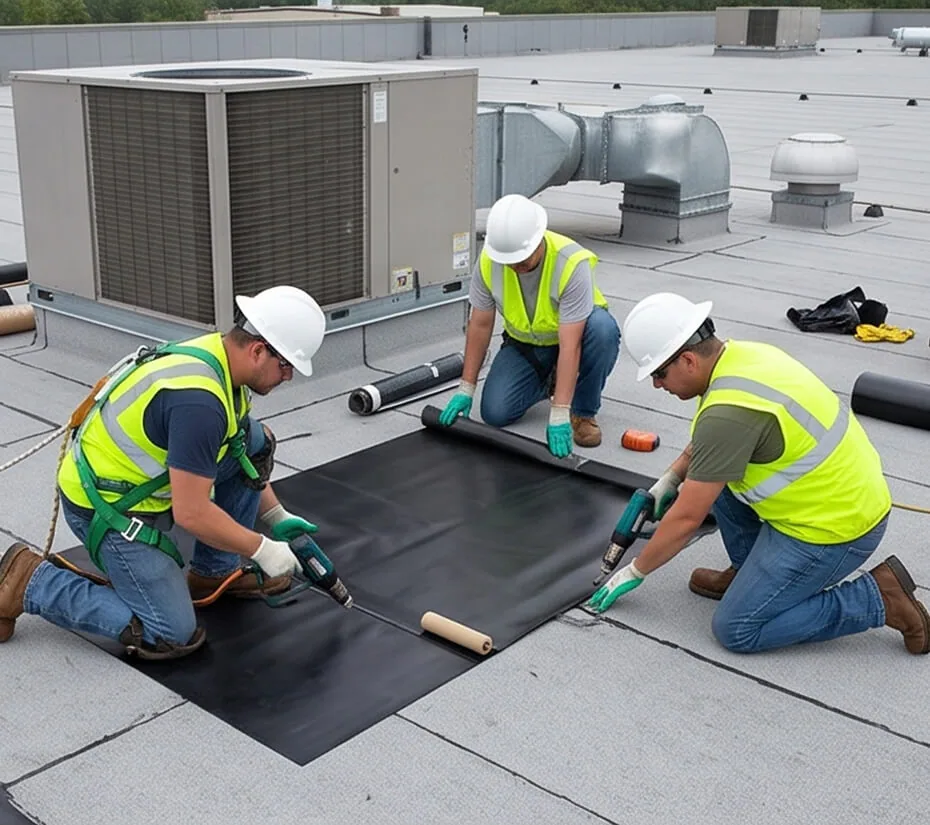
Modified bitumen uses bituminous sheet materials with polymer modification. APP and SBS product families have different formulations, and individual products have their own specifications. The selected material information governs its eligible construction and application.
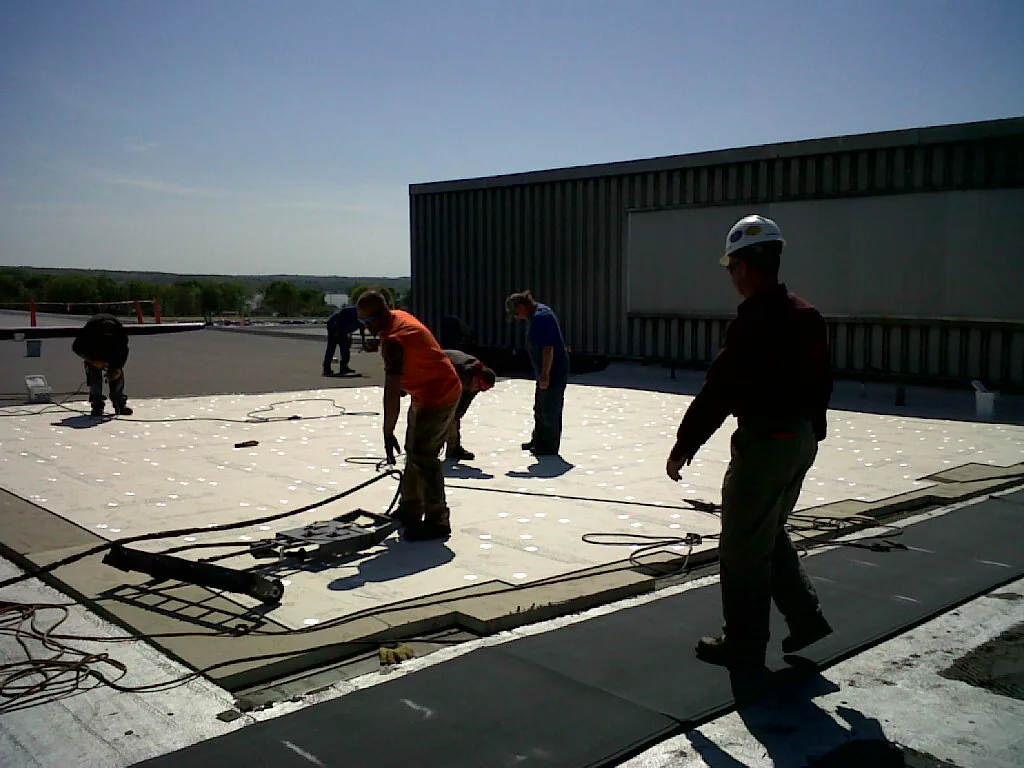
Some systems use torch application, while other eligible products use hot asphalt, cold adhesive or self-adhered methods. These approaches are not interchangeable by default. The scope should name the selected method and the complete layer arrangement.
Insulation and cover board should fit that assembly. Supporting layers, attachment and details need the relevant review. A cap sheet description alone does not explain the substrate preparation or complete roof classification.
We examine accessible laps, surfacing, flashing and repair areas. Blisters, splits or loose material can require different investigation. The visible condition guides examination without establishing what every concealed layer contains.
A roof inspection records locations and limits. Authorized samples or another suitable method may be needed for concealed moisture or material questions. Findings at selected points contribute to the assessment, rather than expose the entire assembly.
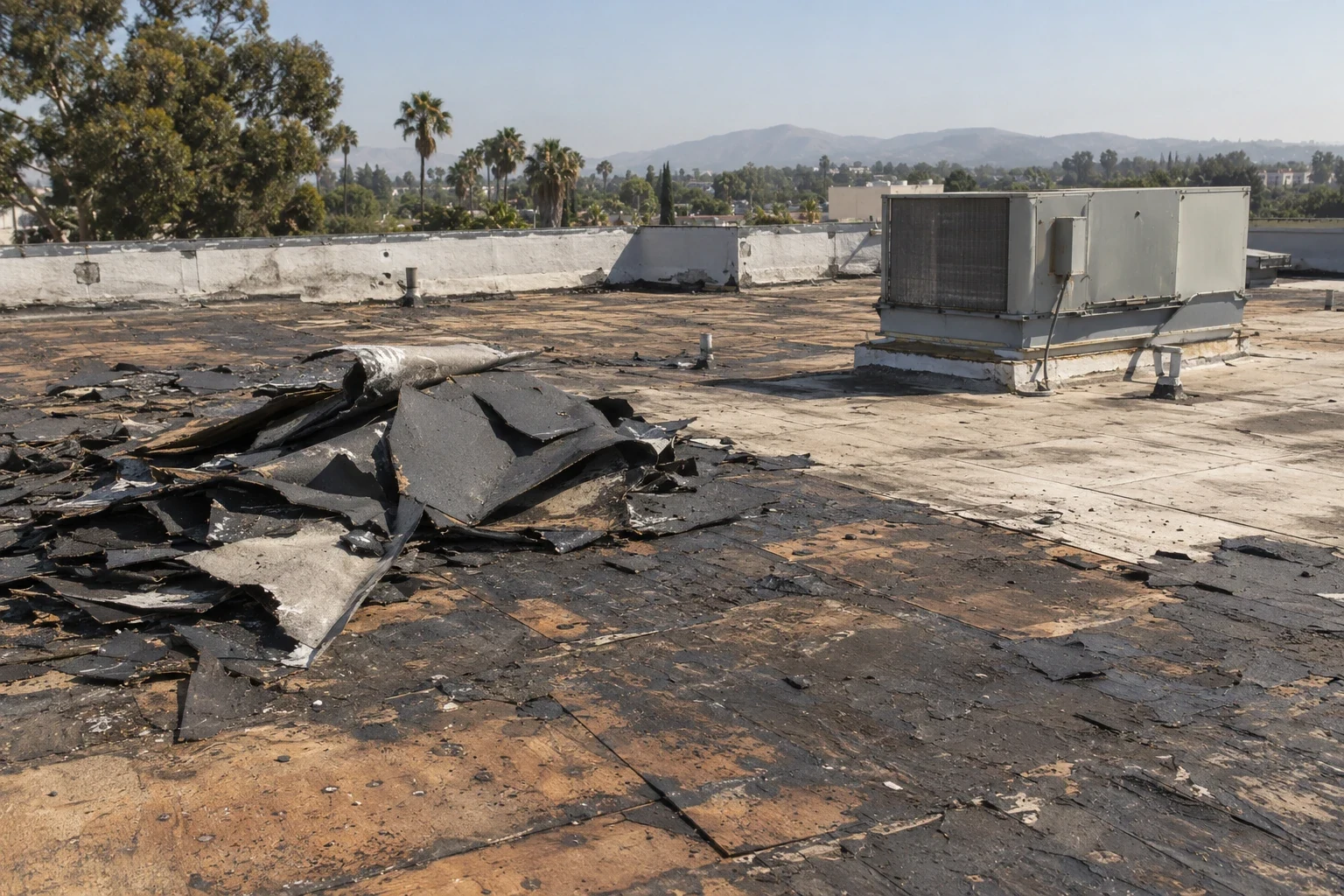
A recover needs complete eligibility review for condition, attachment, structure, drainage and applicable covering limits. If removal is justified, replacement should identify the reconstruction scope. We explain which evidence supports that choice.
The actual products, substrate and project conditions govern selection. Preparation, eligible primers and application procedures need to follow the accepted system. Surface dryness and weather matter, but a calendar season alone does not establish suitability.
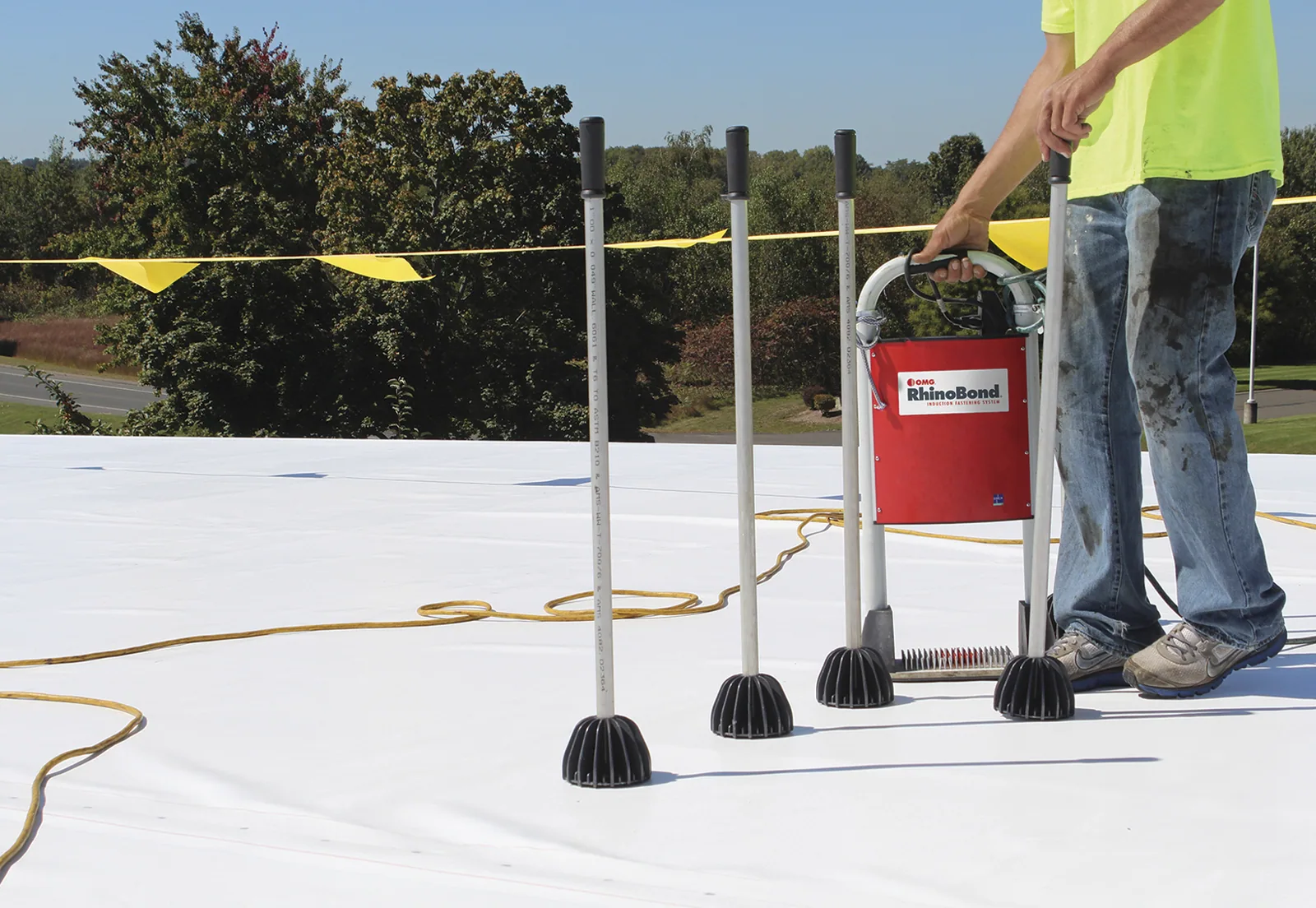
Where a heat or flame method is proposed, the task requires appropriate procedures, qualified personnel and project controls. Nearby materials and occupied conditions need review. Another eligible approach may have different requirements. The owner should see the selected method and required coordination.
Adhesive or self-adhered methods also need suitable substrates and application conditions. They should not be described as universally simple or safe because they use a different process. We identify the actual requirements and relevant checks in the work plan.
Laps connect the sheet layers, while flashing joins the assembly to walls and components. Both need compatible construction. A repair should identify its boundary, supporting material and adjoining detail. Adding surface material without explaining the connection can leave the concern unresolved.
Penetration flashing handles roof interfaces around pipes, curbs and skylights. The actual geometry and materials determine the method. Equipment parts may involve another responsible trade, so the handoff should be clear.
Drain and scupper details must preserve the intended water path. Layer thickness and existing outlet conditions can affect the reconstruction. We coordinate those items before the estimate is treated as a complete roofing scope.
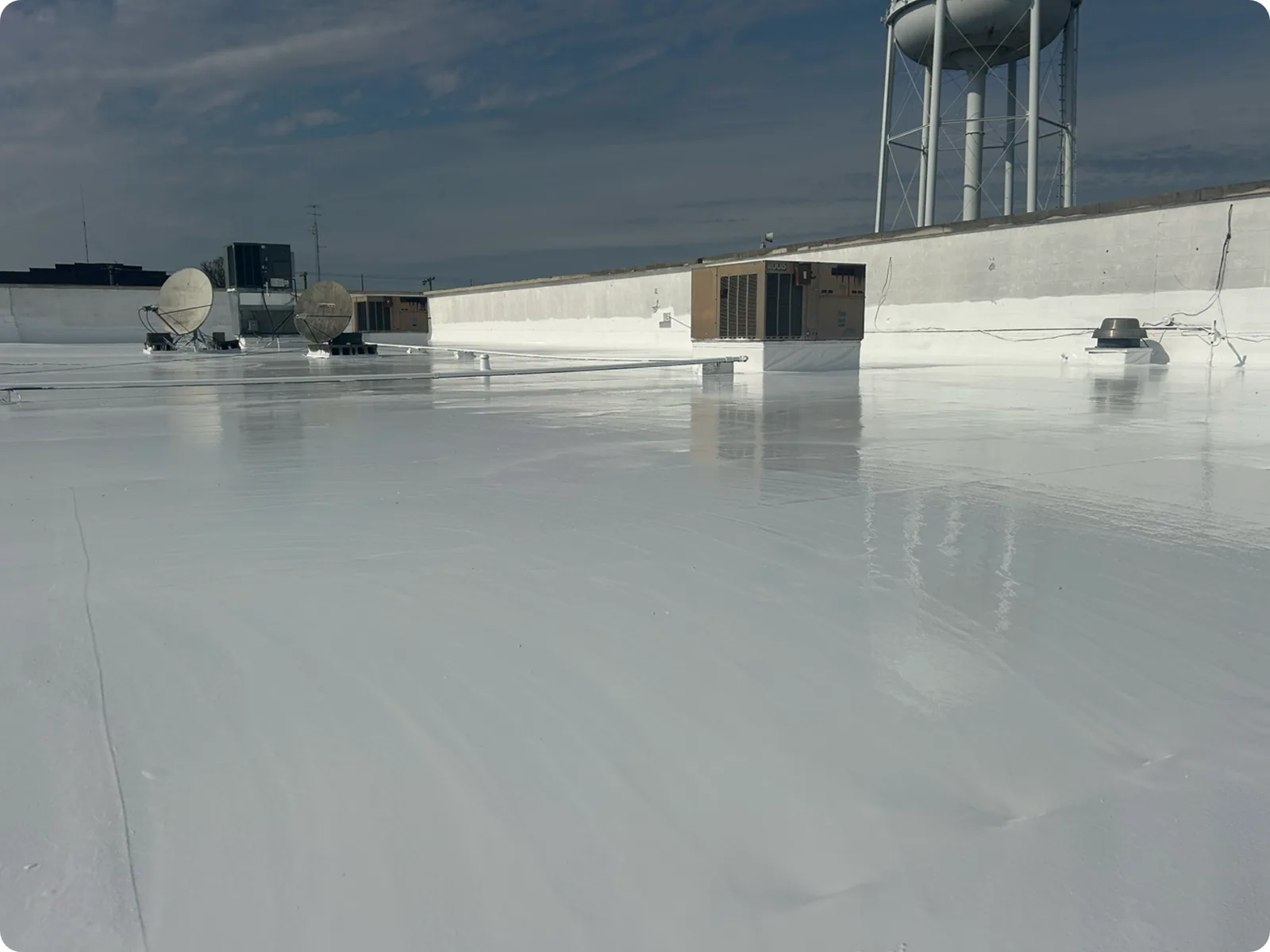
Restoration may deserve evaluation where the existing assembly is suitable. Surface weathering alone does not establish eligibility. Condition, attachment, relevant moisture questions and product compatibility need review before a coating is proposed.
Coating restoration should include preparation, repairs and the selected product procedures. It does not automatically replace damaged layers or change the drainage geometry. Those concerns need their own assessment and correction.
Compare restoration with the actual repair or replacement scope. Identify what each option accomplishes and what remains beneath it. That gives the owner a clearer basis for the decision than a price comparison between different amounts of work.
Scope, jurisdiction and submission details establish the applicable requirements. Santa Clarita publishes adopted California codes and local amendments. The complete roof needs relevant fire, energy and property-specific review. Selected products and assembly information should support that process.
A surface finish may have relevant energy properties, but the actual documentation and compliance approach matter. Other roof layers can be involved. A product family or color does not establish the whole project outcome.
Warranty terms need document-specific review. Manufacturer acceptance, installation procedures and inspections should be identified before construction. Keep approved revisions with the scope if the selected product or detail changes. The final file should describe the assembly actually installed.
At Centre Pointe Business Park, office and industrial operations influence delivery and occupied-space planning. The park is between Interstate 5 and Route 14. The actual building supplies the operating restrictions and roof access route.
Commercial activity in Newhall can bring neighboring storefronts and shared entrances into the staging plan. We coordinate with the manager before material movement. Identify the affected spaces and who needs notification.
Any required equipment, HVAC or fire-system control needs a planned window with the responsible team. Roofing work follows those arrangements. Newly exposed findings and changed weather may affect sequencing, with the reason and authorization recorded.
Keep product records, accepted details and completion photographs together. Locate the work so a future inspection can compare the same area. Relevant checks and approved changes explain the completed scope.
Commercial repair should use compatible methods selected for the installed material and its condition. Later service activity can change roof interfaces, so the responsible team should have the original information available. Warranty and maintenance procedures remain part of that review.
Assign pending information to the relevant project contact. If further investigation is needed, identify its purpose and location before scheduling it. That helps the owner resolve the remaining assembly question before materials are ordered.
A modified-bitumen roof can contain multiple plies and surfacing that hide earlier repairs or moisture below the field. Identify the layer arrangement at the planned work area before choosing a patch, recover or removal method. Review the specified attachment and application approach against site safety, access and the actual substrate; do not assume every existing assembly can accept the same heating or adhesive process. At laps, edges, drains and penetrations, note how the proposed work will reconnect the plies. Keep hidden-condition allowances separate and photograph each completed tie-in before it is covered.
The selected product and system establish the eligible method. Torch, hot asphalt, adhesive and self-adhered approaches have different requirements and should be identified in the scope.
It is an observed condition needing examination. Its cause and affected layers need suitable assessment before a repair or wider construction decision is made.
Retention needs complete eligibility and compatibility review. The assembly, condition, attachment and project requirements must support the proposed construction.
The operator and responsible qualified teams coordinate the required arrangements. Roofing access and the selected application method should fit that accepted plan.
Retain selected materials, approved details and completed checks with located photographs. They support compatible repairs and later alterations.
Call Commercial Roofing Santa Clarita with your roof records and proposed project. We will assess the bituminous assembly and explain the compatible construction scope.
Pages that connect with Modified Bitumen Roofing for Santa Clarita Valley buildings.
Notifications