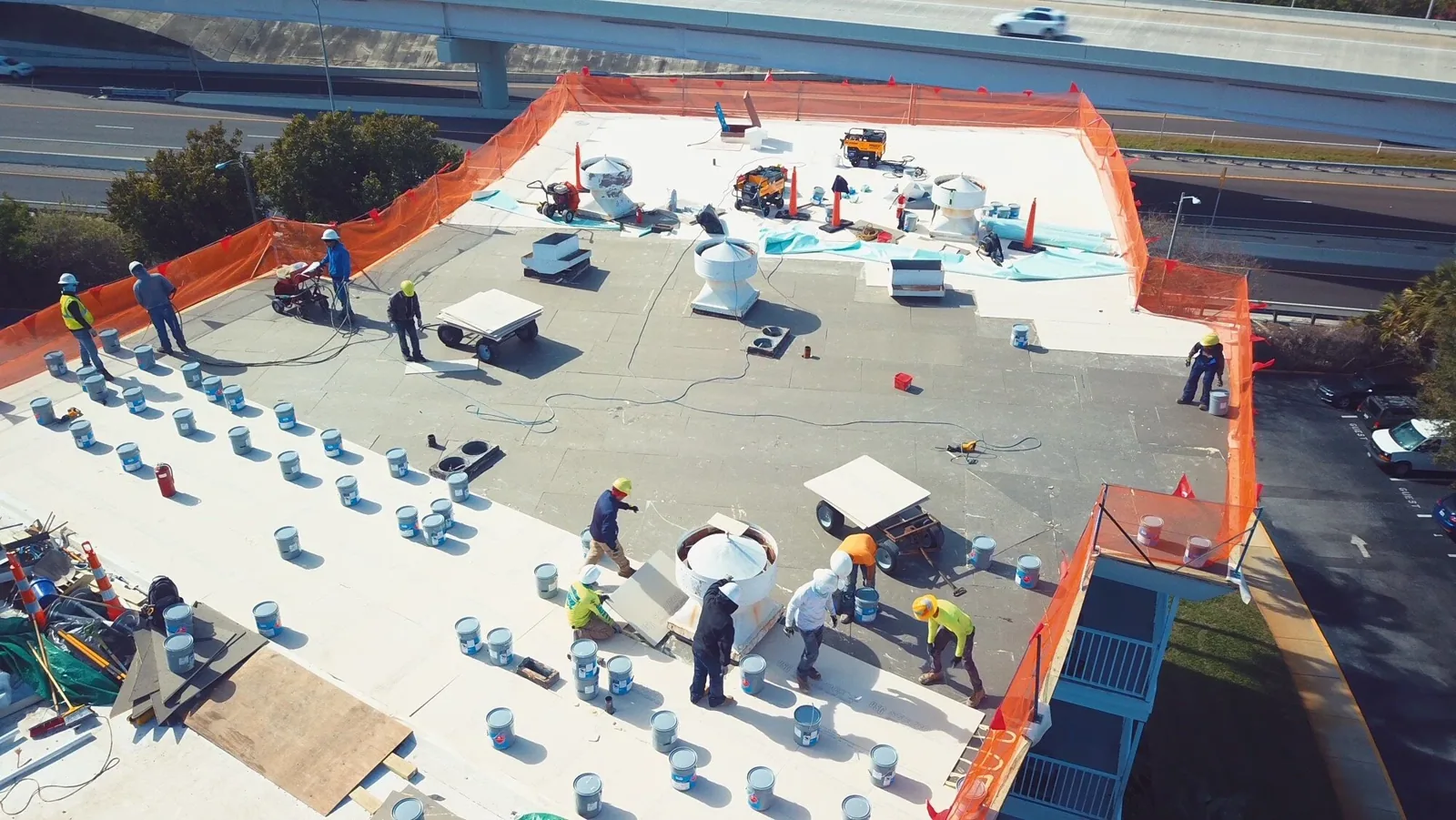
Heat and dry-season weather make roof inspection useful while a plant can plan its next work window. Examine the connections before winter rain tests them. For manufacturing plant roofing in Santa Clarita, CA, we check the installed construction and the production functions beside the task. Equipment changes, damaged support and restricted access can enlarge a repair. Those decisions need attention before an opening is made above active work.
Match the roof phase to the plant's actual controls. A planned shutdown helps only where its equipment and work area are ready for the correction.
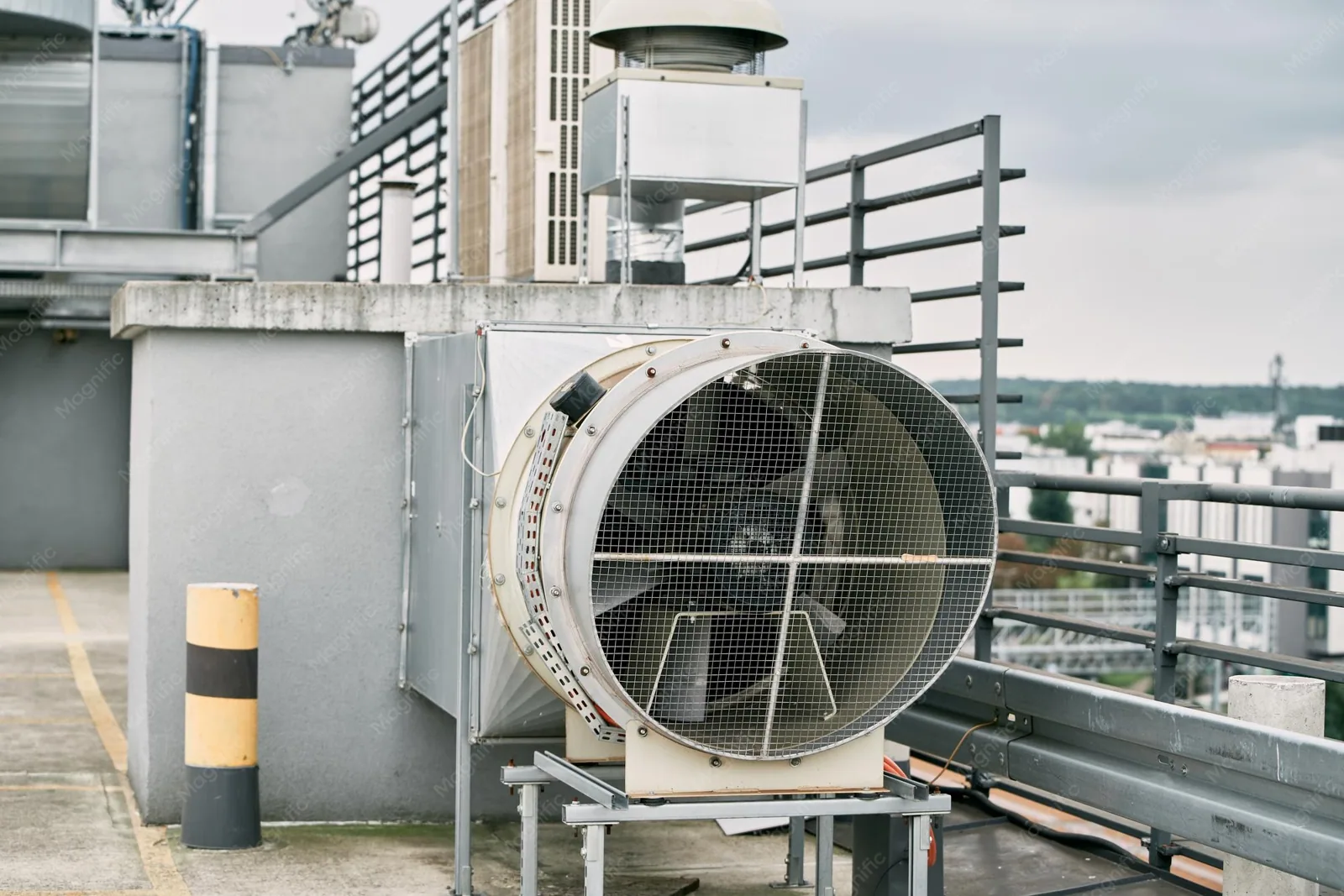
A vent or service pipe needs a complete weather connection through the roof. We inspect its flashing and the receiving material. The process team identifies what the component serves and whether it can be isolated or moved. An apparently unused pipe still needs confirmation before removal. Roofing and equipment tasks have different responsibilities, and both need a finished connection.
We measure clearances beside the penetration. Tight spaces can prevent adequate preparation or examination. A service line may need moving before the intended detail is practical.
Plan curb and equipment support correction with the related trade. Support movement can affect the weather connection while the support itself needs another assessment. A new flashing cannot resolve a loose base underneath it. The scope keeps both tasks visible. The owner can then arrange the responsible people and the required operating window together.
Rye Canyon Business Park sits between Valencia Industrial Center and Southern California Innovation Park. It has office, industrial and mixed uses. For a plant project there, we establish the delivery and working routes at the actual building. The operation may continue in areas beside the roof phase. We identify those areas and their protection requirements with management before setting the work boundary.
Coordinate a Rye Canyon roof work period while equipment and production controls can still be arranged.
Southern California Innovation Park includes bioscience, medical-device and high-tech uses. A project serving that operating mix needs the facility's own control requirements agreed. Intakes, affected spaces and handling routes are reviewed for the proposed procedure. We price the resulting access or preparation method. The decision follows the actual operation rather than a general assumption about every plant in the park.
Material beside an exhaust or process connection can have contamination that affects repair preparation. We identify the residue where possible and the membrane it contacts. Product compatibility needs assessment for the actual exposure and proposed components. A material-family label cannot settle an unknown chemical condition. The process team helps define what is present before the correction is selected.
A cold-storage section may add enclosure and temperature questions. An adjoining warehouse roof area can require another stock-protection arrangement.
We assess whether cleaning and preparation leave a suitable receiving surface. Trial preparation or other checks may be necessary for the selected product. Damaged material can require a wider boundary. The scope identifies that removal instead of covering it with an incompatible patch. Continued exposure also needs attention from the responsible process or equipment team so the repaired connection can be maintained under its actual conditions.
Rain entry, equipment drainage and enclosure conditions need evaluation against the reported timing. We inspect accessible roof details and compare them with the operation. Air paths and temperatures deserve further assessment where the observations make an enclosure mechanism plausible. The roof task states which connection it corrects. Other mechanical or enclosure work retains a separate responsibility.
Use a plant roof examination to establish the accessible evidence and remaining construction question.
Layer checks show local insulation and deck condition. Readings or imaging can help select investigation positions under suitable conditions. Their findings need interpretation against the materials found. We separate physically established damage from extent still being estimated. A wider removal quantity receives its own explanation before the phase expands over another production area.
Support deterioration can also affect the correction. We identify the question needing design or structural review before treating a new sheet as sufficient work.
Santa Ana winds are a valley concern. A loose edge component or displaced sheet needs examination of its connection and support. We inspect the accessible fastening base and adjoining material. Damaged blocking or attachment can make the correction larger than the visible metal. The actual project design establishes the required assembly and perimeter connection. We coordinate the repair with that basis.
Summer heat also makes exposed joints useful inspection points. Open seams, brittle receiving material or a failed termination need assessment of the installed product. Their appearance does not by itself decide whether the whole roof needs replacement.
Fire-related access restrictions and site conditions govern examination after an event. Debris or visible roof damage is documented where it is found. Fire classification and any applicable property-specific requirements are reviewed with the project team for new construction. A regional wildfire concern does not establish one roof assembly for every plant.
The planned area depends on the forecast, application conditions and the closing work available. We agree the rooms and equipment affected before removal. A trade delay can change that plan independently of the roof material. The manager receives the revised activity and protection arrangement. We open an area that can remain controlled under those conditions.
Price an occupied plant roofing phase with its access and equipment responsibilities established.
Requests for urgent assessment are accepted overnight and through weekends or holidays. Crews, safe access and the condition encountered determine the measures possible. Temporary protection keeps its stated purpose and limits. The permanent correction is defined after the necessary investigation and related work decisions.
Finished-detail photographs and location records remain with the plant's product information. Later equipment alterations can assess what they will disturb before cutting or covering the roof. Available issued warranty terms receive their separate review for relevant maintenance or alteration requirements. Outstanding support and process tasks stay assigned at completion.
A plant’s roof may include exhaust, process piping and equipment whose operating limits differ by production area. Have the facility team identify the relevant contacts, access controls and any system that must be adjusted before work near it. Do not assume a generic shutdown or contamination plan; carry the site-approved requirements into the roof sequence. Map work areas to the operations below and define protection, communication and restoration checks. If a roof condition or trade dependency changes the planned phase, pause at the affected boundary and document the decision before work expands.
Review the tasks and equipment responsibilities first. We coordinate the roof opening with its permanent closing detail. The window must support both the related service work and the roofing procedure.
Preparation and compatibility depend on the actual material and exposure. We work with the process team to establish that condition. Unknown contamination is a question to resolve before permanent component selection.
Confirm its service status with the responsible team. Then resolve removal and the permanent roof connection. Appearance alone cannot establish that the component is abandoned.
Damaged support, unsuitable receiving sheet or insufficient working space. We examine those conditions and measure the detail. Related equipment work is identified before the roof phase begins.
We locate and record the exposed condition with the added task it requires. The manager receives its effect on cost, production protection and sequence. Expansion follows the agreed review.
Tell us the process controls and equipment changes involved. We will examine the roof and define the correction with production protection and trade tasks included.
Pages that connect with Manufacturing Plant Roofing for Santa Clarita Valley buildings.
Notifications