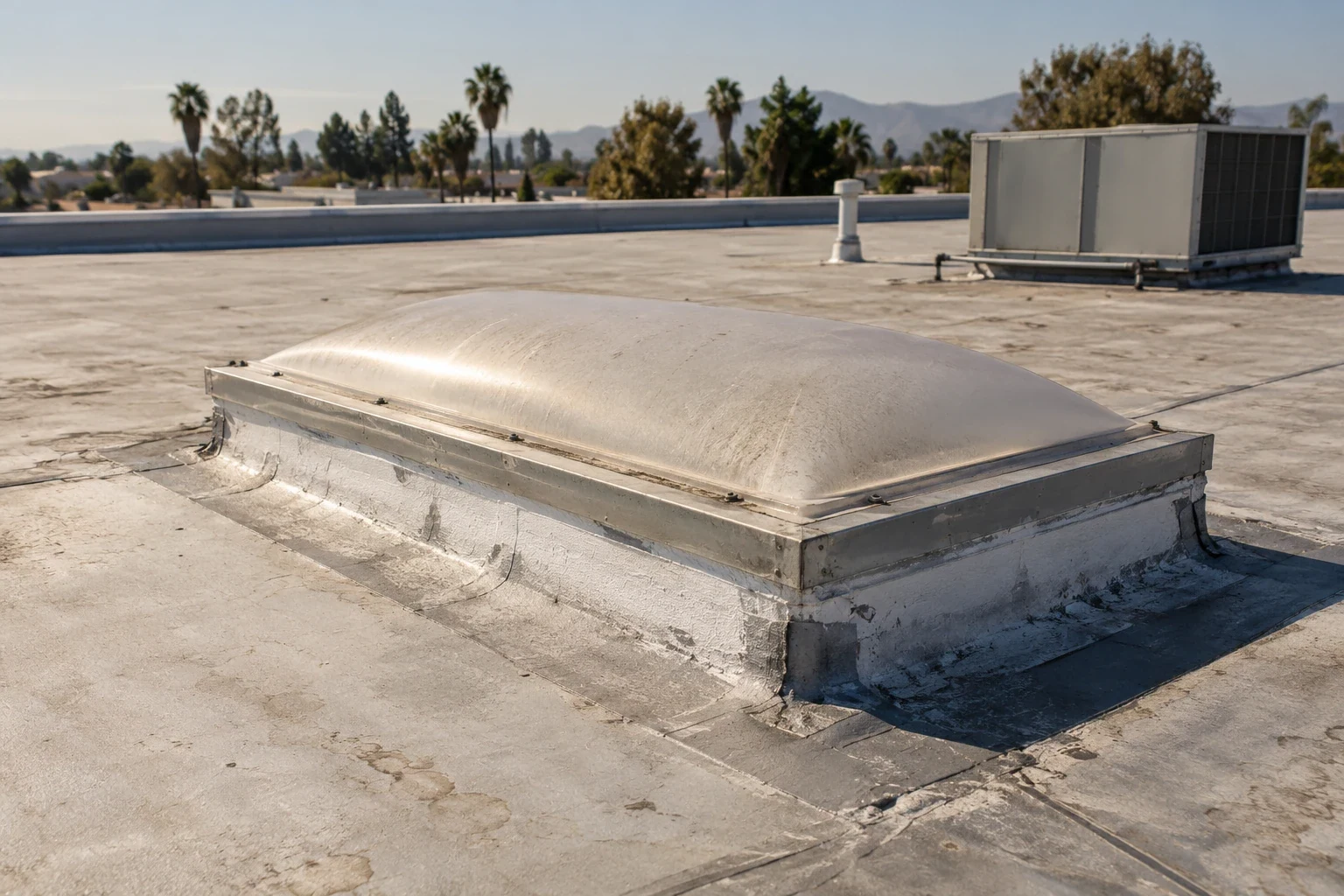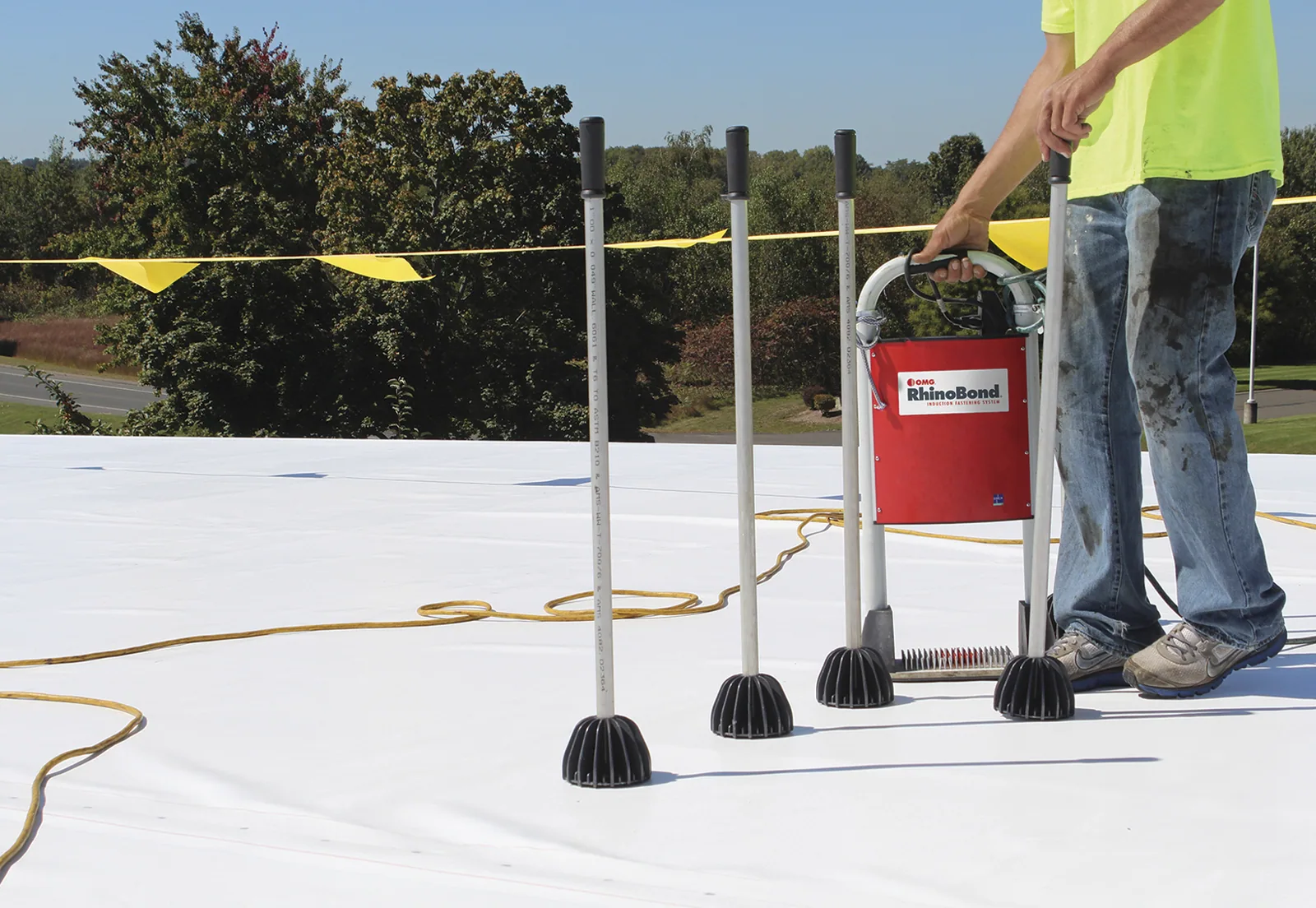

A TPO proposal should explain the assembly beneath the sheet as clearly as the sheet itself. In Santa Clarita, CA, hot summers make surface and energy planning useful, while winter rain tests the details. The owner needs a complete scope that fits the existing building and intended project.
Commercial Roofing Santa Clarita installs and repairs TPO within a defined roofing assembly. We assess accessible conditions and identify the substrate, layers, attachment and detail work proposed. The material family alone does not establish the right roof for every property.
Bring the roof records and your planned alteration. We explain which findings support the scope and which questions require further assessment. You should understand what stays, what changes and how the system meets its project requirements before choosing by price.
A PVC membrane scope needs the selected product and complete assembly review. An EPDM scope changes the seam and flashing procedures. Assess those methods with the building's construction and exposure before selecting an option; a membrane allowance alone does not identify the work required for a finished roof.
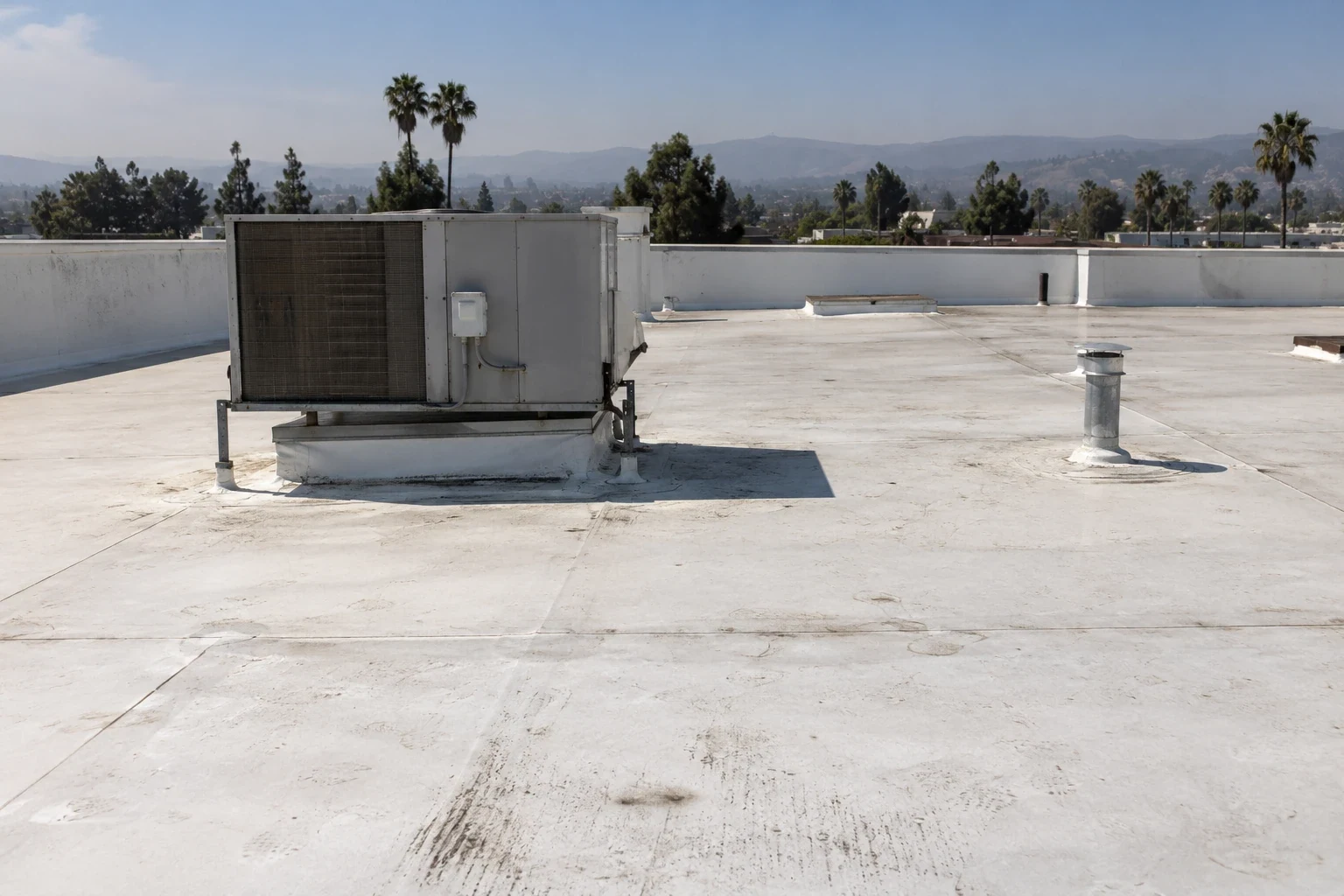
TPO is a thermoplastic single-ply roofing membrane. Its seams can be heat welded using the selected system procedures. The finished roof also includes the substrate, insulation or board arrangement, attachment and flashings. Those parts must be eligible together.
A membrane thickness or color is one specification item. It does not describe preparation, deck work or the complete fire classification. The proposal should identify the selected products and assembly information. That makes bids easier to compare on the work actually being offered.
Insulation and cover board selection needs to fit the system. We coordinate the proposed layers with the existing roof and applicable requirements. Where further design review is needed, that task remains identified in the scope.
We examine the covering, accessible details and available deck information. Condition, attachment and concealed moisture questions affect the construction choice. A bright surface or old installation date does not establish whether the layers are suitable to retain.
A commercial roof inspection documents accessible findings. Authorized samples or other suitable investigation may be needed for concealed concerns. The record should state what was examined and where additional evidence is required.
A recover needs complete eligibility review before TPO is added. Structure, covering limits, drainage, compatibility and attachment remain part of that decision. Replacement can be compared where removal is justified by the findings or project requirements.
The deck, assembly and project requirements establish the attachment approach. Mechanically attached or adhered systems have their own eligible materials and procedures. The proposal should identify the selected method and relevant design information, rather than leave attachment as an unspecified installation choice.
Existing substrate condition may require preparation or further assessment. Fasteners and adhesives need their appropriate supports and application conditions. Qualified review addresses structural questions where required. A surface walk alone cannot establish capacity or suitability of concealed connections.
Keep the accepted assembly information with the construction records. If a product or attachment detail changes, the required review should follow that revision. The final scope must describe the roof being installed, not only the membrane originally priced.
The owner should also know where preparation ends and new installation begins. If existing board or attachment remains, identify the evidence supporting that retention. If it is removed, show the reconstruction and any required substrate checks. This distinction can change the cost and sequence substantially. Keeping it explicit helps a manager compare bids and understand a later revision when removal exposes a condition that was not accessible during the initial inspection.
A welded seam needs suitable preparation and the selected system procedures. Surface condition, equipment settings and workmanship affect the result. Relevant checks of the completed seam belong in the work plan. The membrane family does not make every field weld automatically acceptable.
Walls, curbs and pipes need compatible detail construction. Penetration flashing should account for the actual component and roof height. Equipment work may involve other trades, so the handoff should be defined before the detail is completed.
Outlets and perimeter transitions need the same attention. The scope should show how the sheet joins the adjoining components. If an existing detail is unsuitable, we identify the correction instead of carrying it into the new roof without explanation.
Relevant surface properties need the actual product documentation. Light color alone is not the applicable rating. The project energy review establishes the compliance approach and any relevant exceptions. Other roof components may be involved in that review.
Cool roof planning coordinates the surface and complete assembly. A fixed utility reduction cannot be assigned from the membrane choice alone. Building equipment, insulation and operating conditions contribute to the result.
Santa Clarita publishes current California code information and local amendments. Scope, submission details and jurisdiction establish the applicable basis. Fire classification and property-specific requirements also need project review. Keep required documents with the accepted TPO assembly.
Industrial activity in Valencia Industrial Center makes receiving and equipment access important planning items. We arrange the route with the operator. The actual roof layout determines the work sequence and relevant detail locations.
At Newhall commercial properties, shared entrances and occupied spaces may affect staging. The manager should identify restricted areas and contacts. Any equipment control needs the responsible operator and a planned window.
Summer heat and anticipated rain influence suitable application conditions. The selected system procedures govern the task. Newly exposed findings or changed weather may require a revision, with the reason and authorization recorded for the owner.
Identify the installed membrane and its condition before selecting a repair. An aged, coated or contaminated area may need further evaluation. Compatible preparation and relevant checks matter. The system name alone does not establish that every existing surface can be welded in the same way.
Commercial repair should describe the detail and adjoining materials. Report service damage or water entry promptly. Keep the location photographs and completed-work record with the original assembly information.
Warranty and maintenance terms depend on the applicable documents. Required manufacturer procedures and inspections should be reviewed before alteration. The owner can use those records to coordinate later equipment work and maintain the roof with a clear understanding of what was installed.
For TPO work, identify the installed membrane and its actual condition before planning a weld or tie-in. Surface appearance does not confirm seam quality, attachment or the material underneath. Evaluate separation at the selected area and compare preparation with the applicable product instructions, using trial work when the specification calls for it. Detail height, drain bowls and curb transitions can require different construction than the open field. Keep the repair map, product record and inspection observations together so a later service call can distinguish original material from a subsequent patch.
It is one specification item. The substrate, layers, attachment and details also need definition. Compare complete assemblies and scope assumptions.
Retained materials need an eligibility review for the proposed assembly. Moisture, attachment, structure, drainage and applicable requirements all contribute to that assessment.
The project requirements and responsible qualified review establish the applicable arrangement. The selected system information should be included before construction.
The selected method and surface condition guide the work. Relevant preparation and completed-seam checks should be recorded for the actual repair.
The documents identify required manufacturer procedures and acceptance. Review them before altering the assembly or adding equipment.
Call Commercial Roofing Santa Clarita with the roof records and proposed project. We will assess the assembly and explain the layers, attachment and details needed.
Pages that connect with TPO Roofing for Santa Clarita Valley buildings.
Notifications