
EPDM needs its own repair and installation methods. It should not be treated as a thermoplastic sheet simply because it is another single-ply roof. In Santa Clarita, CA, heat and cooler-season rain make planning useful, but the selected assembly and actual material condition determine the work.
Commercial Roofing Santa Clarita assesses EPDM roofing and develops a compatible scope. We examine accessible seams, details and supporting conditions. The owner receives the proposed material arrangement, attachment and corrections needed before installation.
Bring the roof records and any earlier repair information. Identifying the existing membrane and products helps avoid an unsuitable method. The recommendation should explain what was found and why the selected work fits, with further investigation identified where the assembly remains uncertain.
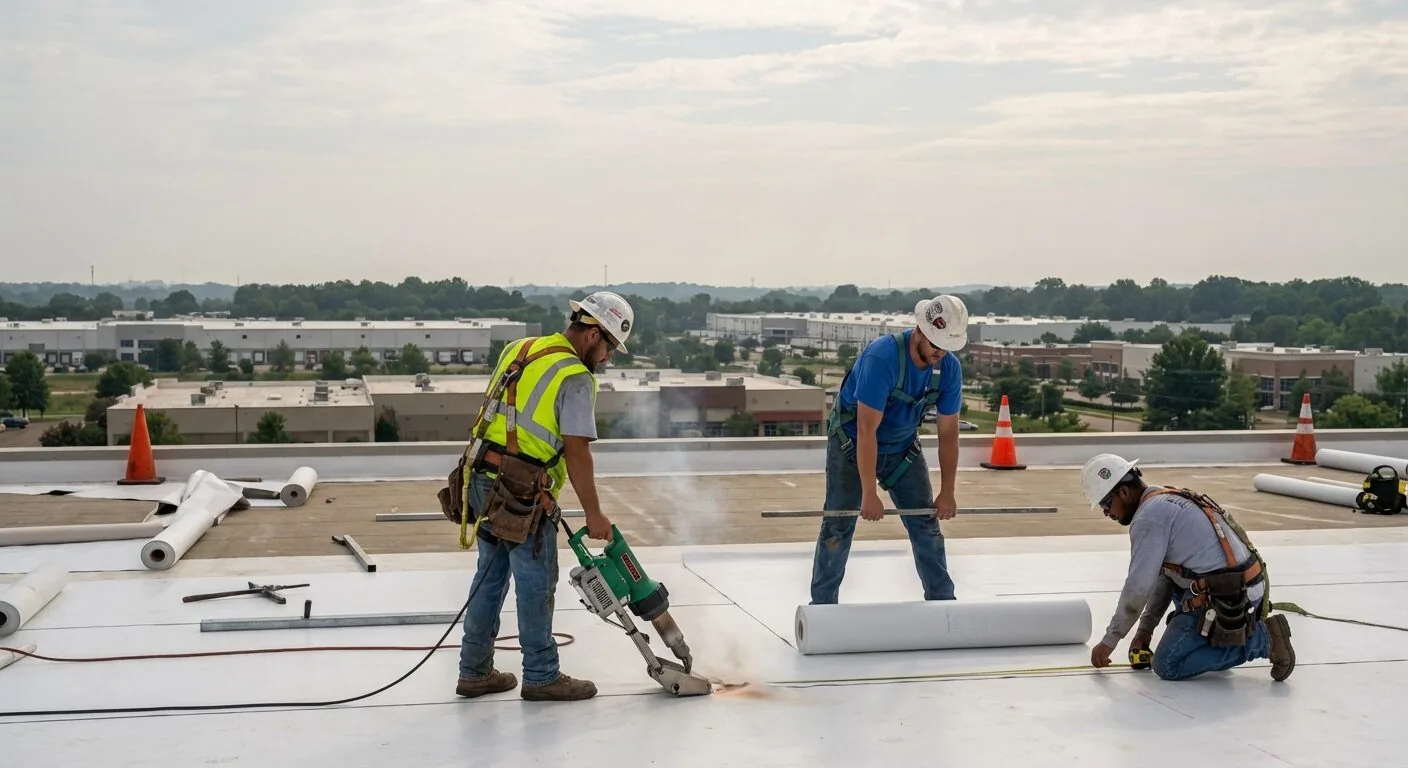
A TPO proposal needs its thermoplastic seam procedure and assembly requirements identified. PVC roofing also has product-specific connection and exposure information. Compare those actual documents with the EPDM method; a common single-ply description does not make the installation or repair components interchangeable.
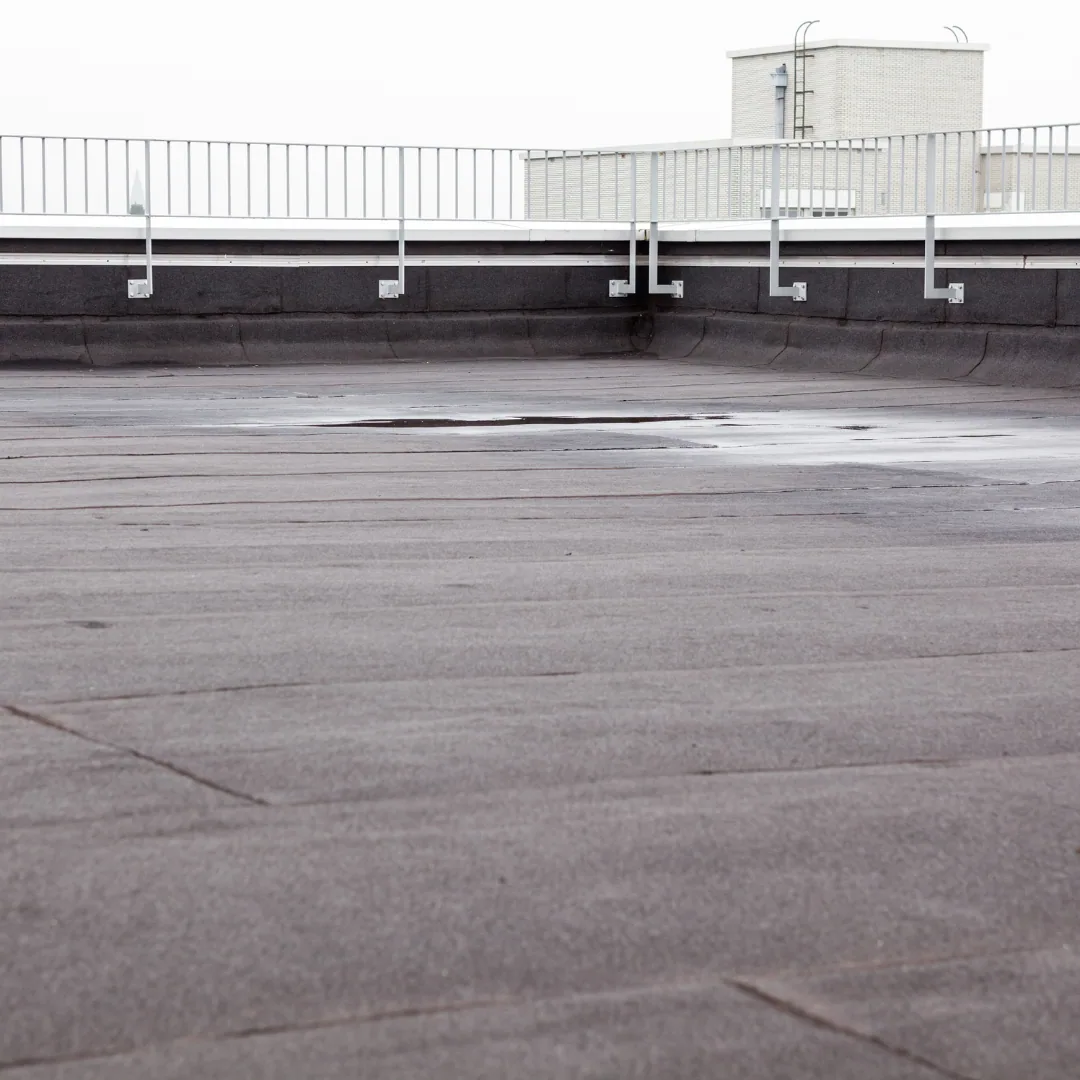
EPDM is a rubber roofing membrane. Its field seams and repairs use system-specific bonding methods and compatible components. The selected product procedures govern preparation and assembly. Applying a thermoplastic heat-welding approach to it is not the same task.
Seam tape, primers and other components need eligibility for the actual system. A repair should identify those materials and the existing surface condition. It is not enough to describe the correction as a patch without explaining its connection to the roof.
The completed roof also includes insulation, board, attachment and details. Insulation and cover board work should be coordinated with the membrane. A product family alone does not establish the full assembly.
Look at the actual project and roof condition. Supporting materials, deck information and accessible details help establish the construction questions. Existing age or color does not settle whether the assembly is suitable to retain.
A roof inspection records accessible observations and limitations. Authorized samples or other suitable investigation may be needed where moisture or concealed deterioration is suspected. The evidence should support the recommendation and identify remaining uncertainty.
A recover needs complete eligibility review. Structure, attachment, covering limits, drainage and compatibility matter alongside moisture condition. If removal is justified, replacement can be compared using a defined reconstruction scope.
The selected assembly and project requirements guide attachment. Adhered, mechanically attached or other eligible arrangements have different substrate and installation needs. The proposal should identify the chosen method and supporting assembly information.
Deck condition can require further assessment. Structural questions belong with the responsible qualified party. We record roofing findings and coordinate relevant access. A surface inspection does not establish that every concealed connection is suitable for the proposed system.
Preparation and new layer installation should be distinct in the estimate. If existing materials remain, identify the evidence supporting their retention. If they are removed, identify reconstruction and required checks. That gives the owner a clearer comparison than a membrane-only price.
We identify the existing material and surface condition. Cleaning, preparation and compatible bonding procedures need to follow the selected system. Aged, coated or contaminated areas may require further evaluation before the repair method is chosen.
Commercial roof repair should locate the detail and describe the compatible correction. Relevant completed-work checks belong in the record. A visible patch alone does not explain the quality or suitability of the underlying connection.
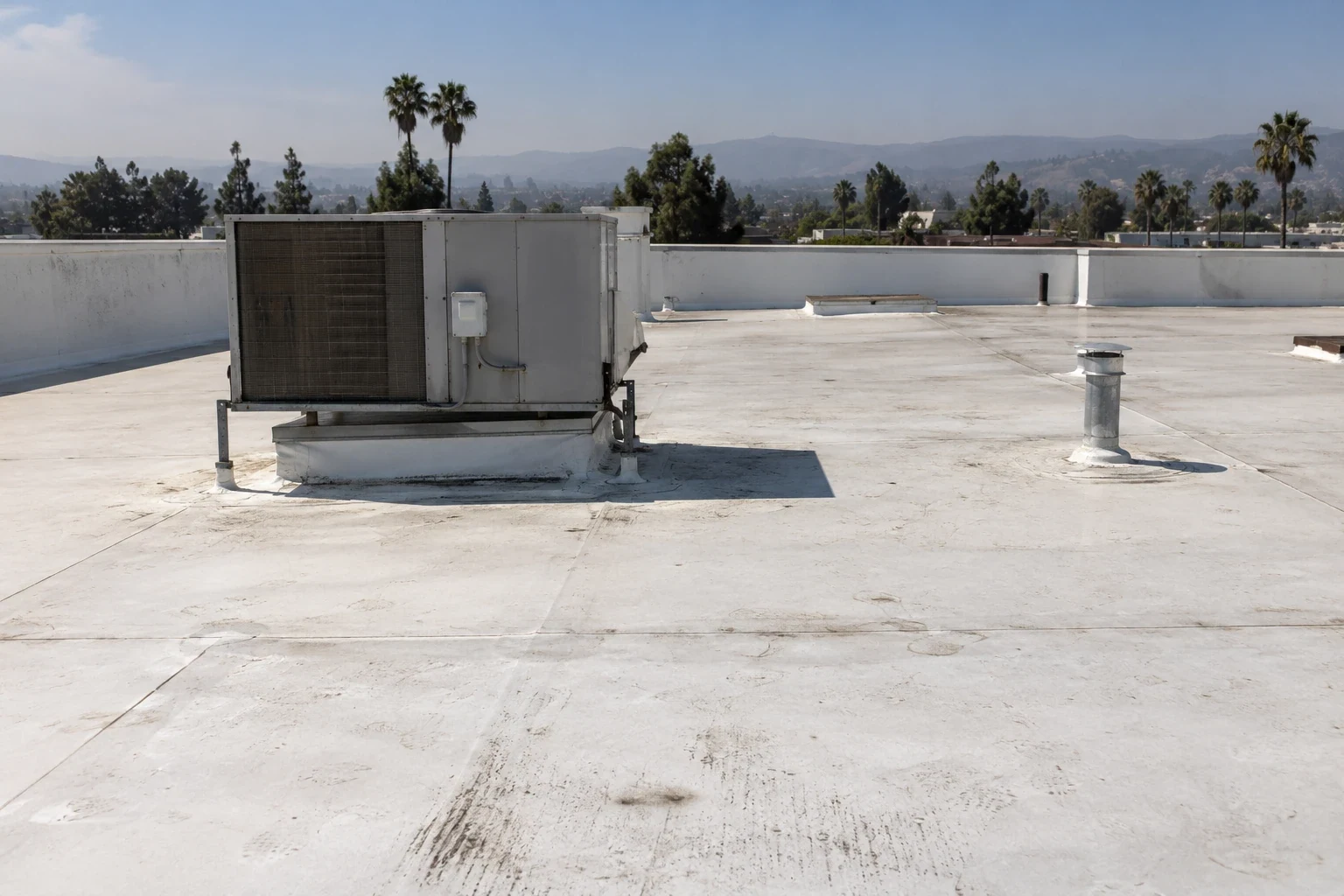
Penetration flashing needs the actual geometry and adjoining components considered. Pipes, curbs and walls can have different detail requirements. Equipment components may also involve another trade. We define that handoff before the roof interface is completed.
The selected product properties and assembly need project assessment. Do not assume every EPDM product has the same surface rating or that color alone establishes compliance. The applicable energy approach and any exceptions should be identified by the responsible project review.
Cool roof planning compares eligible surface and assembly options. The building result also involves insulation, equipment and operations. A fixed utility saving cannot be assigned from the membrane family alone.
Santa Clarita publishes current California codes and local amendments. Jurisdiction, submission details and scope establish the applicable requirements. Fire classification and relevant property provisions concern the complete roof assembly. Keep the accepted information with the construction record.
Added layers can affect outlet transitions and curb exposure. The scope should account for the finished roof height. The water path and adjoining details need coordinated review, rather than assuming a new sheet corrects an existing drainage concern.
Equipment service activity should be planned with the operator. Identify access routes and any task that may alter the roof. Required HVAC or other building-system controls need a coordinated window with the responsible team. Roofing should follow that accepted plan.
Compatible walk or protection arrangements may be relevant to service routes within the selected system. The actual maintenance task and assembly determine the appropriate approach. Keep the accepted detail information available to later service crews so the roof is not altered casually.
Industrial properties in Valencia Commerce Center need receiving and operating contacts for roof work. The park lies northwest of the junction of State Route 126 and Interstate 5. Confirm the material route with the operator before installation.
At commercial buildings in Newhall, shared access and nearby storefronts can affect staging. The manager should identify affected areas and notification needs. The actual roof layout establishes the work sequence.
Temperature, surface moisture and weather forecasts influence suitable application conditions. The selected EPDM procedures govern the method. If new findings or weather change the plan, record the reason and proposed revision for owner authorization.
Keep the selected membrane, compatible component records and accepted assembly together. Photographs should locate the work. Approved changes and completed checks explain what was installed and what may still need review.
Warranty and maintenance requirements need the actual documents. Review manufacturer procedures before repair or alteration. A future manager can then organize service work using the system information, rather than guess at the materials from the roof appearance.
Assign any pending review to a named contact. That helps the owner collect the remaining information and arrange an additional assessment before the proposed assembly is treated as ready for construction.
An EPDM repair depends on a clean, prepared receiving surface and a compatible seam or flashing method. Check existing adhesives, tapes, coatings and aged patches where the new work will join; the visible sheet alone cannot confirm a sound bond. Identify the termination and drainage details in addition to the open membrane area. Product-specific requirements control cleaning, primer and application conditions. Record which edges were lifted or tested, where a tie-in was completed and any adjoining material that remains questionable. That level of documentation makes a later leak review more useful than a broad note that the roof was patched.
Use the compatible EPDM system procedures and components. The rubber membrane needs its own bonding and preparation approach, with relevant checks for the actual repair.
Product documentation and applicable project requirements govern the review. Appearance alone does not establish surface properties or the complete compliance approach.
Examine moisture, material condition, attachment, structure, drainage and compatibility. The proposed assembly also needs applicable covering and project requirements reviewed.
Review support, penetration and service-access interfaces before alteration. The responsible equipment team and roofing scope should have clear handoffs.
The selected membrane and component information helps identify compatible procedures. Locate earlier work and retain relevant approvals with the roof file.
Call Commercial Roofing Santa Clarita with your roof records and project. We will examine the condition and explain the EPDM scope and interfaces needed.
Pages that connect with EPDM Roofing for Santa Clarita Valley buildings.
Notifications