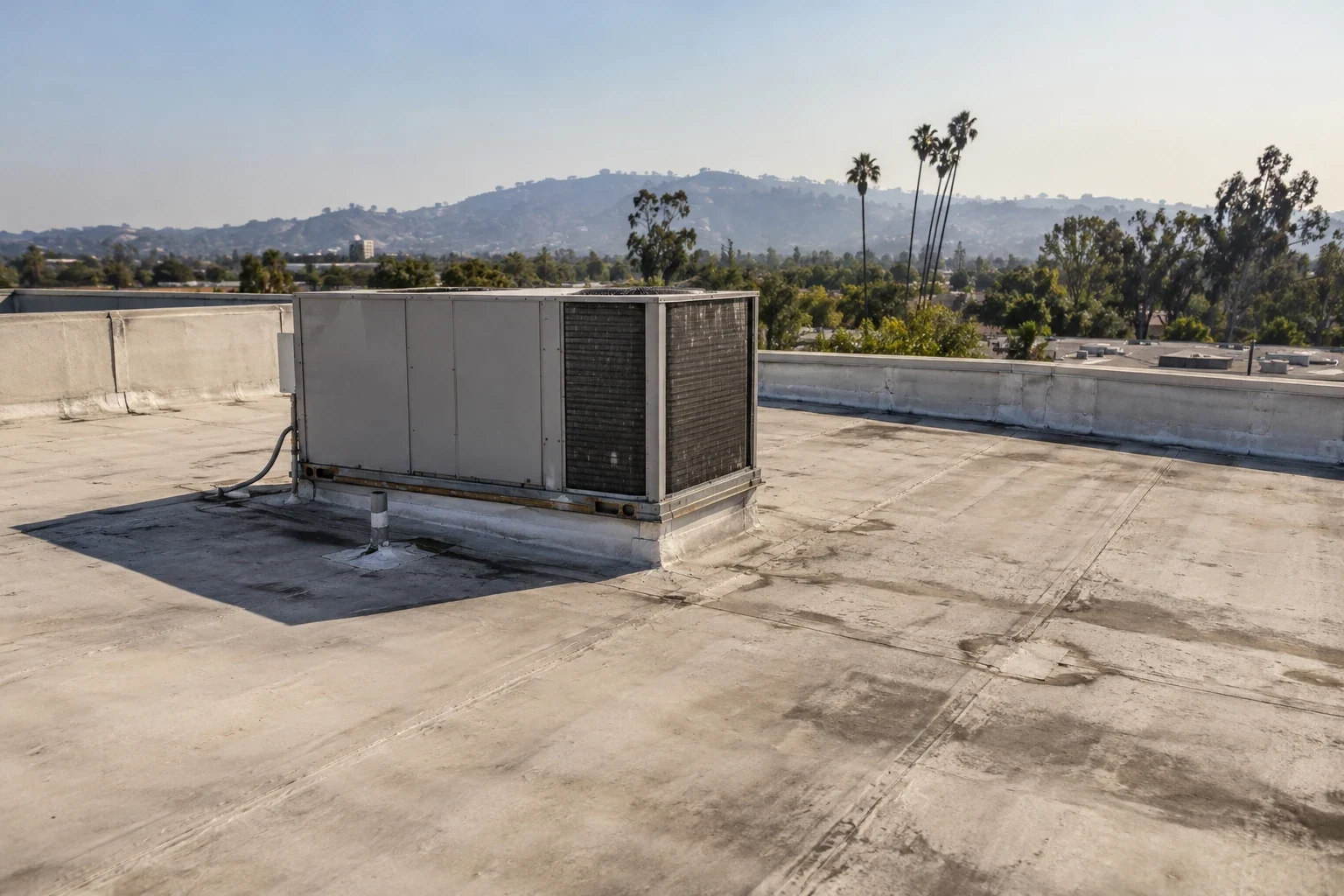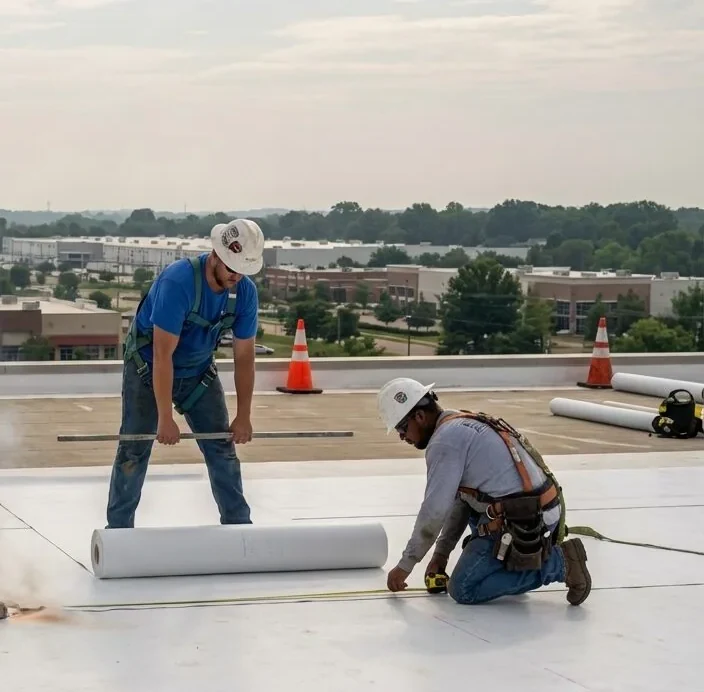

Heat, wind and winter rain ask different things of a roof. A maintenance visit should check the details that matter at your building, then leave a record the next person can use. In Santa Clarita, CA, planning before cooler-season rain gives the owner time to address findings and arrange suitable work.
Commercial Roofing Santa Clarita builds the visit around your roof system, access and operating needs. We examine accessible outlets, flashing, seams and perimeter details. We identify cleaning, corrective work and items that need another assessment. The owner receives a useful list with locations and priorities.
Maintenance is easiest to manage when the records stay together. Keep earlier inspection photographs, repair invoices and warranty documents in the same roof file. They help us recognize a changed condition and understand what has already been attempted.
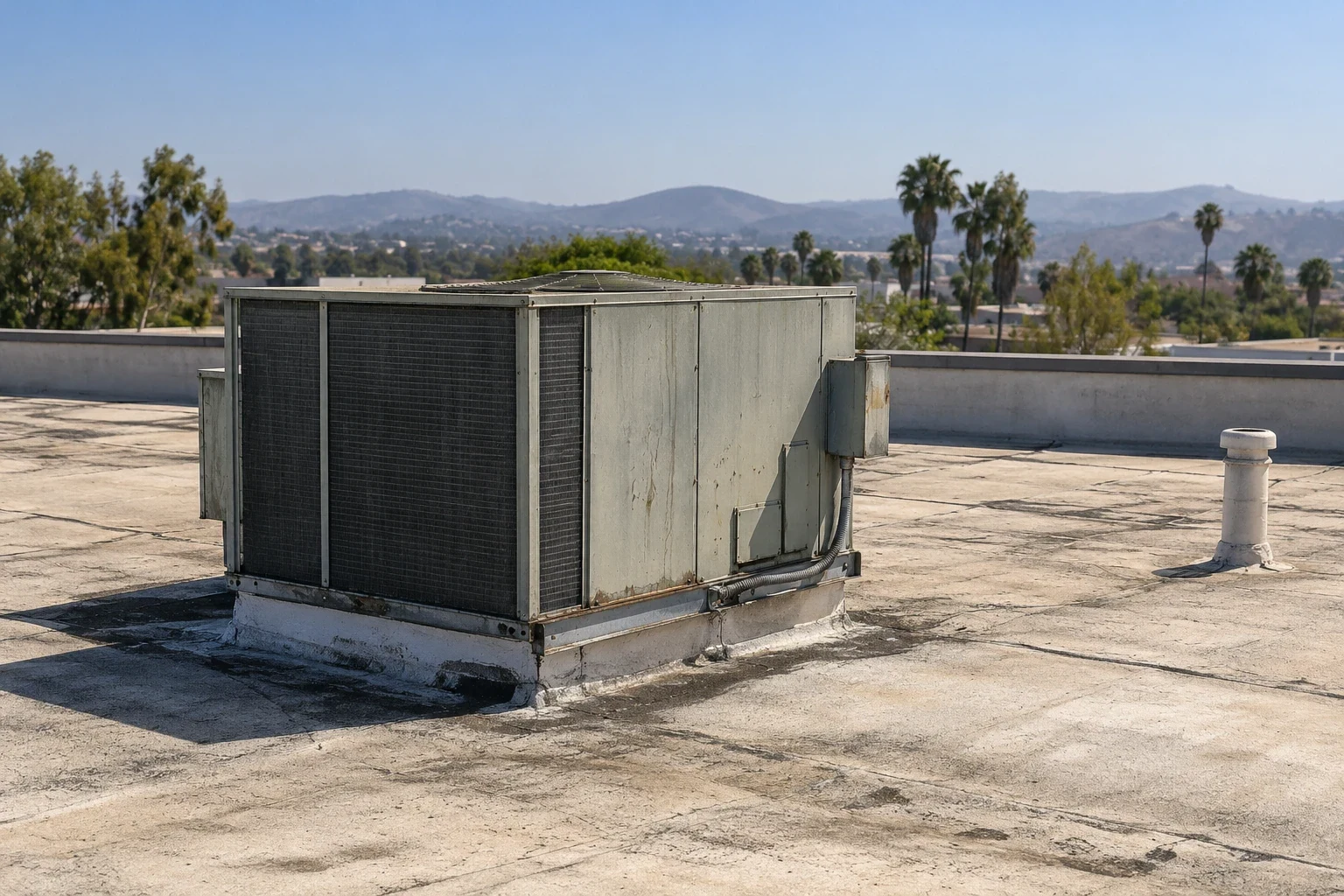
The first visit gives the program a starting point. We identify the roof areas, accessible equipment and outlet locations. The condition record describes what can be examined and any access limits. A plan or simple roof sketch makes later observations easier to compare.
Tell us about recurring water entry and recent service activity. A new penetration, equipment replacement or old repair can change which detail deserves attention. We use those records with the field observations. They guide the work without assuming that every earlier symptom has the same cause.
A commercial roof inspection may establish this baseline. If an unresolved moisture question remains beneath the covering, further investigation belongs in a separate scope. Routine maintenance does not examine every concealed layer.
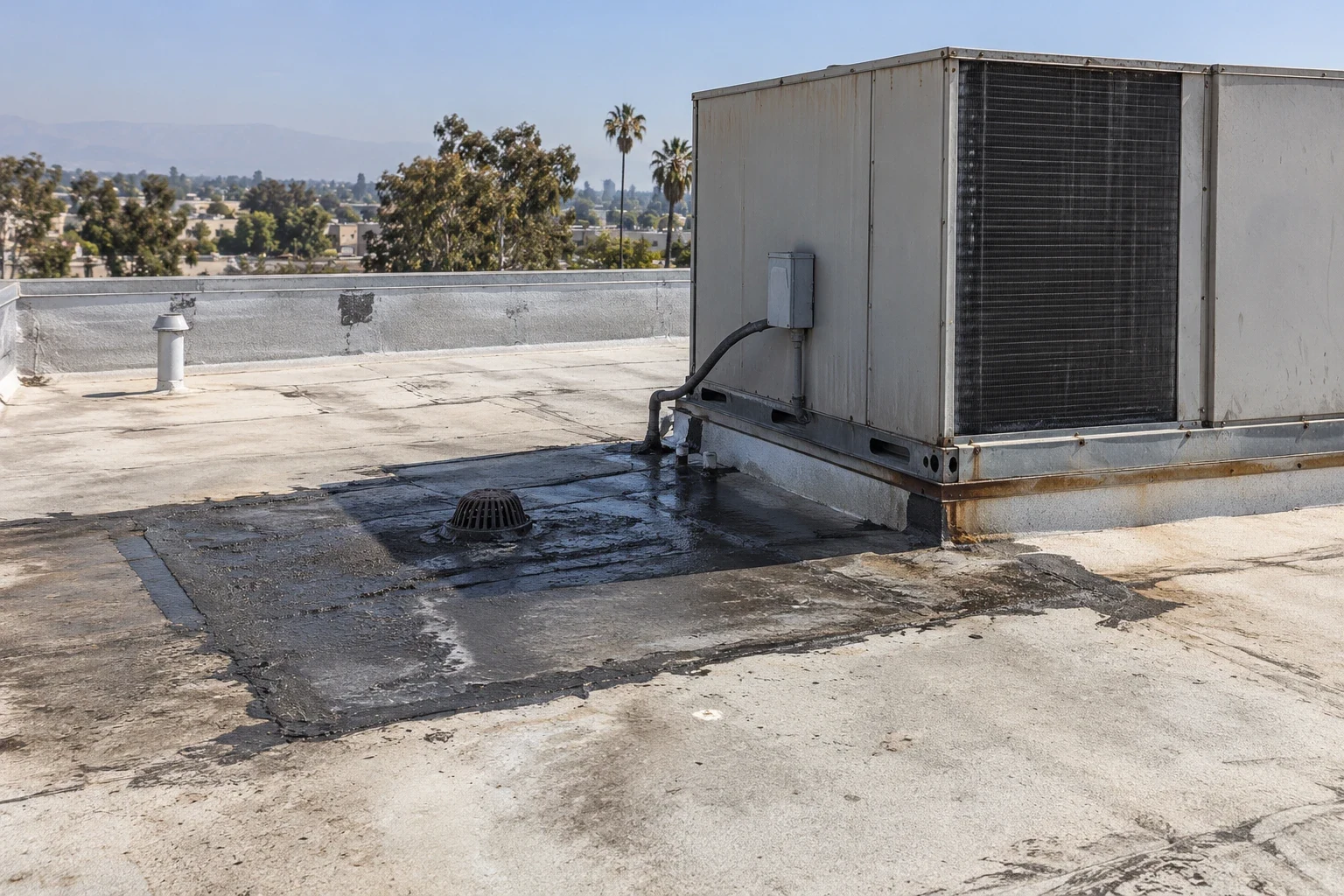
We look at accessible drains, scuppers and their adjoining roof details. Leaves, debris and residue may obstruct a water path. Removal needs a suitable method and a place to put the material. Moving it from one corner to another leaves the owner with the same problem.
The outlet connection and surrounding membrane need attention as well. A clear opening does not establish that concealed piping is sound. If the concern points beyond accessible roofing, we identify the responsible trade or additional assessment. Roof drains and scuppers work separates those tasks.
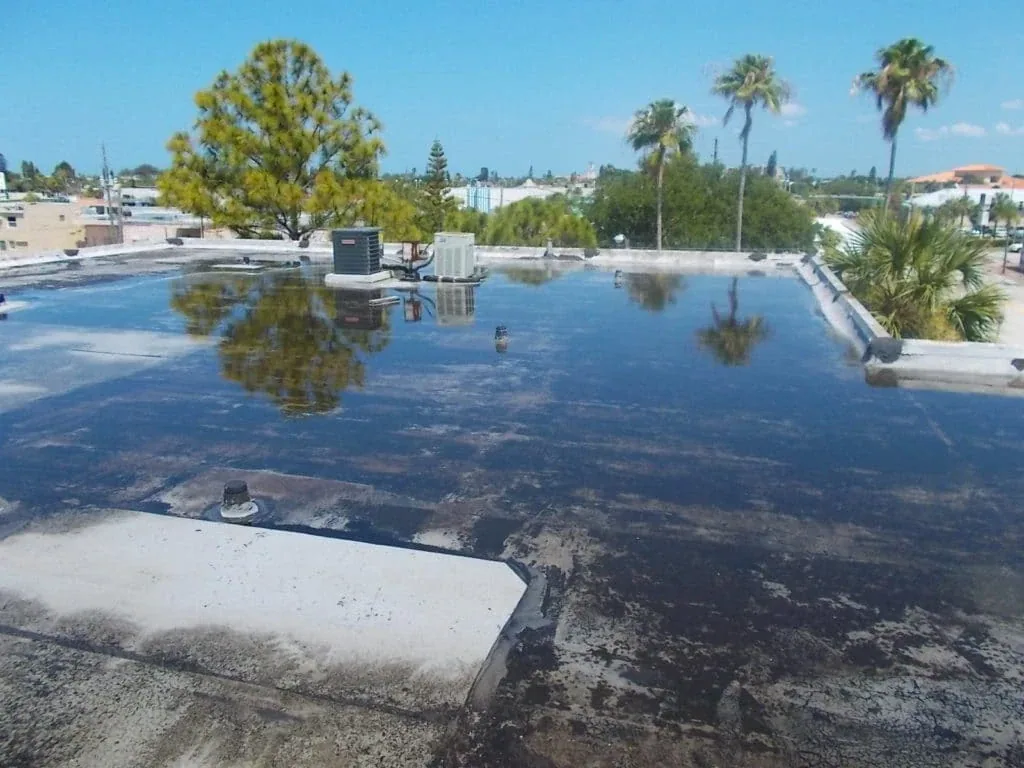
Reported standing water should be located and documented. Cleaning may help where obstruction is the cause. Geometry, outlet arrangement or a damaged connection can require a different correction. The findings should explain which question remains before the owner approves construction.
First we identify the material and detail. An open seam, damaged pipe flashing and loose coping each need a compatible correction. We photograph the condition and explain the proposed work. A visible defect should not become an unidentified smear of sealant.
Some minor corrections can be authorized within the maintenance agreement. The agreement should define those tasks, limits and records. Other findings need a separate estimate. We make that distinction clear so the manager knows which work was performed and which work is still proposed.
Commercial roof repair addresses approved construction. Where water entry is reported, leak investigation may be needed before choosing the correction. Matching the task to the evidence keeps maintenance useful.
The roof condition, system requirements and building exposure help determine frequency. Santa Clarita has hot summers and rainfall concentrated in cooler months. An inspection ahead of winter work is useful because findings may require materials, access or further assessment. The actual visit still needs suitable conditions.
Santa Ana winds add a reason to review reported changes after a significant event. Loose material or an urgent exposure concern may require a separate response. Emergency roof assessment addresses the current conditions, rather than waiting for the next routine visit.
Equipment changes and authorized rooftop work can also prompt a check. Ask the operator to report the date and location. A brief inspection of the affected detail may be more useful than moving the entire annual program without knowing what changed.
Locations are the key. A photograph labeled only as a bad seam is difficult to use on a large roof. We tie observations to a plan, roof area or recognizable detail. The record states the observed condition and the recommended action.
Distinguish completed work from pending work. The owner should see what was cleaned or repaired during the visit and what still needs approval. Any investigation limits belong with the finding. That prevents a later reader from assuming an inaccessible area was checked.
Roof condition reports can connect maintenance observations with a wider capital plan. Compare records over time and ask what changed. The program becomes a way to track decisions instead of a folder of unrelated pictures.
At Valencia Industrial Center properties, industrial activity makes access to roof equipment and production coordination useful planning questions. We establish the route with the operator. Identify exhaust, restricted areas and the person responsible for equipment controls.
Commercial activity along McBean Parkway brings another set of operating contacts. Where several tenants share a building, the manager should identify who authorizes access and who receives the findings. A maintenance visit should fit that arrangement before anyone starts moving material.
Keep fire and HVAC controls under the responsible operating team. Roof work must account for them, and any required control window needs coordination. We plan the visit around actual systems and building rules. A neighborhood description cannot replace that on-site preparation.
For storefront work in Newhall, confirm shared entrances and staging with the manager. Old Town commercial uses can bring several operating contacts into a single visit. Knowing who authorizes access helps the findings reach the person who can act on them.
Look for the decision the findings require. A localized defect may need compatible repair. A repeated unresolved symptom may need investigation. Wider deterioration can justify comparing a larger construction scope. The number of visits or patches alone does not determine the answer.
We explain which materials and details support the recommendation. If retention or replacement is under consideration, suitable assembly checks and project requirements must follow. Maintenance records help that review by showing what was observed and corrected over time.
The owner can then budget with a clearer view of pending work. Keep the urgent items separate from planned work and monitoring. A useful maintenance program makes the next decision easier to understand, while leaving room for new evidence when the roof is opened.
Set maintenance tasks and review timing from the roof condition, drainage behavior, material requirements and documented repair history rather than an assumed universal interval. A useful log identifies the area inspected, debris or defects addressed, photos taken and any condition deferred for a separate work order. Keep routine cleaning distinct from repair authorization, especially where a detail requires compatible materials or further investigation. Review recurring findings with facilities staff so a repeated leak or deteriorating transition can move into capital planning when maintenance no longer addresses the cause. The agreement should state included visits, limits and reporting expectations.
The written scope defines included tasks and authorization limits. Other findings receive a separate recommendation or estimate. The visit record distinguishes completed and proposed work.
Roof plans, earlier findings, repair history and warranty documents help. Include reported water locations and recent equipment work so the visit can focus on relevant details.
We coordinate access and affected areas with the operator. The task and actual conditions determine controls. Any restricted space or equipment window should be identified before the visit.
We review relevant maintenance and alteration requirements in the applicable documents. Manufacturer procedures and required records depend on the coverage for this roof.
We locate the observation and explain its priority. Urgent exposure, further investigation and planned repair need different next actions. The manager receives that distinction in the record.
Call Commercial Roofing Santa Clarita with the building records and operating contact. We will establish useful maintenance checks and explain the work they reveal.
Pages that connect with Preventive Roof Maintenance for Santa Clarita Valley buildings.
Notifications