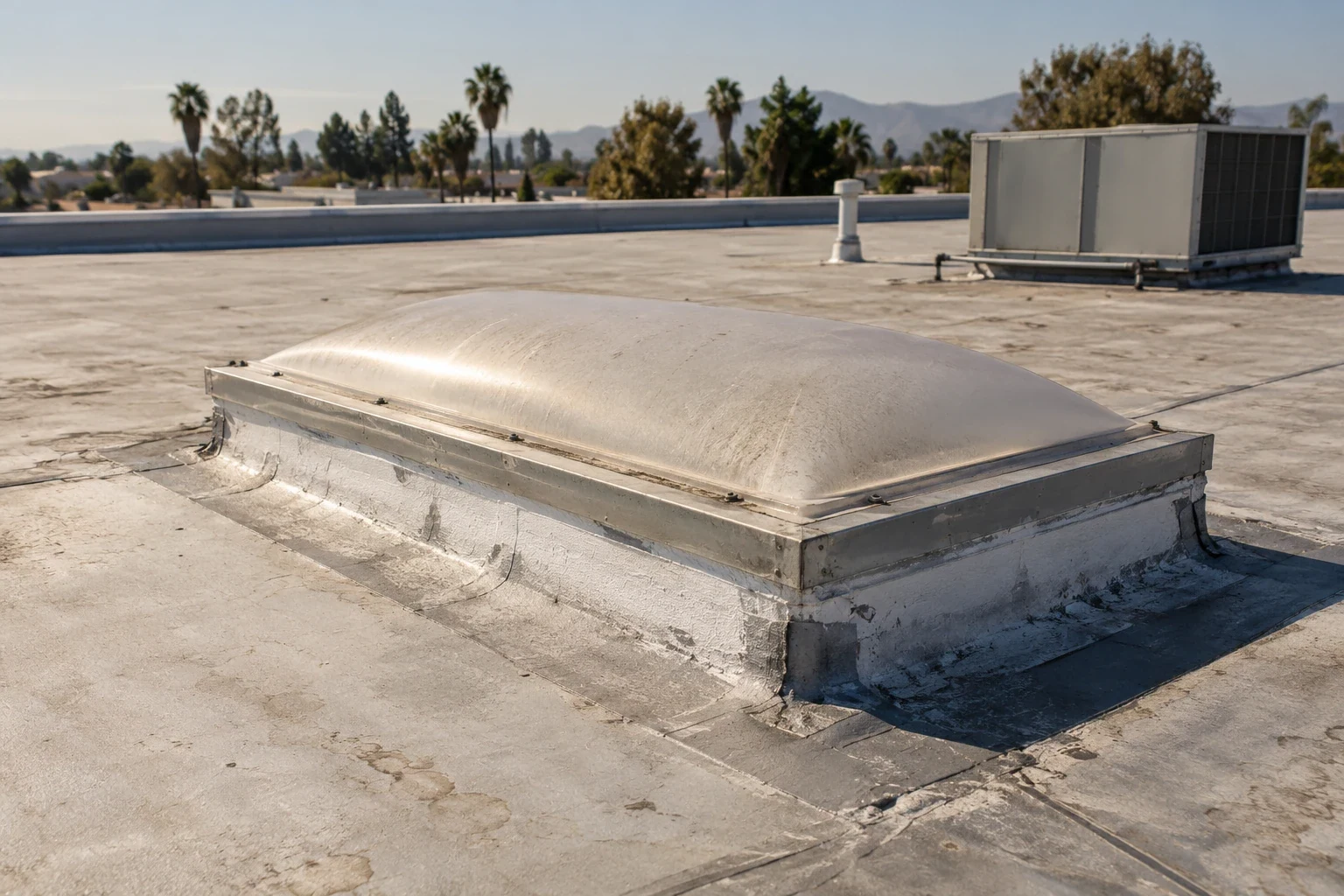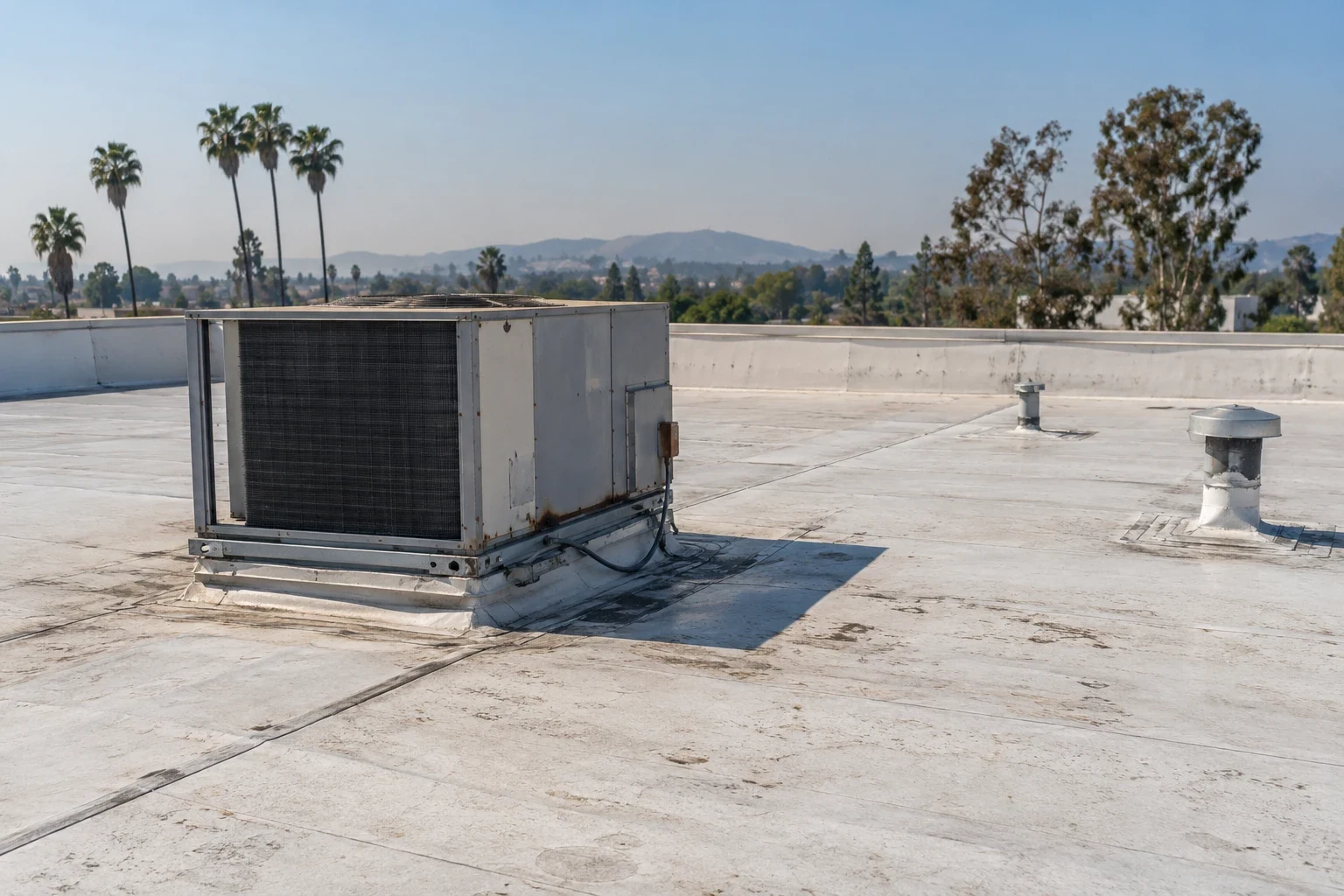

Rooftop exhaust and service activity can change the questions you ask about a membrane. Identify what reaches the roof before assuming a product family can handle it. Santa Clarita, CA has commercial and industrial buildings with different operating conditions. A PVC proposal should fit the actual exposure and assembly.
Commercial Roofing Santa Clarita installs and repairs PVC roofing within a defined scope. We examine accessible roof conditions and coordinate product-specific requirements. Substrate preparation, attachment and details need the same clarity as the membrane selection.
Tell us about equipment, discharge and earlier repairs. Bring available roof records and the proposed project. We explain what is supported by the inspection and which material or operating questions need further review before the roof specification is settled.
Review KEE-identified products by their exact material and exposure information when offered beside PVC. An EPDM roof option needs another compatible seam procedure. Keep each product's supporting assembly and detail scope visible so the proposed comparison does not depend on a broad membrane-family claim.
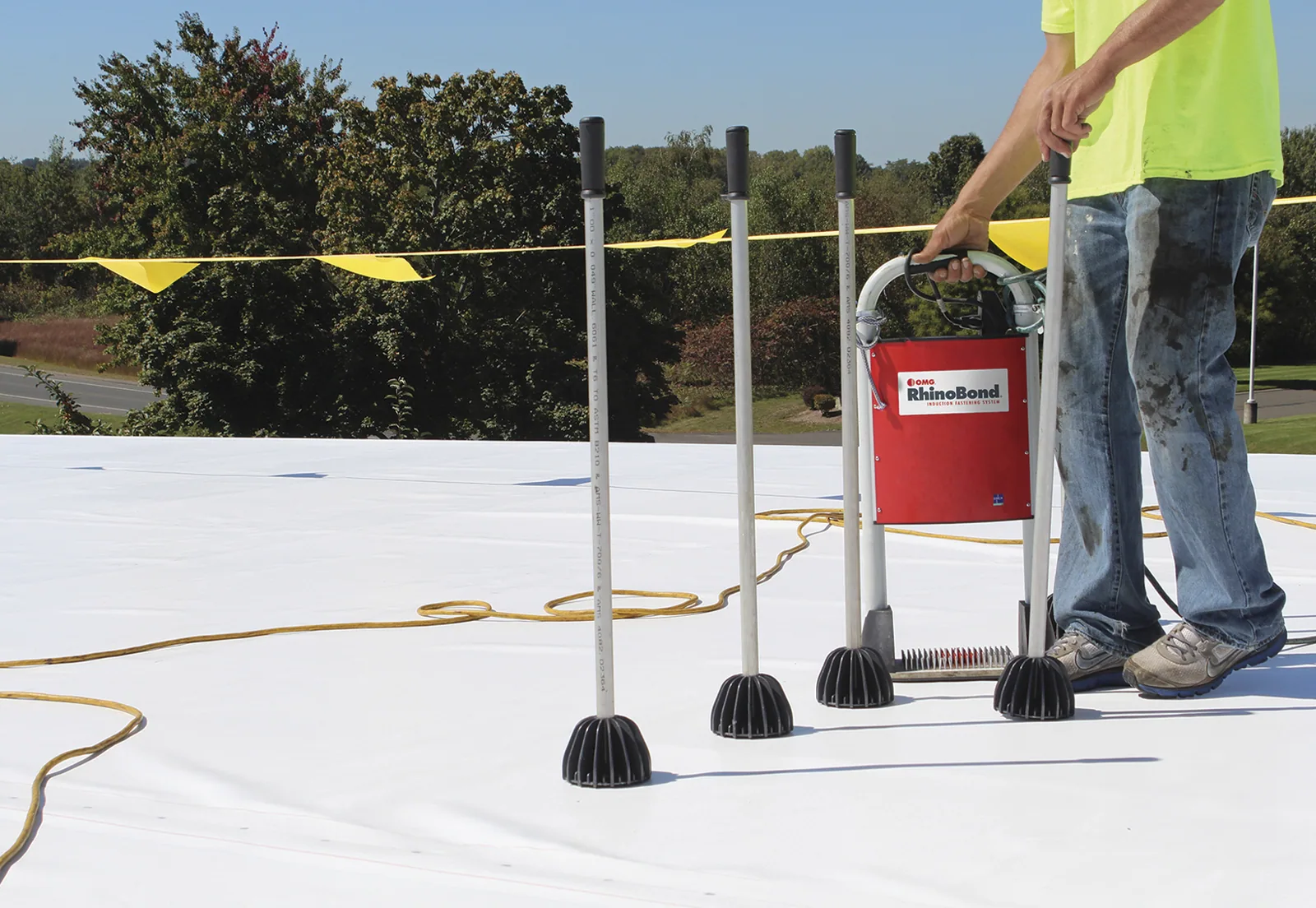
PVC is a thermoplastic single-ply roofing membrane. Suitable seams can be heat welded using the selected product procedures. The roof system also includes supporting layers, attachment and details. Those components need to be eligible together.
Different PVC products can have different reinforcement, formulations and installation requirements. The proposed product should be identified in the scope. A broad material label does not establish every property or warranty condition relevant to the project.
Insulation and cover board work defines the layers beneath the sheet. We coordinate those materials with the proposed membrane and deck. The owner should see how preparation, retention and new installation fit together.
Identify the material and the way it reaches the roof. Food-service exhaust, equipment discharge and industrial exposure can involve different substances and conditions. The selected membrane and adjoining materials need a product-specific compatibility review for that actual exposure.
Do not treat PVC as universally resistant to every grease, solvent or chemical. Manufacturer information and project acceptance should address the relevant material. Temperature, concentration and contact conditions may affect the question. The operator should supply reliable equipment or process information.
Containment and cleaning may involve responsible equipment or environmental parties. Roofing should be coordinated with that work. If the source remains unmanaged, another roof finish alone may not answer the exposure concern. We identify the interface and required review before the system is chosen.
A recover requires eligibility review for the complete proposed assembly. Condition, moisture, structure, attachment and covering limits contribute. Materials that are incompatible with the selected membrane may require an approved separation or removal approach.
A roof inspection establishes accessible findings. Suitable investigation may be needed for concealed layers. Samples record condition at examined locations, while other evidence helps evaluate the proposed retained area. The report identifies remaining uncertainty.
If removal is needed, replacement should have a defined reconstruction scope. We explain the supporting findings and any project requirements that affect the choice. The owner can then compare complete work rather than assume retention is viable from a dry-looking surface.
The selected assembly needs a suitable substrate and attachment path. Mechanical and adhered approaches have their own requirements. Deck condition, preparation and applicable design information should be reviewed before construction. A material change on top does not settle a concealed connection concern.
Qualified assessment addresses structural questions where needed. We record accessible roofing findings and coordinate relevant investigation. The proposal identifies the selected attachment and the supporting assembly information.
Product or detail substitutions need the appropriate review. Keep accepted revisions with the construction file. The crew should install the current accepted scope, and the final record should identify materials actually used. That helps a future manager assess repairs without guessing at the original assembly.
Surface condition and the selected procedures guide welded seams. Preparation, equipment and relevant seam checks belong in the work plan. An aged or contaminated area may need further evaluation before repair. The PVC label does not establish that every surface will respond the same way.
Penetration flashing connects the membrane with curbs, pipes and other components. The detail should account for the actual geometry and materials. Equipment weather seals and roofing flashing may have different responsible parties.
Outlets and perimeter details need the same coordinated scope. Drain and scupper work should preserve the intended water path through the new roof. Added thickness or changed layers can require detail modifications that need to be identified before installation.
Use the actual product documentation for relevant surface properties. Light color alone does not establish eligibility under the project requirements. The energy review identifies the applicable approach and exceptions. Other assembly components may be involved.
Cool roof planning connects the finish with the complete roof. Fixed energy savings cannot be assigned from the membrane family alone. Equipment, insulation and operating conditions contribute to the building result.
Santa Clarita publishes adopted California codes and local amendments. Jurisdiction, scope and submission details establish the applicable basis. Fire classification and property-specific provisions need review for the complete assembly, with relevant documents retained before construction.
At Rye Canyon Business Park, industrial operations make equipment information and access contacts useful. The park is between Valencia Industrial Center and Southern California Innovation Park. The actual building and exposure establish the material questions.
Commercial properties in Newhall may involve neighboring storefronts and shared staging. We coordinate deliveries and affected areas with the manager. Identify any equipment controls needed for the roofing task and arrange them with the responsible operator.
Weather and application conditions determine suitable windows. Summer heat and winter rain in the valley inform planning, while the selected product procedures govern the work. Keep changed findings and authorizations with the scope as construction develops.
Keep the selected product, accepted assembly and completed-check records together. Locate repaired or altered details with photographs. Relevant chemical compatibility information should remain available to the operating team when equipment or processes change.
Warranty and maintenance terms need document-specific review. The owner should retain required manufacturer procedures and inspection information. When later service work is proposed, share those requirements with the responsible team before the roof is altered.
Named contacts help the manager organize those reviews before the next equipment change.
PVC selection should account for the actual exposure around the roof, including equipment discharge or process materials where present. Do not infer chemical suitability from the membrane family name; identify the product and check its published limitations against site information. Examine seams, penetrations and transitions for compatible preparation before welding. Where earlier repairs or coatings obscure the surface, record that uncertainty and verify a small area before expanding the method. A useful closeout identifies the exact product used and the areas treated, giving future maintenance staff a basis for evaluating a new exposure or repair.
Compatibility needs the actual product and exposure information. Review the substance and contact conditions with the responsible manufacturer and operating parties.
The proposed assembly needs eligibility and compatibility review. Any approved separation, preparation or removal must be defined before installation.
The complete assembly and project requirements guide the choice. Applicable design information and accepted details should be recorded before construction.
Surface condition, preparation and selected procedures matter. Relevant checks should support the completed repair, especially where material is aged or contaminated.
Review any new exposure or equipment alteration against the installed assembly. Keep the roofing requirements available to the responsible service team.
Call Commercial Roofing Santa Clarita with the equipment information and roof records. We will assess the assembly and identify the product-specific review needed.
Pages that connect with PVC Roofing for Santa Clarita Valley buildings.
Notifications