
The useful roof report for a property manager answers three practical questions: where is the concern, what needs doing and who must approve it? Santa Clarita, CA has hot summers and cooler-season rain. Planning ahead of winter work gives the manager time to connect those findings with tenant access and owner budgets.
Commercial Roofing Santa Clarita works from the actual building condition and your management arrangements. We identify accessible roofing findings, proposed corrections and items needing further investigation. The scope should give the manager a clear next action rather than another unexplained photograph.
Bring the roof file, reported water locations and current site contacts. A manager overseeing several buildings needs consistent location references and a defined authorization route. We establish those basics before the visit so the record can be used after the roofer leaves.
Record the room, time and observation in plain language. A drip, stain or loose exterior component each needs its own description. Photographs can help when taken safely. The symptom locates the concern without proving the roofing source.
Leak investigation compares the report with the actual roof. Earlier repairs and equipment activity can guide the examination. Tell us what changed rather than assume the last patch failed for the same reason.
Identify the person authorized to provide access to affected rooms. The tenant and roof team may have different schedules. We coordinate the inspection route and explain any additional access needed before the manager promises a specific repair to the occupant.
Each item needs a location, observation and proposed action. Immediate exposure, planned repair and monitoring should be distinguished. If further investigation is needed, the record should identify its purpose. That makes the list easier to review with the owner.
A roof inspection establishes accessible findings and limits. Unexamined areas remain identified. The manager should know which part of the roof file is current and where another assessment is required.
Condition reports can connect those items with a wider plan. A building or roof-area identifier helps keep photographs organized. When the next manager takes over, that record can still explain what was observed and what remains pending.
Establish the owner approval route before construction. The scope should identify the location, method and included work. If maintenance allows minor corrections within a defined limit, document that arrangement. Other findings need a separate proposal.
Commercial roof repair records the compatible work performed. Known quantities and concealed questions should be clear. If opening the assembly reveals more, photograph the finding and explain the revised scope for authorization.
Keep completed work distinct from recommendations. A tenant may hear that a roof visit occurred and assume every concern was corrected. The manager needs a record showing the task completed, any remaining issue and the next assessment or approval required.
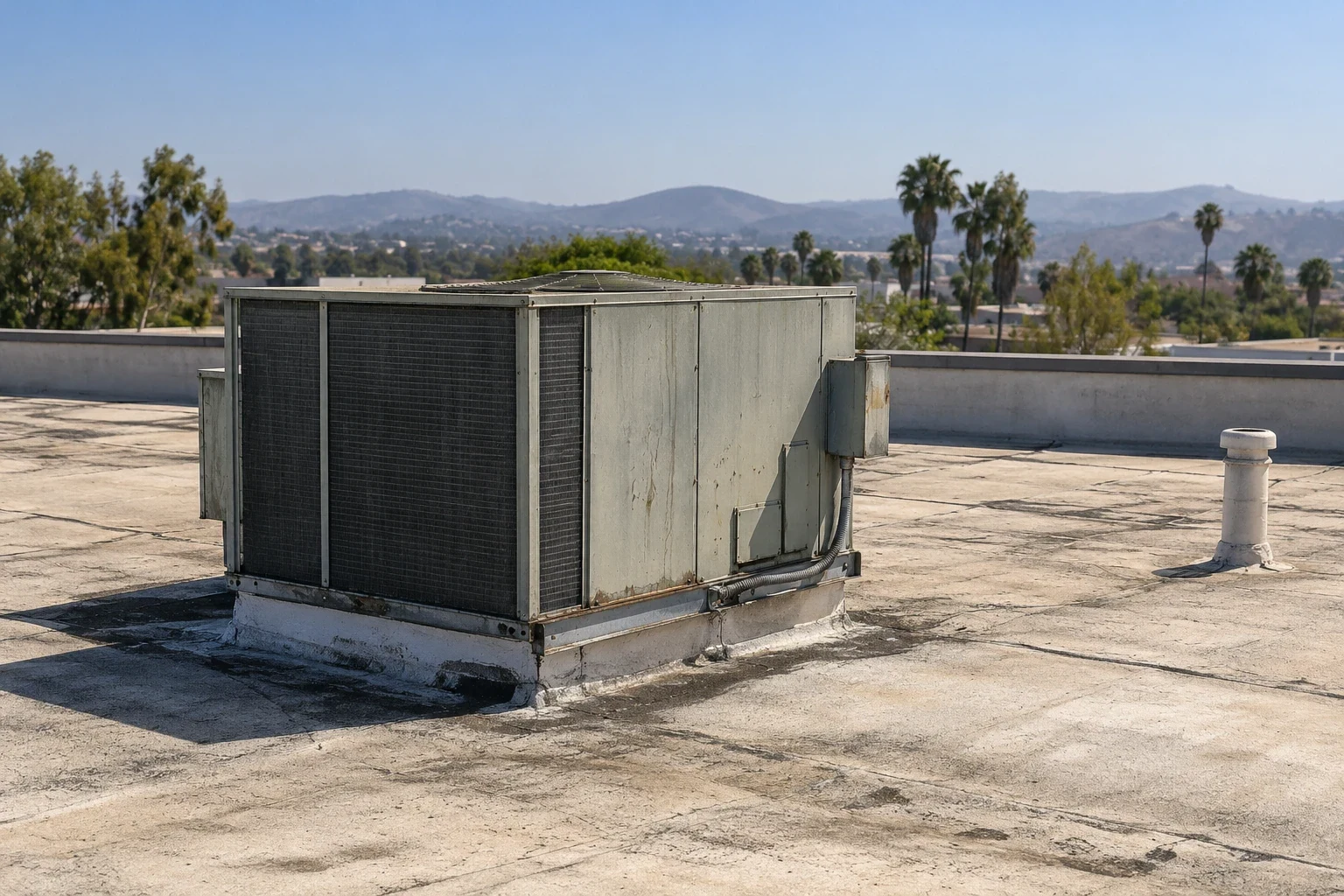
Identify receiving routes, shared entries and spaces affected by the proposed work. The manager should confirm who needs notification. Roofing tasks must fit actual operating requirements, including any equipment control arranged with the responsible team.
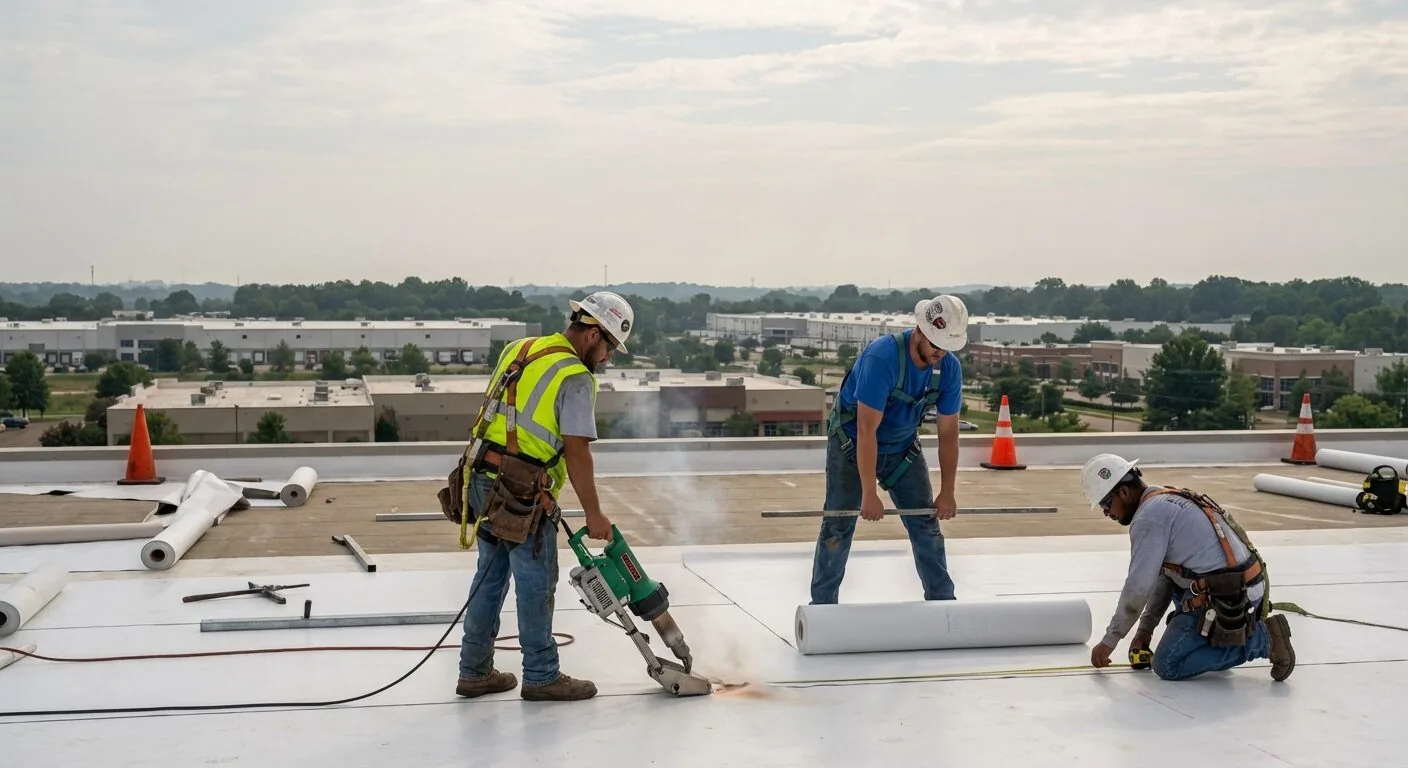
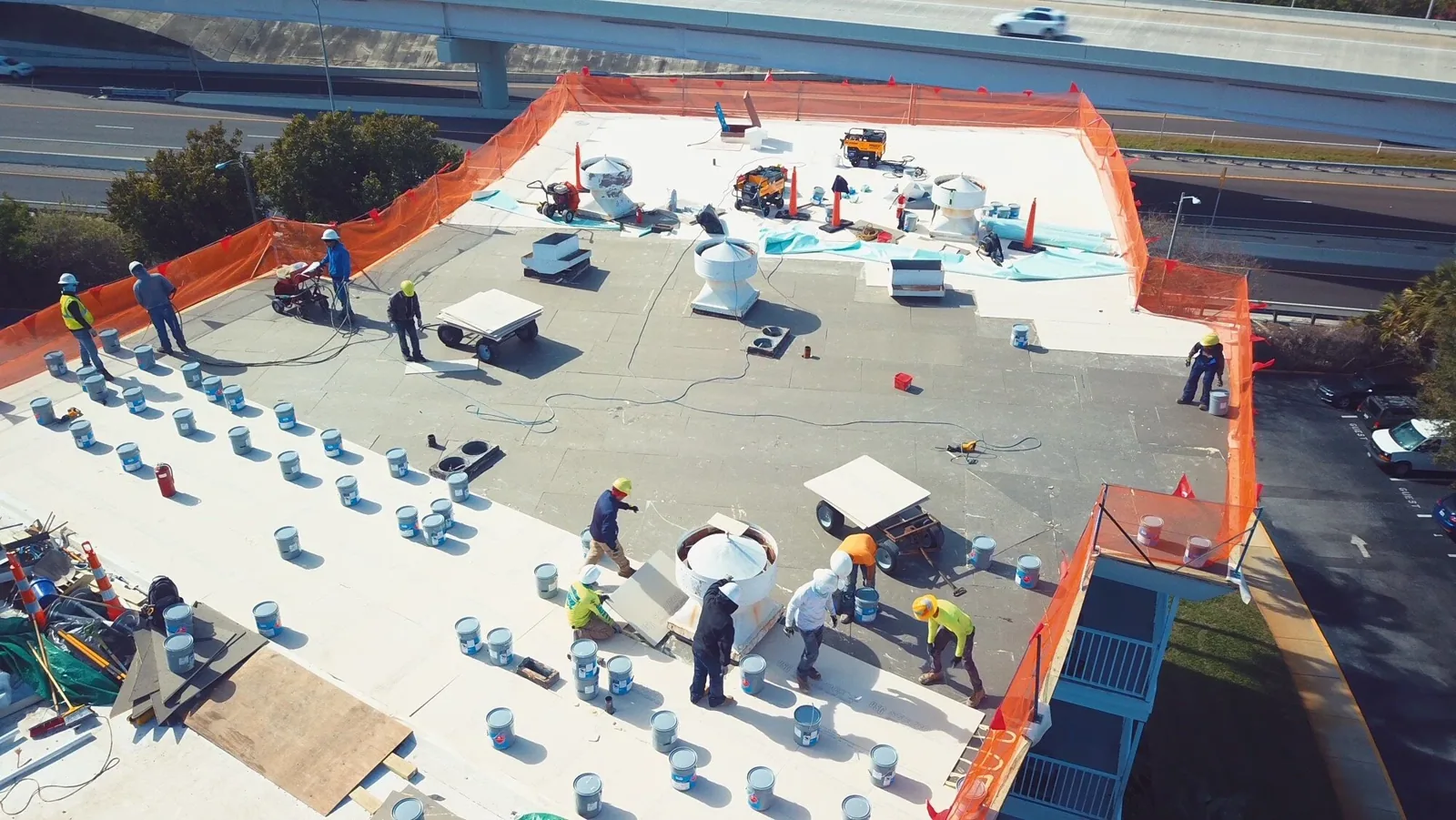
Occupied-building roof work develops the construction plan for a larger project. Phases should account for access, removal, protective work and detail reconstruction. The roof layout and conditions determine that sequence.
Keep the communication route simple. Use a named contact for questions and changed findings. The owner and tenants need located information about the proposed activity, rather than competing accounts of where the crew will work next.
Use the actual roof condition, system requirements and relevant exposure. Santa Clarita’s cooler-season rainfall makes an earlier inspection useful. Findings may need materials, design or another assessment before construction. The schedule should allow for that work.
Preventive maintenance can organize outlet checks and detail observations. Cleaning and construction need separate records. The agreement should identify included tasks and the process for proposed repairs.
Reported changes after wind or equipment service may need an additional visit. The manager should retain dates and locations with the roof file. That information helps compare new observations with the baseline, without assuming the calendar alone establishes roof condition.
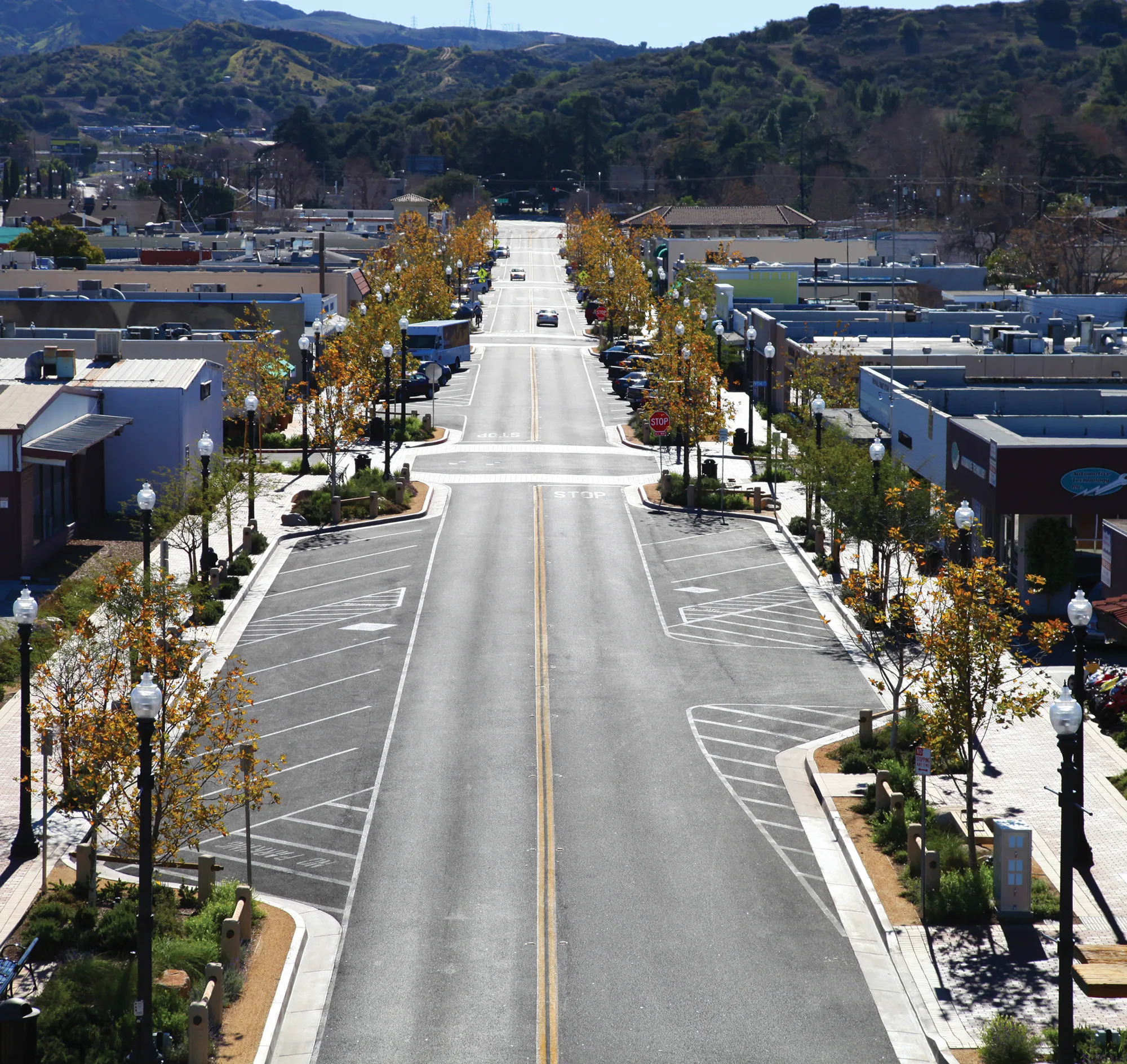
Old Town Newhall includes shops, restaurants and other commercial activity. Shared storefront access can influence staging and inspection times. Confirm the relevant tenant contacts for the building before the roof visit.
Valencia has retail, office and industrial uses. Equipment contacts and receiving arrangements vary by property. We use the actual operator instructions and roof layout to plan access, rather than assign one schedule to the whole area.
Summer heat and Santa Ana winds affect suitable work conditions. They are useful planning considerations, while the examined assembly establishes the correction. The manager receives that distinction through a located finding and a proposed task.
Wider deterioration or repeated unresolved symptoms can justify evaluating another scope. The report should explain which materials and details support that review. Roof age or patch count alone does not establish a replacement decision.
Retention, replacement and restoration options have different eligibility checks. The owner needs complete scope assumptions and applicable project requirements. The manager can then compare current repair needs with a planned capital task using clearer information.
Warranty and code questions need the actual documents and project basis. Santa Clarita publishes current code information and local amendments. Confirm jurisdiction, submission details and scope. Keep the relevant reviews with the estimate so pending approvals do not disappear within a budget discussion.
Keep roof plans, findings, work orders and located photographs together. Mark completed, pending and monitoring items clearly. The record should identify responsible contacts and relevant manufacturer procedures.
Roof asset management connects those files across buildings. Use consistent identifiers and retain the evidence behind each recommendation. A manager can then act on the next concern with a useful starting point instead of reconstructing the entire history from tenant calls.
Retain the accepted scope beside the final invoice. That connection helps a new manager understand the quantities and tasks without relying on an old verbal explanation.
Provide investment reviewers with the condition supporting an unapproved expense. When general contractors request roofing prices for related alterations, supply the receiving detail and operating provisions. Clear scope boundaries help management distinguish the current repair from the wider building project.
A manager needs a record that connects a roof finding to the right property, building contact and work authorization. Use the same basic fields across a portfolio, but keep photos, assembly notes and repair boundaries specific to each site. Separate tenant-reported symptoms from conditions confirmed during inspection, and state what remains inaccessible or unpriced. When a repair competes with a capital option, compare the evidence, expected work boundary and unresolved assumptions side by side. This helps the manager explain the recommendation to ownership without presenting an estimate as an approved project.
The room, time, observation and safe photographs help locate the concern. Include recent equipment activity and earlier repair information when available.
The agreement can define authorized tasks and limits. Keep that arrangement clear, and distinguish completed work from findings requiring another owner decision.
Identify the location, work completed and remaining concern. A clear next action helps the manager communicate accurately with the owner and affected tenants.
The responsible operator and qualified team arrange required controls. Roofing access and scheduling should fit that confirmed plan.
Use consistent property and roof-area identifiers. Keep located findings, approvals and completion records within each file, with pending items assigned to a contact.
Call Commercial Roofing Santa Clarita with your building list and roof records. We will assess the concerns and provide located findings and a defined next action.
Pages that connect with Property Managers for Santa Clarita Valley buildings.
Notifications