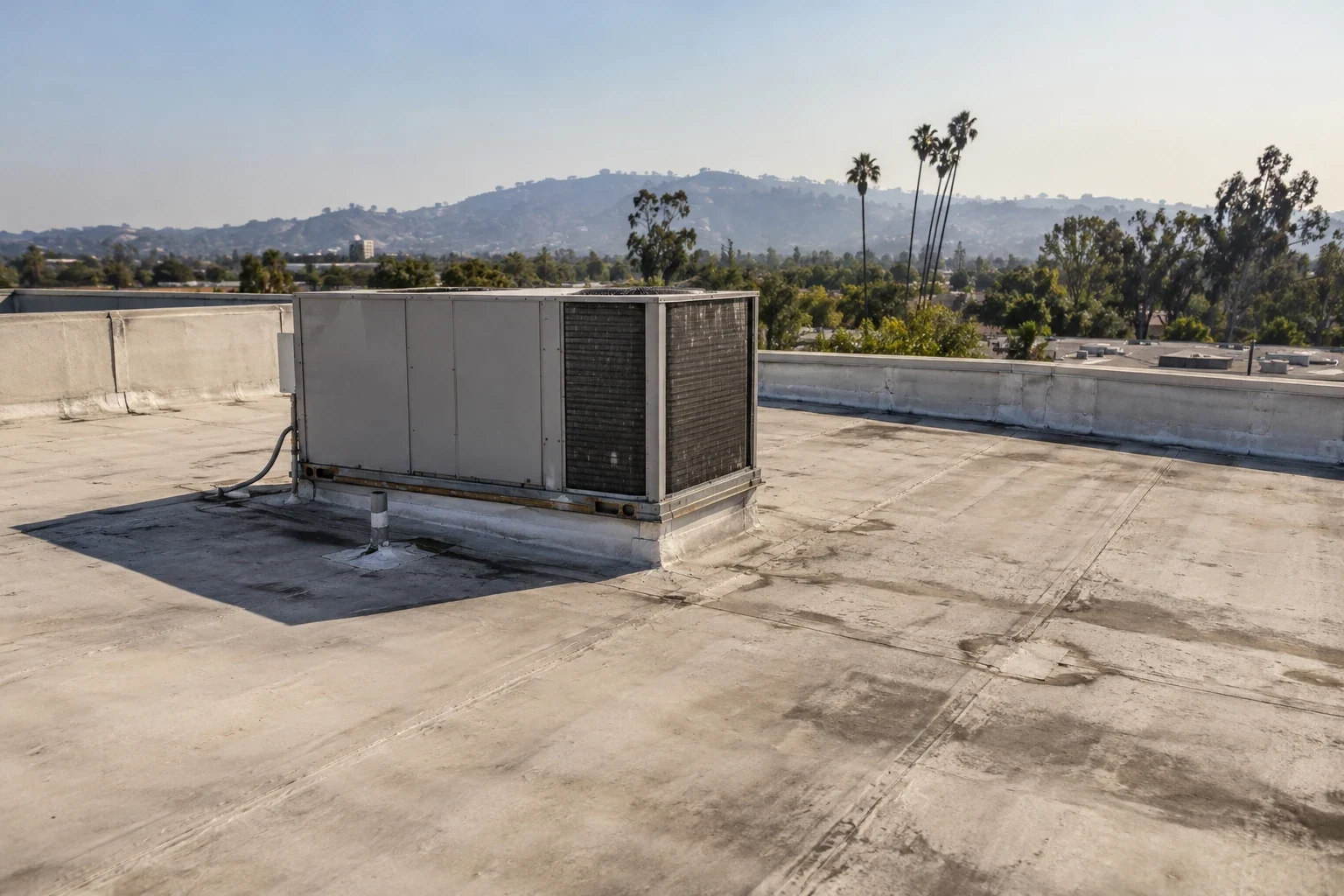

The first rain can send a Santa Clarita, CA owner looking for last year's repair record. If the photograph has no location, it may not answer the question. Roof asset management keeps the construction, findings and completed work connected to a usable plan. It helps the owner arrange maintenance through the dry season and prepare for the next investigation. Start with the roof areas and their history. Then keep that record current as the building changes.
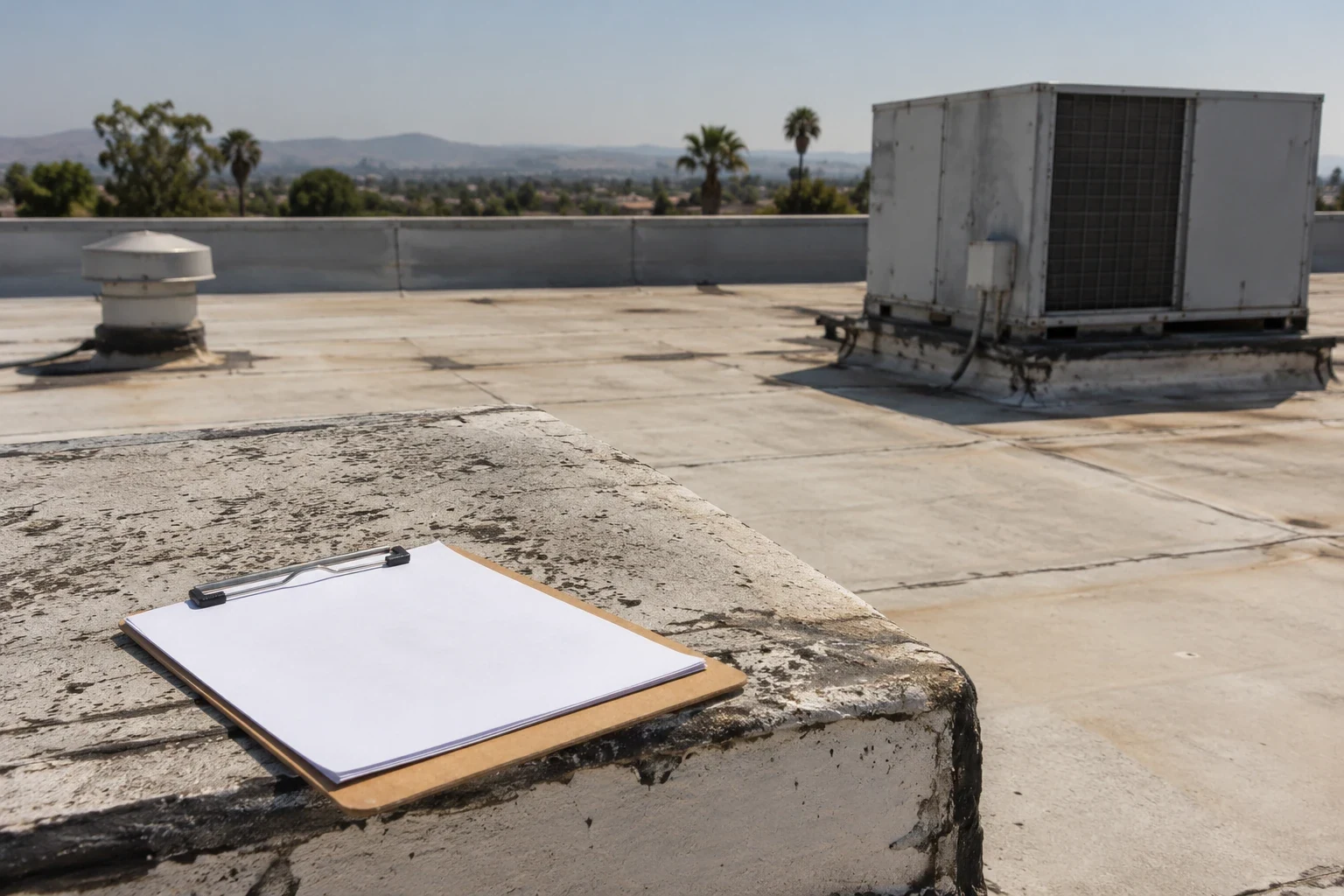
Identify the property, roof sections and access points. Show separate levels and additions on the plan. Record known materials and installation dates where the documents support them. Keep uncertain information clearly marked. The owner should be able to find a particular curb or outlet without needing the person who named it years earlier.
Condition reports establish the starting observations. Each finding receives a location and date. Include the details examined, the areas that could not be reached and the investigation still needed. Keep supporting drawings and invoices beside that record. A new maintenance contractor can then understand the known construction and the limits of the assessment before proposing work.
Record the detail repaired, the preparation and the material installed. A close photograph documents the condition; a wider view locates it. Add the completion date and any remaining task. If the work was temporary, keep that status visible. A later water complaint can then be compared with the actual repair instead of being assigned to the nearest old patch.
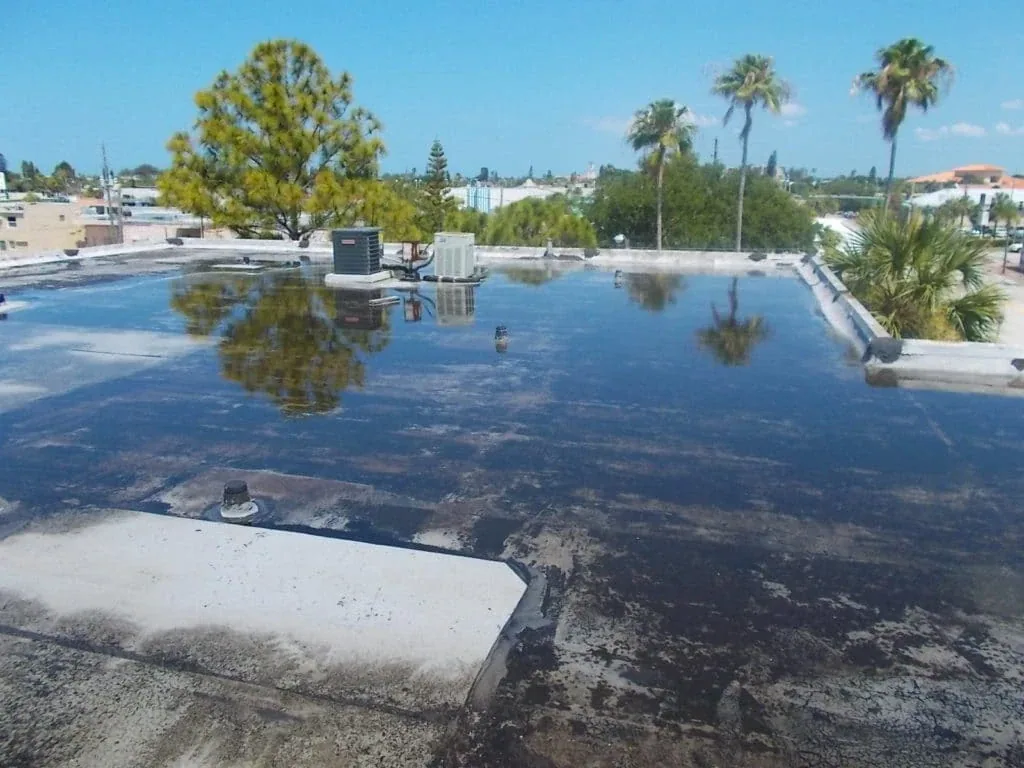
Leak investigation also needs the interior location and timing. Keep those reports with the exterior findings, while distinguishing the visible stain from the confirmed opening. Equipment drainage or water moving through layers can complicate the path. The asset record preserves what was established and what remained unresolved. That saves the next investigator from treating an earlier possibility as a proven cause.
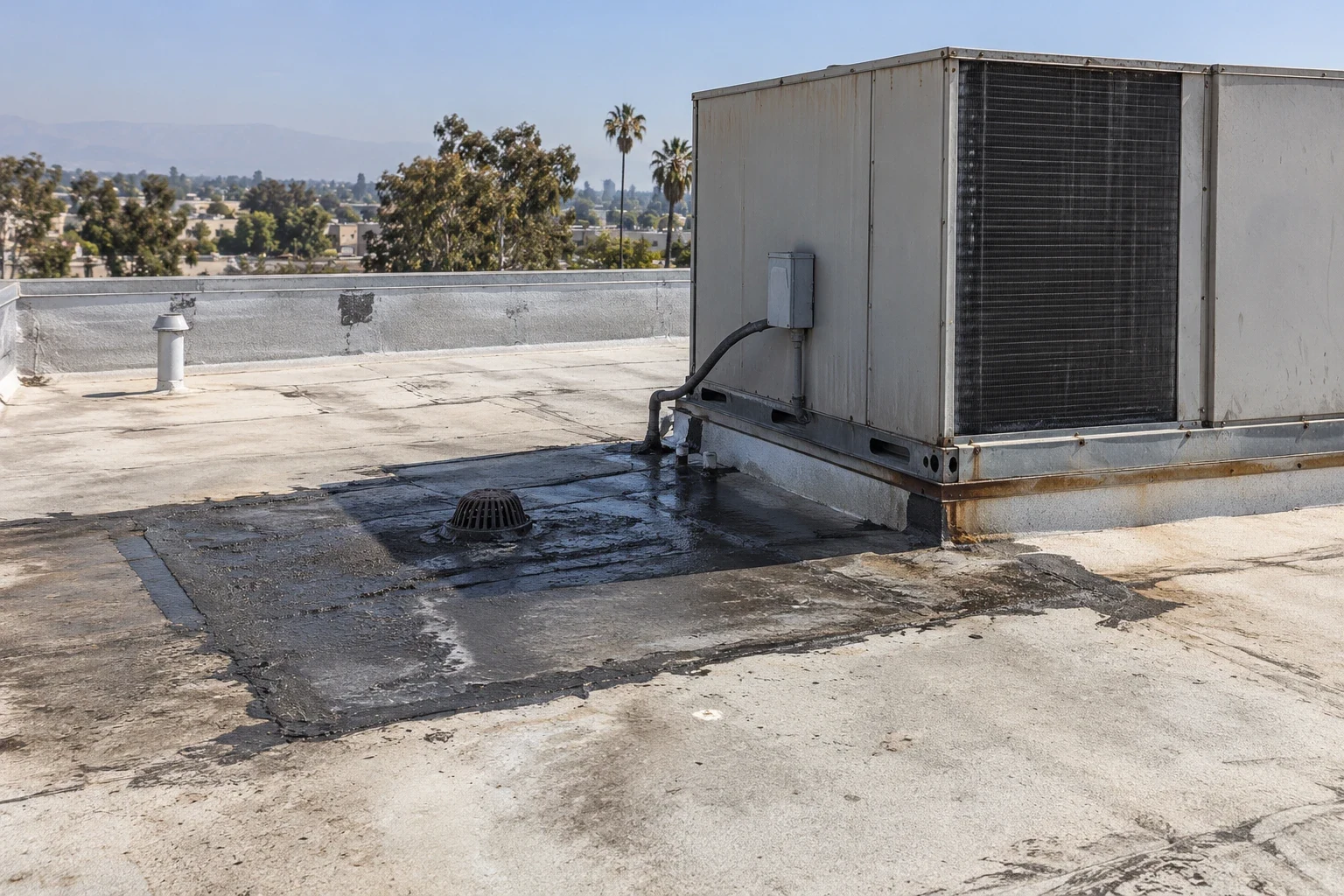
Check accessible outlets, flashings and perimeter connections. Record debris and damaged details before deciding the correction. Dust or leaves at a strainer may call for cleaning. A low area or unsuitable overflow needs a different assessment. Keep those tasks separate so a cleaning receipt does not become evidence that the drainage design was reviewed.
Maintenance planning sets a practical visit sequence with the owner. Before cooler-season rain, check that previously identified water routes and open items have received attention. A drain and scupper review can identify questions requiring plumbing or design input. Add completion information for each task. If a weather event or new symptom changes the condition, schedule the appropriate review rather than waiting for the next routine date.
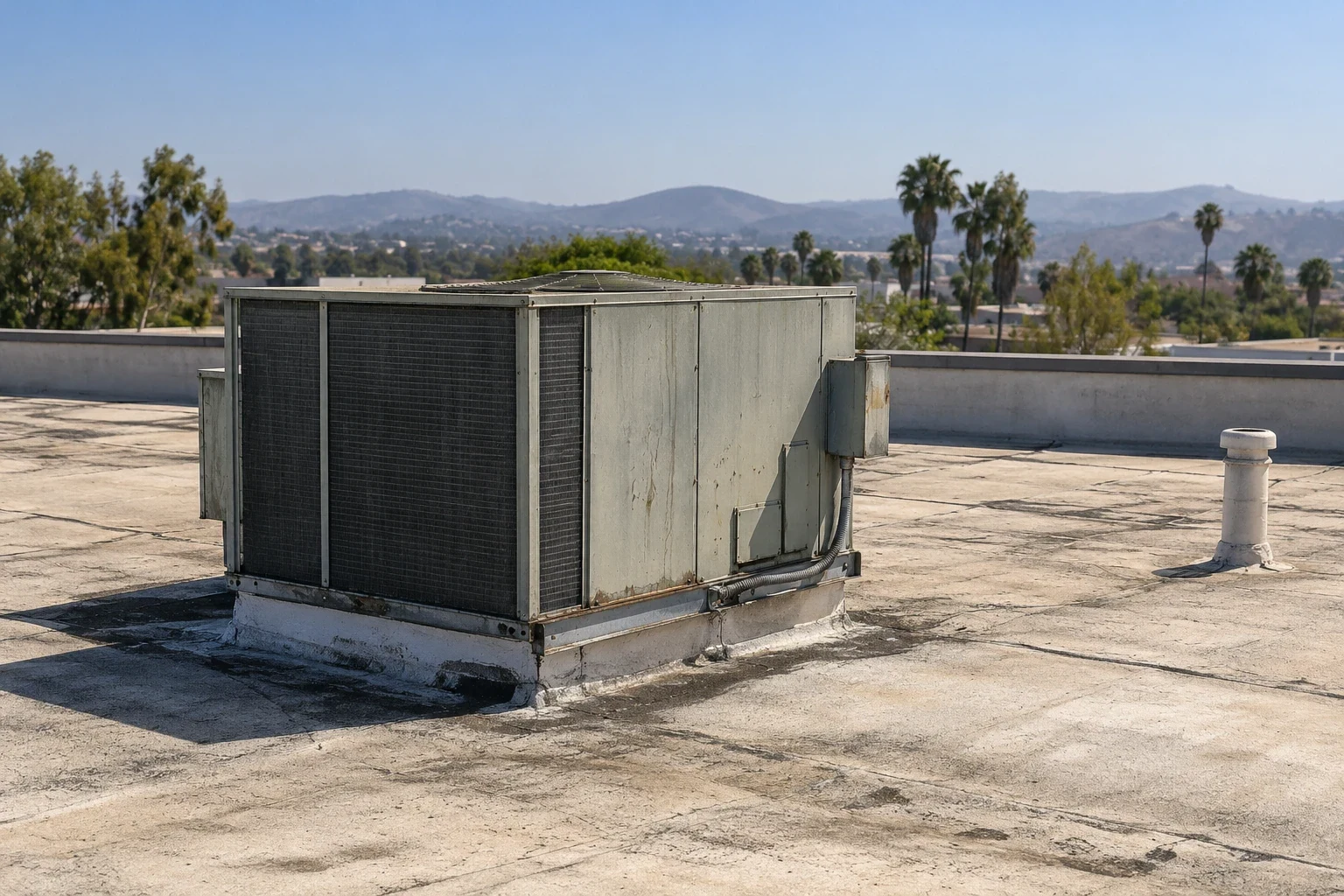
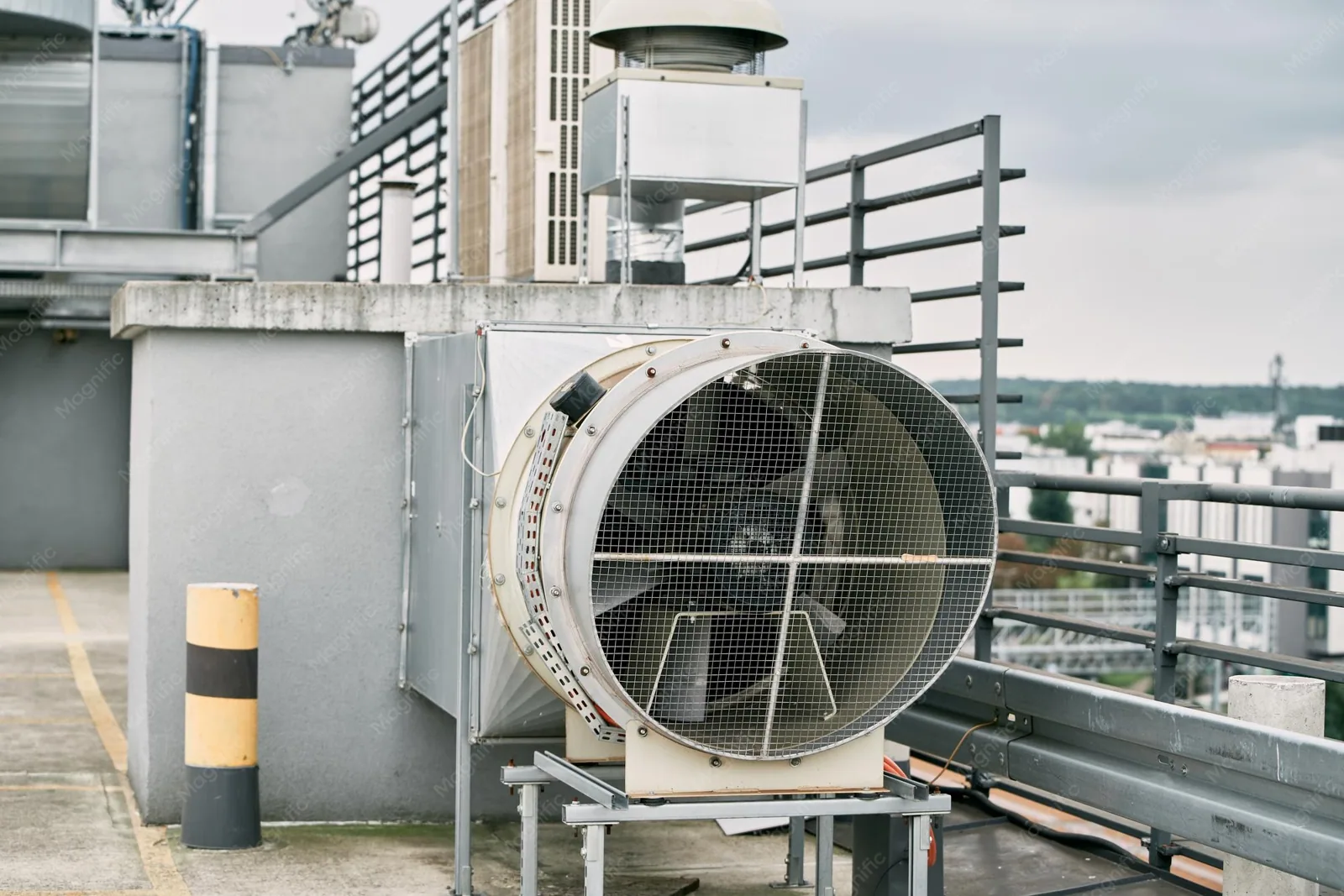
A new unit can change roof access, support and drainage around its curb. Put its location on the roof plan before construction. Establish the affected assembly and the suitable connection. The equipment trade and roof contractor need a coordinated scope. A service path should leave the repaired detail accessible for later checks.
Equipment curb and support work belongs in the alteration history with its completion details. At a property in Rye Canyon Business Park, identify the operating rooms and equipment contacts affected by the work. A building in Southern California Innovation Park needs the same property-specific coordination. Confirm intake arrangements and any operating restriction with the facility team. The roof record then shows the installed change and who maintains its related equipment.
Recurring water entry, wider material deterioration or changed attachment can justify more investigation. Record the finding and its consequence before moving the project into a replacement budget. A surface description alone may leave concealed condition unanswered. Where retained layers matter, select suitable testing and explain the information it can establish.
A repair recommendation states the defect it addresses and the materials retained. Capital planning compares the larger options using those findings and defined quantities. Keep the assumptions and unresolved items with each allowance. The asset record should show why a recommendation changed, including completed work that removed a near-term task. An owner can then discuss the investment from current condition rather than an unchanged date on a spreadsheet.
Retain issued warranties, accepted closeout documents and alteration instructions. Record the contacts and notice procedures that apply to the agreement. Warranty management organizes those requirements alongside the physical roof history. The document review is separate from the condition assessment and from any coverage decision by the issuer.
For a building changing ownership or management, provide the roof-area plan, open task list and current contacts together. Identify who holds the drawings and completion records. Give the incoming team a clear starting point for maintenance. Check that important documents remain accessible after a contractor or staff member leaves. The record is most useful when the owner can retrieve it without reconstructing years of work from email attachments.
Use a dated action list. Show proposed work, approved work and completed work separately. Each open item needs a location and the next task. If access or testing is required, identify it. Update the list after a repair visit, equipment alteration or new water complaint.
Multi-site programs can use common reporting fields while preserving individual findings. At a Santa Clarita property, the next visit should compare the same details and record any change. Keep the earlier report dates and inspection limits available. The owner can see what is current, what was resolved and what still needs a decision. That is the practical purpose of the asset record.
An asset register is most useful when each entry can be tied to a building, roof section and inspection date. Record the system where known, current concerns, supporting images, open work and the person responsible for the next step. Mark estimated area, remaining-life assumptions and unverified details so they are not mistaken for field measurements. When a property changes condition or management, update the status rather than carrying an old priority forward without review. A consistent portfolio view helps staff plan, while the original observations remain available to explain why one roof differs from another.
It needs clear locations, dates and documents that the owner can retrieve. A consistent roof plan and organized file set can provide that starting point. Choose the system around the people using it. The important test is whether a new manager can locate a finding and identify its next task.
Compare the current interior report and roof findings with the earlier location. A new opening or equipment issue can create a similar symptom. Investigate the path before assigning cause. Keep the supported conclusion and any remaining question in the record so the next decision follows the evidence.
Include the property, roof area, detail and date. Use a wider view to show location and close views for the condition or completed work. Retain the relationship between them. A detailed image without a way to find the component again can be difficult to use during a later visit.
New water entry, a changed connection, significant observed damage or a planned equipment alteration can require attention before the routine visit. Identify the affected area and the appropriate investigation. The record helps organize that response; it does not replace assessment of the current condition or the operating precautions needed for the task.
Arrange a review of your roof records and open tasks, with a clear area plan and practical maintenance priorities for the property.
Pages that connect with Roof Asset Management for Santa Clarita Valley buildings.
Notifications