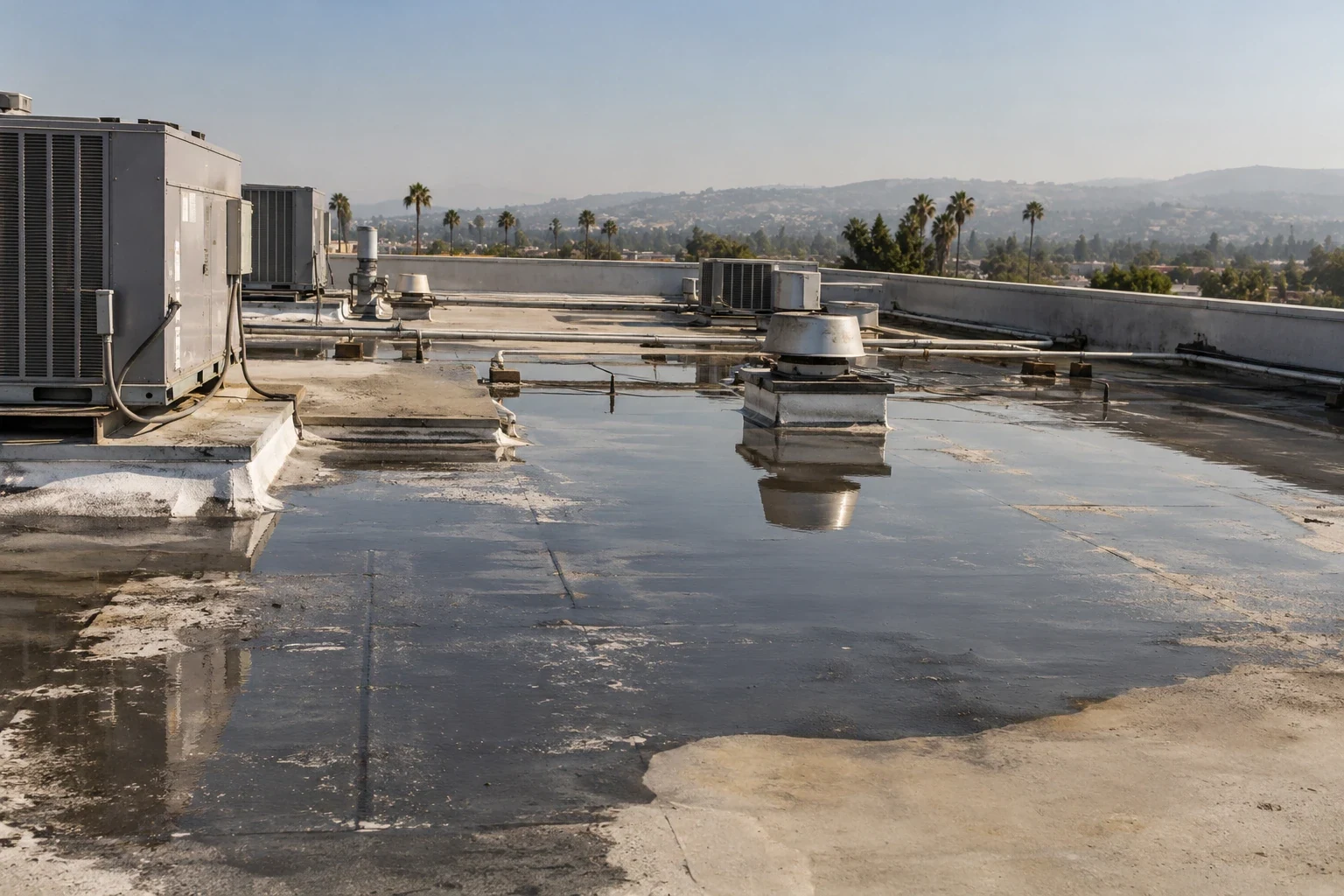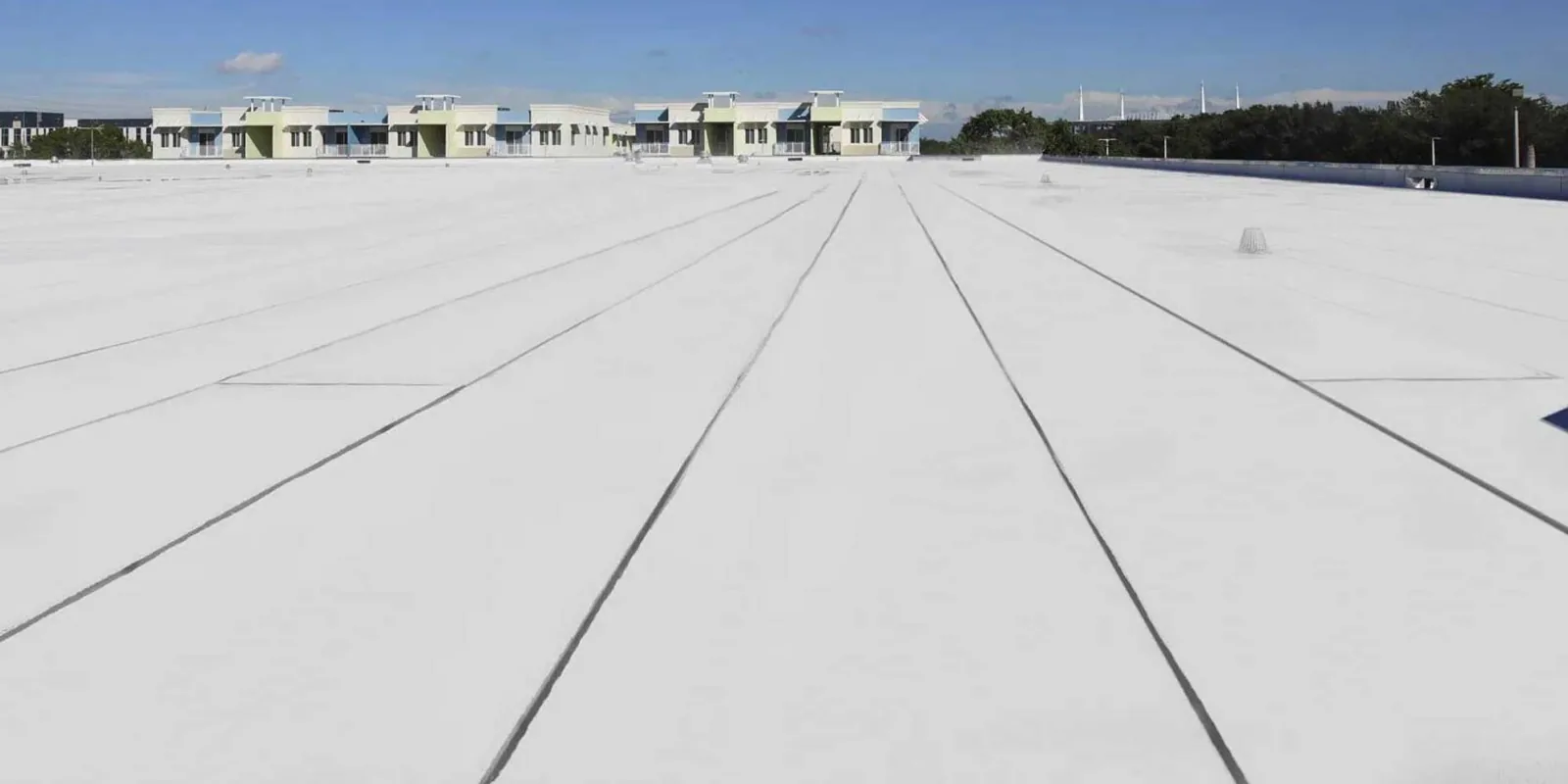

A silicone coating proposal should begin beneath the new finish. The retained roof must be suitable, and the preparation must fit the selected product. Plan suitable application ahead of winter rain in Santa Clarita, CA. Summer heat also affects scheduling. The inspected assembly and selected product establish whether this restoration is appropriate.
Commercial Roofing Santa Clarita assesses roofs for silicone restoration and compatible repairs. We identify accessible condition, supporting materials and details needing correction. The owner receives the scope and any further investigation required before the surface is treated.
Send earlier roof and coating records. Tell us about standing water, leaks and equipment work. Those clues help focus the inspection. The new finish should be part of a complete restoration plan rather than a way to conceal an unresolved construction question.
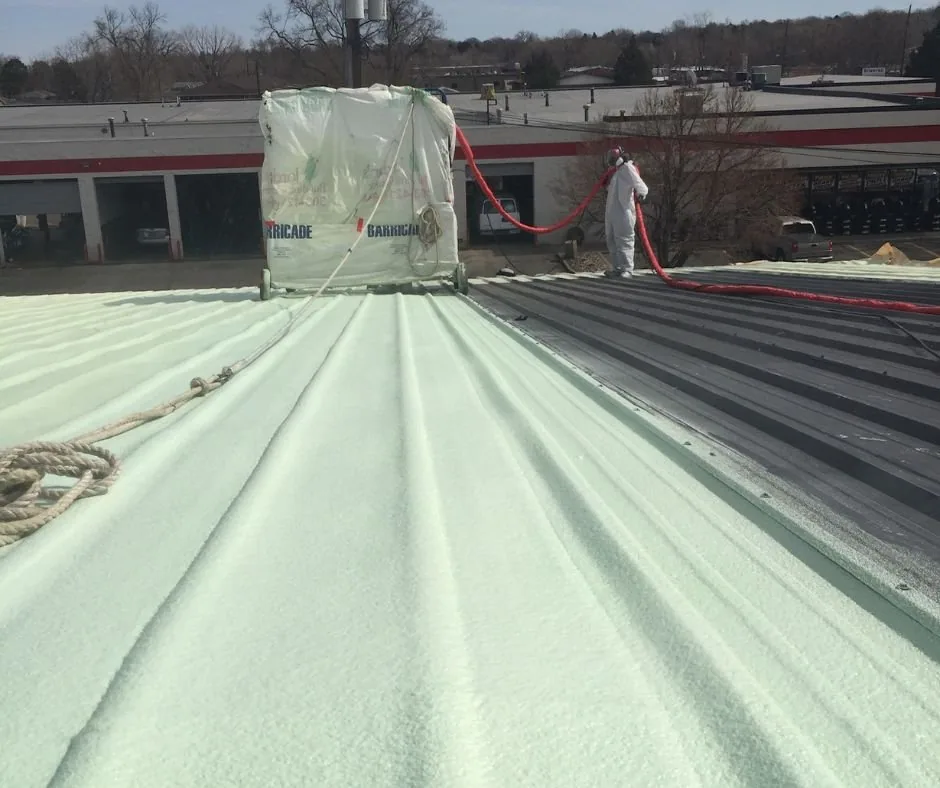
Acrylic coating work needs its own product limits and suitable preparation. With a foam roofing arrangement, the coating protects an additional constructed layer. Distinguish those scopes before pricing alternatives; the owner should know whether the proposal treats retained roofing or includes a larger assembly beneath the finish.
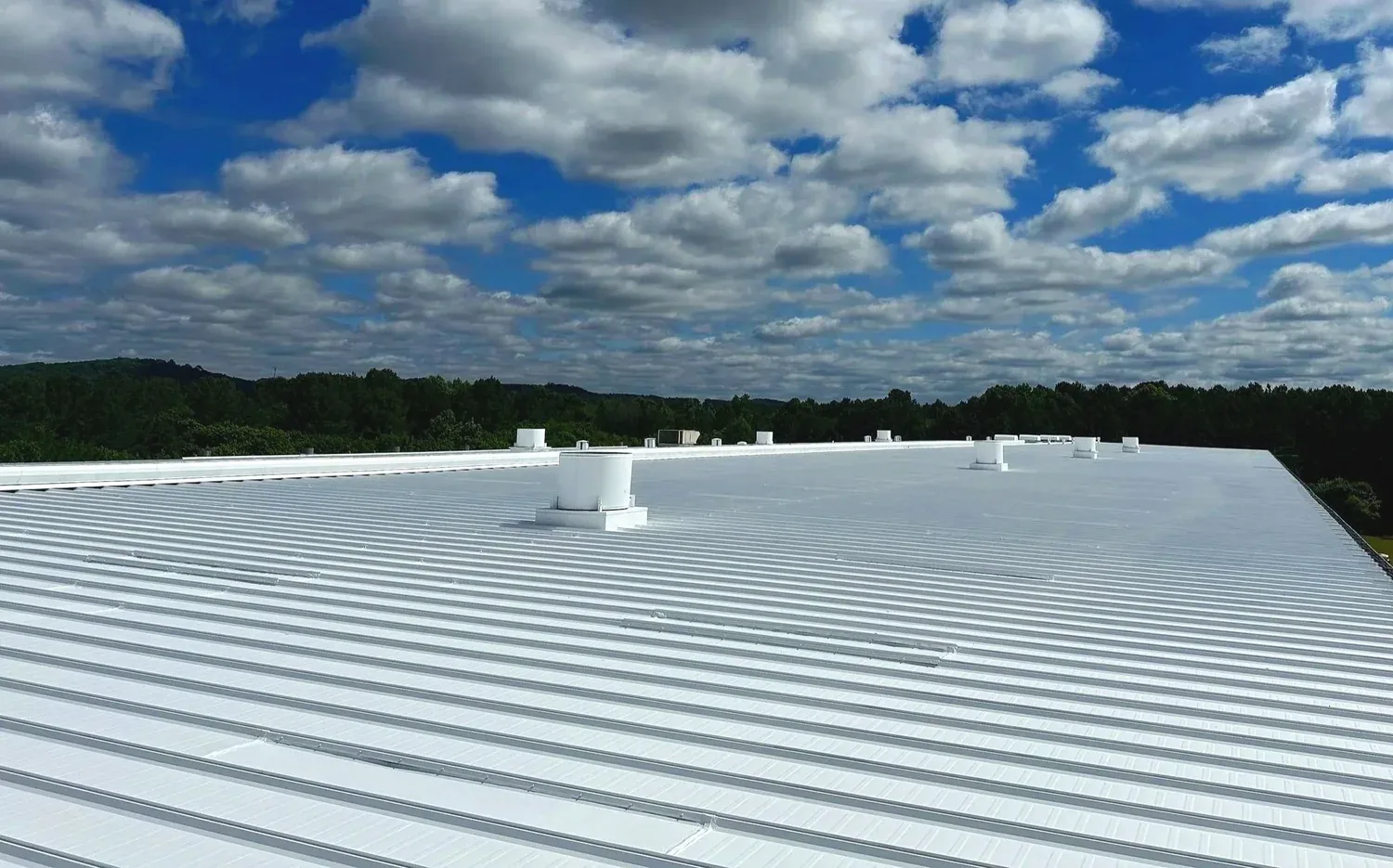
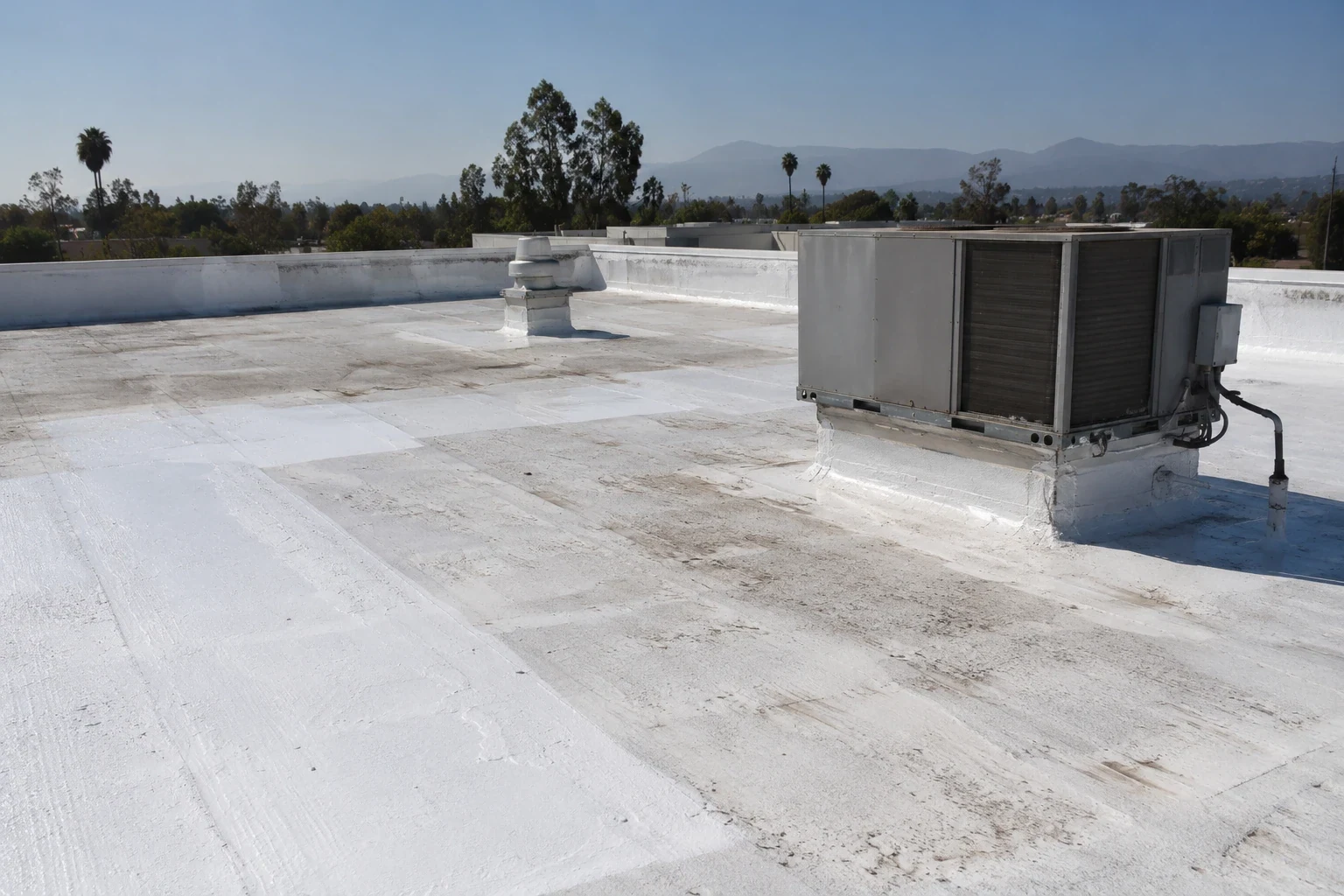
The selected coating provides a specified protective finish on an eligible substrate. Products have their own preparation, application and assembly requirements. The scope should identify the actual product and intended work rather than assume every silicone system behaves identically.
Surface restoration is different from replacing damaged layers. The condition below the finish still matters. A coating cannot automatically correct structural deterioration or change drainage geometry. We explain which tasks are accomplished by the finish and which require another correction.
Roof coating restoration brings those tasks into a complete plan. Compare the repairs, preparation and required checks included in the estimate. A finish-only price may describe less work than the roof actually needs.
We identify the membrane or other surfacing and examine accessible condition. Attachment, damage and relevant moisture concerns contribute to eligibility. Earlier coating information helps with compatibility, but the present roof still needs assessment.
A roof inspection locates the findings and limitations. Concealed questions may need authorized samples or other suitable investigation. The evidence should be explained in relation to the proposed retained area.
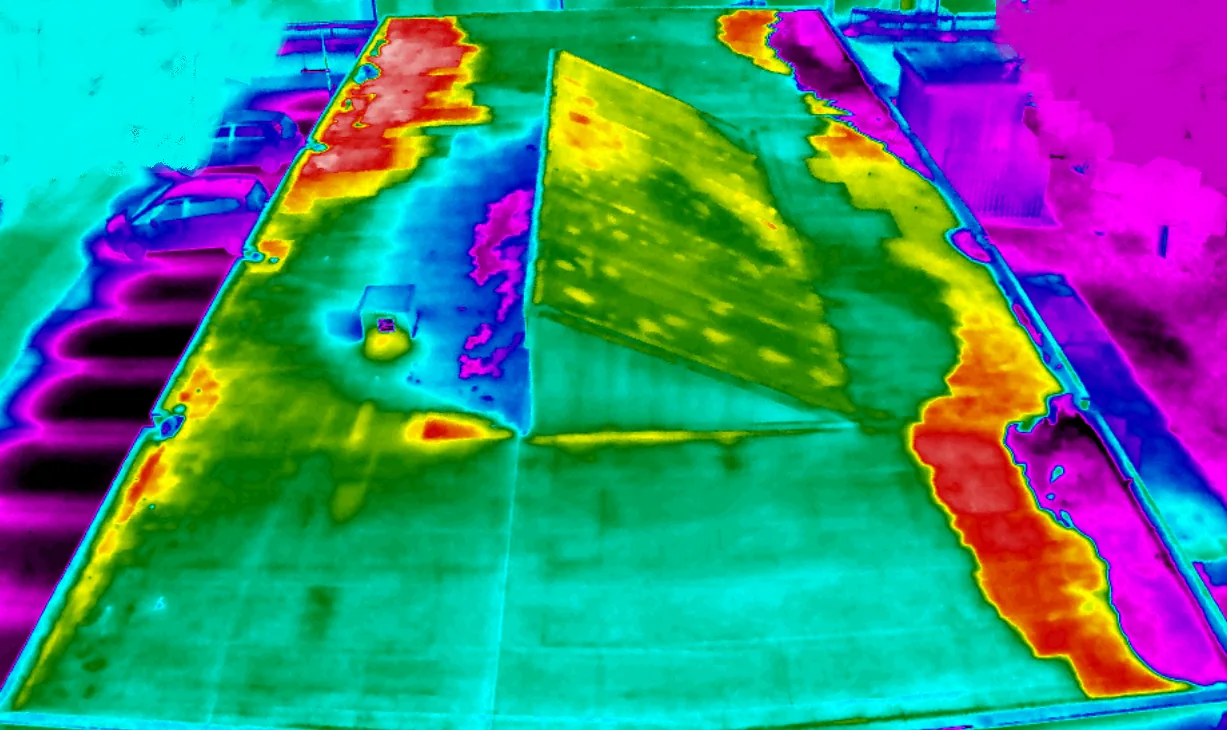
An infrared survey may guide examination where the assembly and conditions are suitable. Thermal patterns need interpretation and relevant confirmation. The report separates supported moisture findings from remaining uncertainty before the restoration decision.
Cleaning, removal of unsuitable materials and relevant surface preparation should be defined. The method must suit the roof and building. The selected product may require primer, reinforcement or other components. Include those procedures in the accepted scope.
Where adhesion checks are required, identify the method and location. The results provide evidence at the prepared areas examined. They should not be presented as proof that every untested section is identical. Additional checks may be needed if condition varies.
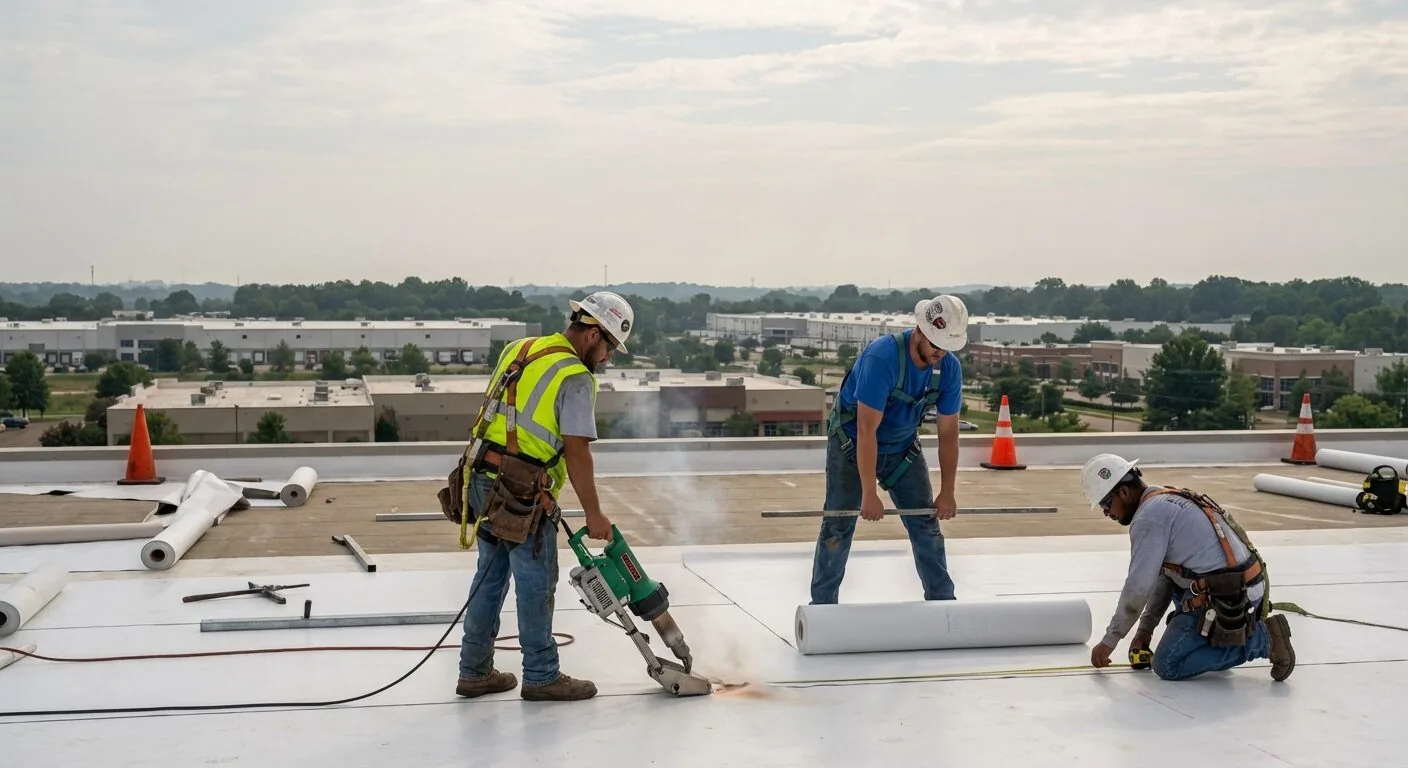
Compatible repairs address defects before coating. The scope should locate those tasks and describe reconstruction. Leaving them as an unexplained preparation allowance makes it harder for the owner to understand the work or compare bids.
The actual product requirements and roof conditions need review. A broad statement about silicone should not replace documentation for the selected system. Standing water also needs its cause assessed. The finish is not a redesign of the water path.
Ponding water repair evaluates concerns that extend beyond cleaning. Obstructed outlets, geometry and other issues may require different corrections. We explain which finding supports the proposed task.
Drains and scuppers must retain suitable openings and adjoining details. The coating work should account for those transitions. Any outlet or piping alteration needs the responsible qualified parties and applicable project review.
Product instructions and the actual substrate establish suitable conditions. Temperature, surface moisture, wind and anticipated weather may affect application and cure. Daylight alone is not a universal curing requirement. The selected material procedures should guide the work.
Surrounding activity needs protection appropriate to the application method. Vehicles, equipment and occupied spaces should be identified. Any required HVAC or intake control must be arranged with the responsible operator within a planned window.
Santa Ana winds affect Southern California and can complicate material handling or application. If weather or preparation findings change the task, record the proposed revision and authorization. A suitable work plan includes those decisions rather than assuming the initial calendar will settle every condition.
Keep the installed coating and compatible materials identified in the roof file. Later repair or another coating layer needs the existing system reviewed. A new product should not be selected solely because it has the same broad material name.
Preventive maintenance can track surface damage, detail changes and outlet condition. The schedule and cleaning procedures should suit the installed system and relevant requirements. Report service activity that alters the roof.
Warranty terms need document-specific review. Manufacturer procedures, eligible alterations and required records depend on the actual coverage. Retain them with the installation information so the operating team can coordinate future work using the correct materials.
At Valencia Industrial Center properties, production and receiving contacts should help establish access. The roof layout and equipment determine the route. Identify any operating restrictions before preparation or application starts.
Commercial buildings in Newhall may have shared entrances and nearby storefront activity. We coordinate staging and affected spaces with the manager. A clear material-handling plan helps the roofing task fit the building operations.
Hot summers and winter rain in Santa Clarita inform the planning window. The actual product and conditions govern application. We connect those requirements with the site access arrangements before scheduling the accepted work.
The final record should locate repaired areas and identify products used. Relevant application checks and approved changes explain the completed scope. Outstanding concerns need a named next action rather than being lost in the restoration record.
Applicable code and energy requirements need project review. Santa Clarita publishes current California codes and local amendments. Confirm the submission basis and authority responsible for the actual scope. The selected coating and complete retained assembly should fit that review.
Keep the accepted preparation and repair boundaries with the final photographs. If those boundaries changed during work, record the observed reason and owner authorization. That lets a later manager understand the completed scope and plan relevant follow-up inspection.
A silicone coating proposal should state the existing surface, preparation and detail repairs that make the roof eligible for that work. Identify prior coatings and test representative areas where adhesion or compatibility is uncertain. Review drainage and ponding conditions separately; a coating is not a substitute for correcting a structural or outlet problem. Confirm the product’s documented application limits for the project conditions and show how edges, curbs and penetrations will be treated. Record the prepared substrate and completed coverage by area so later maintenance can distinguish the new coating from retained materials.
Underlying concerns need their own assessment and correction. The selected coating protects an eligible substrate within a defined restoration scope.
Use the actual product requirements and project acceptance. The cause of standing water also needs assessment. Coating does not automatically change roof geometry.
It provides evidence at the prepared location examined. The method, conditions and any wider assessment should be recorded with the finding.
The responsible operator arranges required controls within a planned window. The roof work follows that accepted operating and protection plan.
Identify the installed product and condition first. Compatibility, preparation and relevant warranty procedures need review before additional material is applied.
Call Commercial Roofing Santa Clarita with existing product records and the reported concern. We will examine the substrate and define a suitable silicone restoration scope.
Pages that connect with Silicone Roof Coatings for Santa Clarita Valley buildings.
Notifications