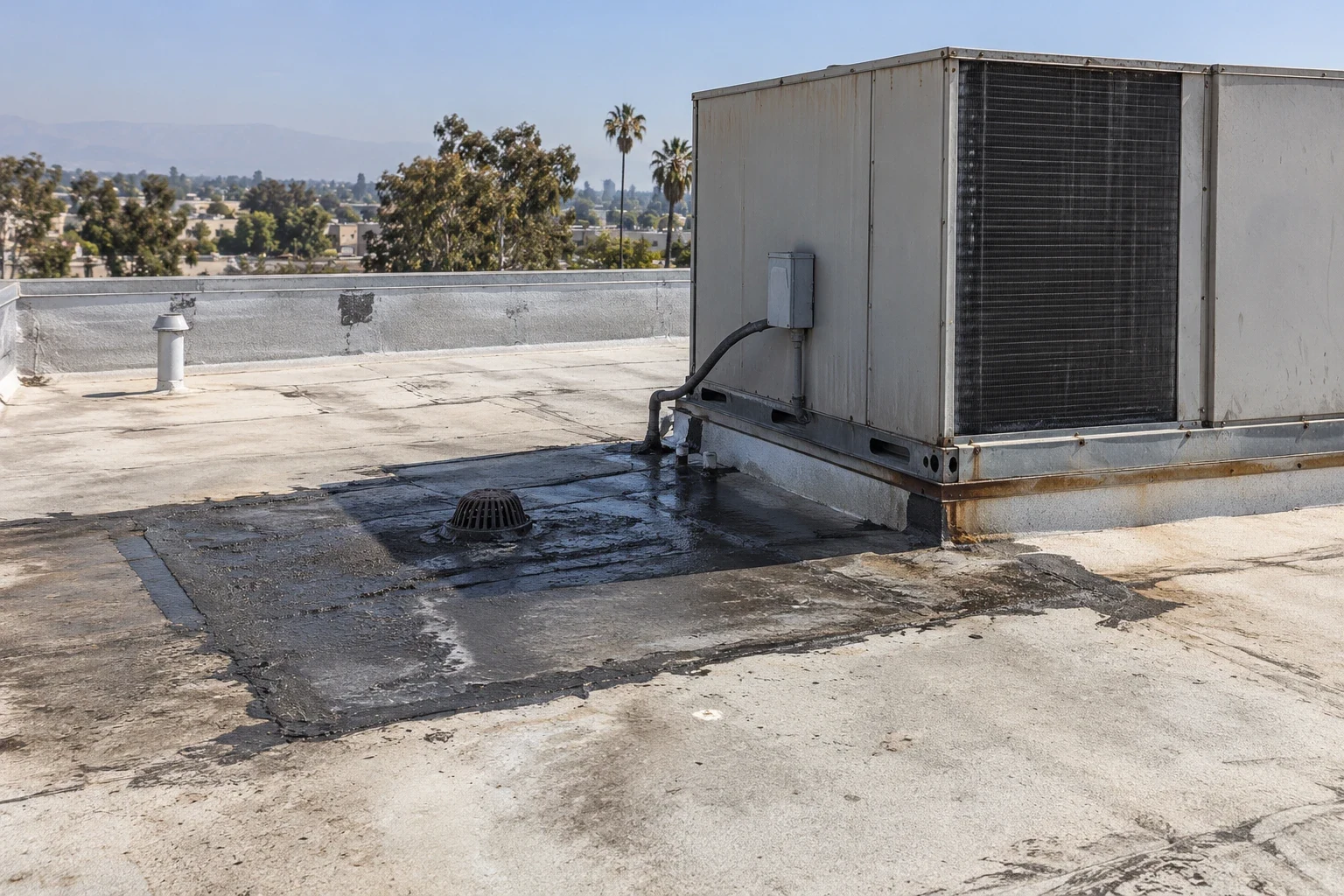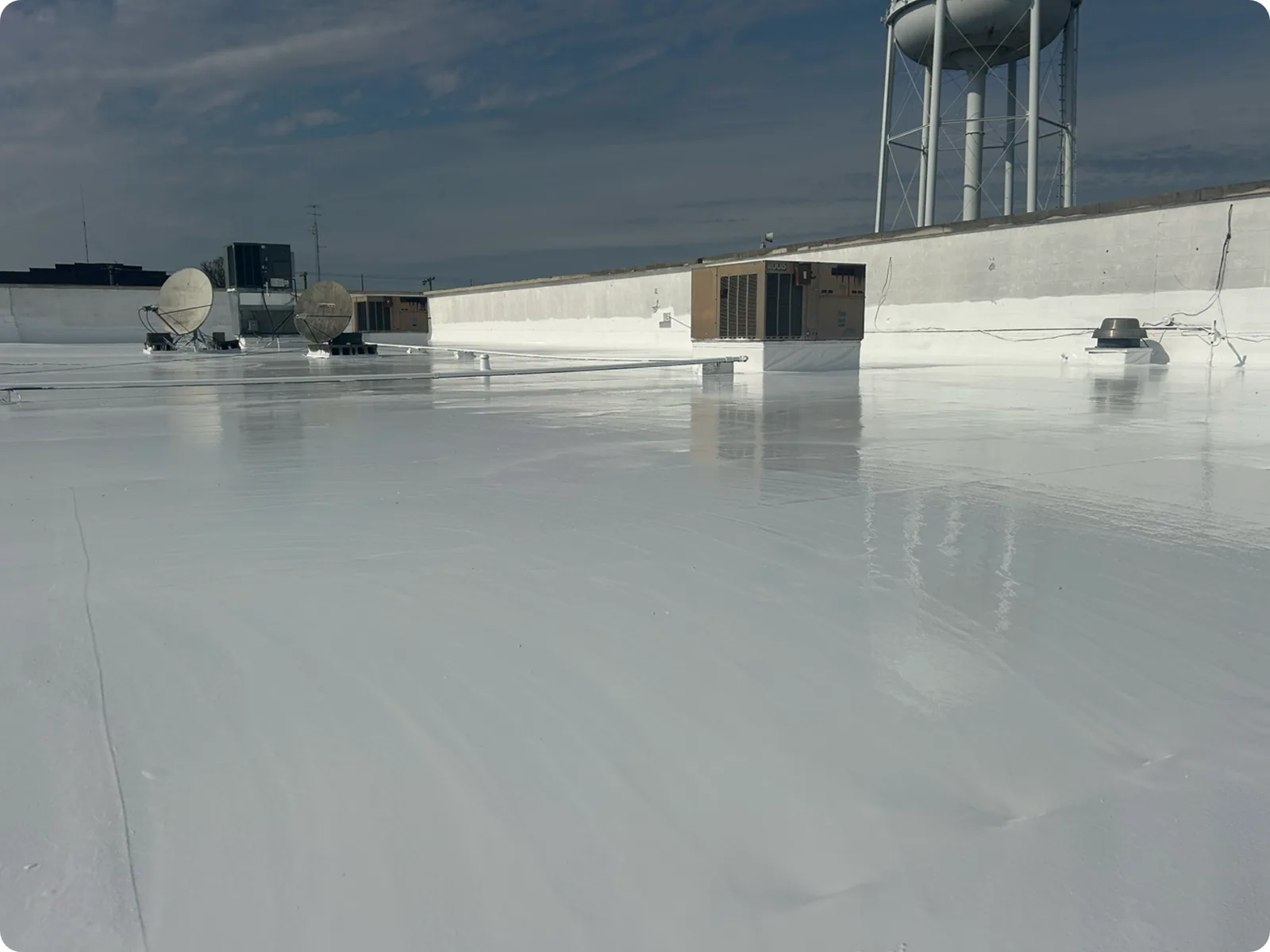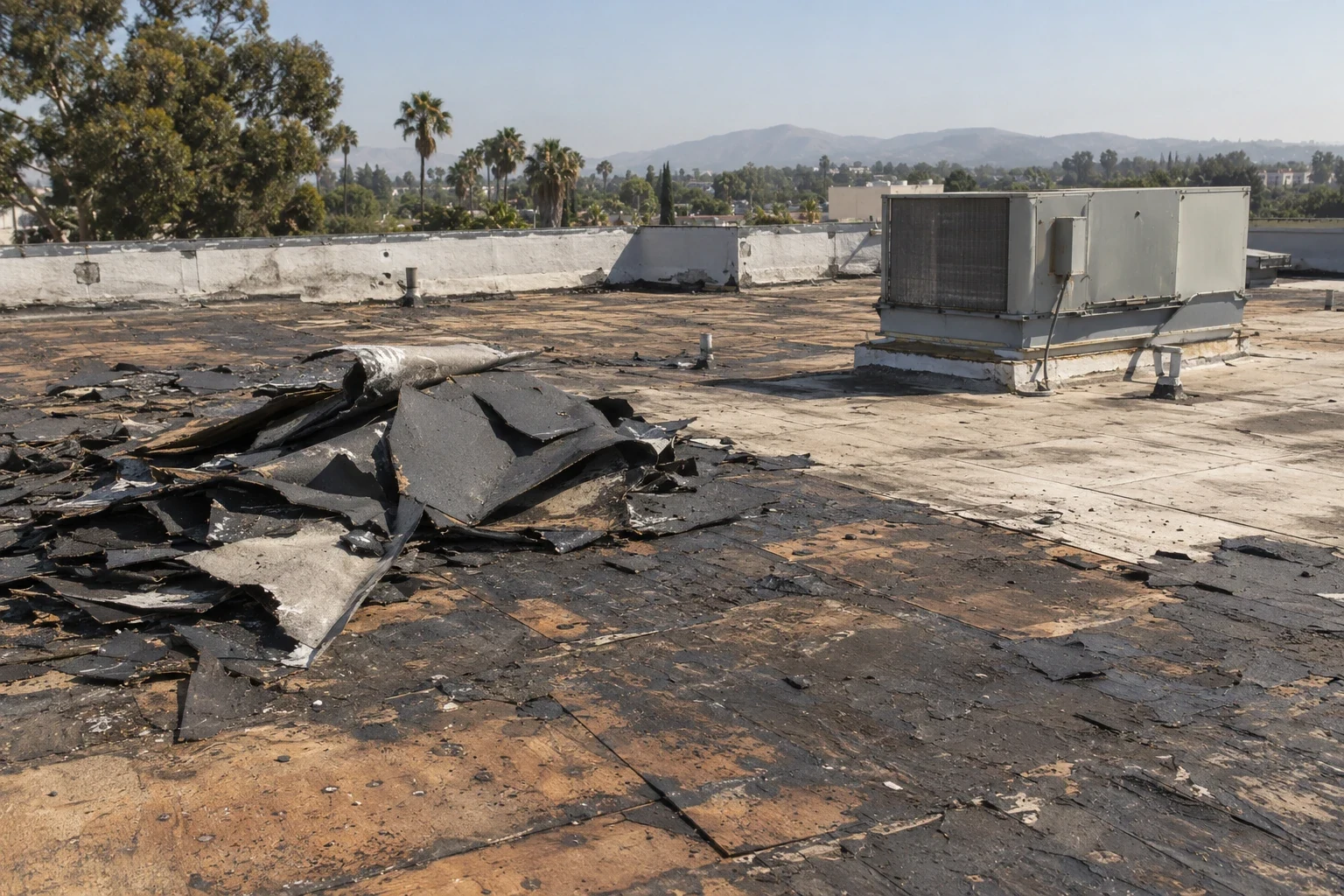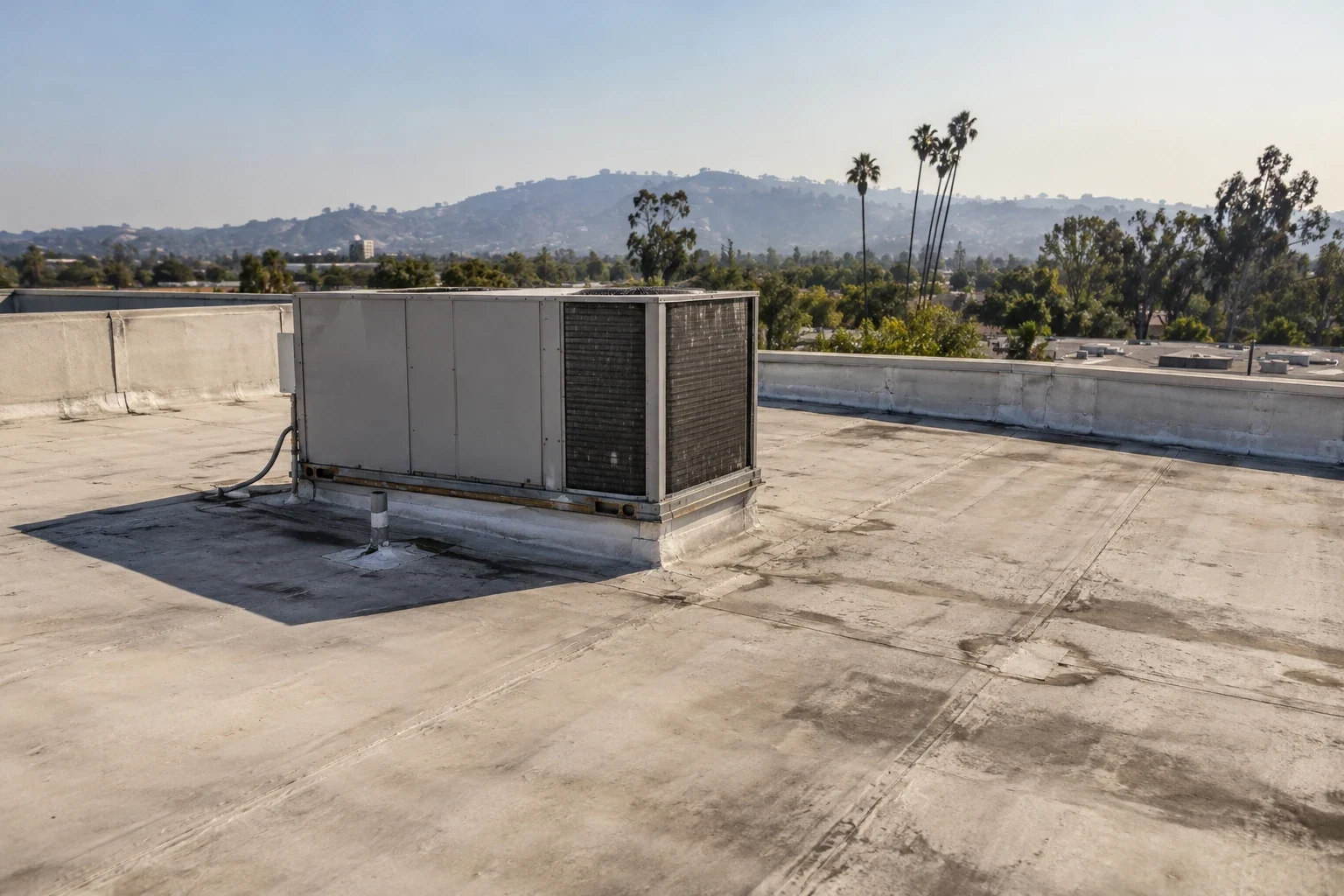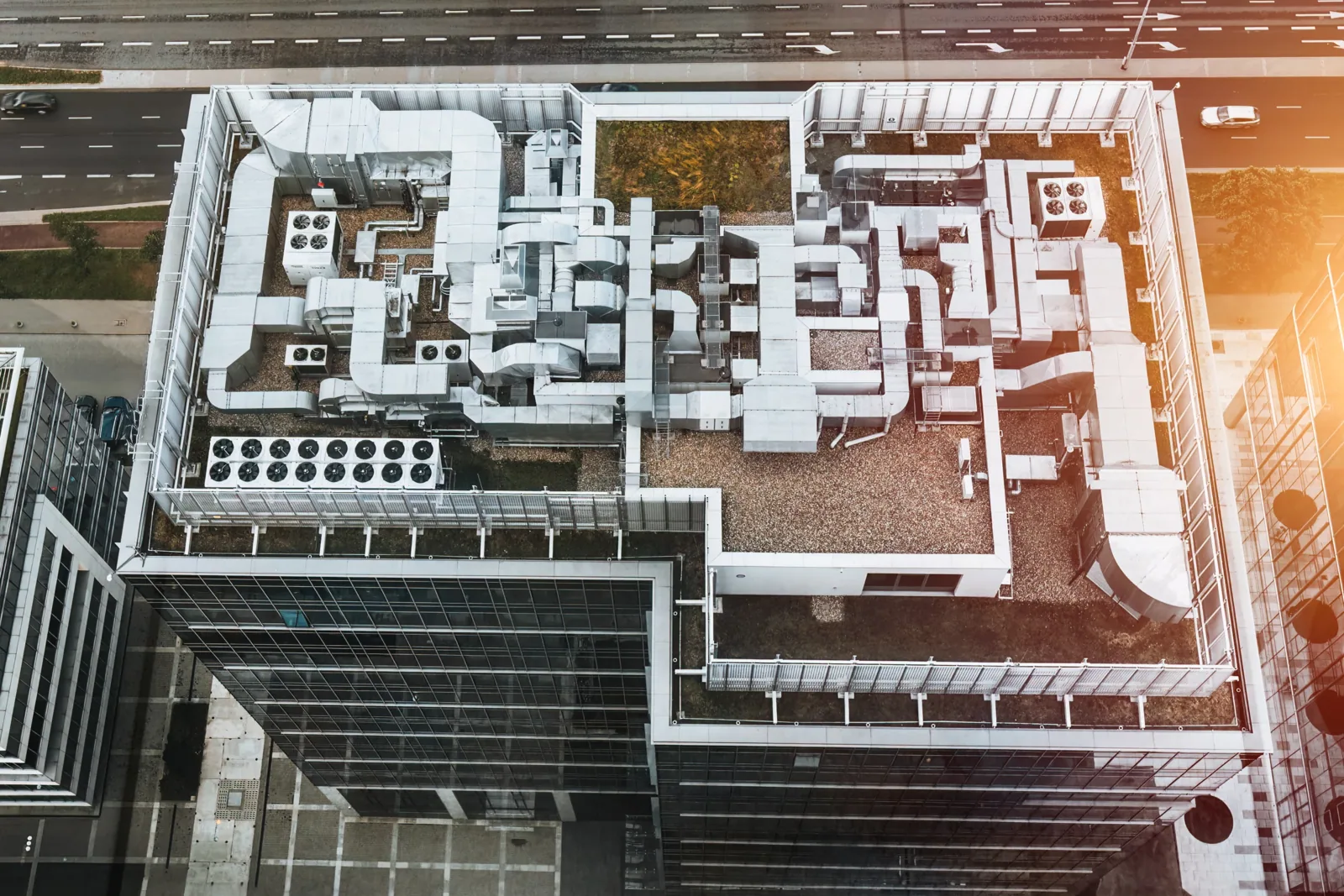

A bright roof surface can hide a different condition beneath it. Before you approve an overlay or a large repair, it helps to know which areas need closer examination. Santa Clarita, CA has hot summers and cooler-season rain. Those conditions affect survey scheduling, but the inspection still starts with your assembly.
Commercial Roofing Santa Clarita uses infrared imaging to identify temperature patterns. We interpret those patterns against the roof layout, weather and construction. Suitable confirmation at selected locations helps establish whether moisture is involved. The report separates observed thermal areas from the findings supported by samples.
Bring earlier leak notes and roof plans if you have them. They help us choose where to look and explain what the investigation can answer. A useful survey gives the owner a next action, with the evidence attached.
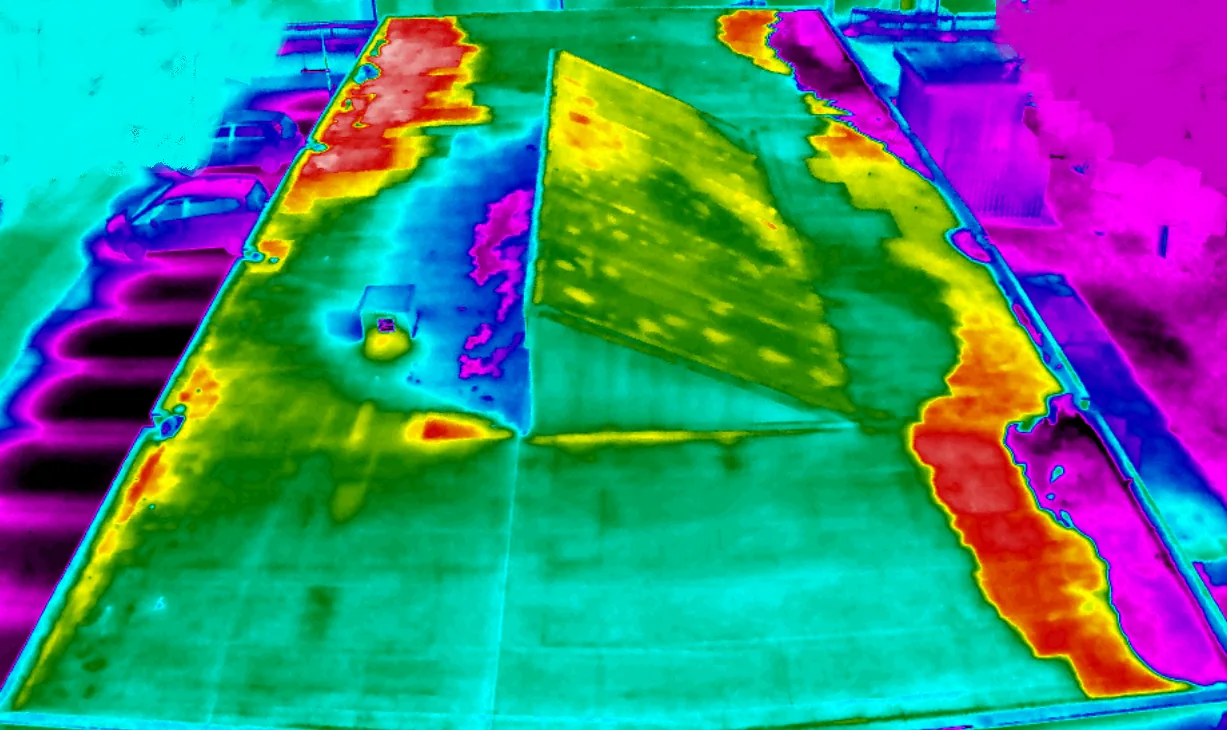
The camera records surface temperature differences. Under suitable conditions, moisture within some insulated roof assemblies can affect their heating and cooling. That contrast may make an area worth investigating after sunset. It is not a picture of water beneath every roof.
Patches, different insulation thicknesses, equipment heat and shading can also influence the image. We compare the pattern with visible details and the known assembly. An unexplained warm patch stays an unexplained pattern until the supporting investigation gives it meaning.
The field record pairs thermal images with ordinary photographs and marked locations. That makes the interpretation easier to follow later. Your manager can see which detail or section of roof the finding refers to, instead of trying to read a colored image without context.
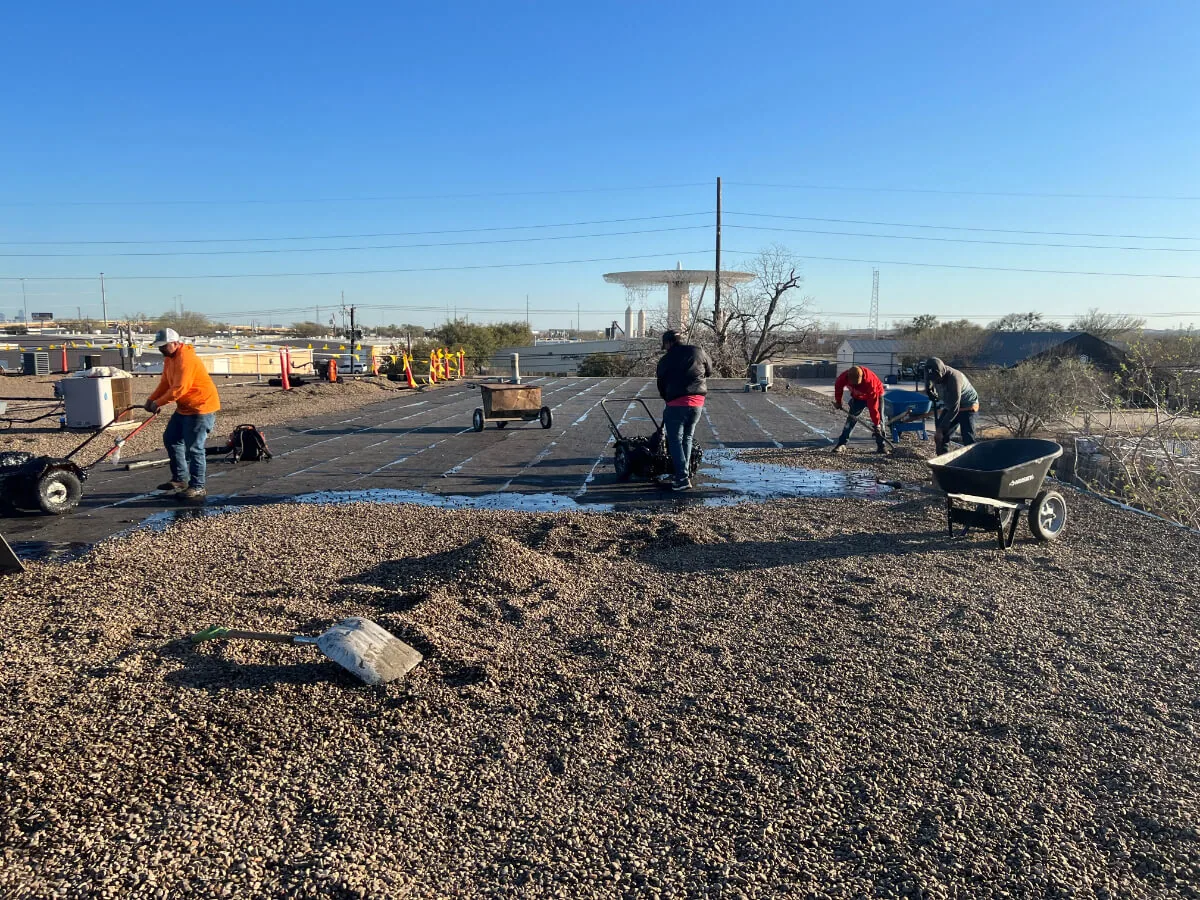
Authorized openings can show the materials and condition at selected points. We choose locations that test the suspected area and provide useful comparison. The sampling plan accounts for the membrane, underlying layers, repair method and access. We arrange closure materials and procedures before making an opening.
A sample establishes what was found at that location. Several well-chosen samples can support an interpreted boundary, but they do not examine every concealed square foot. The report identifies the locations, depth examined and relevant limits. If the evidence is inconsistent, further investigation may be needed.
We also record layer arrangement and any visible deck concern at the opening. A structural question may require qualified assessment beyond the moisture survey. Keeping those findings distinct gives you a clearer basis for the next scope.
We need conditions suitable for the roof and method. Solar exposure, recent rain, surface dryness, wind and evening cooling all affect the opportunity. Santa Ana winds can interfere with stable surface patterns. A calendar season alone does not establish a useful survey window.
We review the forecast and building access before setting the field visit. Equipment operating conditions may also matter to interpretation. If the surface or weather will obscure the question, we adjust the survey approach or explain the need for another visit.
For an owner planning work before winter rain, an earlier inspection leaves time to organize confirmation and repair. It also avoids treating the next available evening as a promise of a conclusive image. The investigation should fit the question you need answered.
The answer depends on construction and surface conditions. Some insulated membrane roofs provide useful thermal patterns. Built-up roofing needs examination of its surfacing and layers before the method is selected. A single-ply assembly may have different limitations.
Ballast, coatings, metal and other surfaces can complicate interpretation. We do not disturb roof coverings merely to improve a picture without a defined, authorized scope. A recent installation can still have a question worth investigating; roof age alone does not settle suitability.
Where infrared cannot provide useful evidence, we explain the alternative examination. The aim is to answer the moisture concern. The camera is one tool within that work, and its limits belong in the report beside its findings.
You receive located observations, photographs, sample records and an explanation of the interpreted findings. Areas supported as moisture concerns are distinguished from areas that remain uncertain. We identify additional investigation or corrective work needed before a final construction decision.
A localized finding may lead to removal and repair, combined with leak repair at the entry detail. A proposed roof recover needs wider eligibility checks, including attachment, structure, drainage and applicable project requirements. Moisture findings contribute to that decision.
Where the evidence supports replacement, we explain the reasons and scope assumptions. The survey can support roof condition reports and help bidders understand what has actually been investigated.
Keep the location references with the estimate. If a contractor proposes changing the extent during construction, compare that proposal with the survey evidence and newly exposed conditions. We record the reason for a revised boundary. That gives the owner a traceable decision instead of an unexplained change in quantities.
Moisture can reduce insulation performance and affect materials within the assembly. The consequences depend on the amount, location and duration of exposure and the materials involved. Deck deterioration or an interior moisture concern needs relevant evaluation. A thermal pattern alone does not diagnose mold or structural loss.
For a purchase or capital plan, this examination can form part of due diligence. The useful question is what the finding changes: a repair allowance, further investigation, retained-material decision or planned replacement scope. We connect the evidence to that question.
Industrial activity in Valencia Industrial Center makes equipment access and production coordination important. We identify the survey route and sampling locations with the operator. Rooftop equipment use and nearby exhaust should be recorded where they affect the image.
In Newhall, commercial access can involve neighboring storefronts and limited staging. We organize the roof entry and repair materials before the visit. Where medical or sensitive production spaces lie below, the authorized sampling plan needs the appropriate operating controls. A roof plan and a named contact make that coordination easier.
Thermal contrast can help prioritize areas for verification under suitable conditions; an image alone does not confirm wet insulation. Record the survey timing, surface and weather conditions that affect interpretation, and distinguish interpreted patterns from confirmed findings. Choose follow-up openings or other checks to answer a specific assembly question, then document the sample locations and what each result supports. A tested point describes that point, not automatically the whole roof section. The report should show the map, limits, corroborating observations and recommended next action so the owner can weigh the evidence before authorizing broader removal.
Yes. We choose the opening and compatible repair method before cutting. The scope identifies access, authorization and closure procedures for the assembly.
We assess weather, surface conditions and the roof construction. Suitable contrast matters more than a preferred month. We explain any rescheduling or method change.
Thermal patterns can guide investigation of affected areas. Entry details require their own examination and appropriate confirmation. The moisture finding and leak source remain separate questions.
Roof size, layout, usable weather and confirmation work determine the visit plan. We coordinate operating constraints before the work and identify any follow-up access.
Concealed areas outside the examined locations may remain uncertain. The report states the evidence, interpreted extent and further checks needed for the proposed decision.
Call Commercial Roofing Santa Clarita with the roof records and planned project. We will define an investigation that gives your next decision useful support.
Pages that connect with Infrared Moisture Survey for Santa Clarita Valley buildings.
Notifications