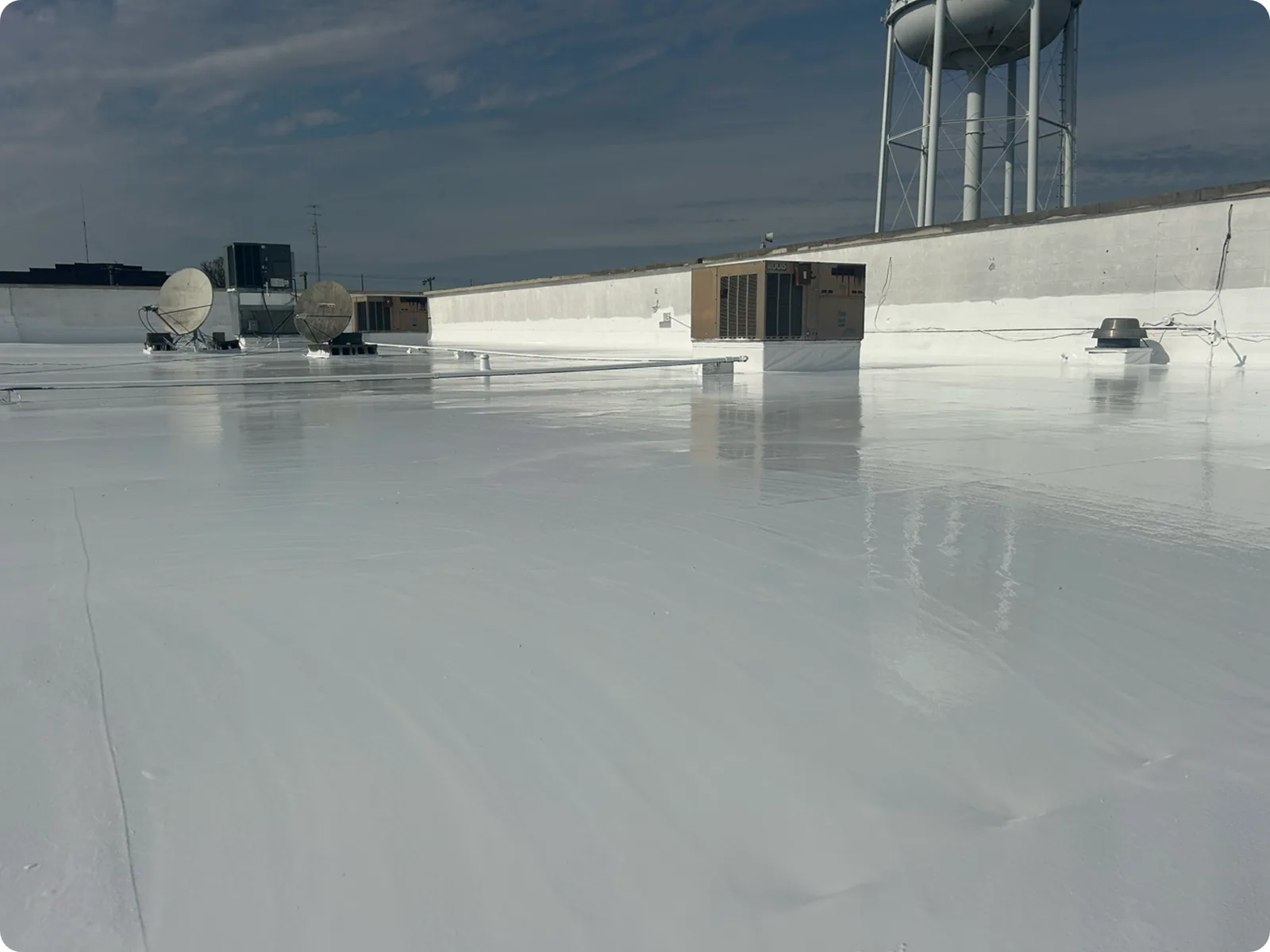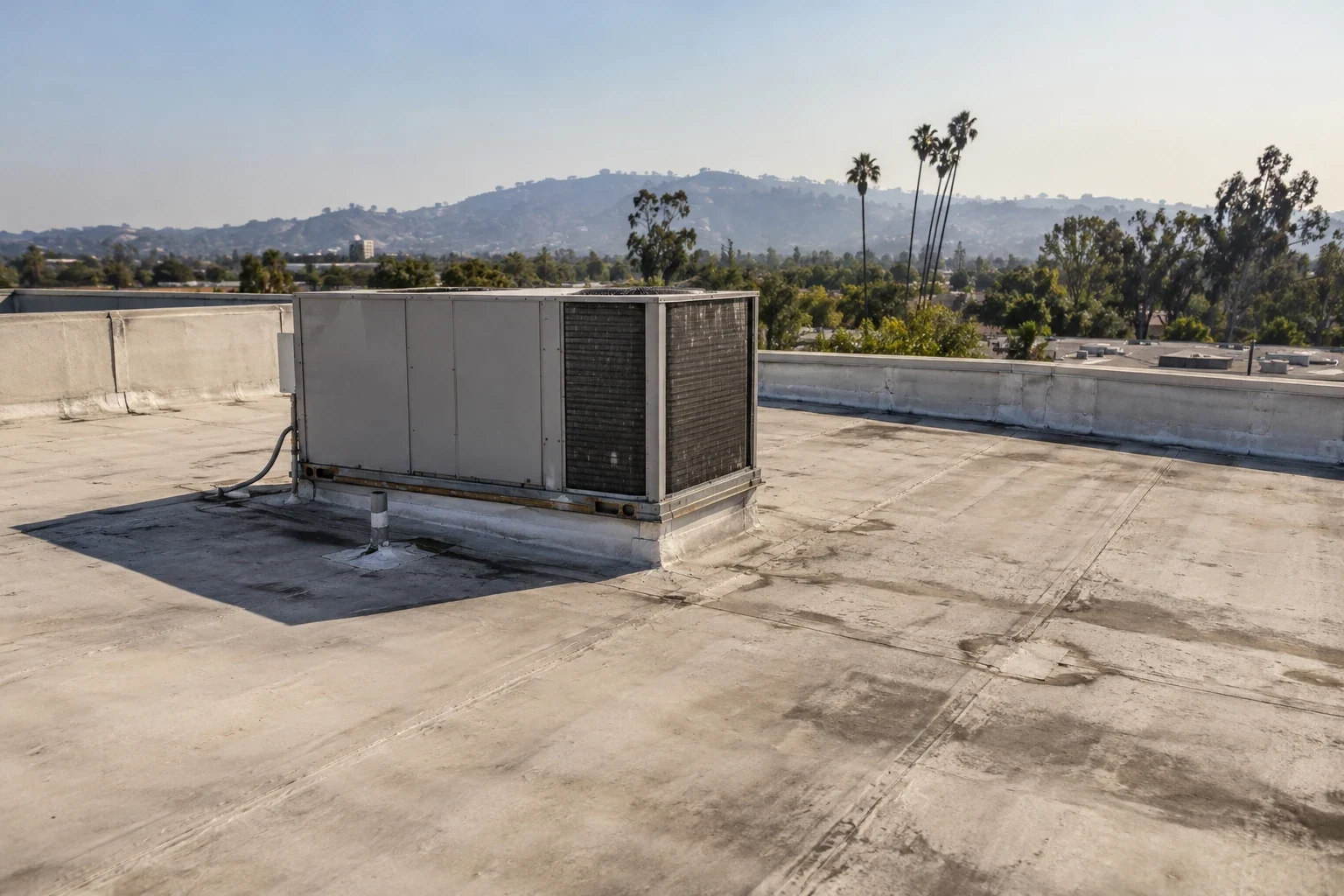

A dry-season viewing can make a Santa Clarita, CA property look easier to buy than it is to maintain. A roof that is not dripping today may still have damaged details or unanswered questions below the surface. A due diligence roof survey helps the buyer examine those issues before closing. Define the access and questions first. The report then connects the construction found, useful repair options and remaining investigation to the acquisition decision.
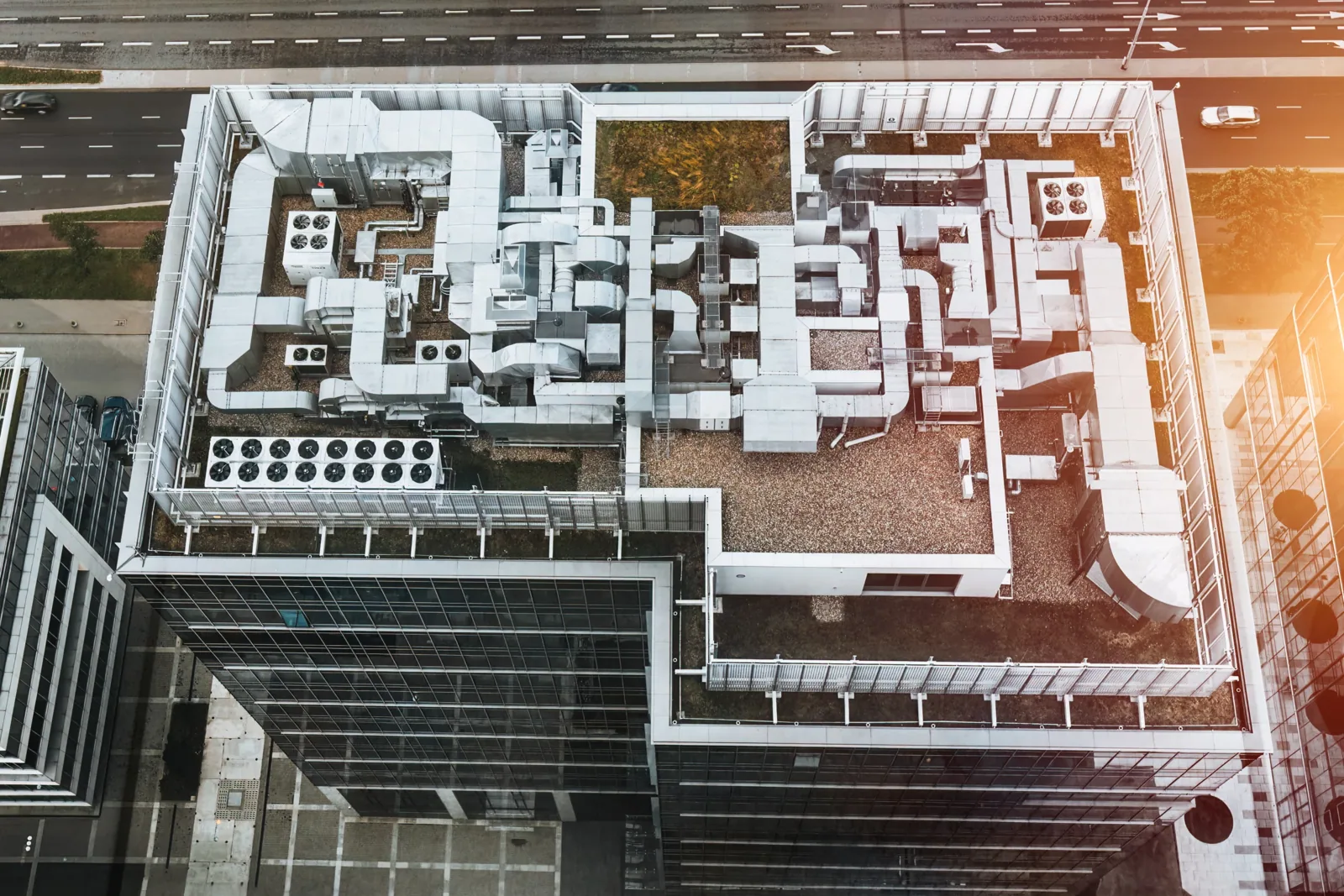
Identify the buildings and roof areas included in the transaction. Ask which concerns could affect the buyer's plans. Immediate repairs, equipment alterations and larger capital work need different information. Set a reporting date with time to follow up on important findings. A last-minute visit can leave the buyer with questions but little opportunity to resolve them.
A roof condition report provides the physical observations. Due diligence connects them to the buyer's action list. Establish roof access, interior access and any permission for sampling. Mark the portions that could not be examined. The report should show the buyer what the investigation answered and the access still needed before a wider conclusion can be drawn.
Identify the contact who can approve a second visit or intrusive test. Arrange the sampling and closure responsibilities together so a request for more evidence also has a workable access plan.
Request installation documents, drawings and repair records. Compare them with accessible construction. An addition or later equipment project can leave different assemblies over the same property. Label those areas separately. Keep known installation dates tied to the applicable roof section instead of assigning one date to everything above the building.
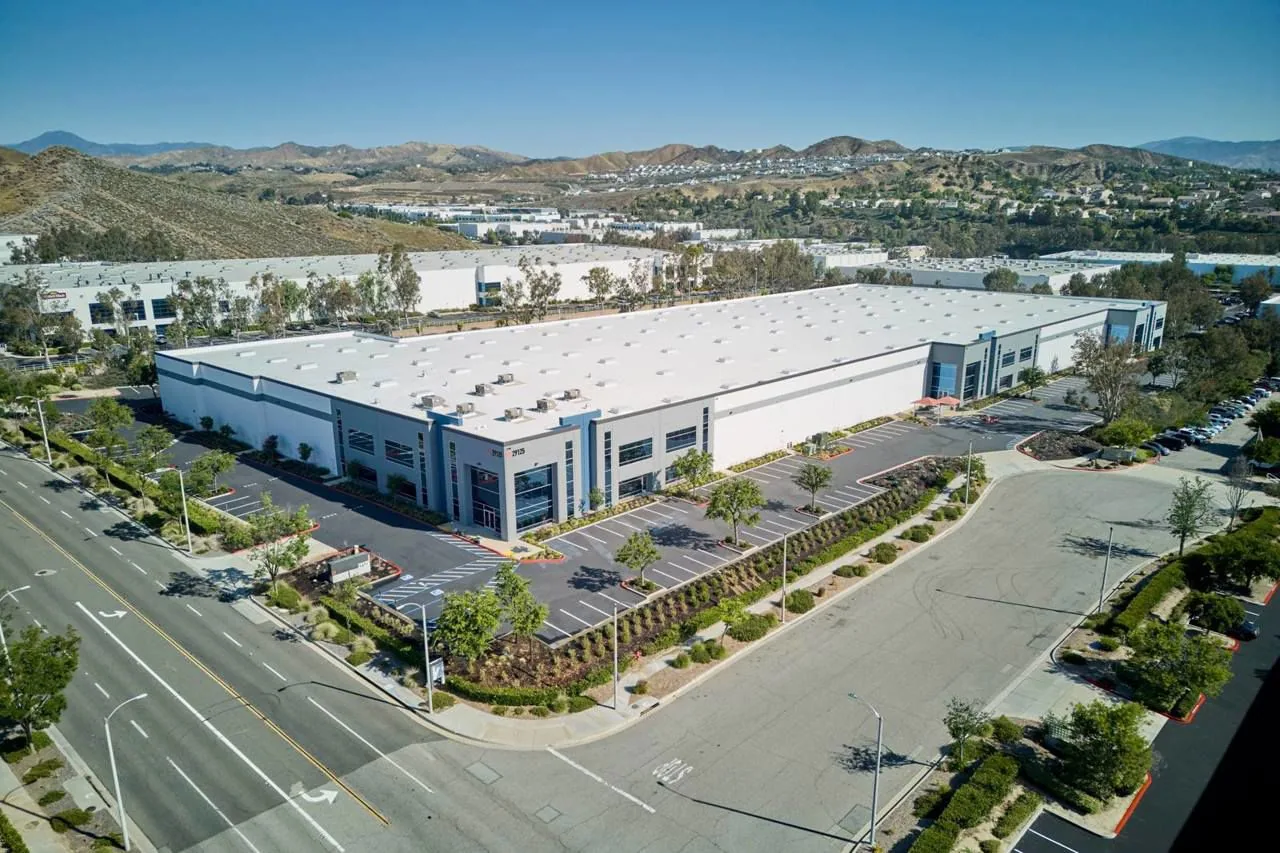
For a property in Valencia Industrial Center, identify the actual buildings and tenant spaces in the sale. A nearby Rye Canyon Business Park assessment also needs clear roof boundaries and access arrangements. Confirm those details with the seller or operator. The survey uses the construction examined at the property. Its plan allows the incoming owner to locate the findings after the transaction team has moved on.
Examine accessible flashings, seams, penetrations, perimeter connections and outlets. Locate reported interior water against the roof plan. A stain can be away from the exterior opening, so retain both locations. Check prior patches and alterations where they may affect the proposed correction. Photograph the detail and its surrounding construction.
A commercial roof inspection establishes these inputs. Surface weathering needs interpretation against the installed product and other findings. A faded finish alone does not price a replacement. The report identifies the defect, its consequence and the next task. Where a supporting connection or concealed layer remains uncertain, explain the investigation needed before deciding the wider repair boundary.
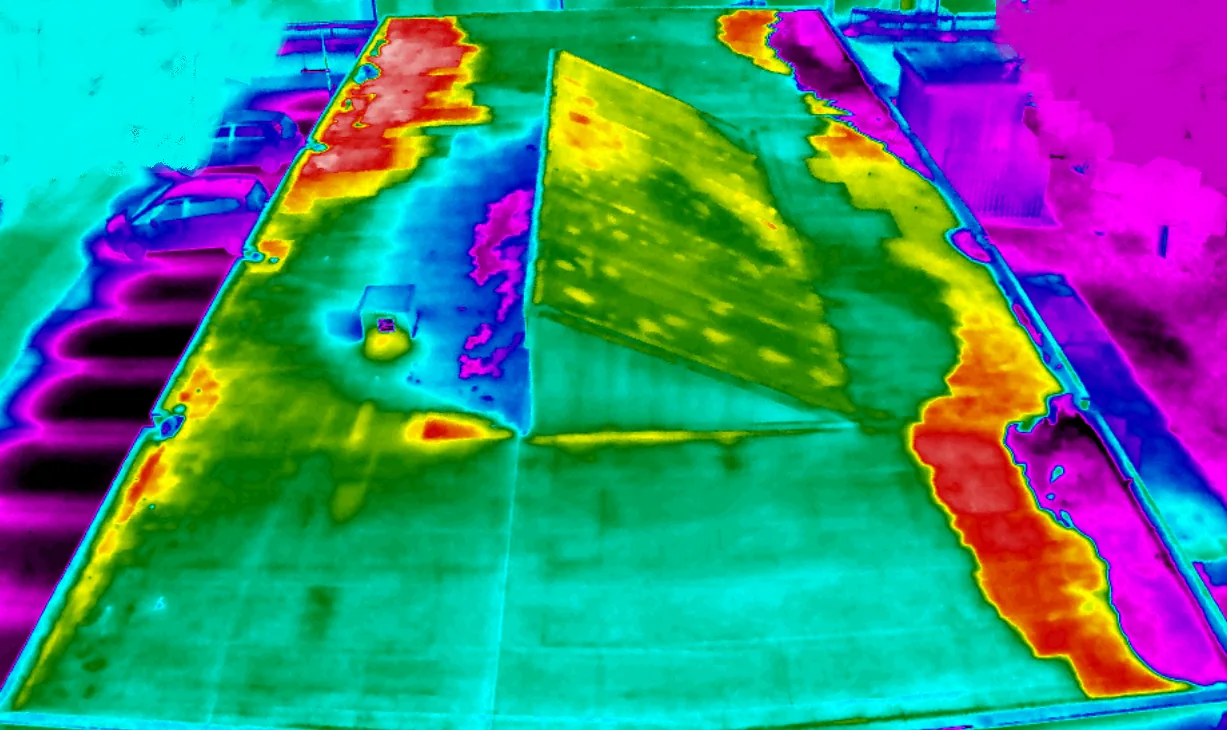
Further investigation is useful when an unanswered question could materially change the option or budget. Choose methods for the actual assembly. A thermal pattern can suggest places for confirmation under suitable conditions. It is a temperature observation, not a complete map of failed insulation. Samples or other suitable checks establish the condition they actually examine.
An infrared moisture survey records the method and conditions. Keep confirmation points on the plan with the layers observed there. Explain whether the results support a local allowance or more investigation. If sampling is not permitted, retain the question in the acquisition action list. The buyer then sees the difference between a supported quantity and an allowance for construction still concealed.
Separate immediate corrective work from maintenance and potential capital projects. Give each item a roof location and a scope basis. Include preparation, damaged details and access with the surface material. A useful allowance states what it includes and which discovery could change it. The buyer can ask for follow-up pricing against those same quantities.
A repair option may suit a localized defect where retained material is sound. A recover proposal requires review of layers, support, attachment, moisture and added load. Replacement can need wider interior protection and a concealed-condition procedure. Capital planning compares the viable choices. Avoid treating a smaller surface scope as equivalent to an option that corrects more of the assembly.
Ask the operator about receiving, equipment service and occupied rooms. Record the spaces below the areas likely to need work. Identify intakes and activities that need coordination with the facility team. An available roof route does not automatically provide a usable delivery or disposal route. Include those arrangements in the planning questions.
Commercial properties along McBean Parkway can have different tenant and public-access requirements. Confirm the restrictions at the building being assessed. A roof phase needs boundaries and an appropriate protection method. The buyer should see how those needs can affect timing and cost. Dry-season planning still includes a procedure for wind, rain or unexpected construction. The final contractor scope establishes the practical opening and closure sequence.
List missing documents, further access and unresolved testing. Include the design or permit questions needed for the proposed option. Review issued warranties for any transfer requirements and obtain the issuer's instructions where necessary. Warranty management organizes that information separately from the physical condition assessment.
After closing, carry the roof plan and open tasks into asset management. Record the work approved and the completion evidence. Preserve the report date and inspection limits. A survey is a starting assessment, and later leaks or equipment changes can need another review. A clear handoff gives the new operating team practical tasks and usable locations rather than an unexplained replacement number.
A due-diligence survey should identify the properties and roof sections accessed, timing, visible methods and any area not reviewed. Separate current observations from budget ranges and longer-term planning opinions, especially when drawings, maintenance records or invasive testing are unavailable. Tie each recommendation to photos and explain what follow-up would confirm its quantity or urgency. A survey can support a transaction decision, but it is not automatically a bid, engineering analysis or assurance about remaining life. Keep exclusions visible so the buyer knows which questions require access, sampling or a separate specialist review before closing assumptions are treated as settled.
Exterior examination can provide useful findings, but the unanswered interior questions must remain visible. Report the access available and the effect on the assessment. Ask for further access where water timing or room protection could change the proposed work. Keep the conclusion within the investigation completed.
Record the date as unknown and examine the accessible construction. Material identification, layers and condition can still inform the next task. Missing history may justify further investigation where it affects the option. Do not assign the building construction year to the current roof simply to fill the record.
Assess whether the unresolved question could change the acquisition decision or allowance. Where it matters, define the useful investigation and seek access. If it remains unanswered, state the exposure and review trigger plainly. The report helps the buyer make that decision without representing a concealed condition as confirmed.
Give the operating team the roof plan, current findings and open actions. Identify the next task and who can arrange access. Add approved work and completion photographs against the original locations. That record helps the new owner carry the acquisition findings into useful maintenance and investment planning.
Arrange a due diligence survey with defined access, location-marked findings and an action list for the buyer and incoming property team.
Pages that connect with Due Diligence Roof Surveys for Santa Clarita Valley buildings.
Notifications