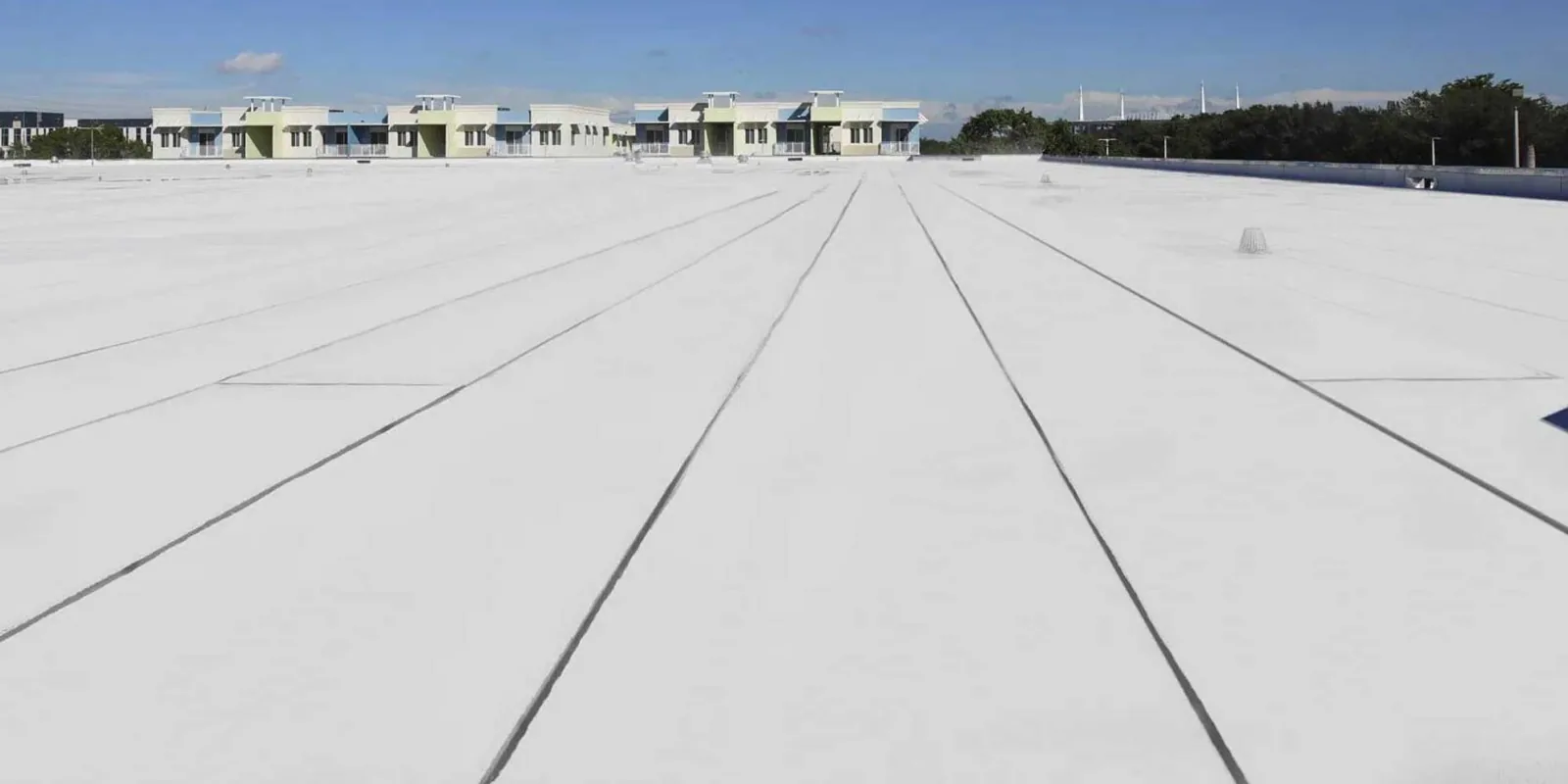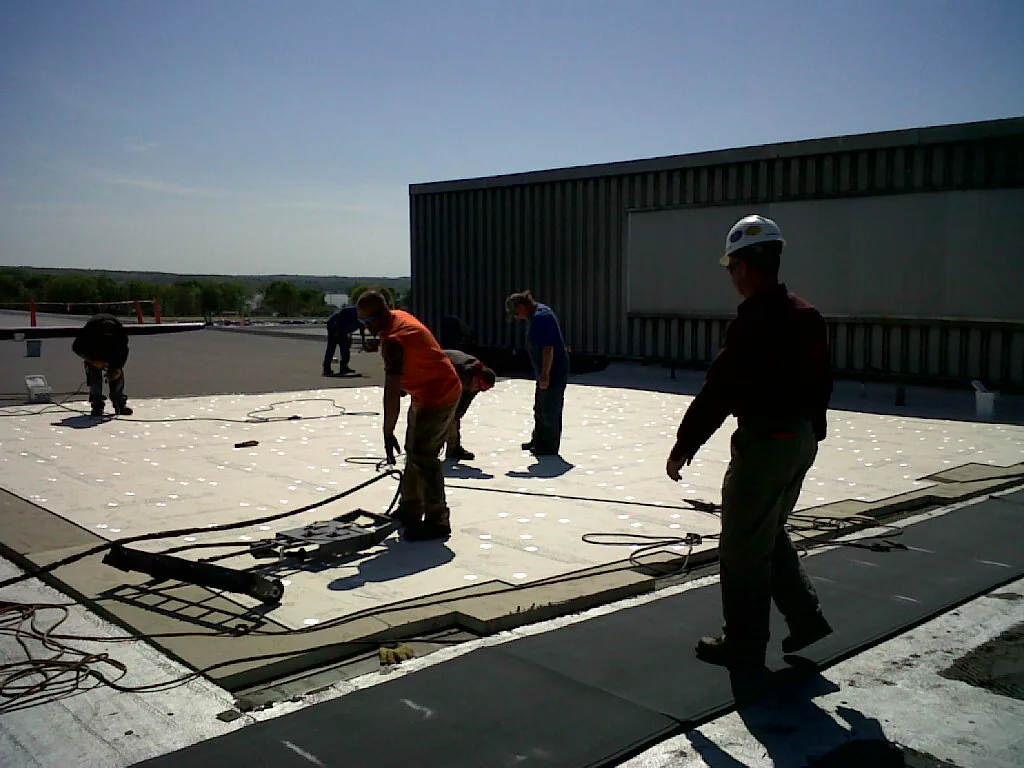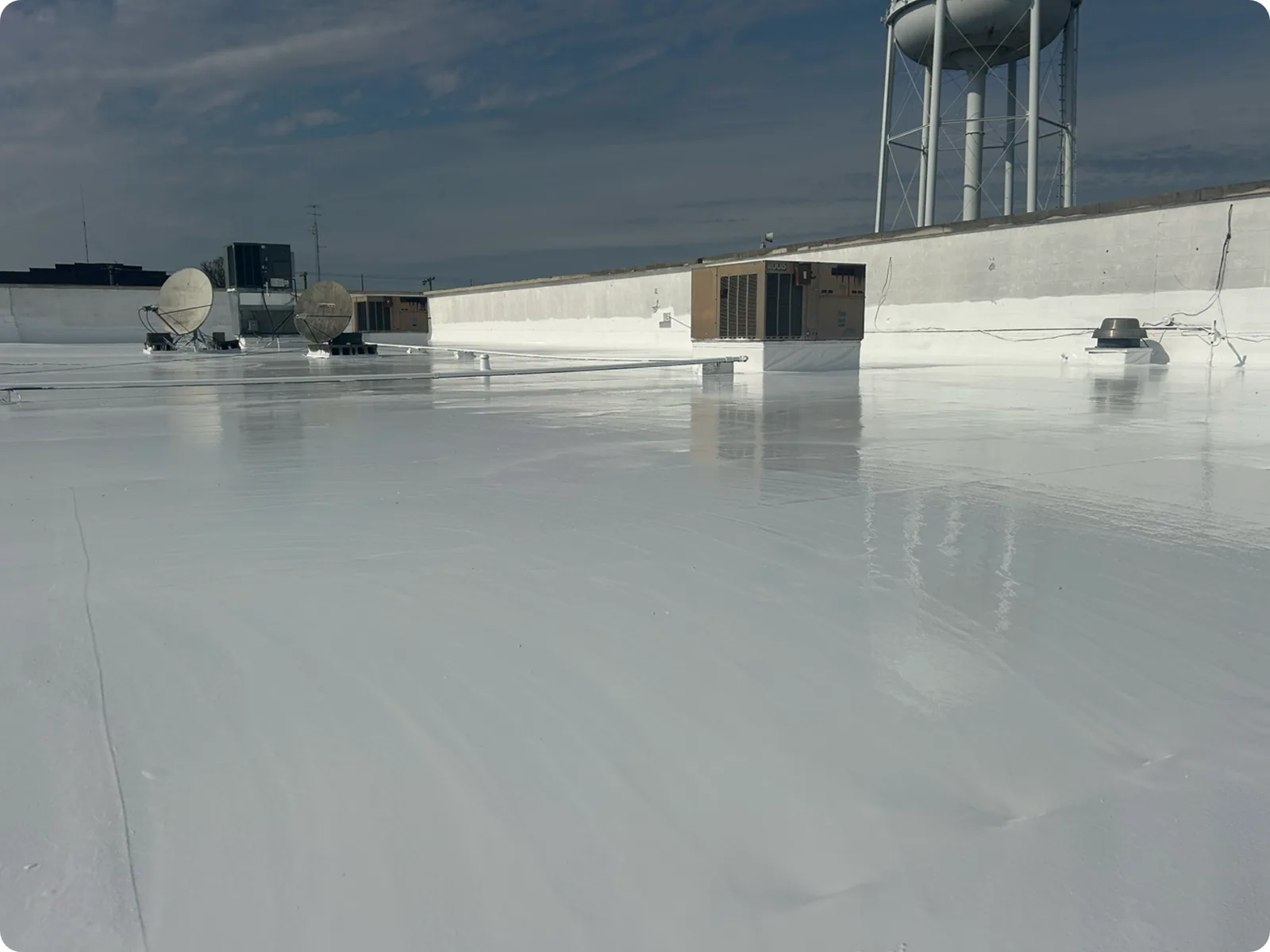

Spray polyurethane foam roofing is a system, not an unfinished layer of foam left in the sun. Its substrate, application and protective coating need a complete scope. Santa Clarita, CA has hot summers and cooler-season rain. Suitable conditions and the actual roof assembly determine when the work can proceed.
Commercial Roofing Santa Clarita assesses roofs for SPF construction and compatible maintenance. We identify retained materials, preparation and details needing correction. The owner receives the proposed layer arrangement and the required reviews before application.
Bring existing roof and coating records. Report water entry, damaged areas or recent equipment work. We use those records with the inspection to define the relevant question. The roof has to be suitable for the selected system before foam is proposed as the answer.
The specified protection may use suitable silicone coating materials or acrylic coating materials. Review the chosen combination's compatibility, application and upkeep requirements. The protective system needs that specific selection; substituting a finish by color would leave its suitability for the installed foam and exposure unresolved.
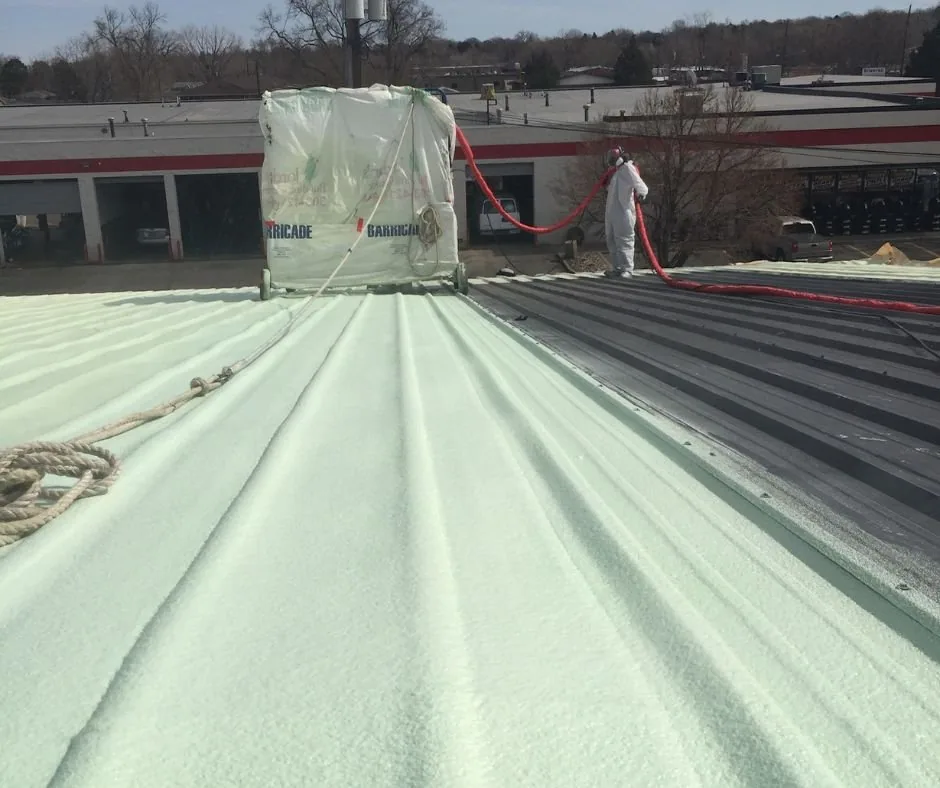
Spray-applied polyurethane foam forms an insulating roofing layer within a specified system. The protective finish shields the foam from exposure according to the selected product requirements. Foam and coating must be planned together, with their eligible application procedures.
The scope should identify the substrate, preparation, foam specification and coating system. Adjoining details and drainage also need definition. A price for foam alone may not include the complete work needed at curbs, walls and outlets.
Insulation and supporting layer planning helps compare the proposed assembly with other options. The complete roof needs its applicable fire, energy and construction requirements reviewed. The insulating material does not establish those outcomes independently.
Existing material condition and attachment matter. The selected system needs a suitable surface and supporting assembly. We examine accessible roofing and identify preparation, removal or further investigation needed. A clean-looking roof is not automatically eligible.
A roof inspection documents locations and limits. Concealed moisture concerns may need authorized samples or other suitable investigation. The findings establish condition at examined locations and identify where more evidence is needed.
A recover needs wider eligibility review for structure, retained layers, attachment and applicable requirements. SPF should be considered within that complete decision. Where removal is justified, the reconstruction scope should describe the supporting work before new application.
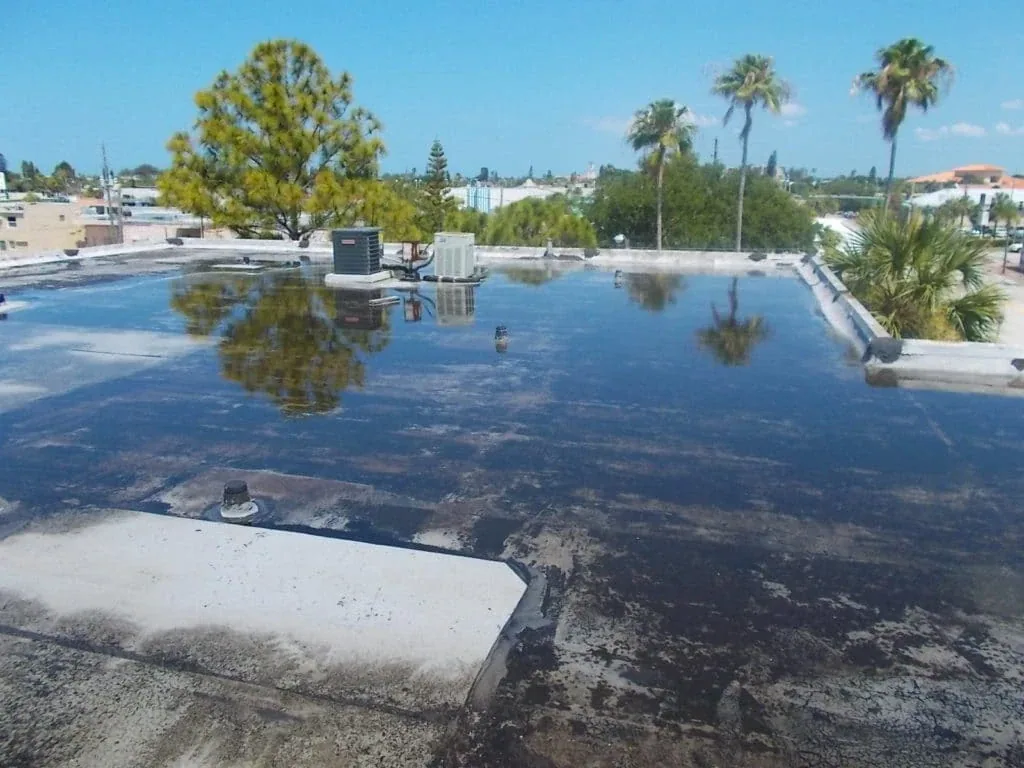
A designed layer arrangement may address geometry within an appropriate scope. The roof and outlets need assessment first. The proposal should explain the intended drainage path and how details connect, rather than assume sprayed material resolves every standing-water concern.
Drains and scuppers need suitable transitions and accessible openings. Changing roof thickness can affect those components. Any piping or outlet redesign needs the responsible qualified parties and relevant project review.
Curbs and perimeter details need coordination as well. The scope should locate modifications and identify the accepted method. The owner can then compare a designed drainage correction with ordinary foam application as separate amounts of work.
The selected foam and coating instructions govern substrate preparation and application. Surface moisture, temperature, wind and anticipated weather can affect suitability. A dry-season date alone does not establish that conditions meet the product requirements.
Overspray and surrounding activity need a protection plan. Identify nearby vehicles, equipment and occupied areas. Any required HVAC or intake control must be arranged by the responsible operator within an agreed window. The roofing task should follow that plan.
We coordinate access, preparation, foam and protective coating as a sequence. If weather or newly exposed findings changes the task, the revision should be explained and authorized. The final record should show the materials and checks associated with the work actually performed.
Sprayed application still needs designed interfaces. Pipes, curbs and walls have their own geometry and materials. The system details should identify preparation, terminations and protective coating. The absence of sheet laps does not eliminate the need for compatible flashing construction.
Penetration flashing coordinates the roof with the actual component. Equipment alterations may involve another responsible trade. The accepted scope should show who handles that component and who completes the roofing interface.
Later service work can damage the surface or change a detail. Report those changes promptly and retain the relevant photographs. Repairs need the installed foam and coating identified before compatible preparation and reconstruction are selected.
The protective system has product-specific requirements. Thickness, application and relevant checks should be included in the scope. The coating must suit the foam and expected conditions. Broad labels alone do not establish compatibility or the maintenance procedure.
Coating restoration may be appropriate after suitable assessment of an existing SPF roof. Damaged foam or another underlying concern needs its own correction. A fresh surface does not establish that those materials are fit to retain.
Maintenance should track surface damage, details and outlets. Preventive roof maintenance can organize those checks. Frequency and required procedures depend on the installed system and condition, with relevant manufacturer documents retained.
At Valencia Industrial Center properties, receiving and production contacts help define the work route. The operator identifies actual restrictions and equipment activity. We coordinate material and roof access using that information.
Commercial properties in Newhall may have shared entrances and nearby storefronts. Staging and protection should account for those conditions. The manager should identify contacts for affected spaces before application is scheduled.
Santa Ana winds can complicate spray work in Southern California. Suitable conditions and the selected product procedures govern the task. We plan around the actual site rather than assume regional weather ensures a particular application window.
Compare complete scope, preparation and assembly requirements. Santa Clarita publishes adopted code editions with its supplemental project requirements. Establish which authority and submission basis apply to this foam project. Fire, energy and relevant property provisions need project review.
Warranty eligibility and terms depend on the actual documents. Identify manufacturer acceptance and required inspections before construction. Keep accepted details, installed materials and completion records together so future maintenance has a useful reference.
Locate the completed repairs and any remaining assessment on the roof plan. If the final quantities differ from the initial estimate, retain the finding and authorization with the work record. That helps the next manager understand what changed and why.
Foam application depends on a dry, prepared receiving surface and control of conditions during installation. Identify existing moisture or loose material before covering it, and confirm which areas need removal or substrate repair. The selected system documentation should guide application, protection and coating requirements for the actual assembly. Define the finished thickness or acceptance measure in the project specification and record how it is verified. Detail work around drains, equipment and terminations needs its own inspection before coating obscures the foam. Keep exposed or deferred areas visible in the daily status and final record.
The selected SPF roofing system includes its specified protective coating. Foam and finish need eligible procedures and a complete application scope.
Retained condition needs suitable assessment. Moisture concerns and unsuitable materials must be addressed within an eligible assembly before application.
The task needs a protection and operating plan. Responsible teams arrange any required equipment control, and suitable conditions govern the selected application method.
Identify the installed foam and coating, then assess the extent. Compatible preparation and reconstruction should address the supported condition.
The responsible project review identifies applicable requirements and acceptance. The complete foam and coating assembly must fit that scope.
Call Commercial Roofing Santa Clarita with your roof records and proposed SPF work. We will examine the condition and define the complete application scope.
Pages that connect with Spray Polyurethane Foam Roofing for Santa Clarita Valley buildings.
Notifications