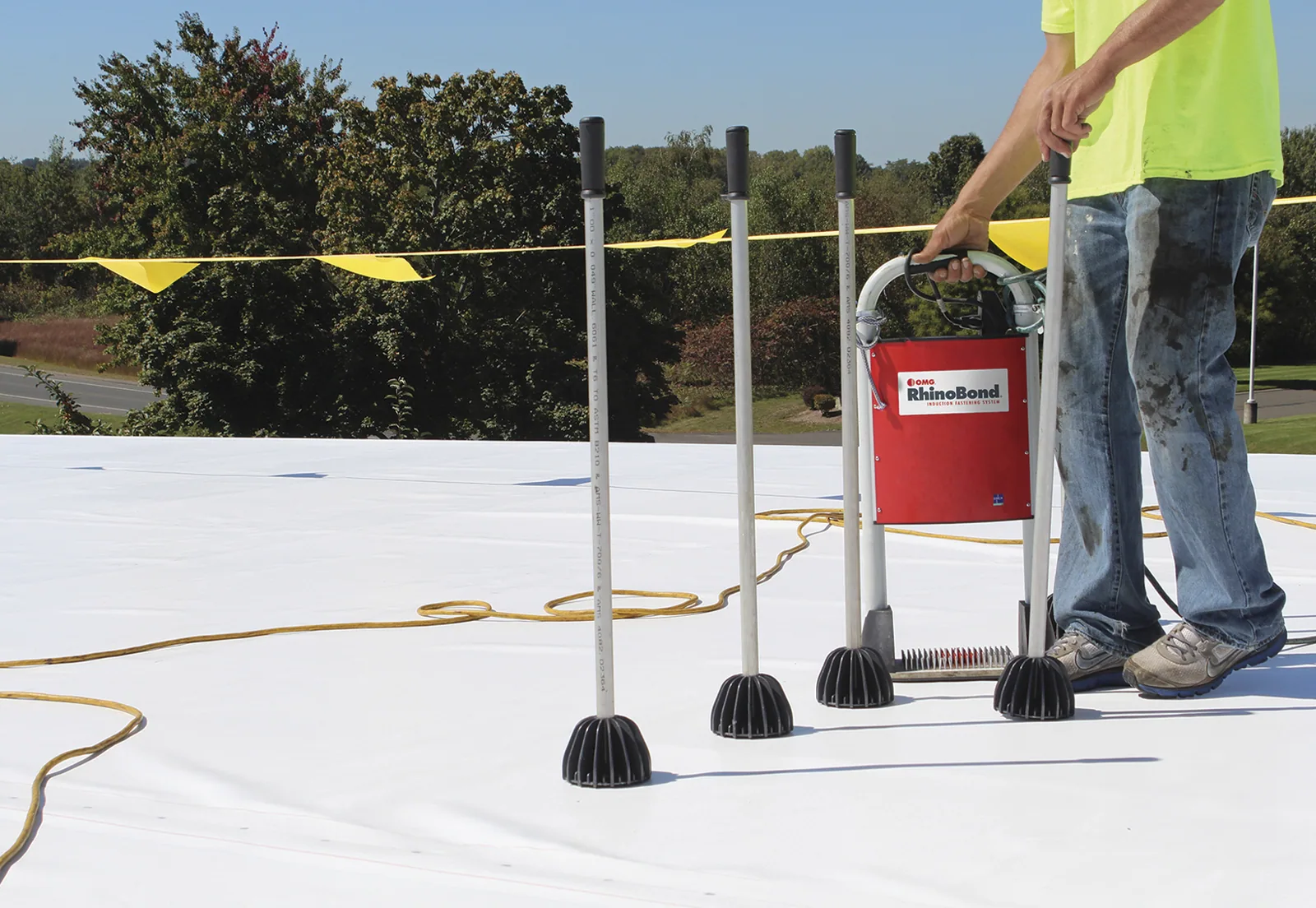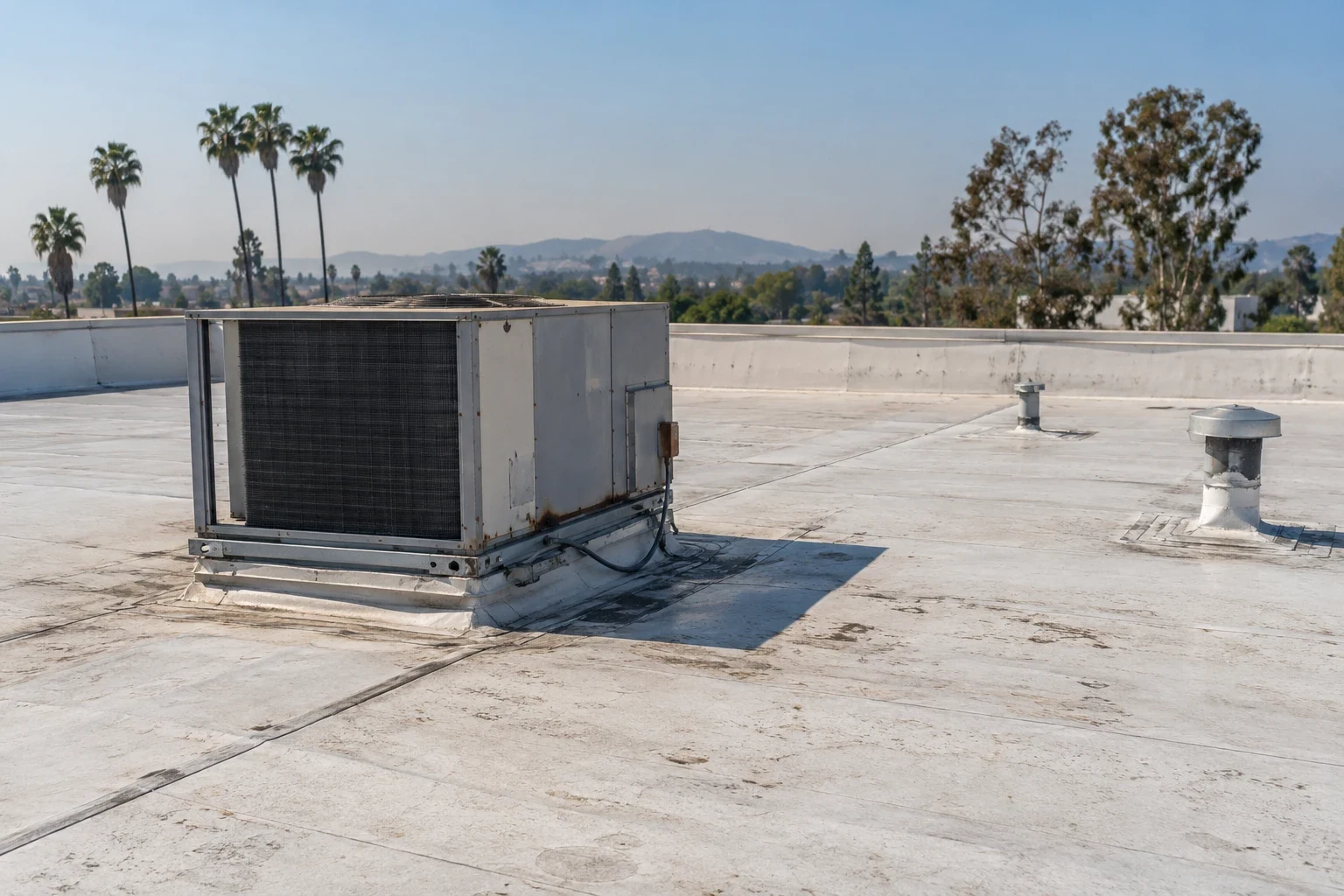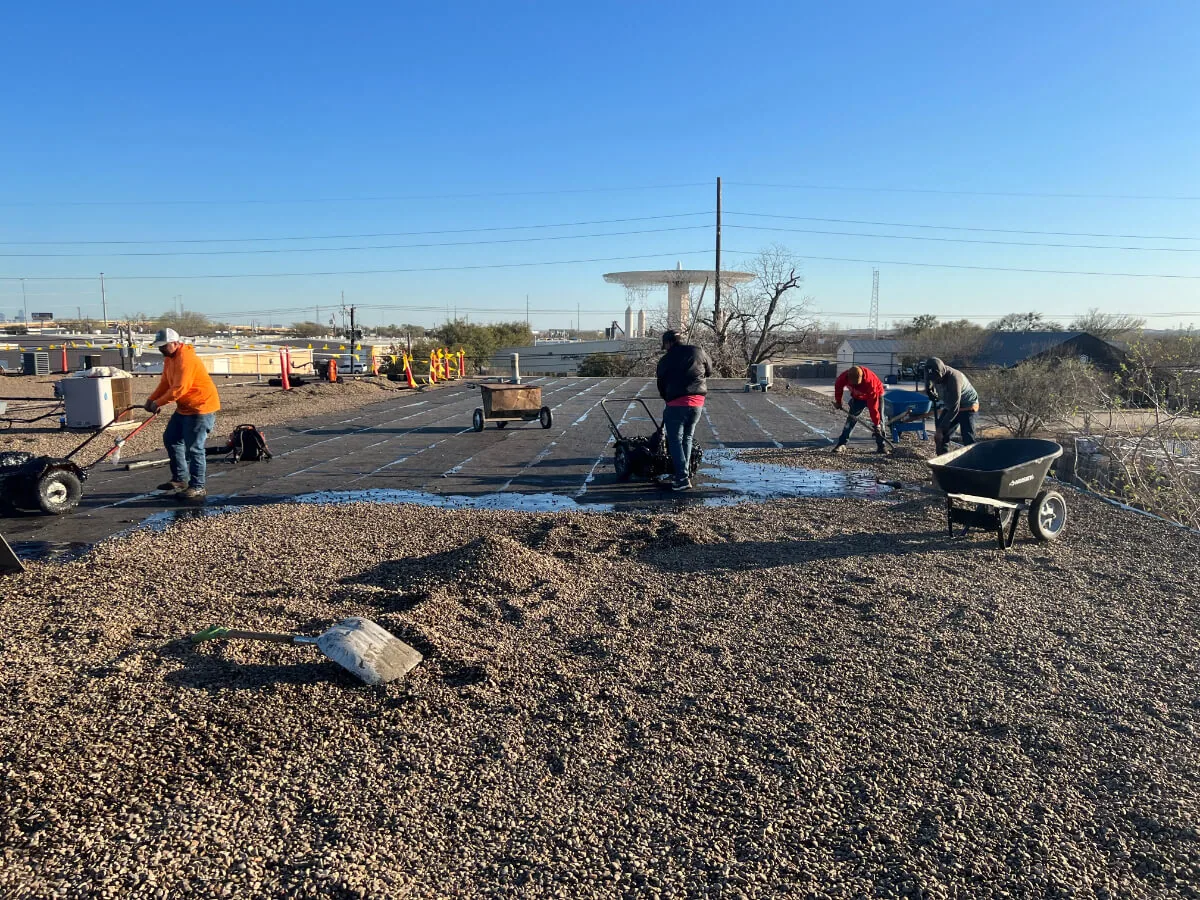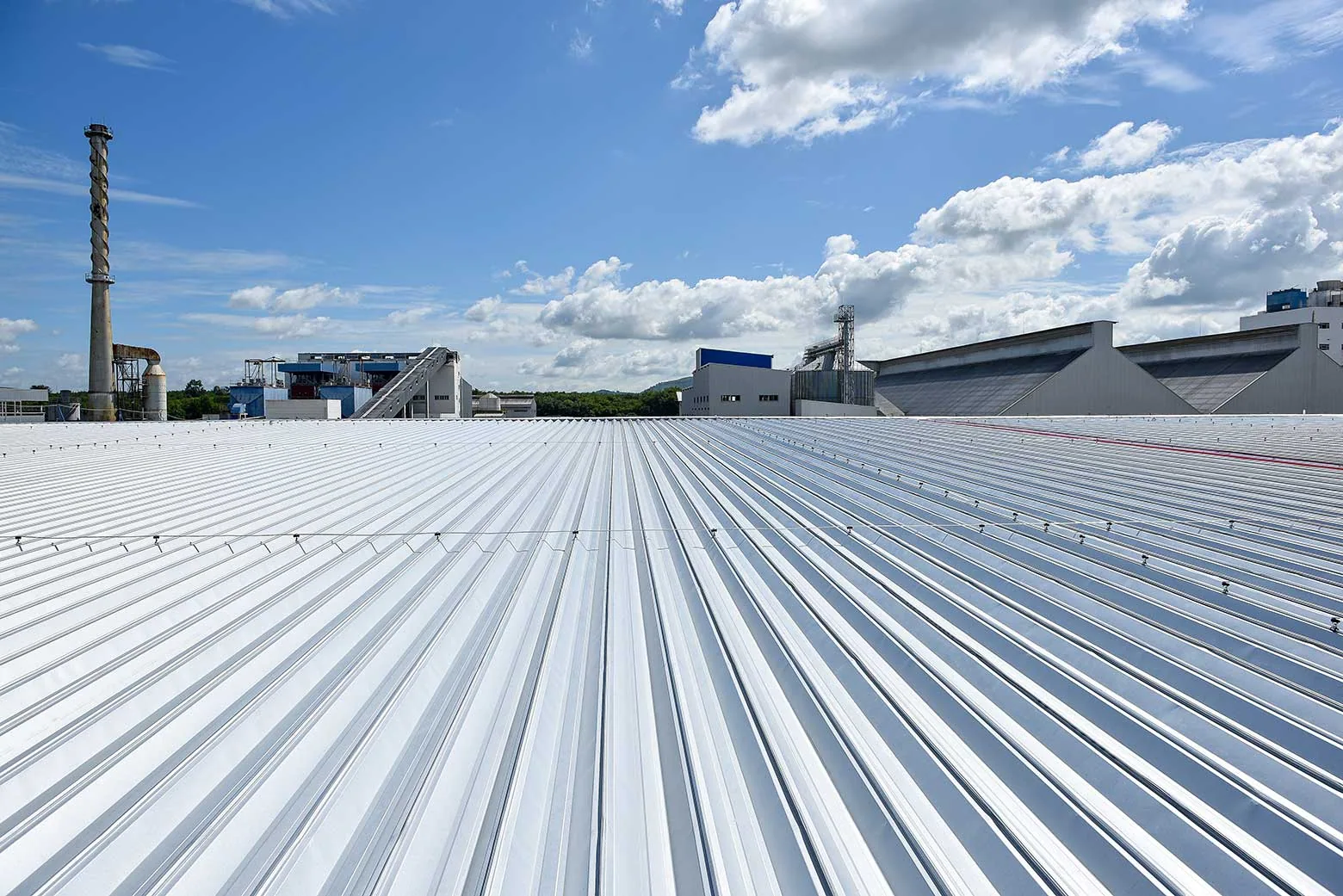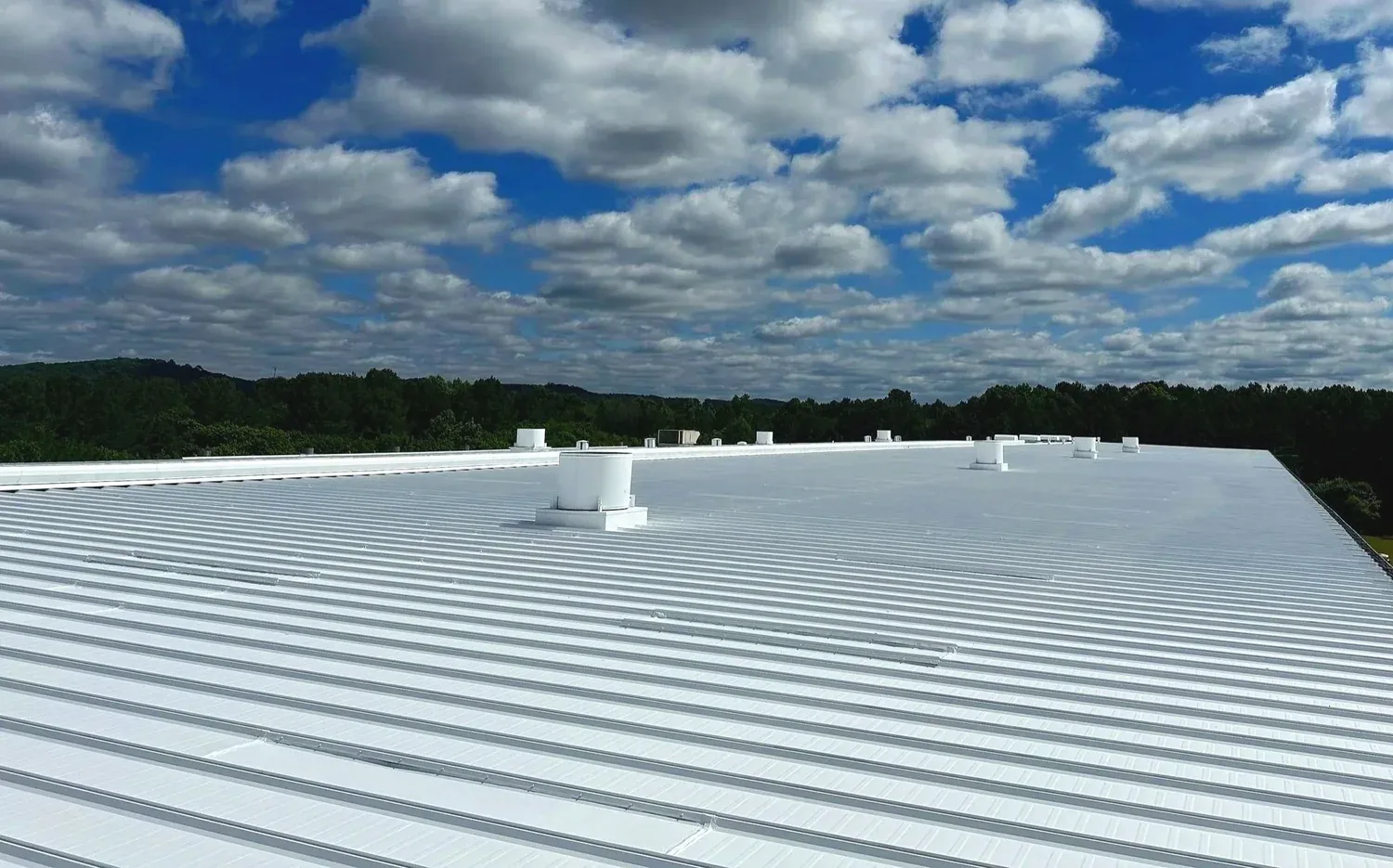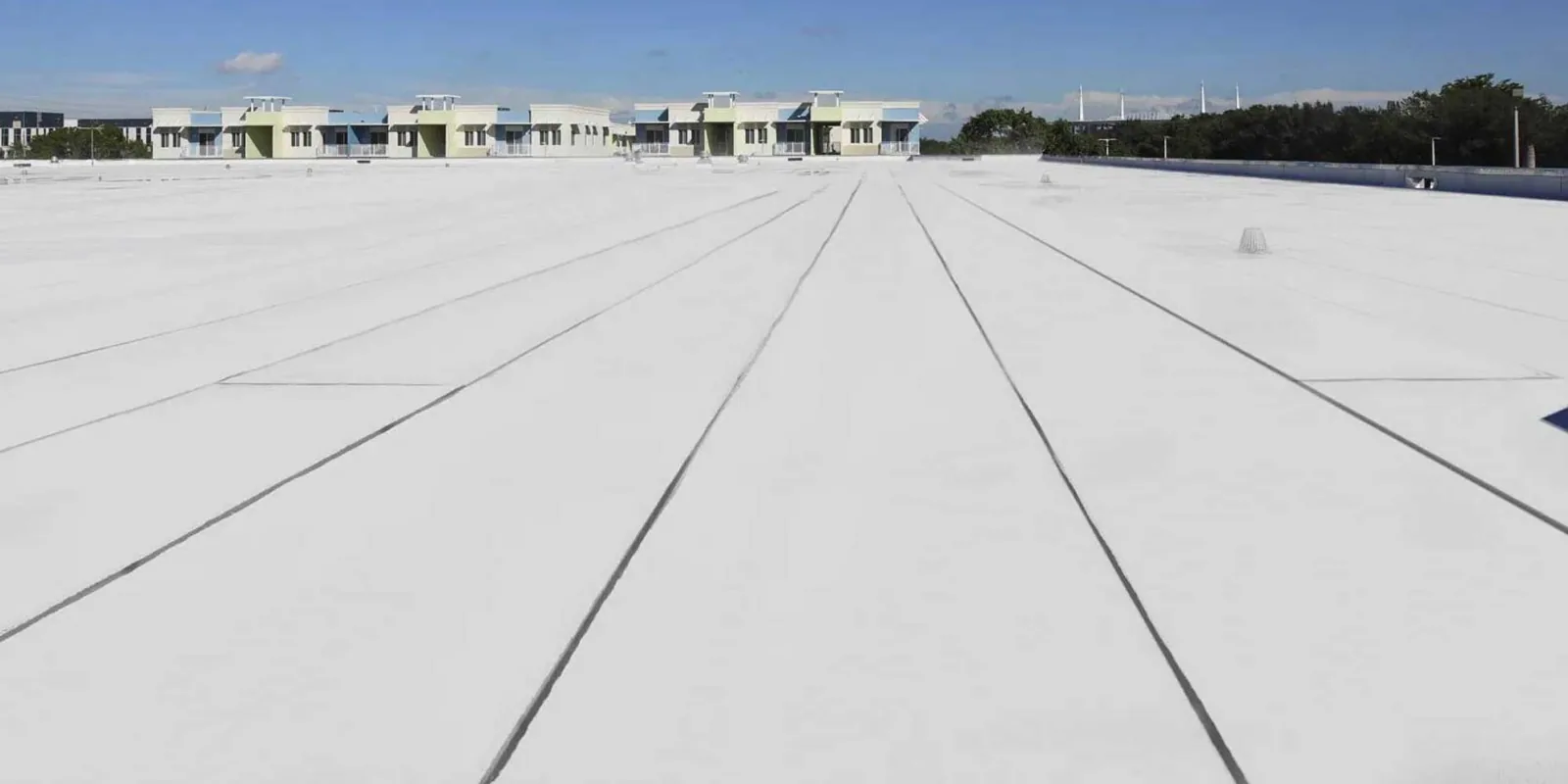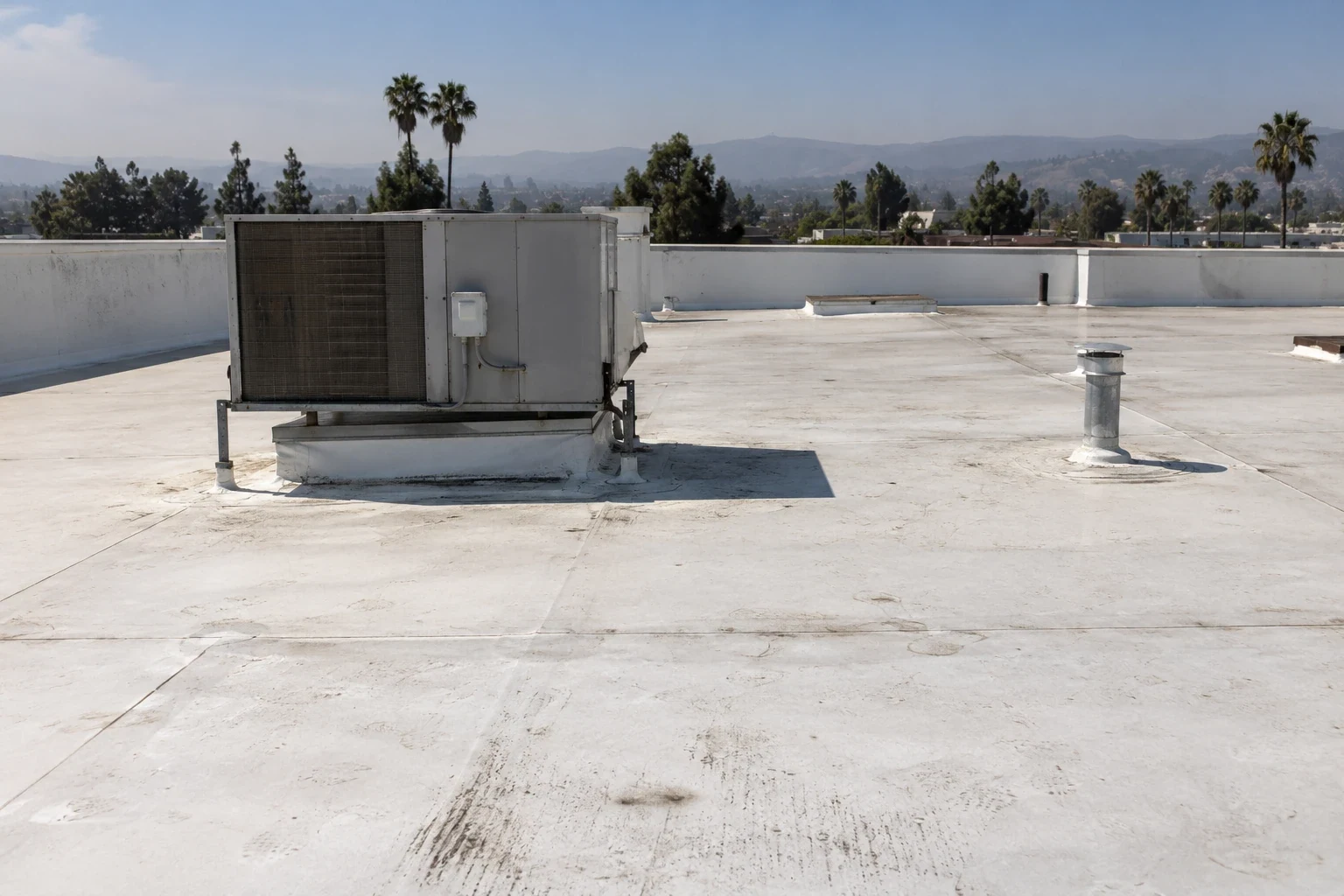

Heat on an exposed sheet makes condition and preparation worth examining before a system decision. A reflective finish still needs sound construction beneath it. For commercial roof systems in Santa Clarita, CA, we compare the complete installed assembly with the proposed work. The owner sees its support, outlets and wall connections beside the field material. Those details help decide which option can actually be completed at the building.

TPO membrane construction and PVC roofing assemblies use product-specific preparation and welded connections. We identify the actual sheet before a repair procedure is selected. EPDM roofing requires its appropriate joining components and receiving conditions. Appearance alone cannot settle identification. Records, accessible markings and detail checks help establish what the existing assembly can accept.
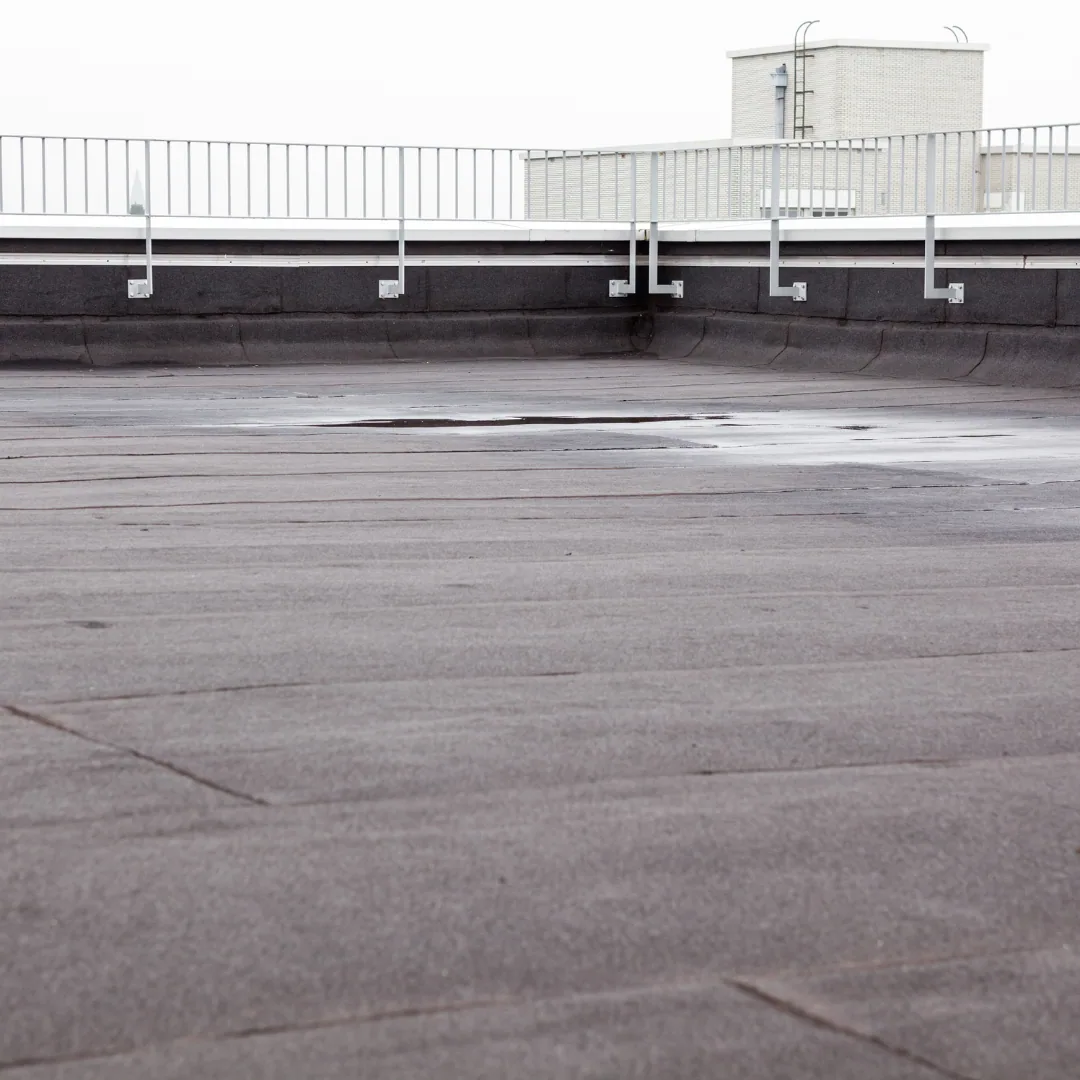
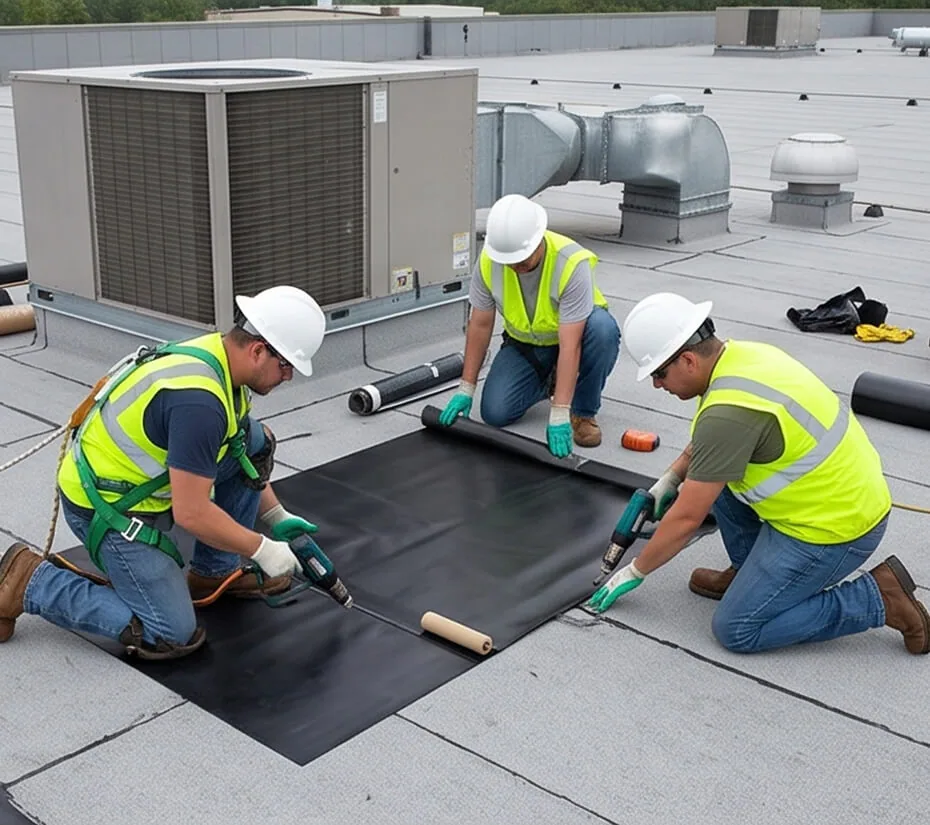
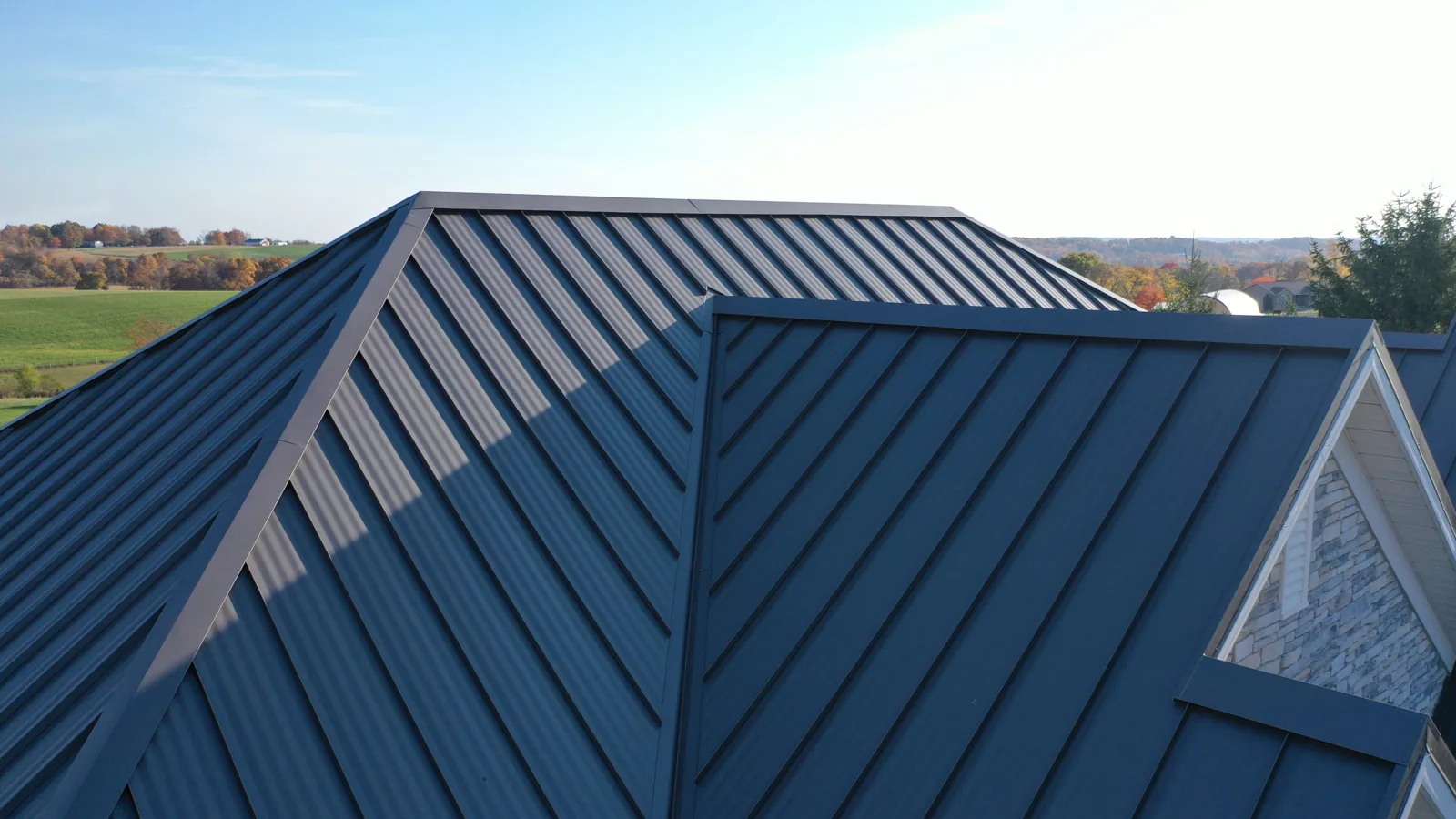
Modified bitumen roof work needs its layers and application method considered together. Equipment, adjoining construction and occupied controls affect the selected procedure. Standing seam metal connections bring panel movement, fastening and transition questions. A local opening can involve a detail beyond the visible surface. The proposed correction addresses the mechanism supported by investigation rather than applying the same patch method across different materials.
Commercial roof systems in Santa Clarita, CA, compared through receiving construction, preparation, permanent details and the owner's occupied work plan.
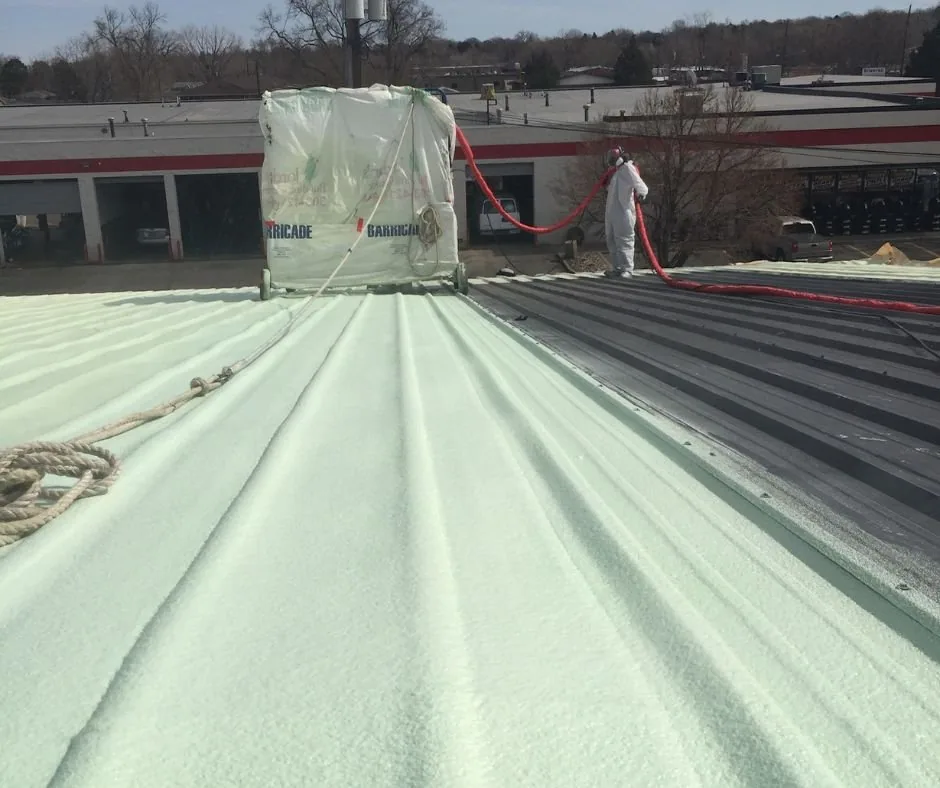
A silicone restoration system needs suitable receiving material, preparation and detail treatment. We assess adhesion requirements and the layers below before treating restoration as feasible. Confirmed wet or deteriorated construction may require removal. Outlet geometry remains a separate question. The comparison includes preparation, repairs and maintenance requirements so a coating quantity does not conceal the work needed to make its base suitable.
With Southern California Innovation Park on one side and Valencia Industrial Center on the other, Rye Canyon Business Park combines industrial work and office uses. At a property there, equipment changes may meet roof details at several levels. We measure the actual interfaces and agree responsible trade tasks. Rye Canyon assembly planning keeps access and affected operations beside procurement. A system label cannot decide the usable curb height or the building's handling route.
Settle receiving condition and the permanent connection before ordering material. Project-specific attachment and applicable design requirements remain part of that decision. During Santa Ana conditions, handling and safe access need review. Summer application follows actual product and surface limits. We retain daily protection, related equipment readiness and accessible completion checks with the phase. The owner then compares assemblies that include the work necessary to close them.
Finished-detail photographs help later service alterations. Keep installed-product information and outstanding tasks with those images. A future change can be assessed against the connection actually completed.
Several systems can present a light-colored surface. Product records and field identification establish the repair basis. We resolve that question before selecting preparation.
Measure its finished level against the outlet and adjoining detail. Added layers can change that relationship. Necessary reconstruction stays in the option being priced.
Review moisture, support, attachment, finished heights and drainage. We identify any condition that needs correction before retained material can be covered.
Appearance does not establish chemistry or procedure. We identify the installed system and use a connection method compatible with that material.
Bring the product records and intended changes. We will assess the receiving construction and the connections each option needs.
Notifications