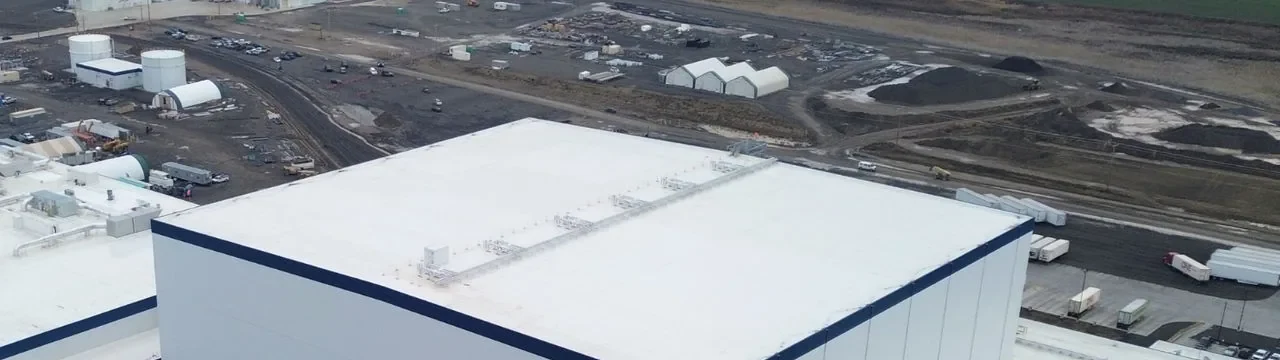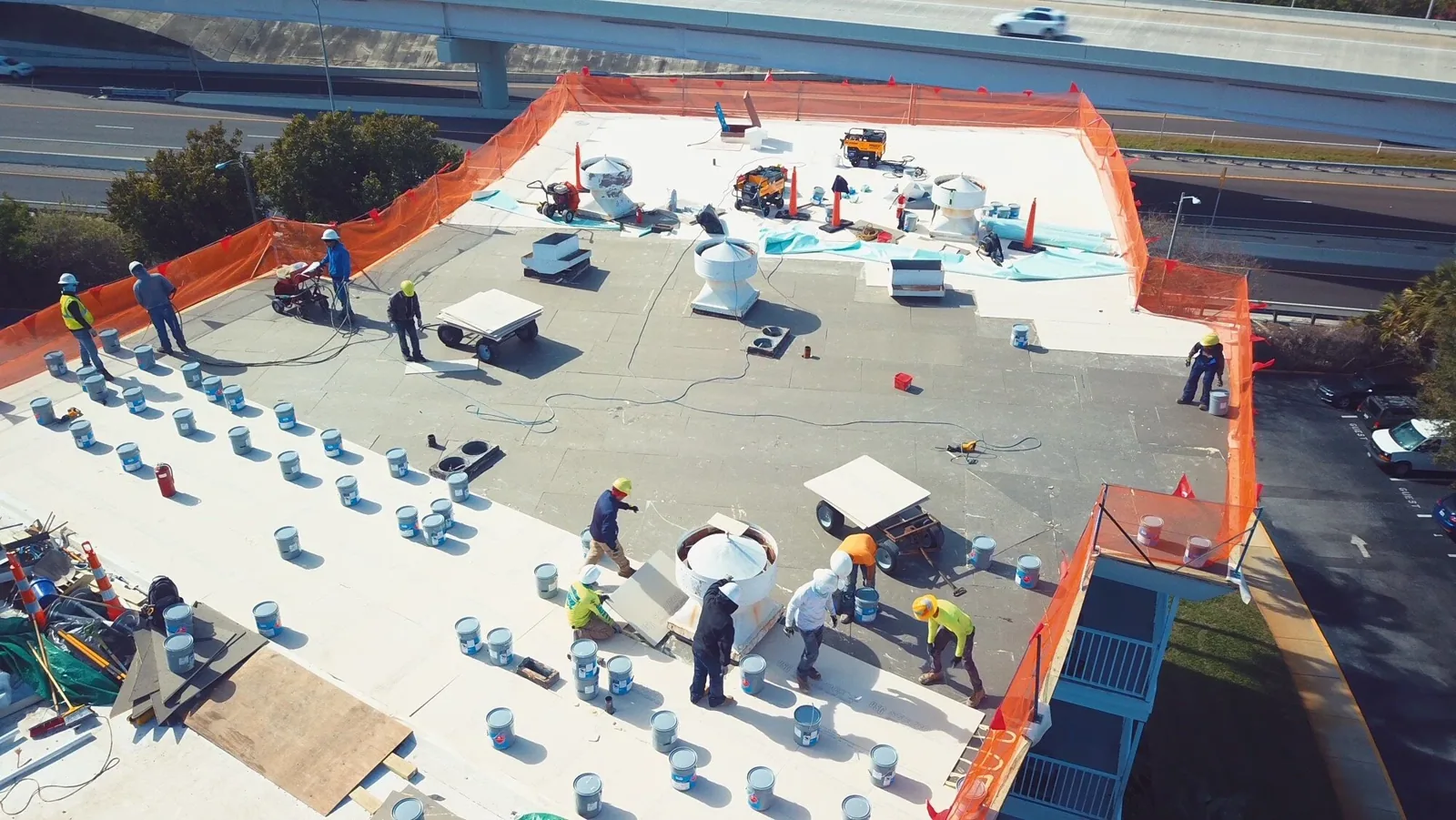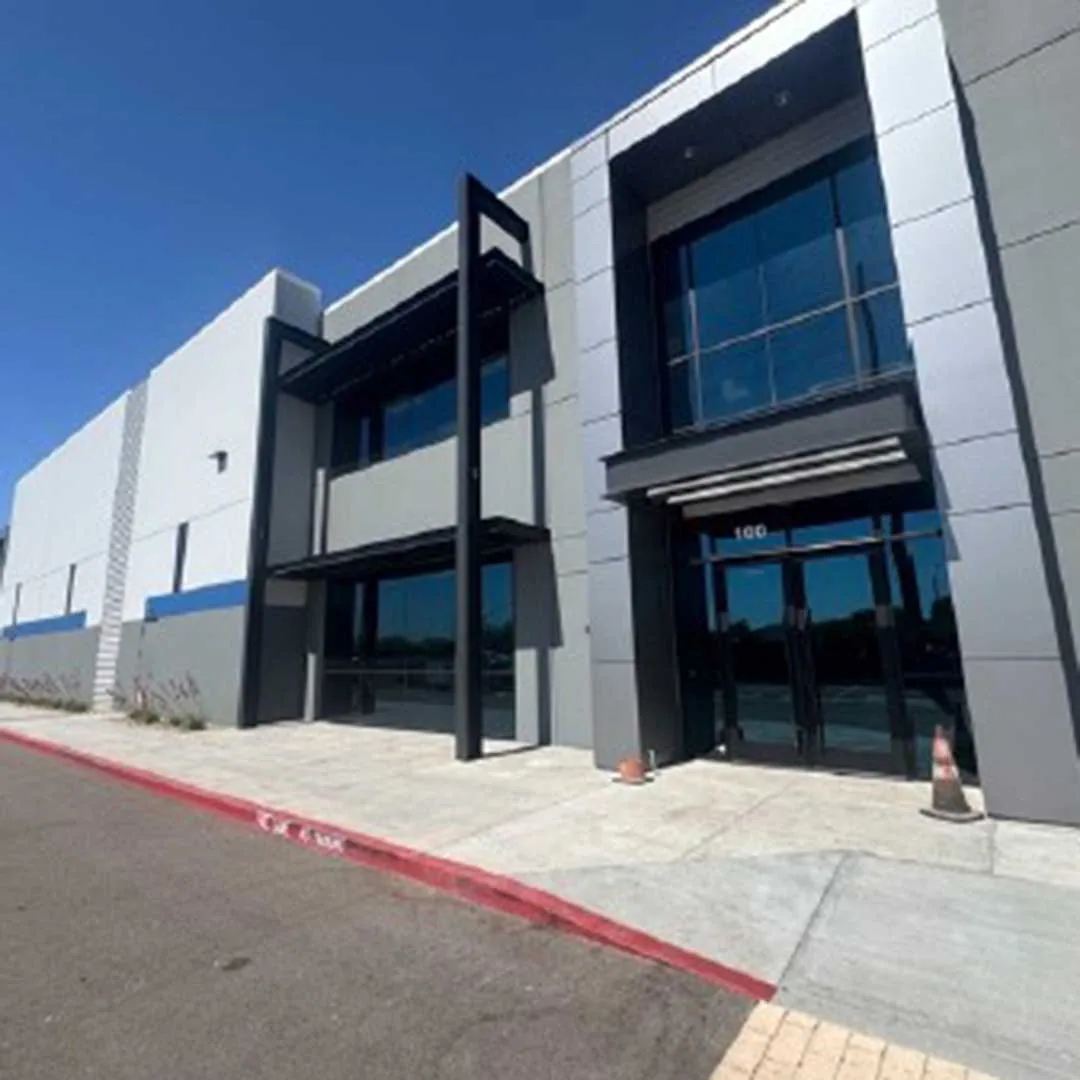

Winter rain can expose an open detail above a distribution operation that still needs to receive and dispatch goods. Inspect those connections during the dry season. Then set the repair and the handling route together. For distribution center roofing in Santa Clarita, CA, we assess the membrane, accessible layers and loading activity before defining the work period. A short roof task still needs a route that the building can use.
Keep the dispatch path clear. Give the manager the roof positions affected and the protection needed below them before materials arrive.
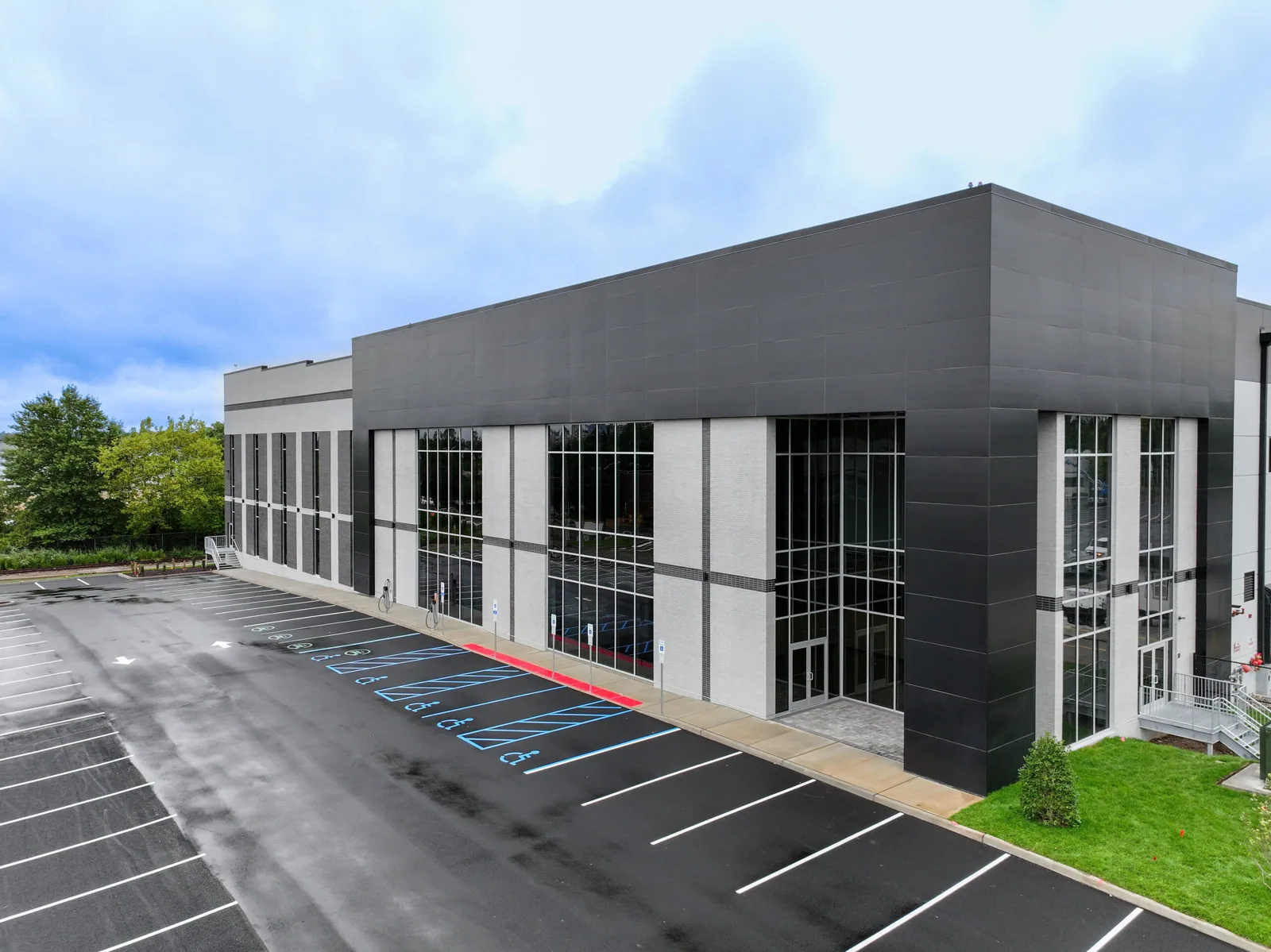
A receiving yard can have truck movement, staff access and stored goods sharing limited space. We review the actual arrangement with the manager. Roofing delivery and waste removal need agreed positions and times. Handling equipment cannot be placed solely because that corner is closest to the roof. The route must work with the loading operation and site conditions.
We also establish roof access and staging limits. Materials are stored and handled within the requirements for the building and the selected assembly. An uncertain support or loading question needs review before the position is accepted.
A warehouse roof project can have another stock arrangement. Manufacturing premises may add production equipment beside the same delivery route. We plan the affected operation from the actual property. Similar roof dimensions do not decide the handling method or interior protection.
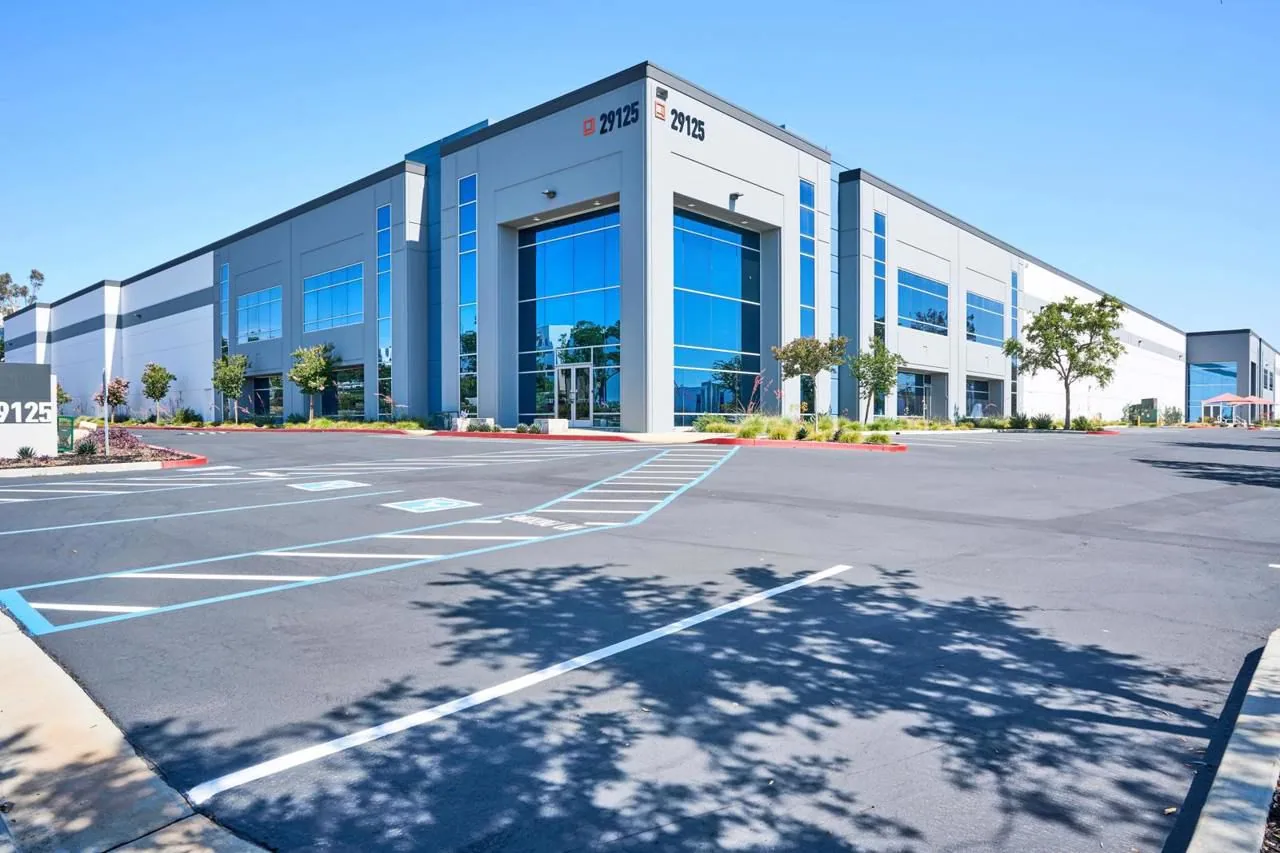
Valencia Commerce Center occupies the northwest quadrant of Interstate 5 and State Route 126. For a distribution project in that setting, regional access and the building's receiving plan are separate questions. We agree the last part of material delivery at the property. Gates, staging and roof access can influence the work period even where the regional route is straightforward.
Coordinate a Valencia Commerce Center roofing phase before assigning a lift or delivery time.
IAC Commerce Center sits beside Valencia Commerce Center. A project there needs its own review of tenant activity and work positions. We identify how roofing movement intersects with the day's receiving or dispatch tasks. A phased arrangement may use a different access point or time. The agreed plan belongs with the roof scope so operating restrictions remain visible when the work is priced.
Equipment penetrations, wall transitions and outlets give the examination practical starting points. We compare reported interior issues with those accessible details. The membrane must be identified before repair preparation is selected. Previous coatings or patch materials can affect the receiving area. We inspect adjacent construction before fixing the permanent boundary. A patch needs a suitable connection all the way through its detail.
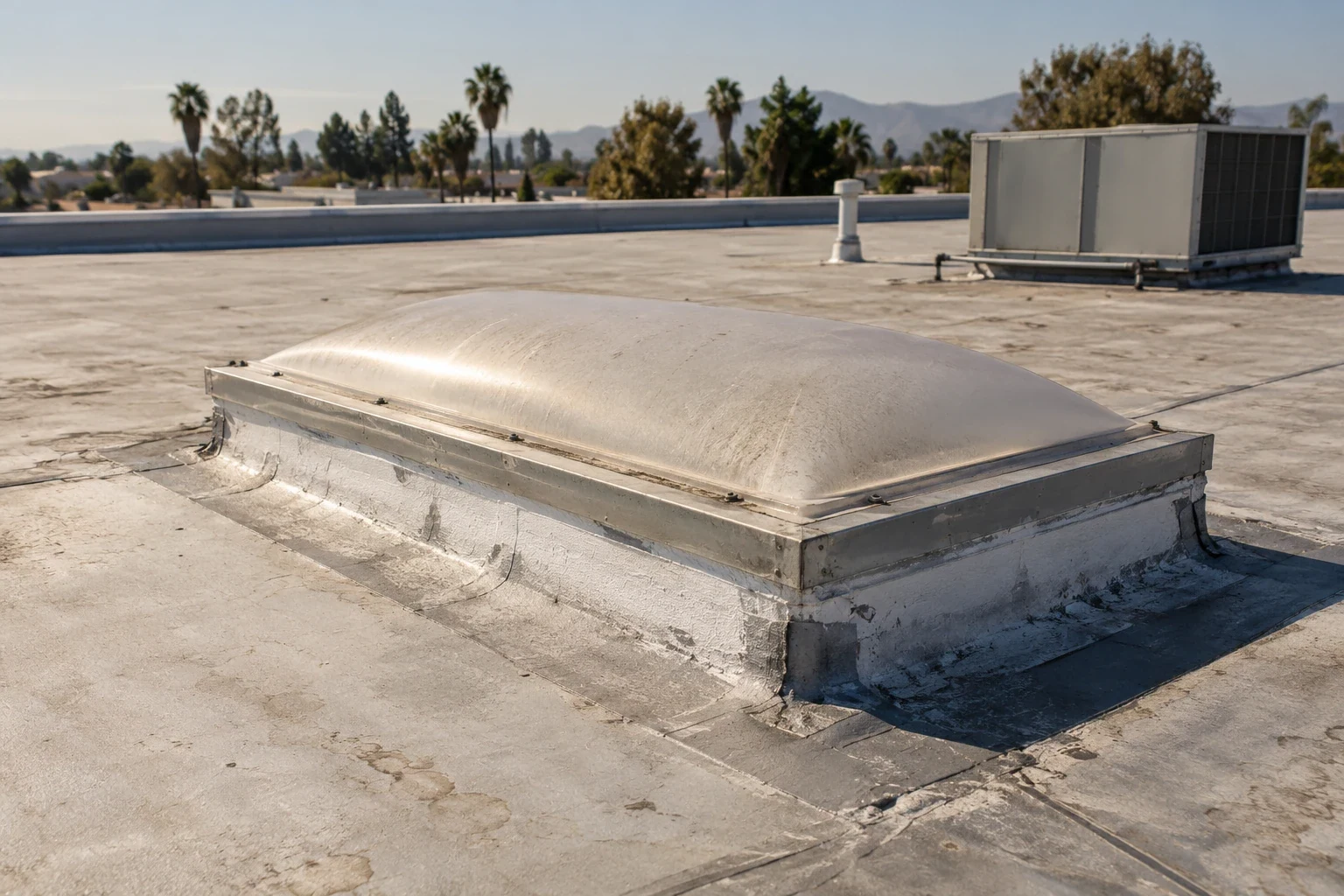
Use penetration and skylight correction where the inspected connection requires it.
At equipment, the roofing task may need a service line moved or a curb altered. The responsible trade settles its support and operating requirements. We measure the available flashing height and working space. Those decisions come before materials are cut or ordered. A finished upper component does not complete a roof connection that remains inaccessible beneath it.
We retain the defect locations and photographs. They give the manager a clear connection between the roof work and the areas needing protection inside.
Santa Clarita has hot summers and cooler-season rain. Inspect exposed sealants and membrane connections before the rain returns. Chalking or cracking deserves examination of the actual material and detail. Surface appearance alone cannot establish the condition of underlying insulation. The repair procedure follows the receiving construction and the product requirements.
Santa Ana winds make displaced metal or loose membrane attachment another inspection priority. We look at the base and adjoining assembly. Loose attachment may involve damaged support rather than only the surface component. The proposed correction identifies that task.
Project-specific design and applicable requirements establish the required attachment and edge construction. We coordinate the assembly information with that basis. The regional weather description is a reason to examine defects early. It does not set one fastening arrangement for every distribution building. Custom components and support correction remain visible in the price.
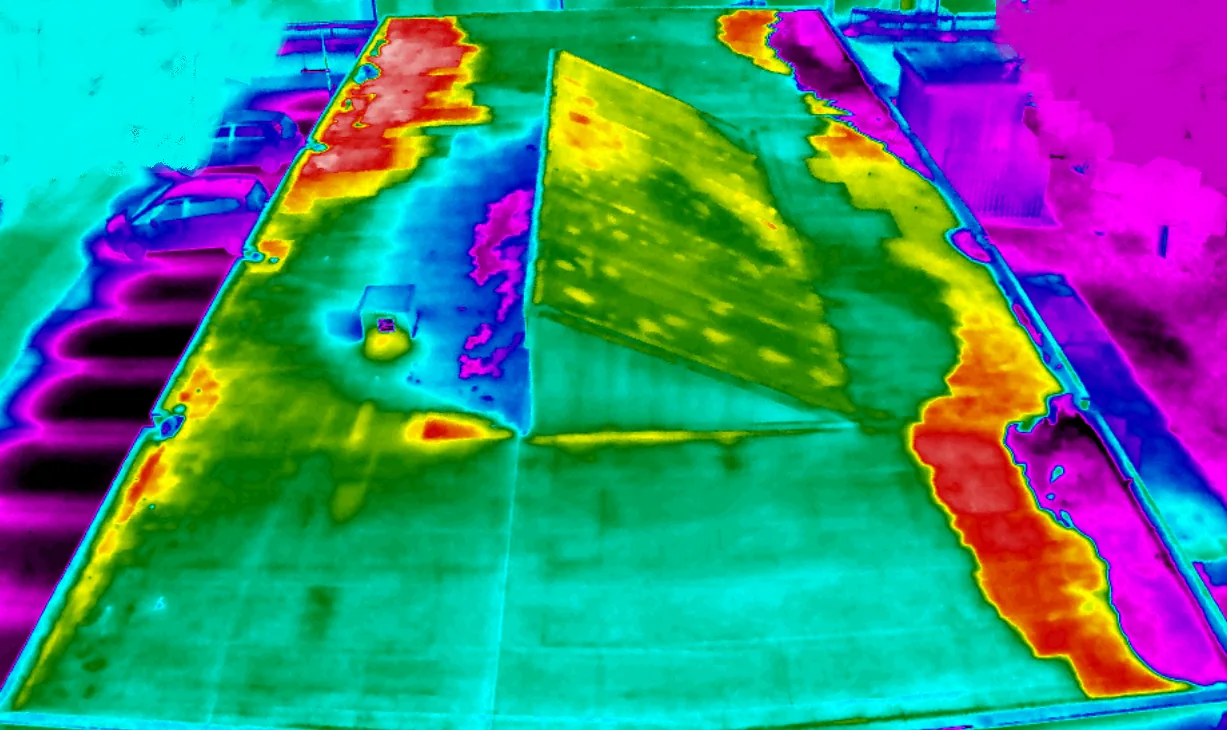
Damp insulation beside a local opening may extend beyond the visible damage. We select investigation points from accessible evidence and the construction question being resolved. Suitable imaging can help guide that work. Physical checks identify the local layers and their condition. Confirmed removal stays separate from wider extent that still needs examination.
A moisture assessment with layer confirmation should describe its useful coverage and limits.
Deck deterioration or unsuitable attachment can also change the correction. A retained-roof option needs a suitable base and review of the added construction. Replacement opens more layers but adds handling and daily exposure. We compare the choices on the same condition and operating basis. Each shows the support, insulation and interfaces it will correct.
New surface levels can affect the outlet, wall termination and equipment height. We measure them before pricing the assembly. A lower field-material quantity cannot stand in for the related reconstruction required to finish the roof.
Daily removal follows the forecast and the area that can be protected under actual conditions. We coordinate loading and interior protection with that boundary. The work plan includes the permanent closing details and the trade tasks needed to finish them. A new concealed finding is explained to the manager before another bay is included. The phase can change while the opening remains controlled.
Price occupied removal and roof closure with the delivery operation identified.
Night, weekend and holiday requests for urgent assessment are accepted. Immediate work depends on crews, safe access and the roof conditions encountered. We record temporary measures and their limits. The permanent task retains another scope until the damaged construction and connections are completed.
Completion records keep installed products, repaired locations and photographs together. They help plan drain checks and later equipment changes. Outstanding support or service work remains assigned. The manager can then distinguish completed roofing from another task still needed before the whole area is ready.
Distribution operations can run on defined shifts, dock schedules and dispatch windows, so roof access should be coordinated with the facility contact before the work phase is set. Confirm which doors, travel routes and staging areas remain active, then identify protections and release checks for each section. A weather delay or newly exposed condition may change when an area can close; state how that update reaches operations. Separate roofing tasks from equipment or electrical work managed by other trades. The closeout should show which sections were completed in each phase and what remains scheduled.
Review the actual movement and staging requirements first. We agree positions and work periods with the manager. The closest route may need another arrangement to remain usable.
Height and working space determine whether the intended detail can be completed. Insulation changes can affect that height. We resolve the connection and related equipment task before procurement.
It contributes evidence under suitable conditions. Layer checks and interpretation against the materials found establish the local condition. We separate confirmed damage from remaining extent.
Damaged support or unsuitable receiving construction. We inspect the fastening base and adjoining layers. The correction includes the connection rather than only a new exposed piece.
Locations, detail photographs and product records. Keep outstanding responsibilities with them. Future service changes can then assess the completed construction before altering the roof.
Share the delivery operation and observed roof issue. We will inspect the construction and define a phase before winter rain or the next fire season.
Pages that connect with Distribution Center Roofing for Santa Clarita Valley buildings.
Notifications