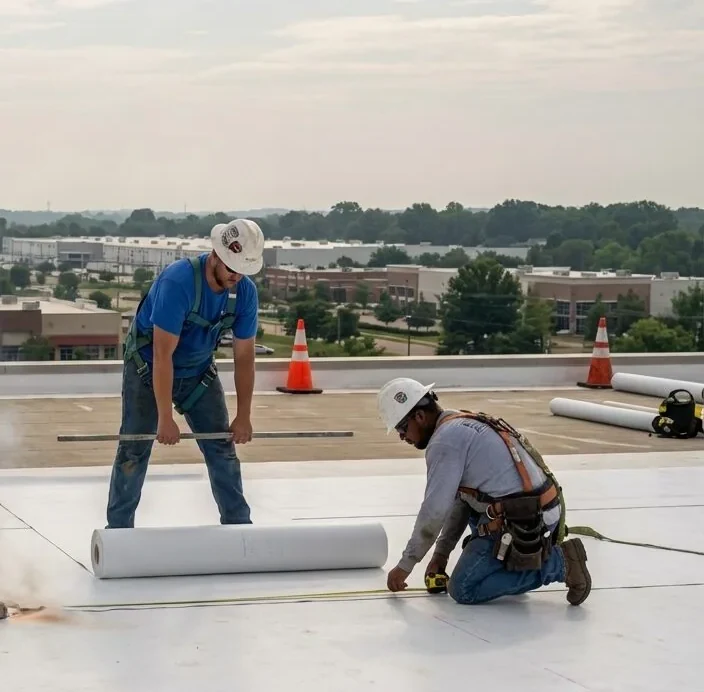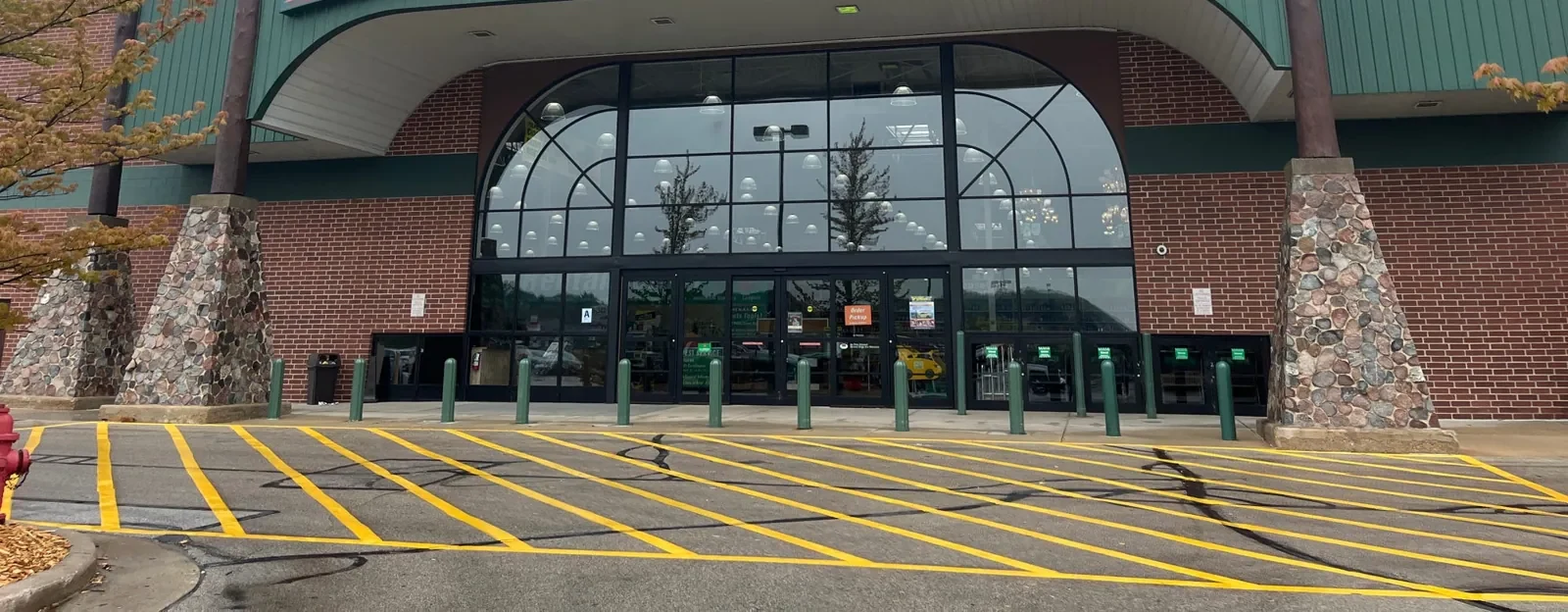

Summer is a useful time to check the shopping center's roof junctions before winter rain crosses them. A connection between tenant areas can need more attention than an open patch in the field. For shopping center roofing in Santa Clarita, CA, we inspect those interfaces and map the spaces below. The manager coordinates affected tenants and service access. The repair scope identifies the construction needed on each side of the connection.
Set the boundary from the roof detail. A suite line does not necessarily define the physical correction.
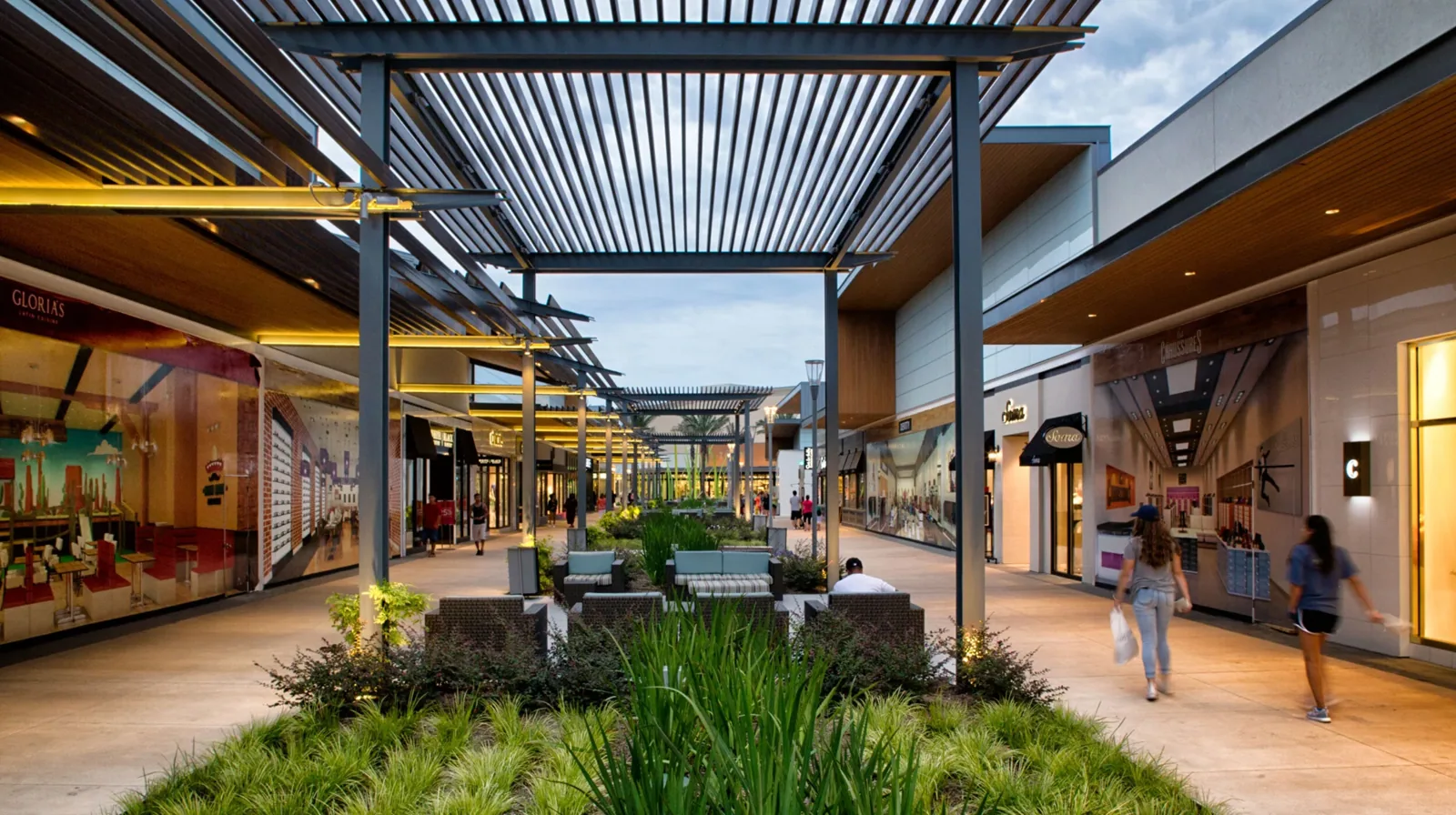
Different surface heights can meet at a wall, expansion joint or transition. We examine how that connection directs water and accommodates intended movement. A visible sealant line may be only part of the detail. Loose metal, unsuitable backing or damaged sheet can change the correction. We inspect the adjoining areas before selecting a boundary. The permanent task must finish the connection that actually meets there.
Available construction drawings help locate the interface. Field examination establishes its accessible condition. Ownership or tenant responsibilities need agreement beside the physical scope.
A large-format retail area may meet a different-height roof. A restaurant operation can add exhaust and service equipment. We identify those actual functions and details. Their relationship matters to the phase, but neither use alone identifies the roof material or condition. The receiving assembly is assessed before the components are chosen.
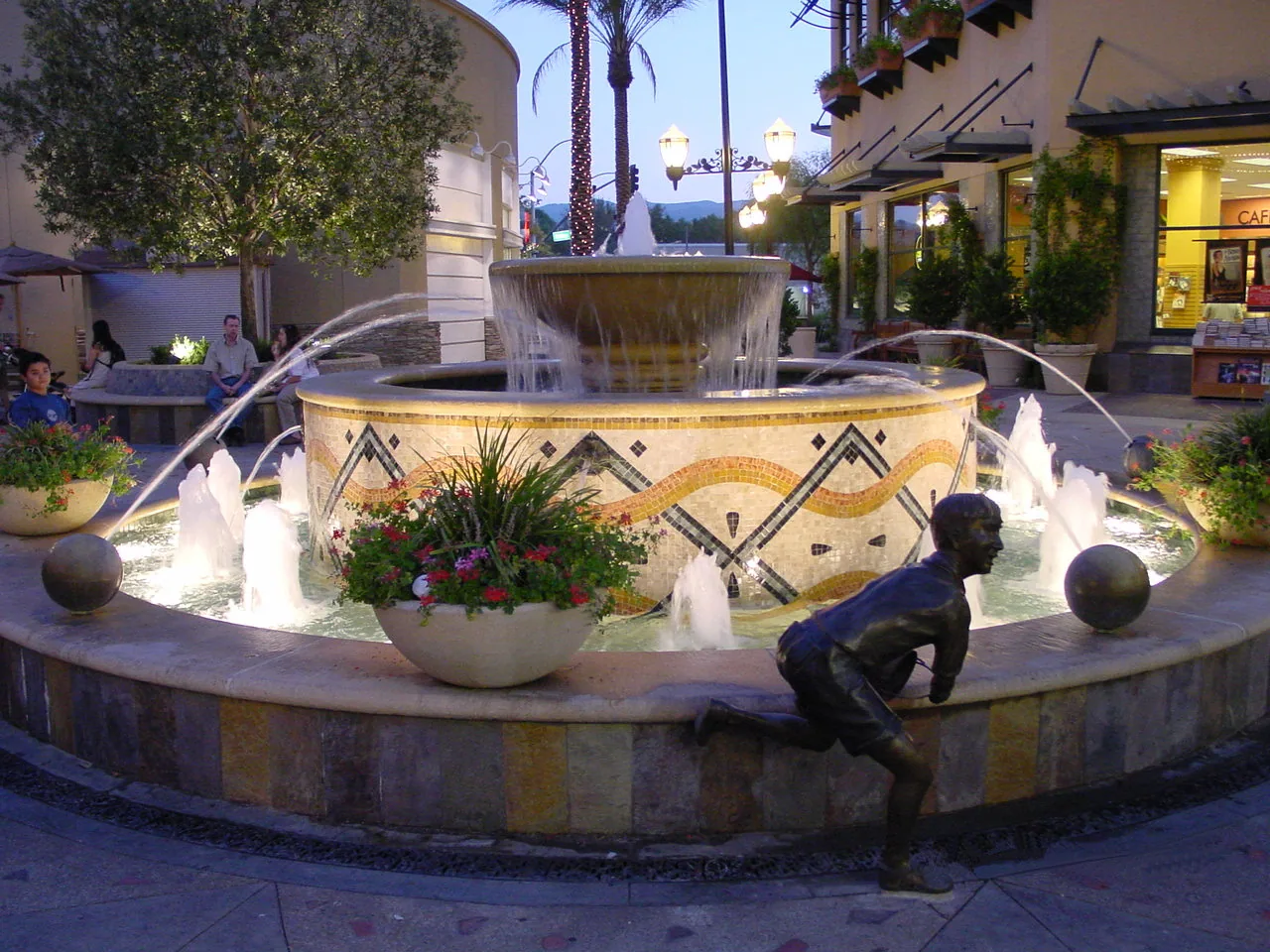
Valencia Town Center is a regional retail center. A shopping-center project in the Valencia setting needs its own customer, delivery and roof-access arrangements. We agree the handling position with management before materials arrive. Public entrances and tenant service routes are mapped beside the work. A shorter roof task can still require a carefully timed lift or another delivery path.
Coordinate Valencia retail roof handling with the actual operating requirements.
Stevenson Ranch has Valencia Marketplace and Stevenson Ranch Shopping Center, with Pico Canyon Road as a main route. A project there needs another review of the property's receiving and staging area. Roofing movement can intersect with customers or tenant deliveries. We establish the method and its work period before pricing. The agreed arrangement remains in the scope so handling restrictions do not become unexplained additions.
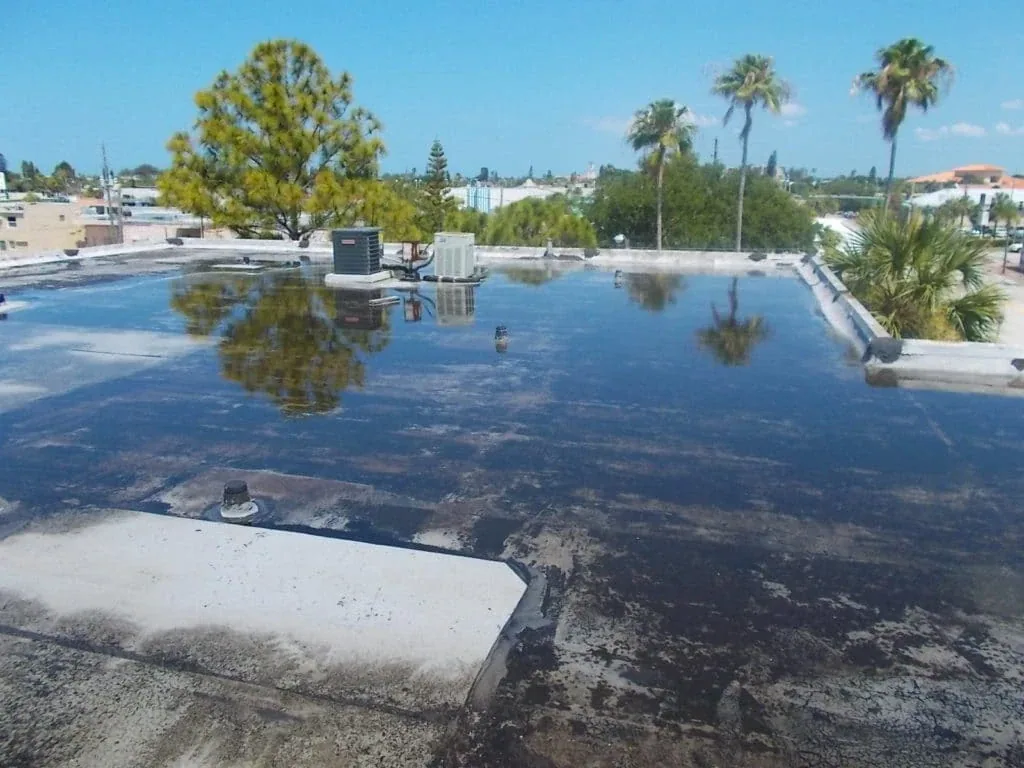
A drain or scupper may serve roof areas crossing tenant boundaries. We inspect accessible flow paths and outlets in the area being assessed. Debris clearing is distinguished from a damaged outlet connection or unsuitable surface geometry. A low spot elsewhere may retain water even after an obstruction is removed. The recommendation identifies which condition the task changes and where another review is needed.
Price shopping-center outlet correction with the adjoining surface level known.
Added insulation or a new cover board can change the relationship between the field and outlet. We measure the interface before selecting the assembly. A taper or sump needs to fit the connection and surrounding construction. Plumbing work and design questions retain their responsible team. The owner sees the complete drainage-related task beside the roofing price, rather than an assumed improvement from a new top sheet alone.
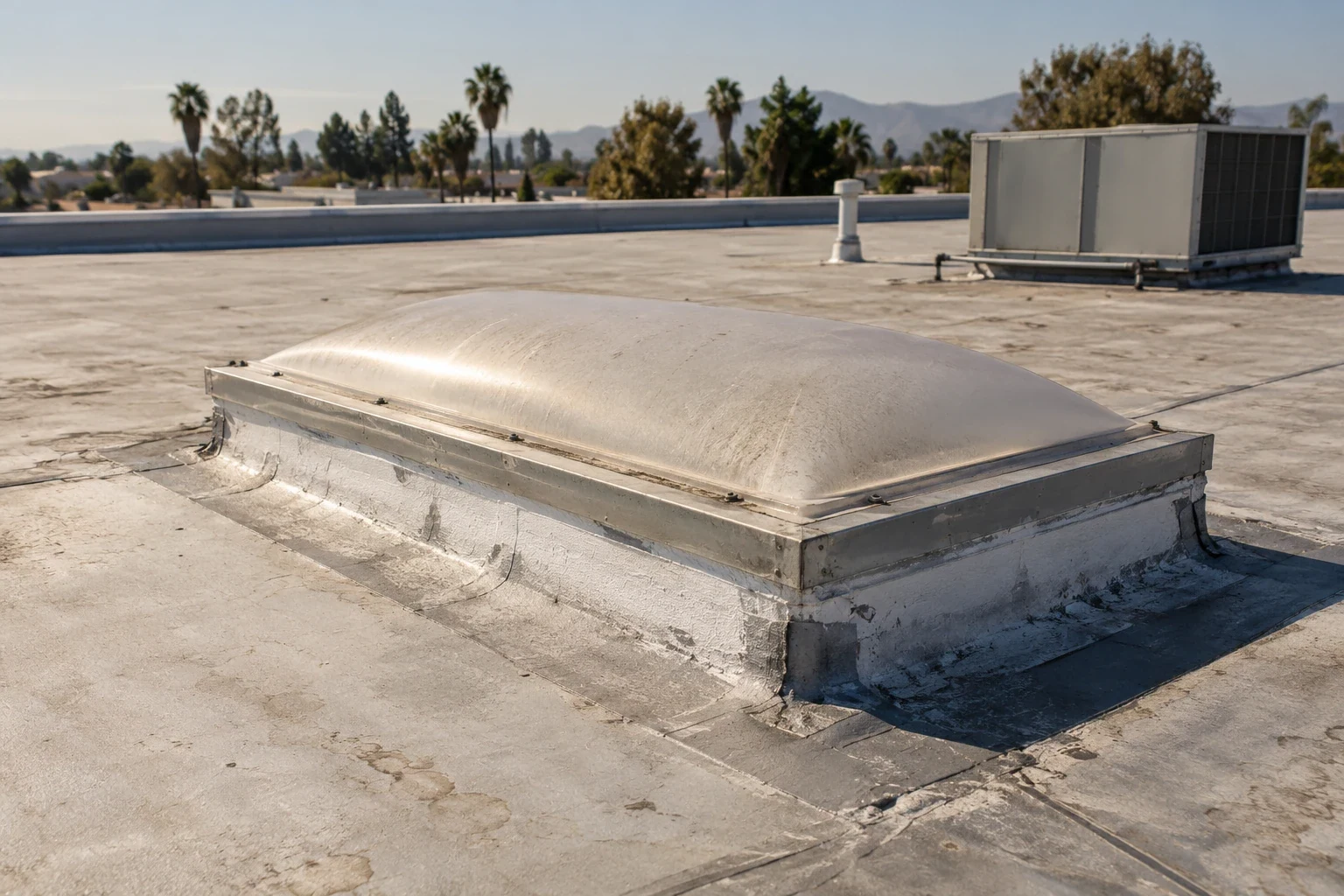
Tenant equipment may be changed after a roof phase. A new curb, pipe or support needs a permanent weather detail appropriate to the identified membrane. We inspect receiving condition and working space. Abandoned-looking components need their service status confirmed before closure. The equipment team resolves its support and operating requirements. Roofing completes the connection coordinated with that arrangement.
Plan penetration and skylight detail work before tenant equipment changes cut the sheet.
Residue beside exhaust equipment can affect preparation and compatibility. We assess the actual substance and product requirements. A restaurant use does not by itself select a universal repair material. Unsuitable receiving surfaces can require wider correction. The continued equipment exposure also needs attention from the responsible team. Those decisions are made before a permanent patch conceals the condition.
Reported interior timing and accessible defects guide the examination. Water entry from a wall or equipment drainage may need another correction beside the roof task. Layer checks establish local insulation and support condition where the question requires them. We choose the opening with tenant protection in mind. Confirmed damage remains separate from wider extent still awaiting examination. The manager receives the finding and the next investigation needed.
A retail roof assessment retains those locations and limits.
Local repair requires suitable receiving construction. Replacement opens more layers while increasing handling and daily exposure. Recover needs review of retained support and the added assembly. The options use the same tenant controls and junction measurements. Wall and curb reconstruction stay in the comparison. The project-specific design and applicable requirements establish the required attachment and assembly basis.
Santa Clarita's hot summers provide a planning period before cooler-season rain. Actual application and surface conditions still govern the method. We inspect exposed joints and terminations before the weather changes. Santa Ana winds can affect handling, access and loose perimeter components. The day's opening follows the forecast and the protection and closing work available.
The manager receives the affected tenant areas and route changes before preparation. A concealed finding can alter the task. We explain its added construction and operating effect before another area is included. Shared junction responsibilities remain visible through the revised phase.
A tenant can report an urgent roof concern outside weekday daytime hours, including overnight and holiday periods. We accept the assessment request and review the center's affected spaces and available approach. Staffing and safe conditions govern immediate measures. Any temporary protection keeps its limits identified while the permanent shared-junction and equipment tasks are resolved.
Closeout keeps detail photographs and installed products with the repair locations. Available issued warranty requirements receive their separate review. Later tenant work can assess the intended connection before altering it. Remaining service or support tasks keep their responsible party so the manager can distinguish completed roofing from another obligation still outstanding.
A shopping center may have multiple tenants below connected roof areas, but access and operating needs can differ by storefront. Coordinate the work boundary with the property manager and identify any delivery entrance, customer route or shared service area that needs protection. If a repair crosses a tenant demising line or changes equipment access, note who confirms the interface and communicates the schedule. Keep the proposal clear about roof sections and details included. At closeout, report any temporary restrictions or deferred work so the manager can update tenants and schedule follow-up without guessing.
The physical connection determines the work needed. We inspect adjoining construction and explain the corrective boundary. Responsibility for the related task is agreed beside that scope.
The finished level must work with the drain or scupper connection. We measure the adjoining construction. Necessary sump or detail changes remain in the assembly price.
Its actual composition and the membrane requirements need assessment. We establish preparation and suitable receiving material. The operation alone does not settle compatibility.
Material handling, waste movement and the work position. We agree routes and periods with management. A concealed scope change receives another operating review where needed.
Identify the sheet and assess the receiving detail before alteration. The equipment team resolves its related tasks. Product and completion records help define the permanent connection.
Share the tenant areas and observed issue. We will check the roof and define the connection, handling and drainage tasks needed for a practical phase.
Pages that connect with Shopping Center Roofing for Santa Clarita Valley buildings.
Notifications