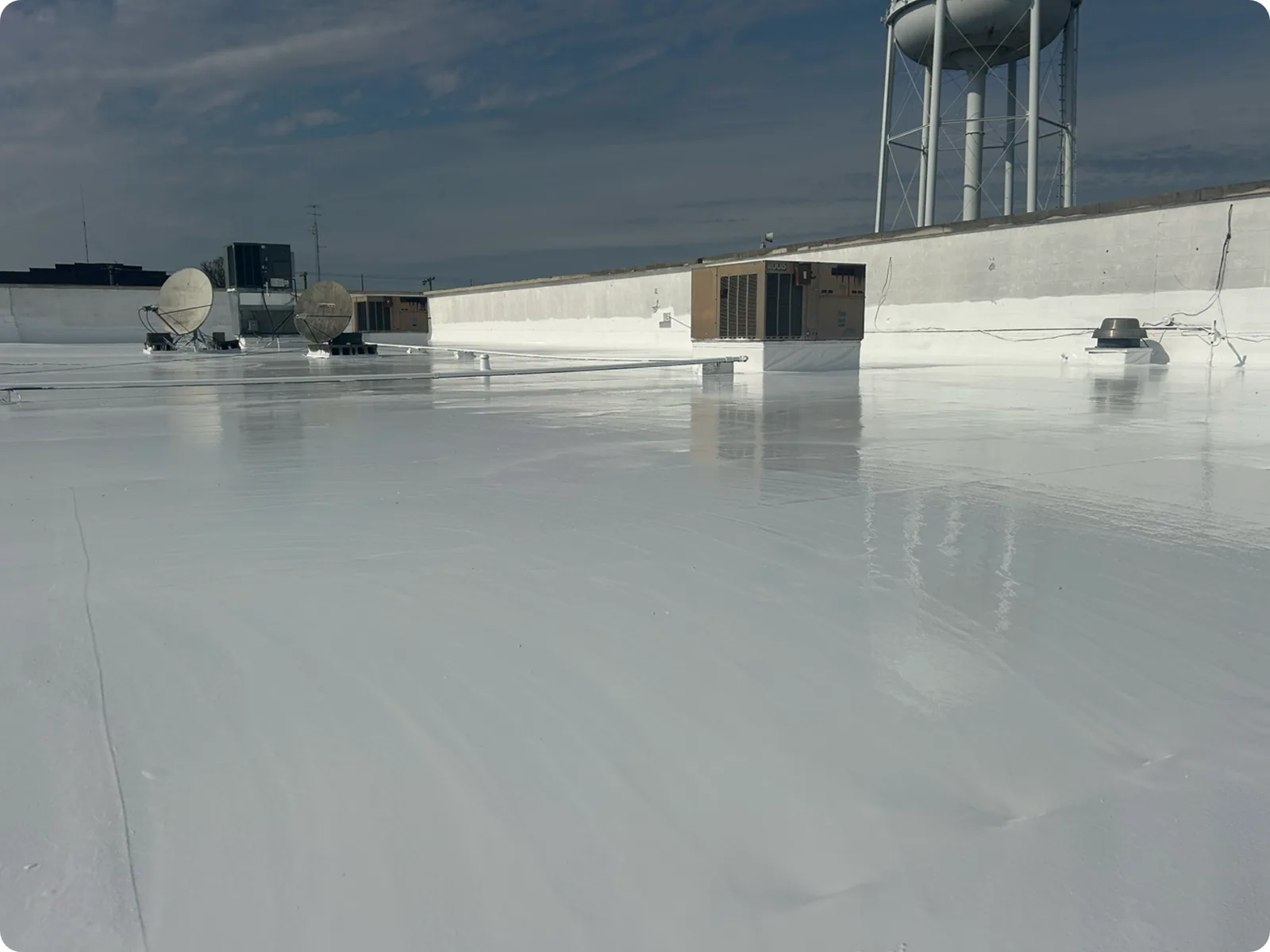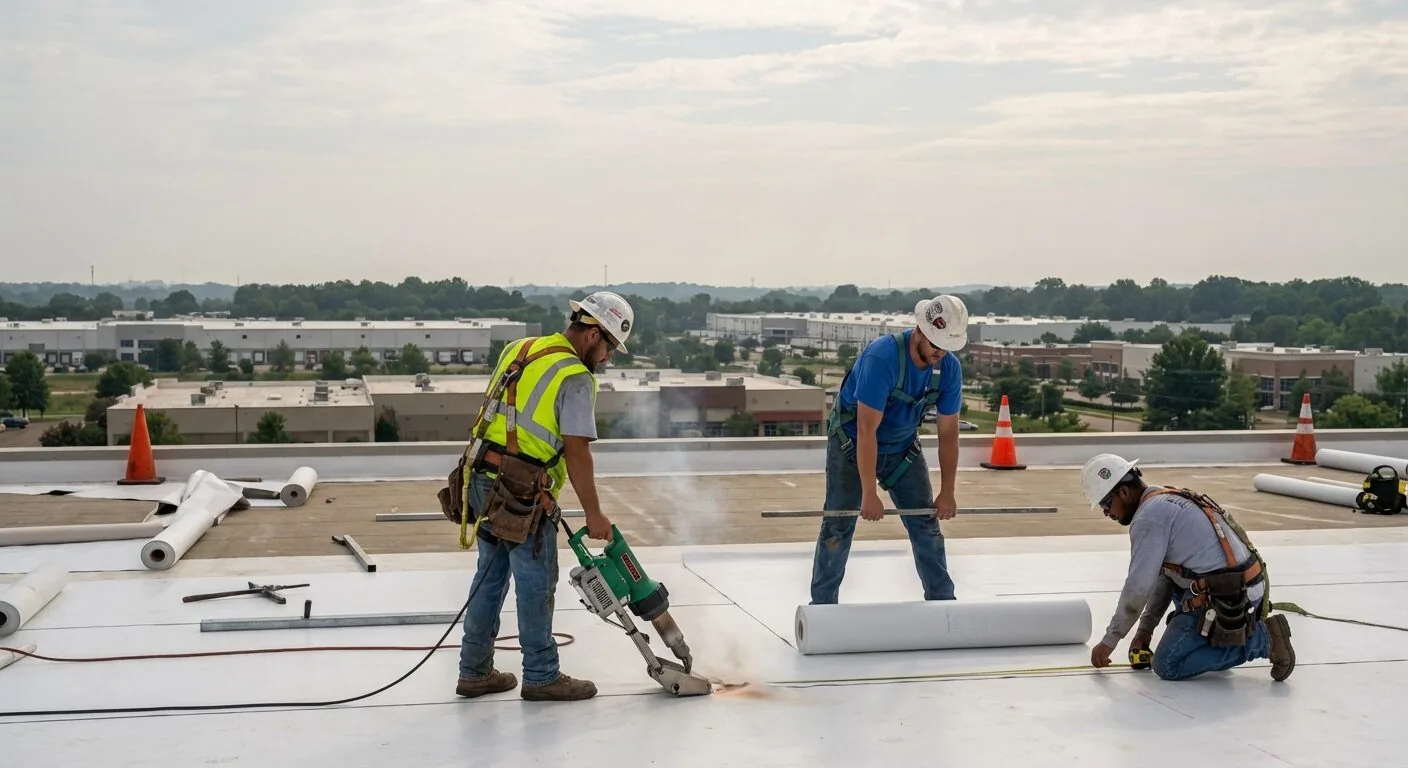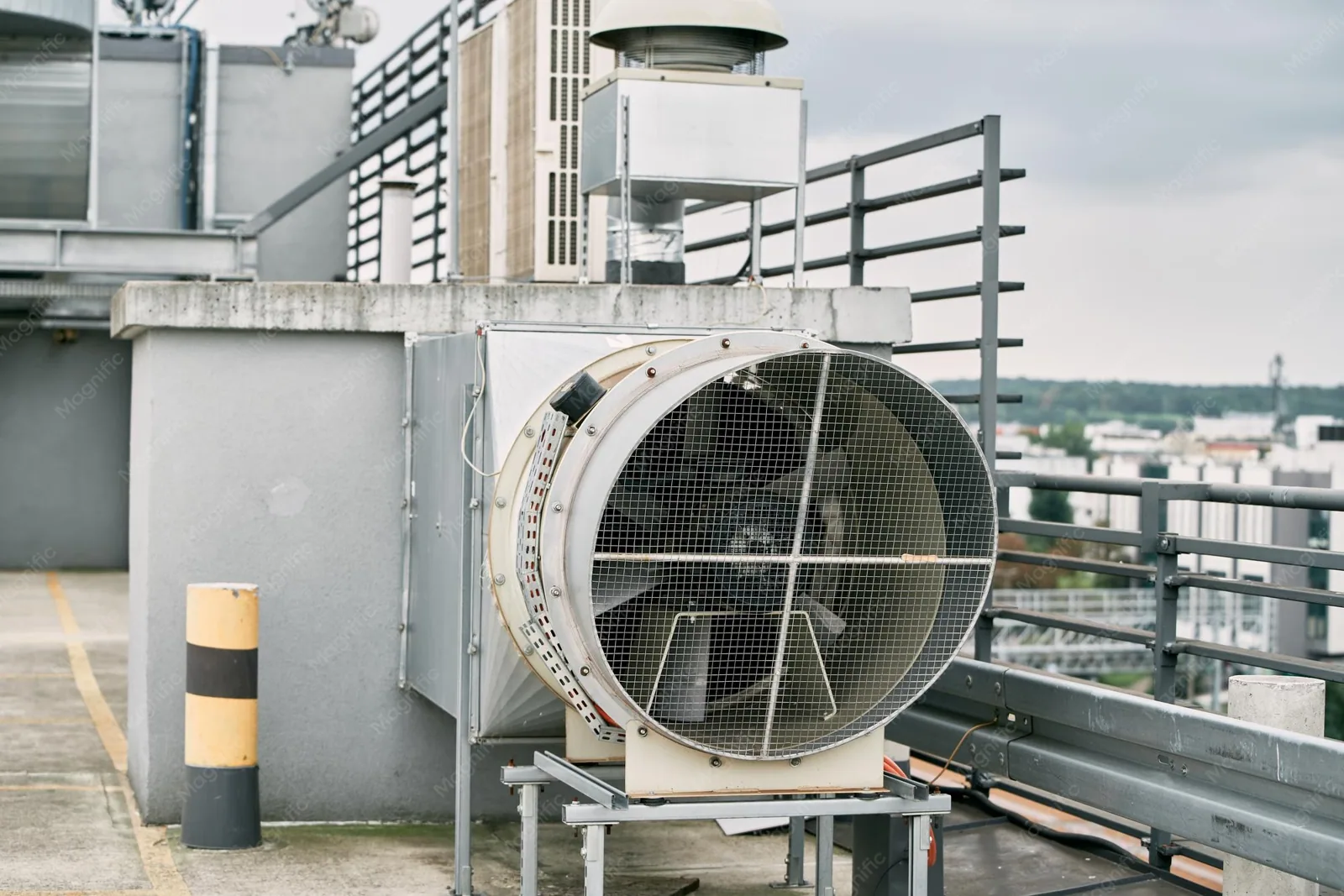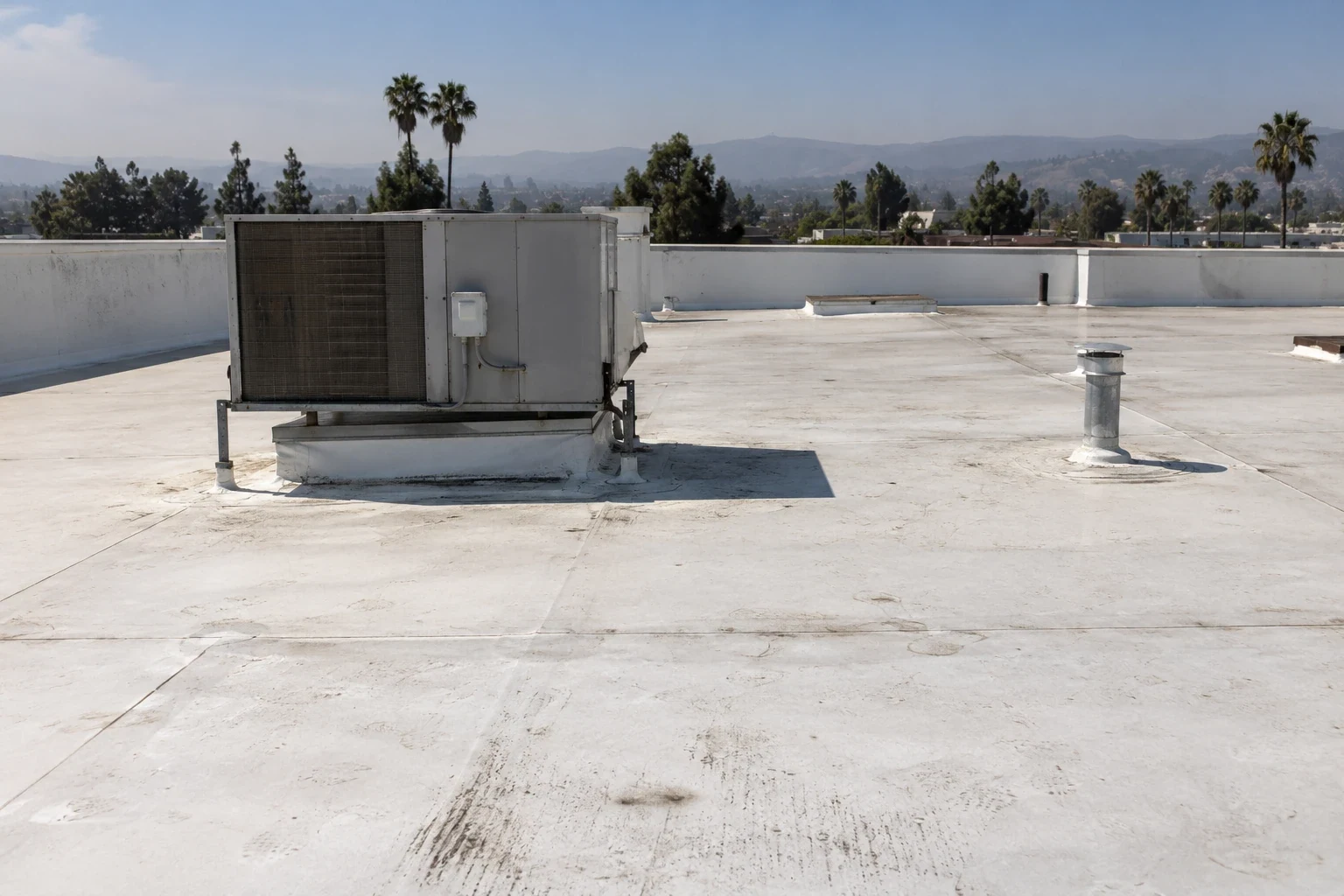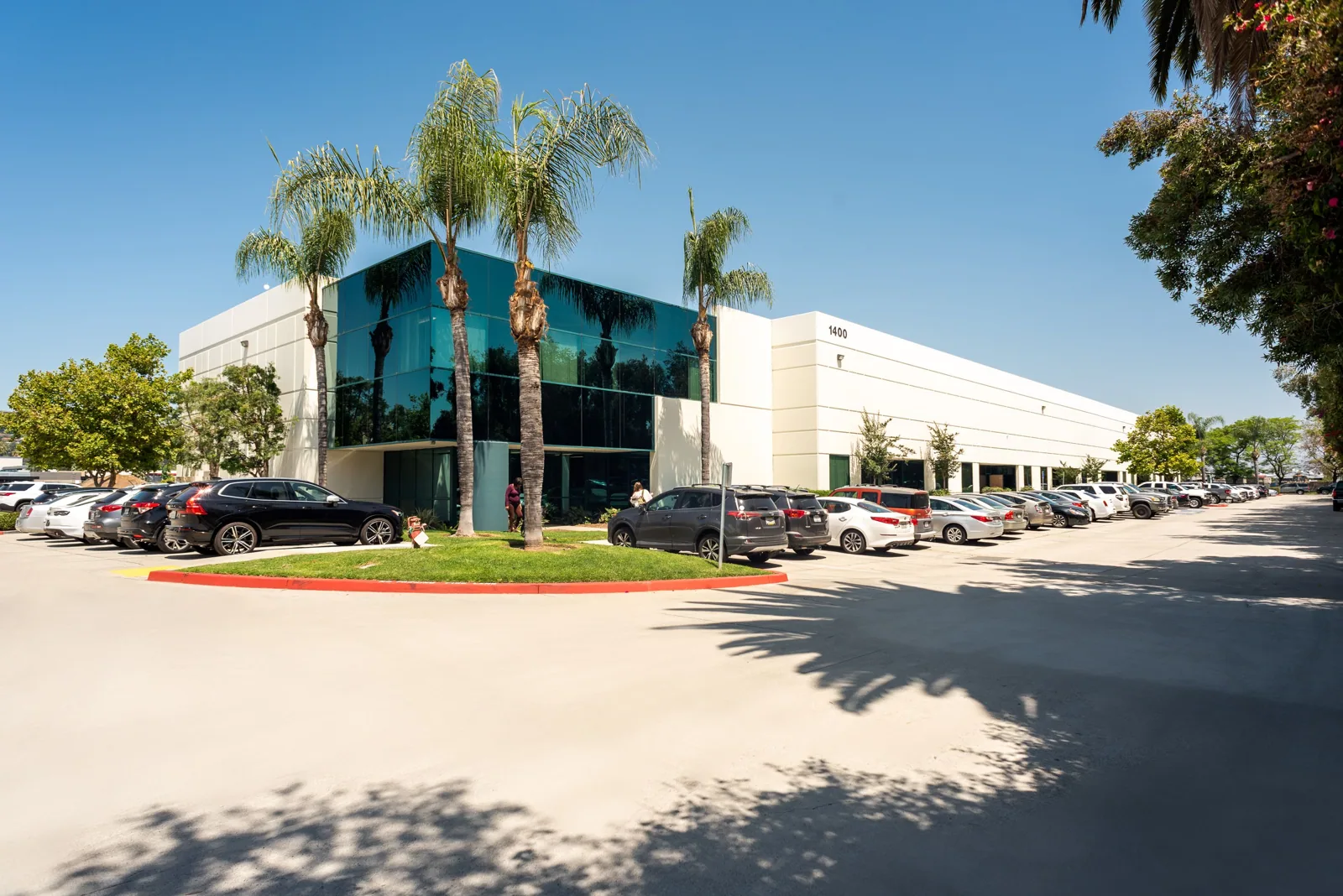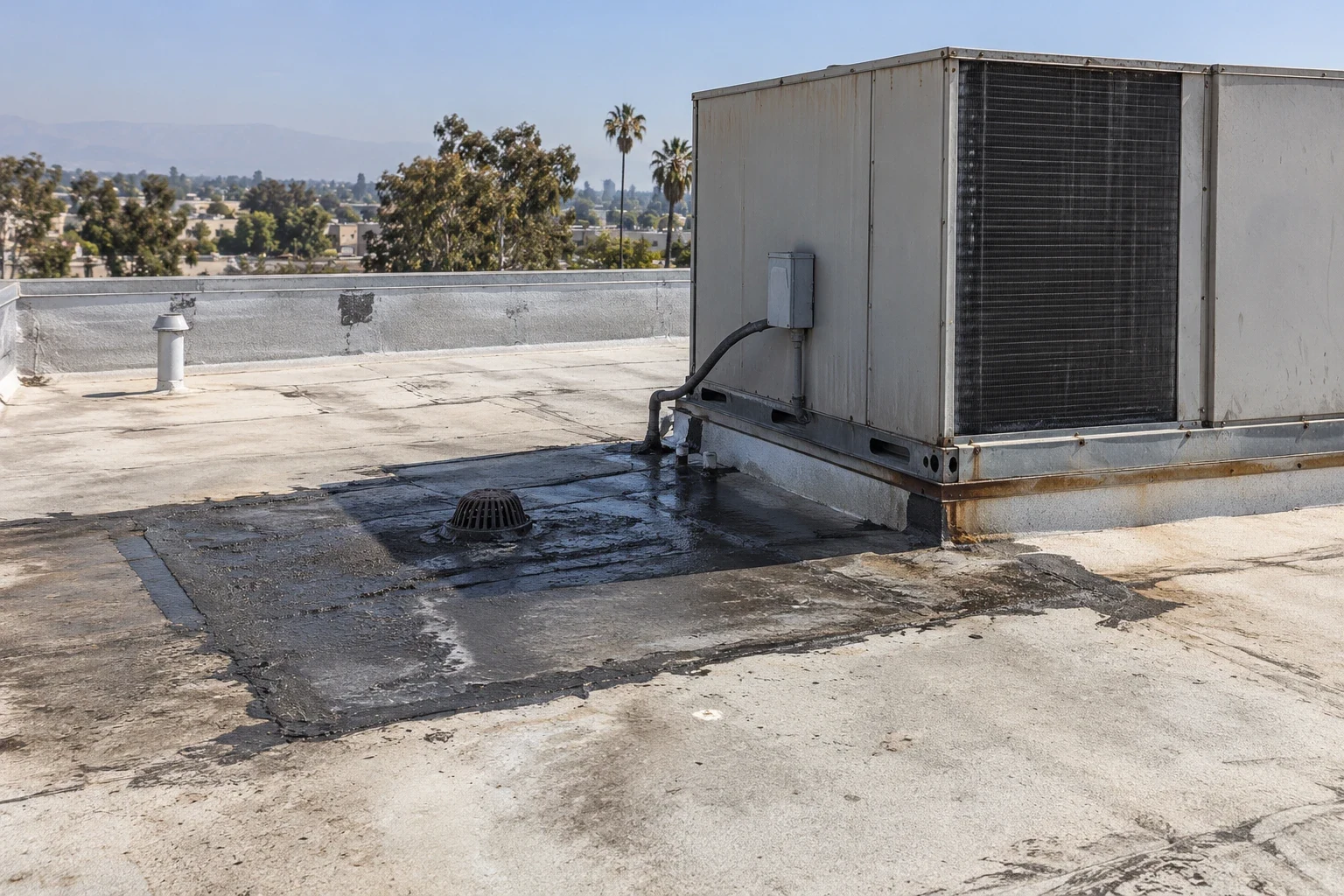

The roof has to meet pipes, curbs and skylights without leaving an unmanaged water path. At those transitions, a split or old patch needs examination before another material is added. Santa Clarita, CA has hot summers and cooler-season rain. Checking the details ahead of winter work gives the owner time to organize the right correction.
Commercial Roofing Santa Clarita examines accessible flashing and its adjoining components. We identify the existing system, locate the concern and explain which part of the interface needs work. A rooftop detail may involve the roofer, equipment operator or another trade. The scope should make those responsibilities clear.
Tell us about recent equipment changes and reported water entry. Earlier photographs and repair records help establish what changed. We use that information with the condition found at the building, rather than choosing a repair from the interior stain alone.
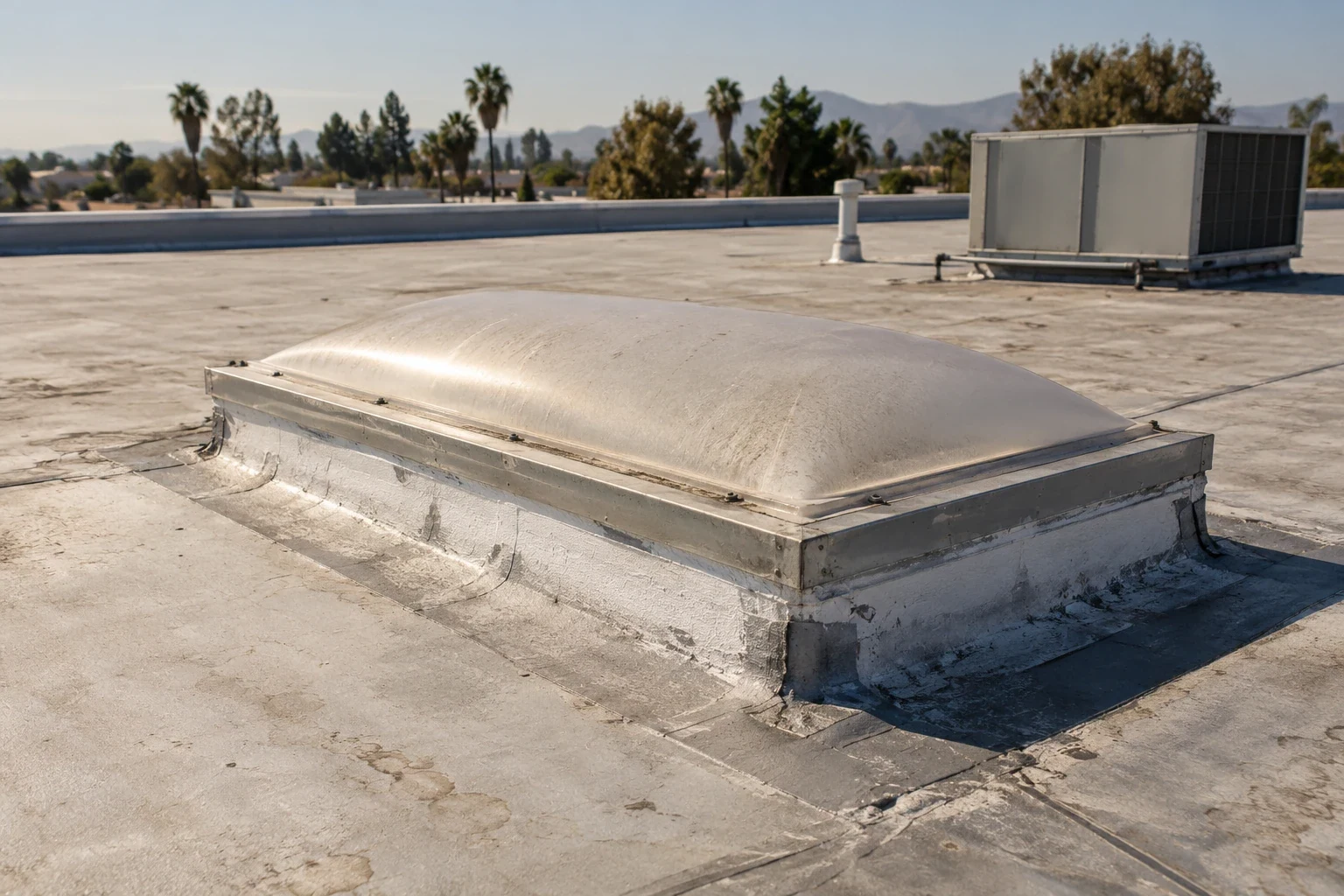
The roof flashing is one part of the interface. A skylight frame, pipe, curb or equipment housing can have its own concern. We examine accessible connections and identify what the roofing work can address. An issue beyond the roof detail may need another responsible trade.
When water is reported, leak investigation compares the room location with the roof and component. Suitable testing may be used for a defined question where authorized. The procedure must account for the assembly and affected interior space.
We explain the findings and limits before selecting the correction. A stain beneath a skylight does not establish that the flashing is the only possible entry path. Keeping the component and roofing questions distinct helps the owner avoid a repair that leaves the actual concern unresolved.
The curb, roof flashing and skylight unit need a coordinated examination. We look at accessible joints, terminations and adjoining membrane. The unit manufacturer may have requirements for its own parts. Roof work should fit the complete interface rather than rely on a broad bead of sealant.
Existing curb exposure and roof height matter if new roofing materials are proposed. The detail may need modification to maintain the intended arrangement. A roof recover should account for that before material is added around the curb.
Skylights and openings also affect the access plan. Roof workers need the appropriate fall-protection procedures, and the building team needs to know which area is involved. We establish those controls for the task before examining or opening the detail.
Identify the pipe and membrane first. Temperature, movement, shape and the selected roof system affect the method. A prefabricated component may suit one detail while another needs an approved formed arrangement. The existing material must be prepared for the chosen repair.
We examine the adjoining sheet and termination where accessible. A cracked outer component can be part of the concern, but it does not establish the condition of concealed materials. If an opening is needed, the scope identifies authorization, examination and suitable closure.
Commercial roof repair includes the compatible construction once that scope is established. We document the method and relevant requirements. A repair should leave a detail that can be inspected and maintained, with the materials identified in the roof file.
Equipment removal or modification needs coordination with the responsible operator. The roofer should not assume the unit can be moved or shut down without a plan. We identify the roofing access and any trade work needed to expose the curb or surrounding detail.
Equipment curbs and supports work can require structural, mechanical and roofing interfaces. The construction sequence should define who handles each task and how the adjoining roof is restored. That helps the owner review the complete job.
HVAC intake control requires a planned window with the responsible team. Fire systems and electrical equipment likewise need qualified management. The roof schedule should reflect those arrangements. A simple flashing estimate can become incomplete if these interfaces are left undefined.
Single-ply, bituminous and metal roofs use different detail methods. We identify the actual covering and review its condition. Compatible preparation and attachment are essential. A patch selected only by color or shape may not meet the system requirements.
On TPO roofing, suitable sheet condition and seam checks matter to a welded correction. Other systems need their own approved materials and procedures. Aged, coated or contaminated surfaces may require further evaluation before the repair method is chosen.
Existing warranty documents can also affect the work. Required manufacturer acceptance, eligible materials and inspections need document-specific review. We identify those items before construction so the finished detail and paperwork match the agreed scope.
Office and industrial uses at Centre Pointe Business Park sit between Interstate 5 and Route 14. The operator should identify equipment contacts and access restrictions for the actual building. We use the roof layout to plan the route and material movement.
Old Town Newhall includes restaurants and other commercial activity. Shared access and occupied rooms can affect the timing of a detail repair. The manager should identify which spaces lie below the proposed work and who needs notification.
Summer heat and Santa Ana winds influence suitable working conditions. They do not establish that a particular flashing has failed. We choose the visit and application window for the task, then record the actual condition that supports the repair.
The record should locate each repaired detail and describe the work performed. We include relevant photographs and completed checks. If another trade changed the component, its work should be recorded with the roofing interface. That makes later investigation easier.
Keep any unresolved finding separate from the completed repair. A component issue, concealed concern or additional inspection should have a named next action. Roof condition reports can bring those items into the wider building record.
Include the details in preventive maintenance. Report new water entry or later equipment modifications promptly. The next inspection can then compare the same locations with the repair photographs instead of starting with an unidentified patch.
They do when the proposed work involves applicable project requirements. Scope, jurisdiction and submission details determine the review. Santa Clarita publishes its adopted code editions and supplemental local provisions for project review. Roof and equipment alterations should be assessed against the requirements that apply to the actual project.
We identify the roofing documentation and any design or trade interface needed. That keeps a small detail repair focused, while giving a larger alteration the complete review it requires. The owner can see what must be resolved before work begins.
It identifies the affected location. The unit, roof flashing and nearby entry paths need examination. We separate those findings before recommending the correction.
The detail and access determine that. We coordinate with the responsible operator and identify any removal, control window or trade work needed for the scope.
We evaluate the material and surrounding condition. The selected repair may require removal and preparation. The scope explains what remains and how the adjoining detail is restored.
Roof plans, unit information, warranty terms and earlier repair photographs help. Include reported water locations and recent equipment changes.
Share the repaired detail and relevant requirements with the service team. Report changes to the roof interface so they can be checked and recorded.
Call Commercial Roofing Santa Clarita with the affected detail and available records. We will examine the interface and identify the compatible repair and trade coordination.
Pages that connect with Skylight and Penetration Flashing for Santa Clarita Valley buildings.
Notifications