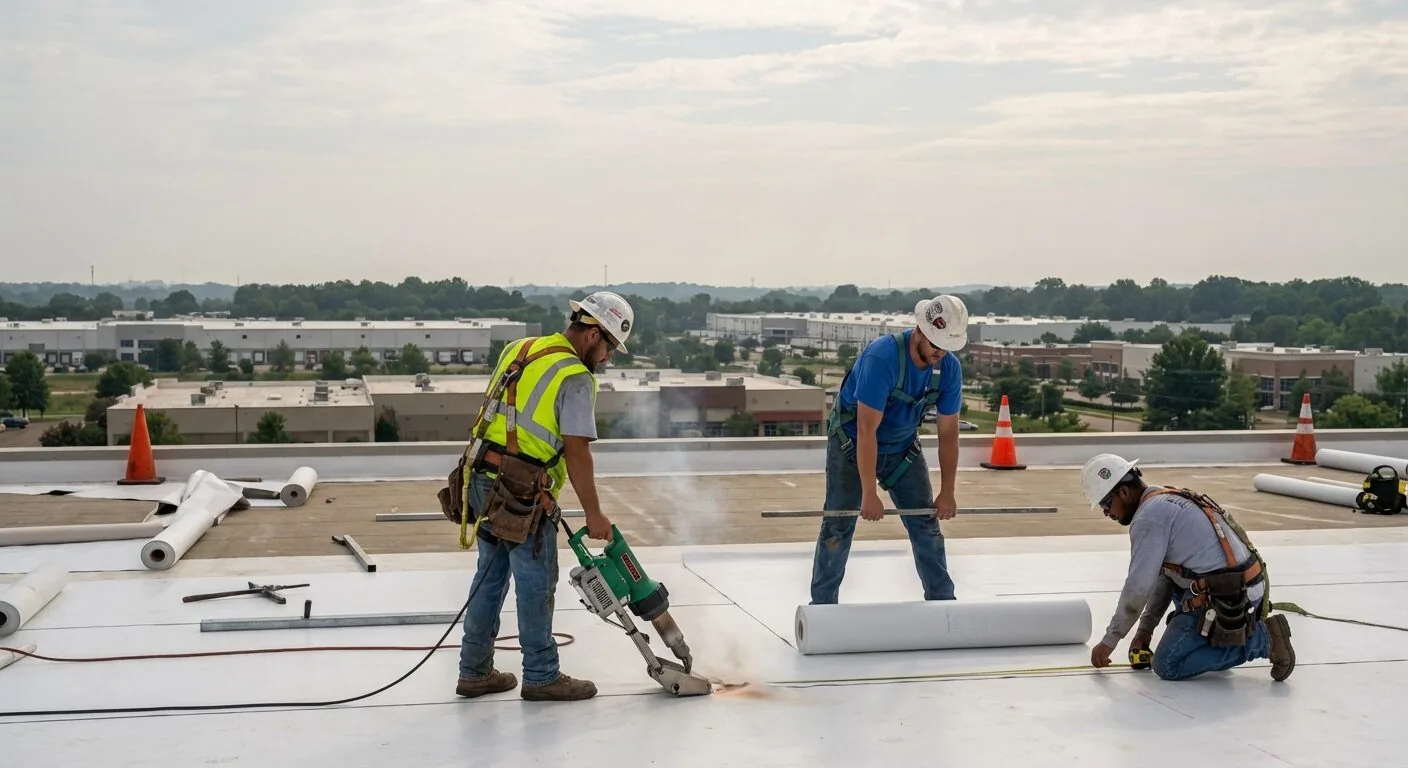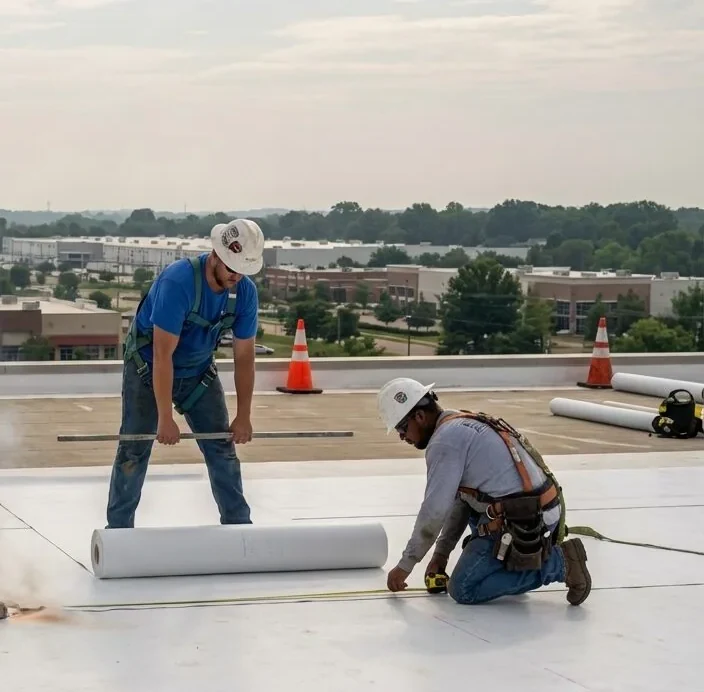

Summer sun and dry weather can leave a Santa Clarita, CA roof looking quiet. An open flashing may only become obvious when rain returns. A roof condition report helps the owner act before that complaint. We inspect the accessible construction, mark the defects and explain the next useful task. The report should answer a plain question: what needs attention, and what information is still needed before a larger project makes sense?
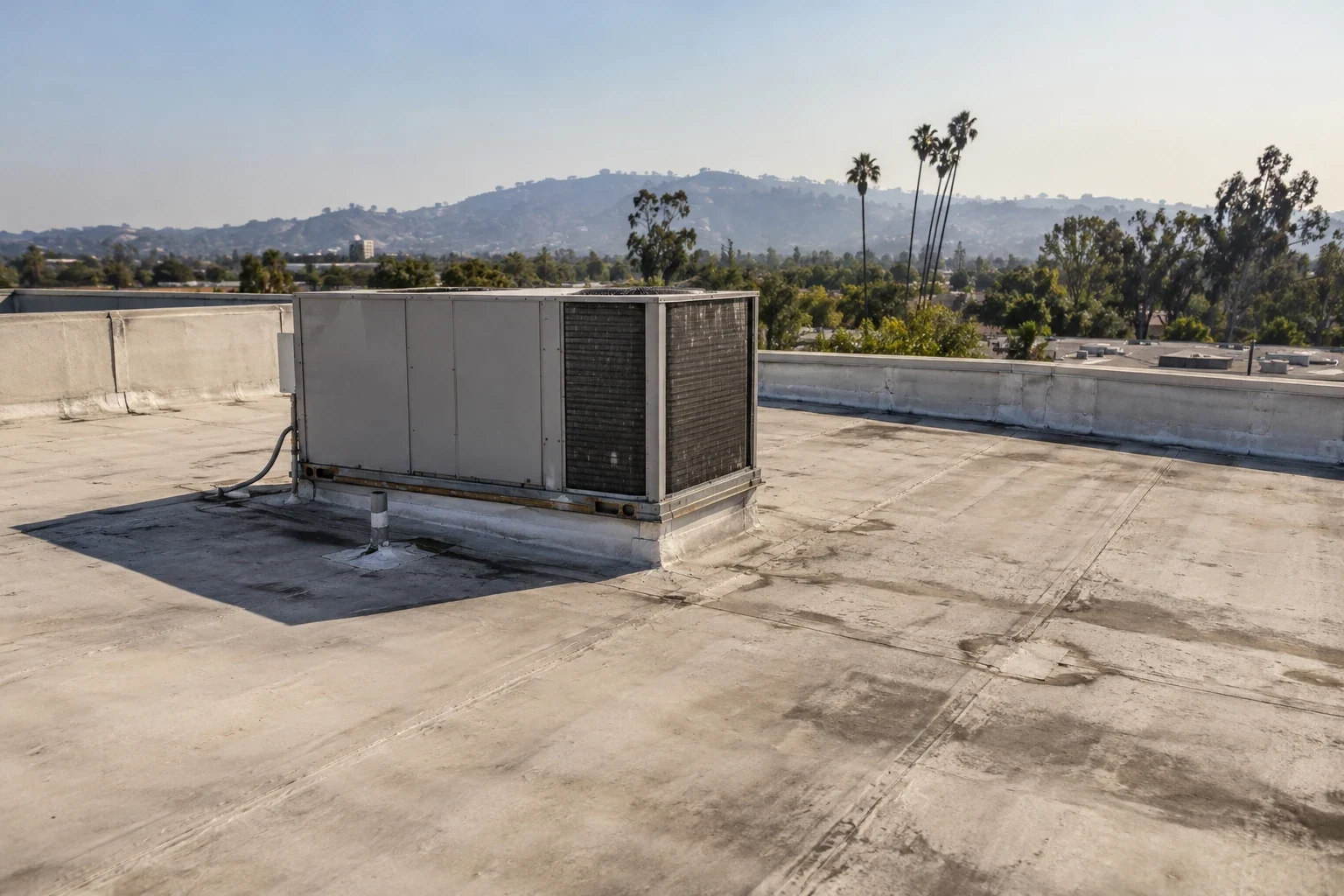
A useful report starts with a roof plan. Each area gets a clear name or number. Different levels, additions and materials remain separate. Access points and restricted areas are shown too. If an area could not be inspected, the owner sees the gap and what would be needed to resolve it.
A commercial roof inspection checks accessible seams, flashings, curbs, perimeter connections and outlets. The inspector records the condition at each location. Interior reports add the room, water timing and the activity that preceded it. Installation drawings help interpret the roof, but the report also identifies where the observed construction differs from those records. The owner can trace each recommendation back to a particular place.
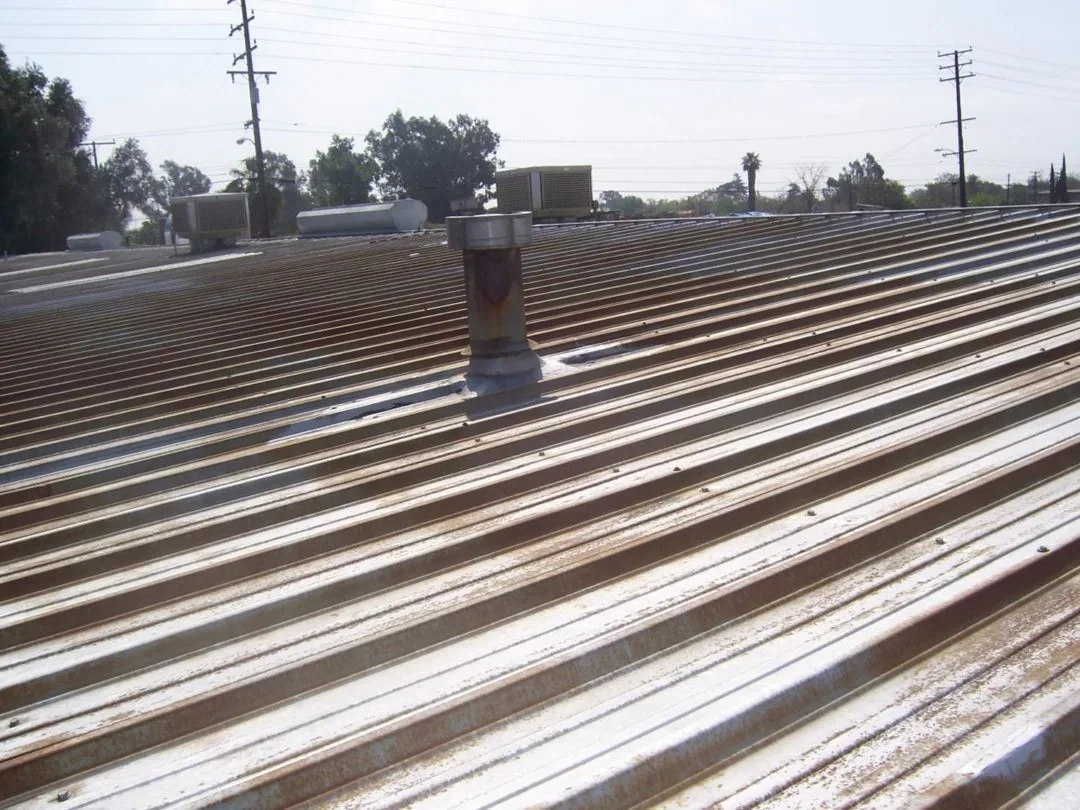
A faded coating or chalked surface deserves examination. It does not provide the whole replacement decision. We look at adhesion, openings, material identification and the connections around the affected area. A lifted patch can need different preparation from a split flashing. Photographs show the detail and enough surrounding roof to locate it again.
Sun-side details can face different temperature conditions from shaded areas. We compare the actual findings rather than assigning every defect to valley heat. A heat and UV assessment considers the installed product and its condition. The report explains whether the next task is a compatible repair, more investigation or review of a broader option. The recommendation includes its reason, not just a label such as poor condition.
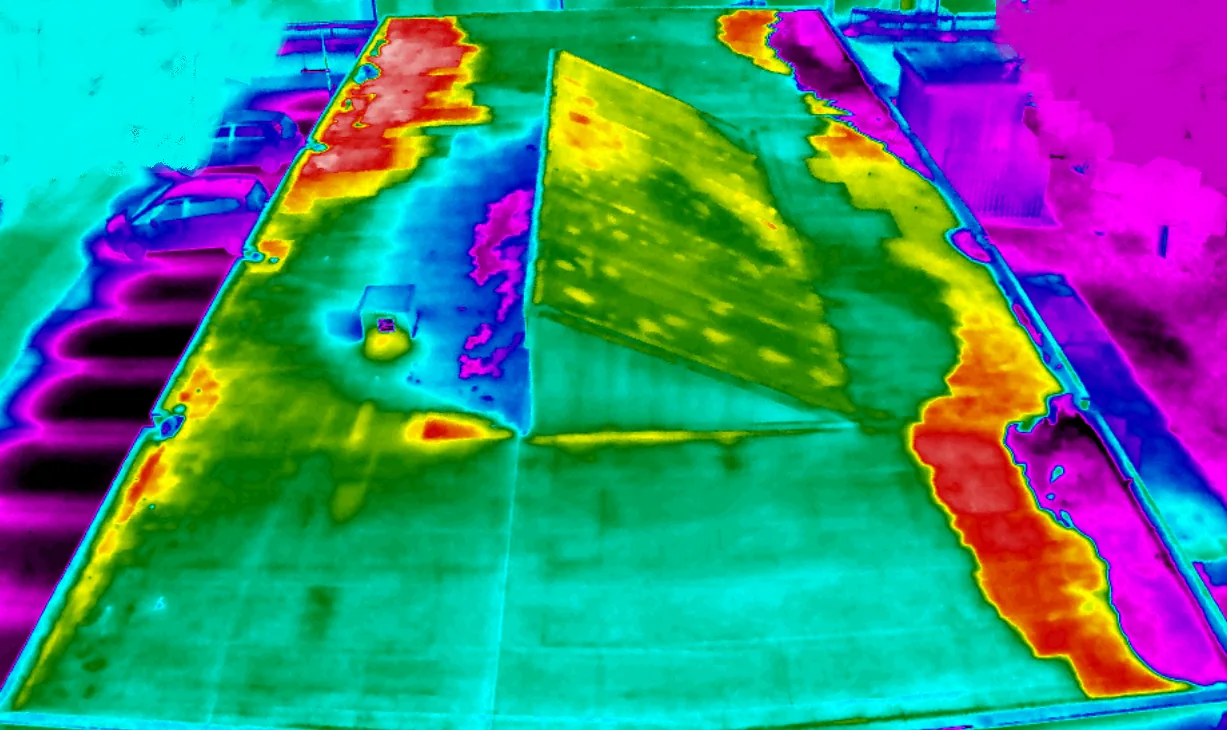
Surface appearance cannot answer every concealed-moisture question. When the retained layers affect the proposed work, we select an appropriate investigation. Thermal images show temperature differences. Suitable conditions may make those differences useful for selecting confirmation points. Shading, material changes and rooftop equipment can also affect the pattern.
An infrared moisture survey records the survey conditions and the interpretation. Selected samples or other suitable checks provide confirmation. Each sample shows the layers and condition at its own location. The report keeps suspected areas separate from confirmed findings. If a removal allowance needs more investigation, we explain that before presenting it as a settled construction quantity.
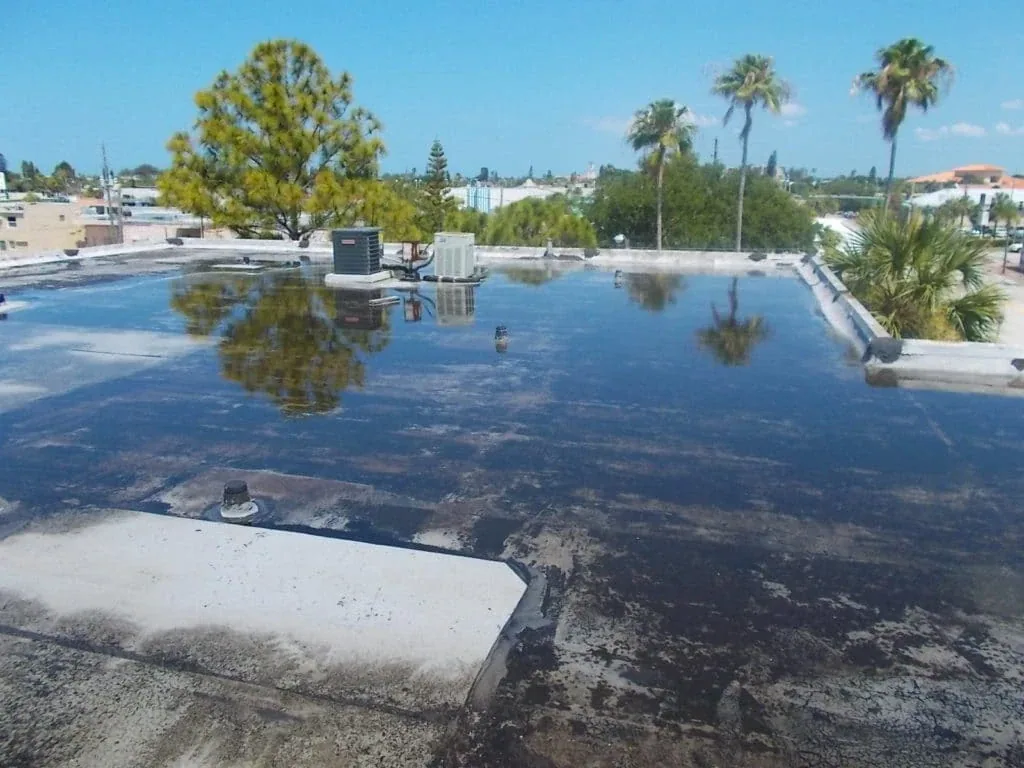
Inspect the outlets, strainers and accessible discharge routes. Debris can obstruct an inlet during the dry season. Sediment marks can also show where water has remained after earlier rain. We record those findings before deciding whether cleaning or a different correction is needed. The owner should see why an outlet has been placed on the maintenance list.
Drain and scupper work can include different tasks. Clearing a strainer does not change a low area or the capacity of a pipe. Where the finding points to geometry, overflow or piping, obtain the appropriate design input. Include measurements and access needs in the report. That gives the next contractor enough information to investigate the drainage problem without treating every water mark as a blocked drain.
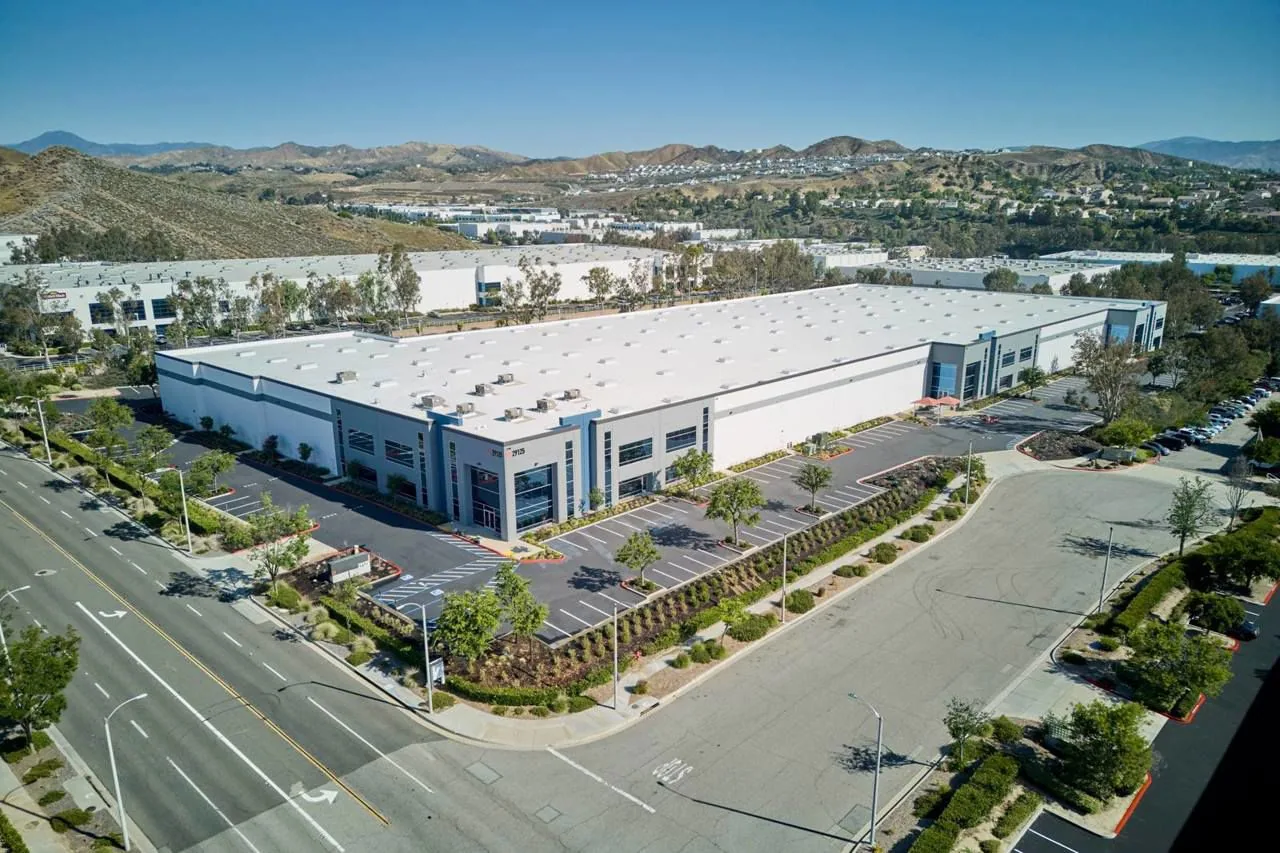
For an occupied property in Valencia Industrial Center, roof work needs coordination with the actual operation below it. Mark receiving routes, equipment access and rooms needing protection. The owner identifies the contact who can approve restrictions. A repair recommendation becomes more useful when those preparations are shown beside the defect.
Along McBean Parkway, office and medical uses can bring different access needs into the work plan. Check intakes, operating hours and the spaces beneath each proposed opening. Mechanical controls belong with the facility team and responsible trade. The report identifies the roofing activity that needs coordination. It then shows how that requirement affects the available work period and the size of a practical phase.
A property in Rye Canyon Business Park receives the same location-based work plan. Confirm the affected tenant and its equipment needs before setting access, sampling or removal arrangements for that building.
Priority follows the condition and its consequence. Active water entry can need prompt investigation and suitable initial protection. A loose component can require a different response. Routine cleaning may fit a scheduled visit. Explain why each item belongs in its category. An owner should be able to see the task behind a priority rating.
A defined roof repair identifies the defect, compatible materials and preparation. Wider findings may justify comparing repair with a larger project. Capital planning uses those findings to organize the investment decision. Before pricing a recover, review the retained layers, supporting condition, loading and attachment. The condition report provides inputs to that assessment rather than approving the option by itself.
Keep completion photographs with the original location. Describe the work performed and any remaining task. Temporary protection stays identified until the permanent scope and required follow-up are complete. A later visit can then compare the same detail and see whether the condition changed.
Roof asset management keeps this record usable through staff and contractor changes. Add equipment alterations and new water reports as they occur. Retain the report date and inspection limits so an old observation is not mistaken for a current assessment. If new findings change the recommendation, show the reason. The next owner discussion starts with an understandable history instead of a collection of unlocated pictures.
A condition report should make its scope and limits easy to find before the reader reaches the recommendations. State which buildings and roof areas were accessed, the date, visual or testing methods used and any conditions that prevented a closer review. Separate direct observations from interpretation and proposed action, with photographs tied to locations. Label estimates and remaining-life opinions according to their basis rather than presenting them as measured certainty. When work is completed, update the relevant finding with the repair record or inspection result so the report remains useful to facilities and capital teams.
It describes the condition established at the inspection and the work supported by those findings. Future weather, maintenance and alterations can change performance. Use the report to set actions and review triggers. An exact failure date would give the owner more certainty than the assessment can support.
Accessible defects, drainage features and construction can be examined then. Some moisture methods or water-entry questions need suitable conditions or further testing. Record those requirements in the scope. The dry season can provide a useful planning window without making every concealed question answerable on one visit.
Gather roof drawings, installation and repair records, issued warranties and the locations of water complaints. Identify access restrictions and equipment contacts. Those details help connect the findings to the correct roof area. Missing records remain a gap to resolve rather than a reason to guess the installed construction.
Ask each proposal to identify the same defect locations and required preparation. Compare quantities, protection, related trade work and exclusions. Where the proposals differ, request the reason. That comparison helps the owner judge whether prices cover the same corrective task before choosing the contractor or authorizing a larger scope.
Arrange a condition report with clear roof locations, photographs and the next practical actions for your Santa Clarita property.
Pages that connect with Roof Condition Reports for Santa Clarita Valley buildings.
Notifications