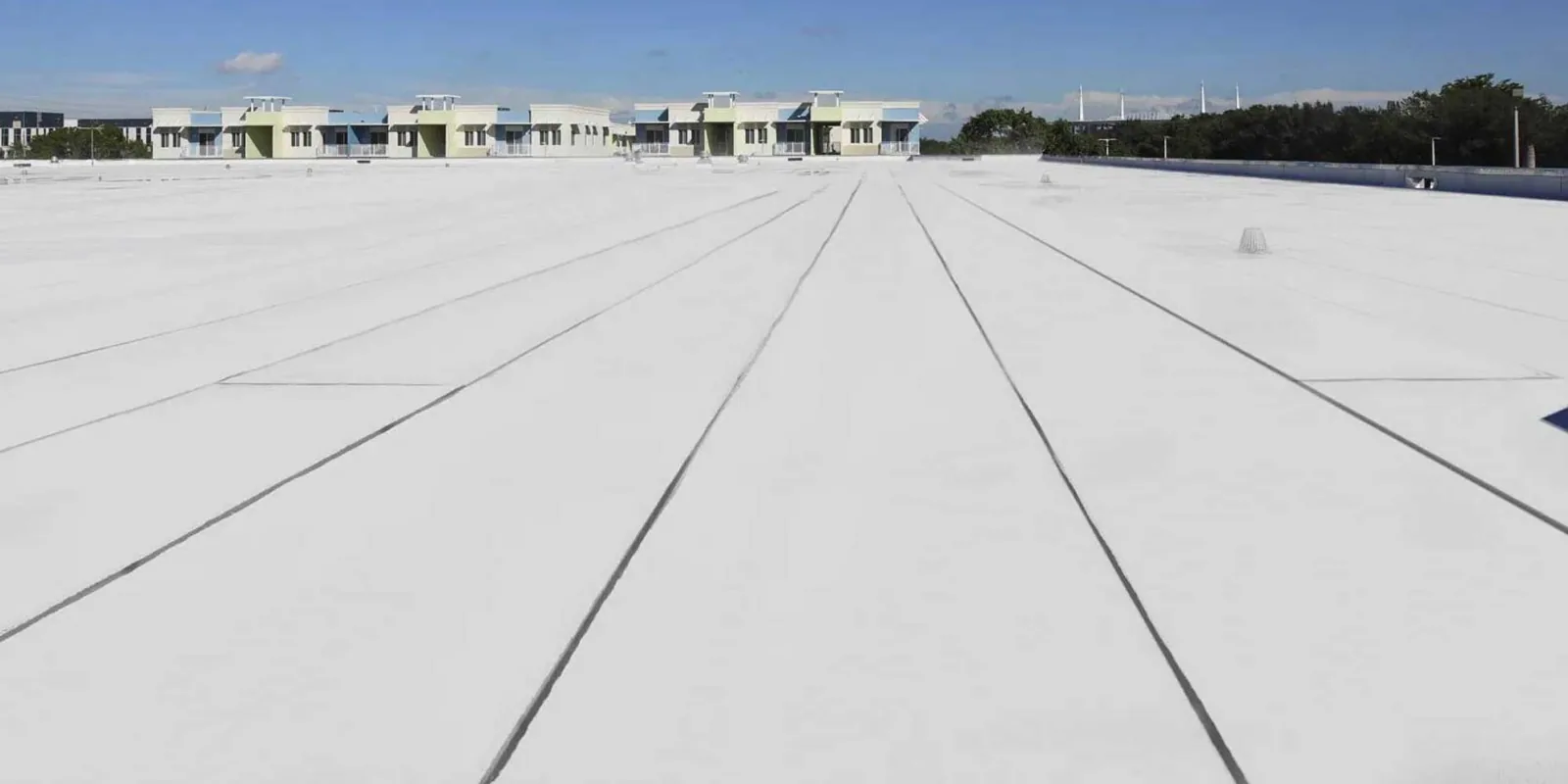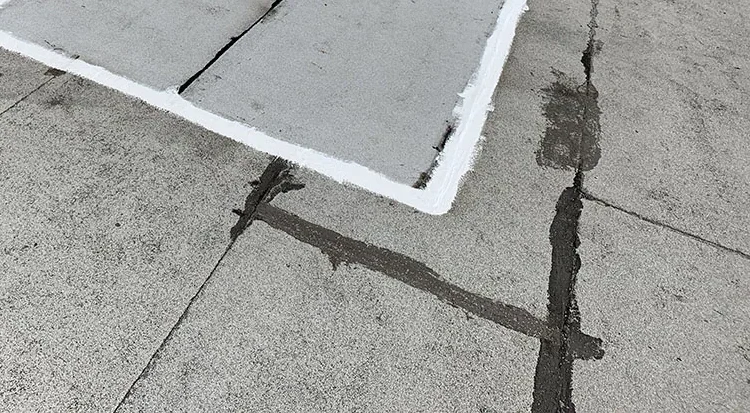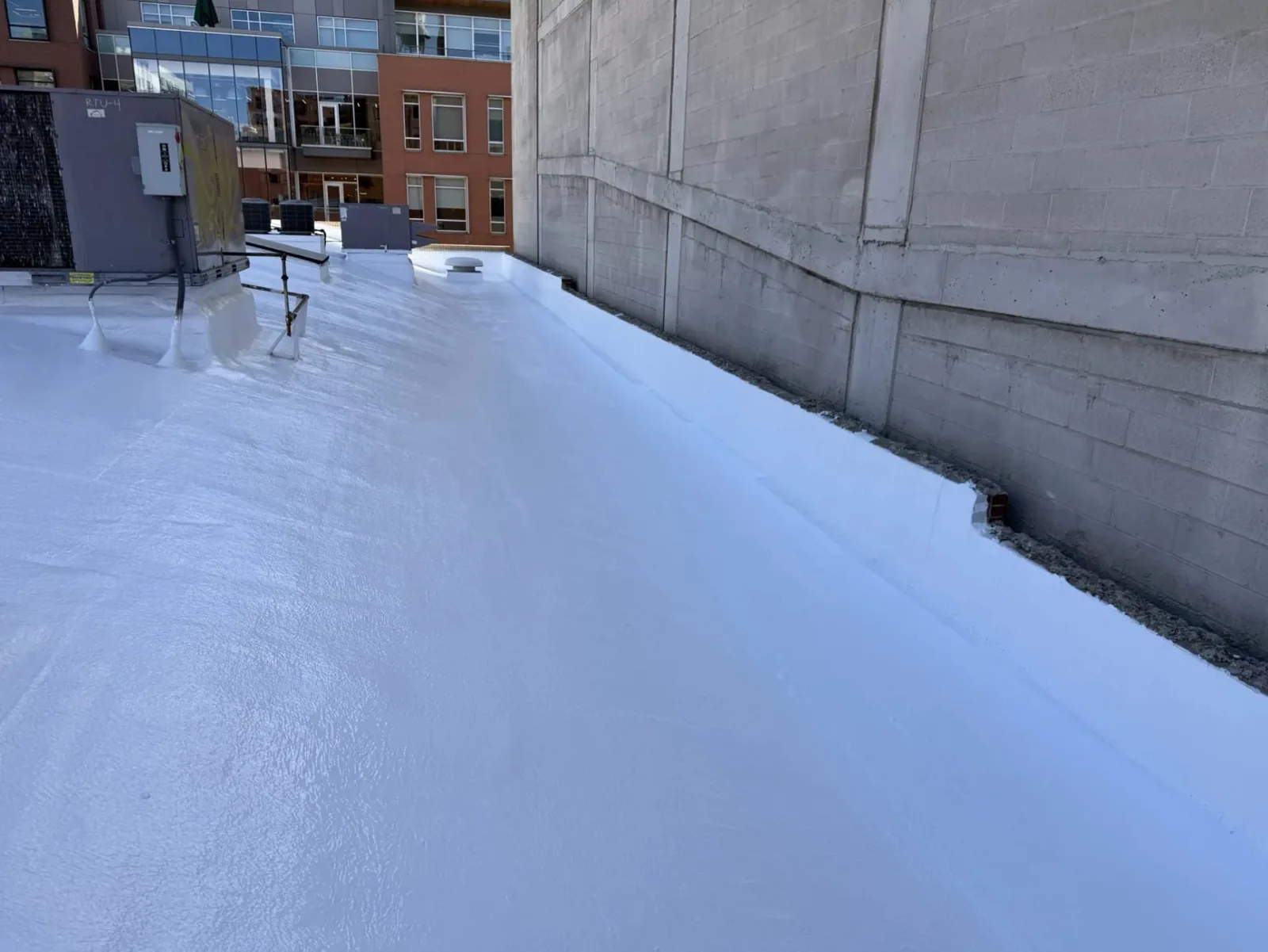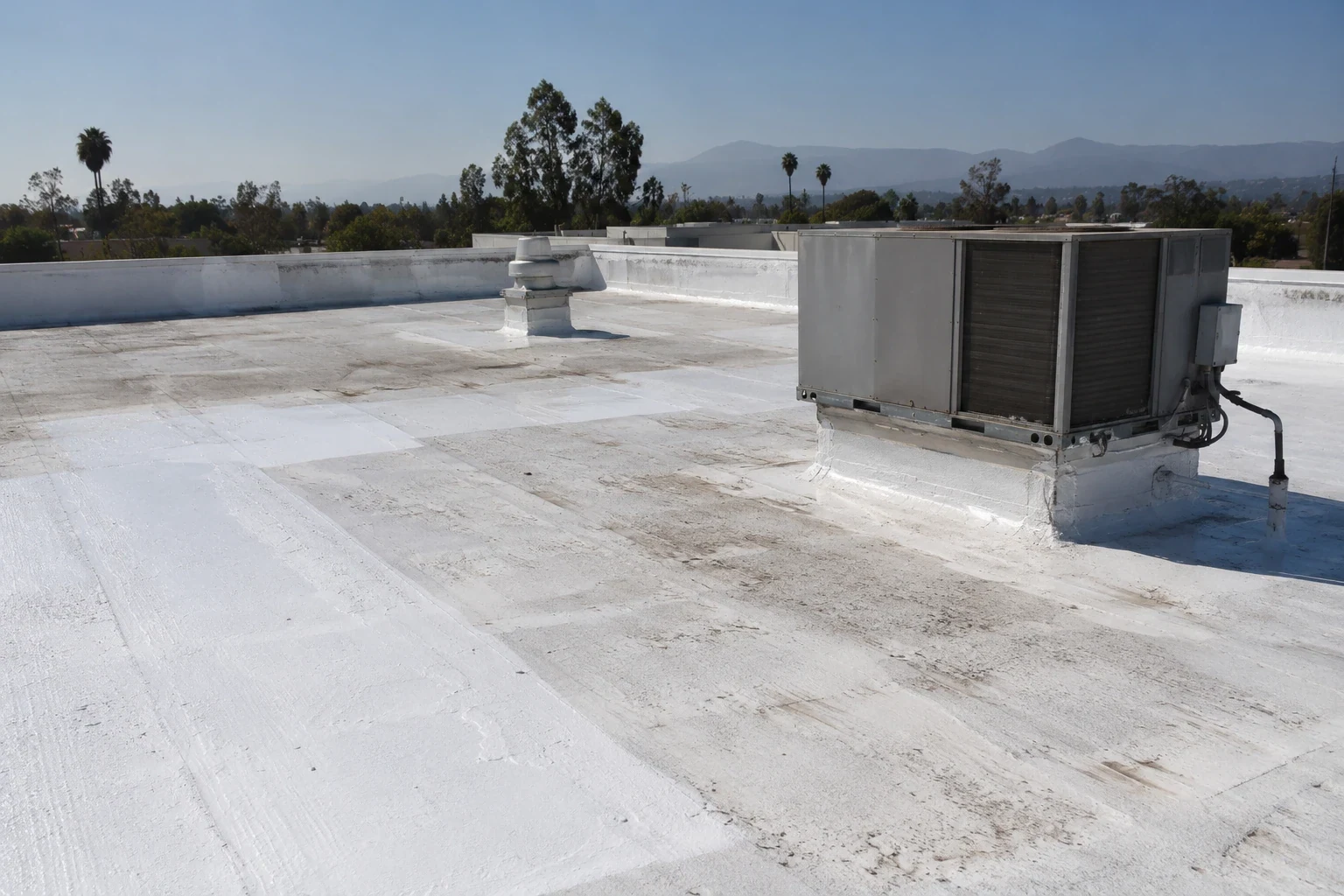

Heat and sunlight are useful reasons to inspect a roof, but the visible material condition still needs examination. Chalking, a split or a worn finish can each ask a different question. Santa Clarita, CA has hot summers. We use that exposure to plan the visit, then evaluate the actual assembly.
Commercial Roofing Santa Clarita assesses weathered roof materials and develops compatible repair or construction recommendations. We locate findings and explain which condition supports the next task. The owner should see the evidence before choosing restoration or a wider scope.
Bring earlier photographs and product information if available. Report recent service work and interior symptoms. Those records help compare changes. Roof age and regional heat alone do not establish that the system has reached a preset replacement threshold.
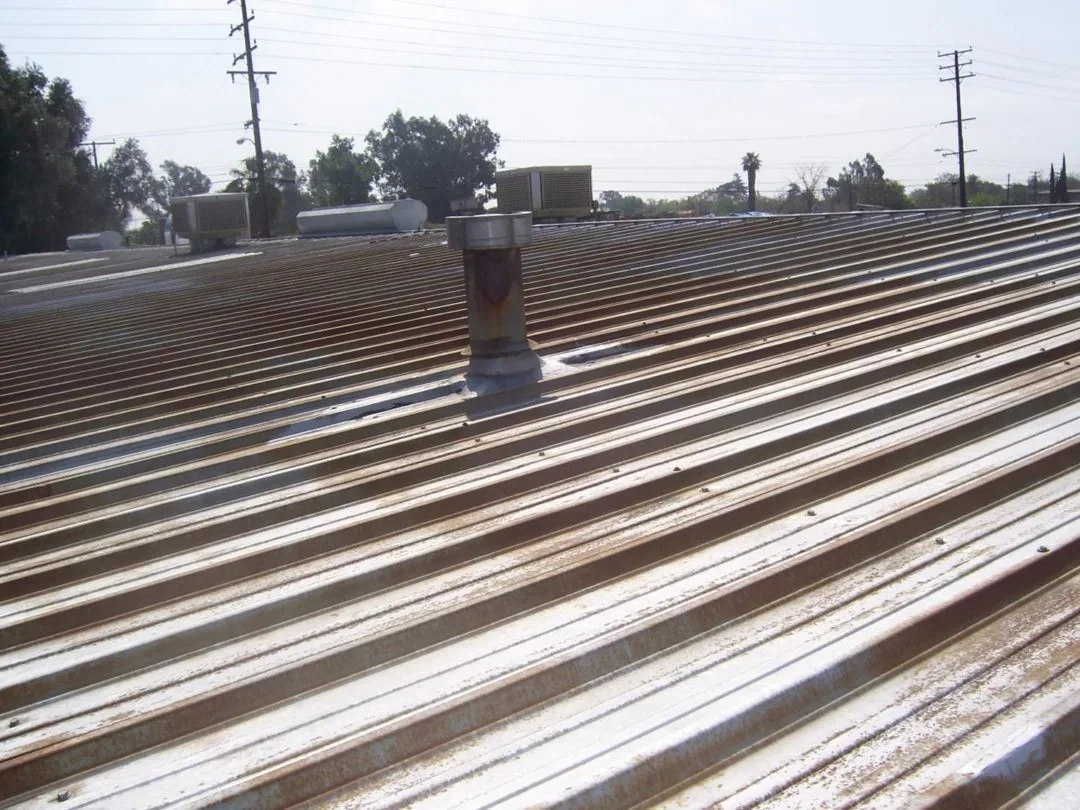
Locate cracks, open details, worn surfacing or other visible changes. Describe the material and observation. The findings need to distinguish appearance from a conclusion about concealed condition. A weathered finish is a starting point for examination.
A roof inspection records accessible condition and limits. Earlier images can help compare the same detail over time. Identify which areas remain unexamined and what further evidence is needed for a construction decision.
Different products age and respond to exposure differently. We identify the existing material before selecting a method. The report should not assign one universal heat or sunlight mechanism to every membrane, coating or metal roof.
Chalking is an observation about the surface. Its significance needs the material and surrounding condition considered. It does not establish a fixed remaining life or automatically require replacement. The recommendation should explain the actual findings supporting the proposed scope.
Seams, flashing, attachment and supporting layers may need examination alongside the finish. A roof can have several different concerns within the same area. We locate them and distinguish repair, further assessment and monitoring.
Commercial repair may suit a supported localized defect. A larger construction option needs its own evidence and project review. The owner should understand why the selected correction fits the condition found.
Materials can expand and contract as temperature changes. The assembly details and connections determine how that movement is accommodated. A split or open termination needs examination of the actual construction before its mechanism is concluded.
Seam assessment identifies the membrane and compatible method. Thermoplastic, rubber and bituminous laps have different procedures. Surface condition and earlier repair products can affect suitability.
Flashing assessment examines roof-to-component connections. Supporting material or another adjoining component may require review. The scope should identify the detail being corrected rather than attribute every opening to the valley climate.
Restoration needs an eligible substrate and complete preparation scope. Weathered appearance alone does not establish that underlying layers are suitable to retain. Condition, attachment, relevant moisture questions and compatibility contribute to the decision.
Coating restoration identifies preparation, repairs and product-specific application procedures. A new finish does not automatically correct concealed deterioration or drainage geometry. Those concerns need their own assessment.
Relevant checks of prepared locations may support suitability. Record the method and findings with the scope. A test at one area does not establish every untested section has the same condition. Additional review may be needed where the roof varies.
Choose an investigation that answers the actual assembly question. Accessible surface condition cannot establish every hidden layer. Authorized samples record materials and condition at selected locations, with the limits explained.
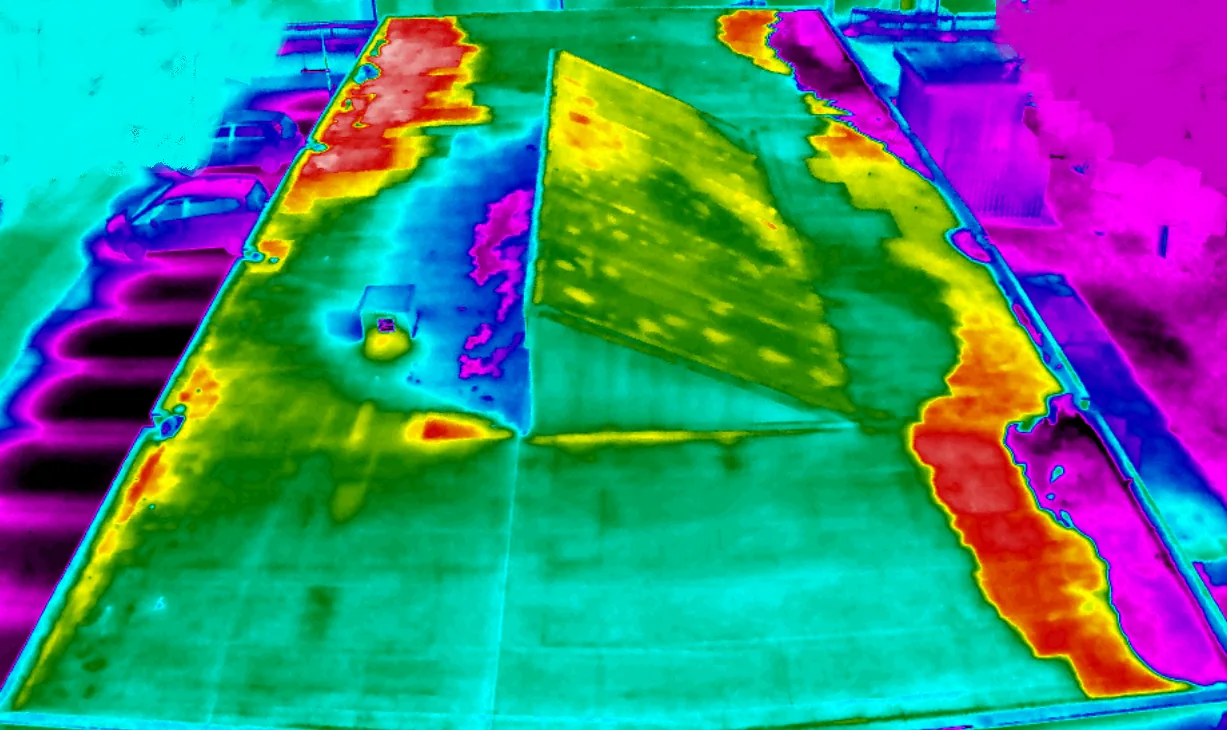
For an eligible roof, an infrared survey can help select areas for closer examination. Compare the temperature image with the construction and conditions, then confirm suspected moisture using a suitable method. They should not be described as a direct view of confirmed wet material across the whole roof.
Unsuitable retained material needs a defined correction. If the evidence supports a wider option, explain the boundary and required review. Keep newly exposed findings and any revised quantities with the owner authorization and final construction record.
A selected finish may have relevant solar reflectance and thermal emittance documentation. The actual product and applicable requirements matter. Appearance alone does not establish energy eligibility, and a material family does not assign fixed utility savings to the building.
Cool roof planning coordinates the surface with the complete assembly and energy approach. Insulation, equipment and operations contribute to the result. The project review should identify applicable provisions and exceptions.
Santa Clarita publishes current California code information and local amendments. Confirm authority, submission basis and scope. Fire classification and relevant property provisions need review for the complete proposed construction, with accepted details retained.
Actual product and surface conditions govern suitable repair or application. Summer heat can affect crew and material planning, while cooler-season rain affects sequencing. A sunny date alone does not establish cure time or substrate readiness.
At Valencia Industrial Center properties, receiving and equipment contacts help establish roof access. The actual layout determines the route. Any required HVAC or building-system control needs a planned operator window.
Confirm the receiving and staging arrangements for commercial work in Newhall. Nearby storefronts and shared access can influence the route, so the manager should identify affected areas before the task. The operator supplies current instructions for the task.
Keep installed-material information, accepted details and located completion photographs together. Relevant checks and approved changes explain the work performed. A future manager should be able to see what was corrected and which assessment remains outstanding.
Warranty requirements need the actual documents. Review manufacturer procedures and required acceptance before altering the assembly. Share relevant roof information with equipment service teams so later tasks can use compatible details.
Report new surface damage, openings or interior water promptly. The next examination can compare the same roof areas with earlier records. Consistent location references make the findings easier to use than an unlabeled image of a weathered finish.
Assign each pending question to a contact and next action. If another material check or design review is required, keep it visible in the roof file. The owner can then arrange that task before a larger construction scope is treated as ready.
Retain the original observation beside the accepted correction. That connection helps the next reviewer understand why restoration, localized repair or another assessment was proposed, without relying on a general claim about heat exposure.
Keep the authorized scope with the final invoice. If quantities changed after an opening, retain the finding and approval. The maintenance team can then use the completed record for another roof decision.
Sun exposure can change a roof surface, but discoloration or chalking alone does not establish loss of watertightness or the need for replacement. Identify the membrane or coating, inspect seams and details, and compare the observed condition with installation and maintenance records when available. Note whether cracking, embrittlement or an open connection is localized or appears across a broader area, while avoiding conclusions beyond the sections examined. If a protective treatment is considered, verify compatibility and preparation requirements. The report should connect photographs to the finding and explain what follow-up would change the recommendation.
The actual material and wider condition need examination. Surface weathering alone does not establish a fixed remaining life or complete construction scope.
Products and assemblies respond differently. Identify the material and observed condition before assigning a mechanism or repair method.
The substrate must suit the selected system. Condition, preparation, compatibility and relevant concealed questions need assessment before application.
It does not automatically correct underlying deterioration or drainage. The complete project needs those findings addressed within a suitable scope.
Use consistent locations and keep earlier photographs with completed-work records. Report new damage or symptoms so the next assessment has a useful reference.
Call Commercial Roofing Santa Clarita with the weathered area and roof records. We will examine the assembly and explain the repair or restoration review needed.
Pages that connect with Heat and UV Roof Damage Repair for Santa Clarita Valley buildings.
Notifications