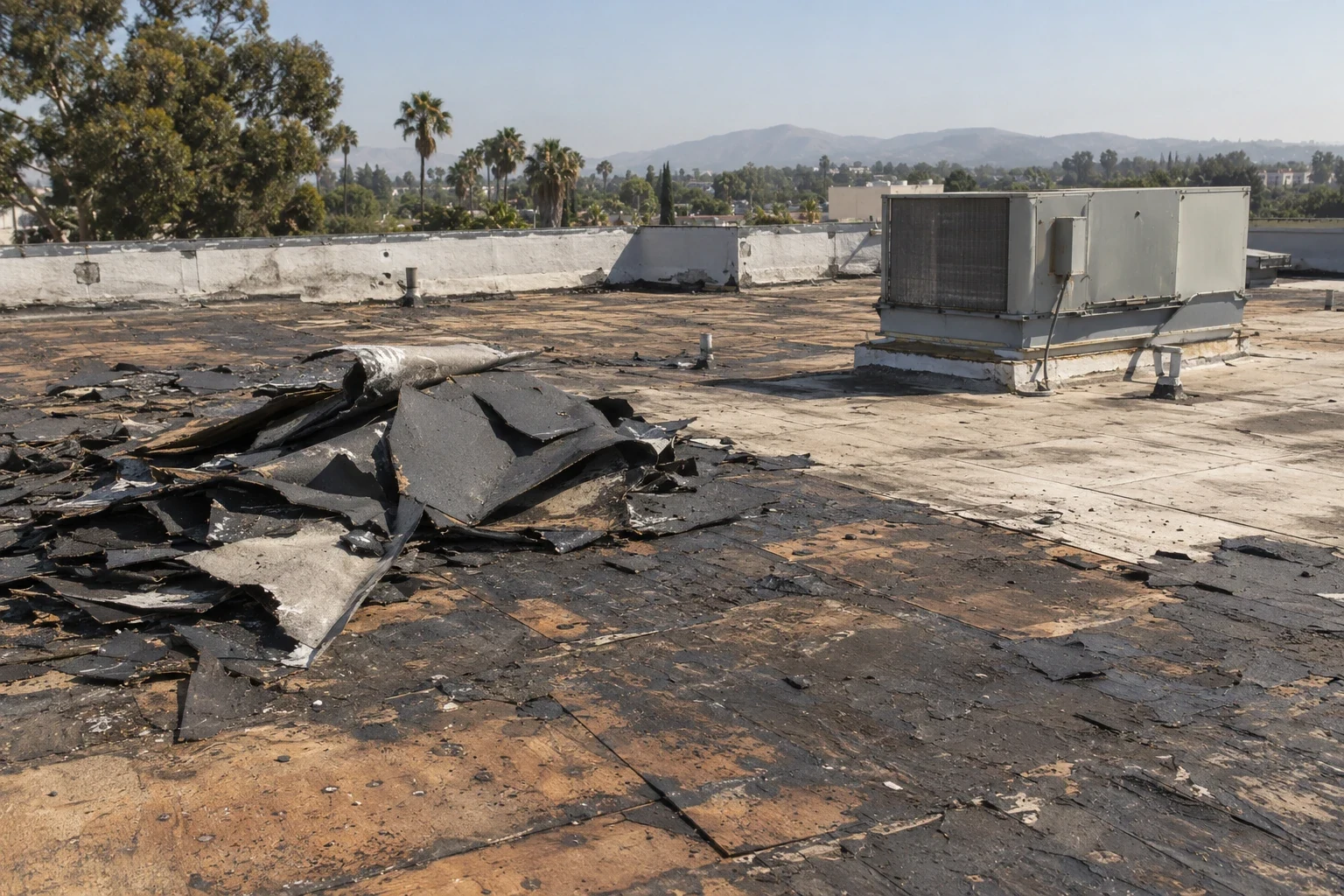

A built-up roof can have more beneath its surface than a casual walk reveals. Layers, surfacing and earlier repairs all affect the next scope. Santa Clarita, CA has hot summers followed by cooler-season rain. An examination before winter work gives the owner time to understand those materials and choose a suitable correction.
Commercial Roofing Santa Clarita assesses built-up roofs and plans compatible repair or construction. We examine accessible condition, review available records and identify concealed questions that need investigation. The owner receives the findings and a clear next action.
Send earlier drawings and repair information if available. Tell us about recurring water entry or recent rooftop activity. We use that information to guide examination, then explain what the evidence supports. A dark or gravel-covered surface does not identify every layer beneath it.
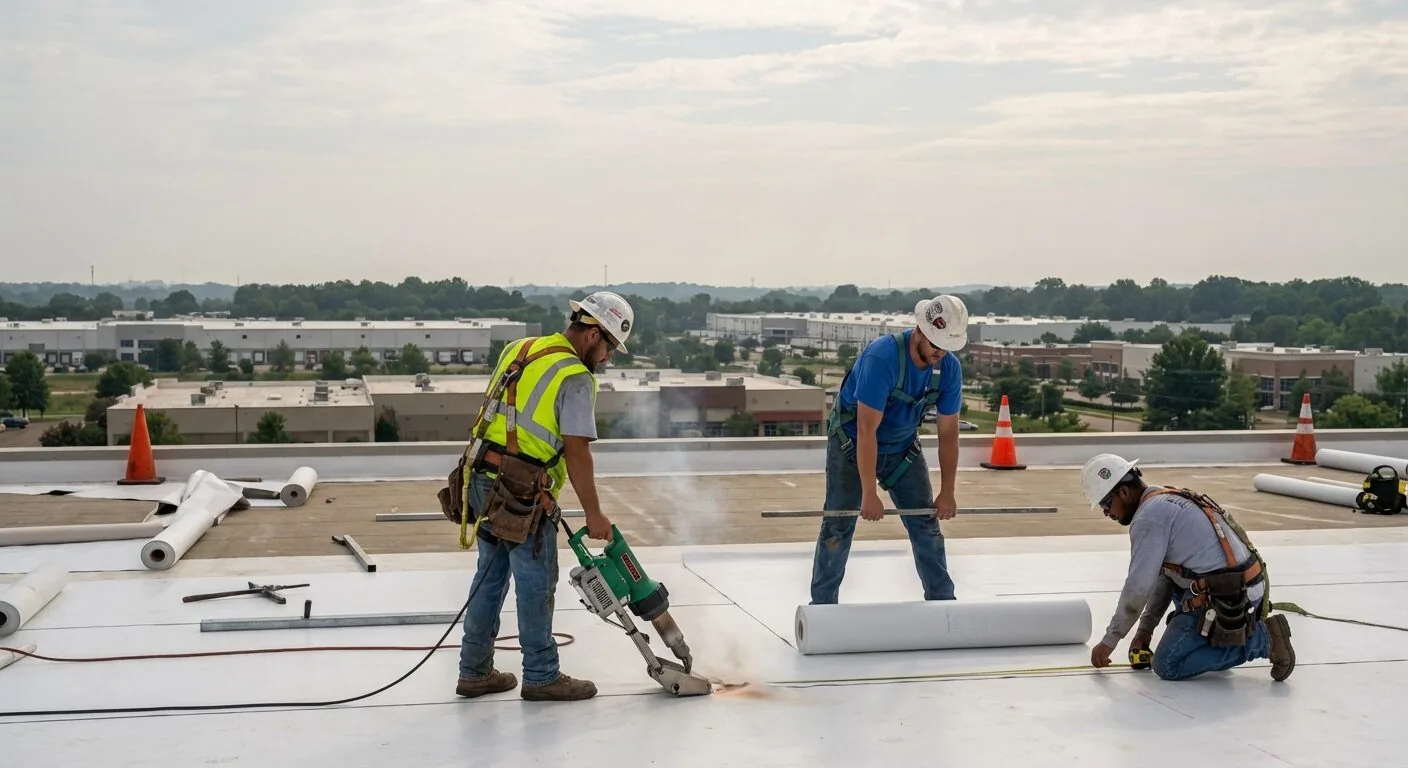
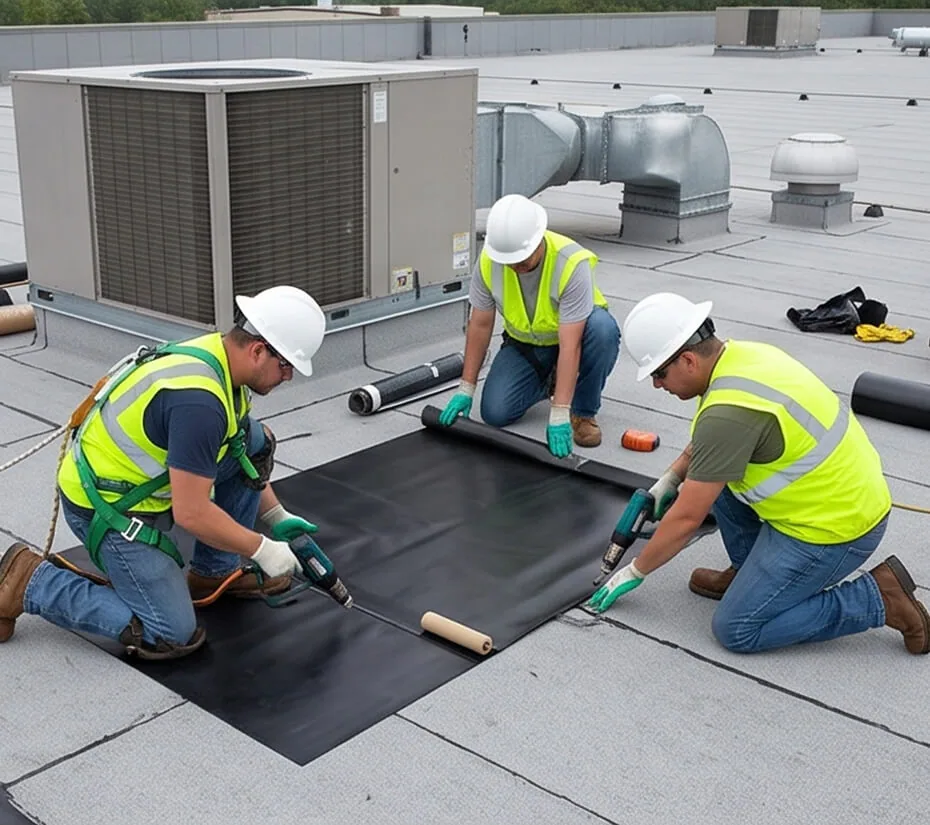
For modified bitumen sheets, identify the actual products and application method beside the built-up ply arrangement. EPDM roofing introduces rubber membrane connections. Those differences affect preparation and completed details, so keep the enabling work with each option when the owner compares construction prices.
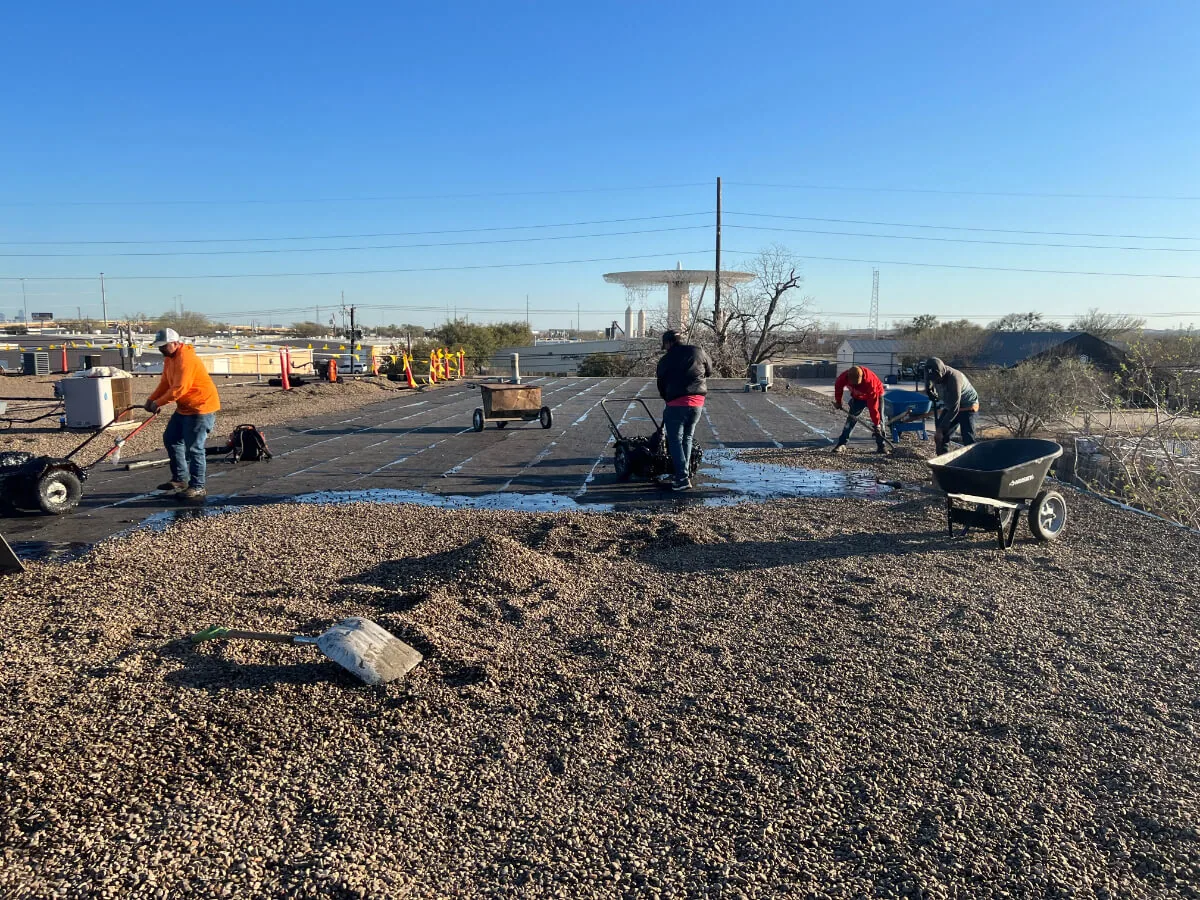
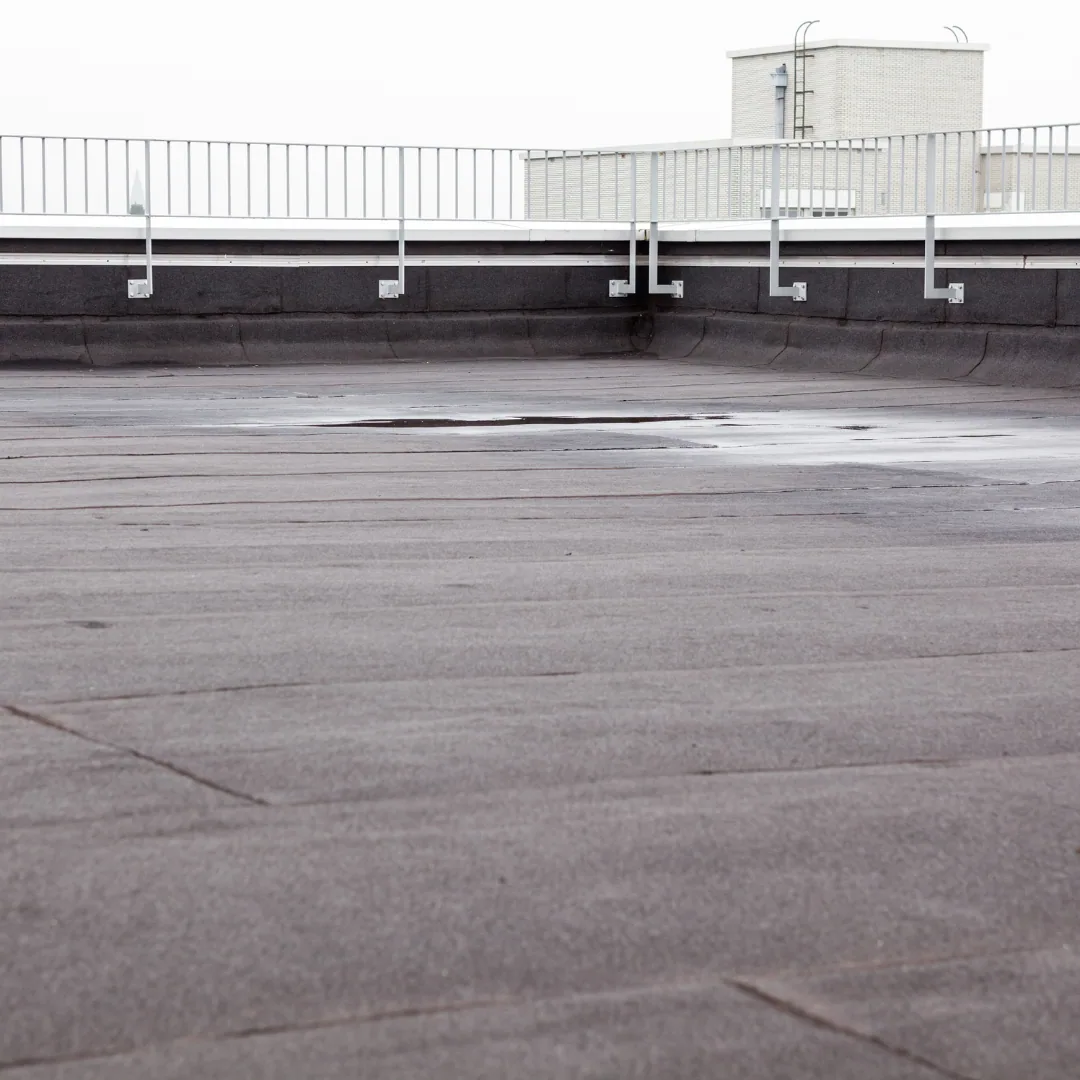
A built-up roof uses multiple plies within a bituminous assembly. The actual materials and surfacing need identification. Individual systems can have different components and installation requirements. The product and assembly records help establish what is in place.
The surface may include aggregate or another specified finish. That finish affects access, examination and repair preparation. It should be considered with the underlying layers, rather than treated as the roof’s complete construction.
Insulation and cover board can form part of the supporting assembly. The proposal should identify the deck, layers, attachment and detail scope. That gives the owner a complete comparison when another roofing system is offered.
We start with accessible laps, flashing, outlets and surface condition. Gravel or other surfacing may limit what can be seen. Any disturbance needs a defined method and authorization, with suitable restoration afterward.
A roof inspection records accessible findings and limits. Authorized samples can identify materials and condition at selected points. Their locations should answer useful questions about the proposed scope. They do not expose the entire roof.
An infrared survey may guide investigation where the roof and conditions are suitable. Surfacing and layer arrangement can affect interpretation. Thermal patterns require relevant confirmation before being described as supported moisture findings.
It is a condition to examine, with a location worth recording. The affected materials and possible mechanism need assessment. A visible blister does not establish that the deck is damaged or that every nearby layer is wet.
We examine accessible adjoining material and identify whether an opening is needed. The scope should describe the question being answered and suitable closure. If the finding extends farther than expected, document that evidence before revising the work.
Commercial roof repair should match the identified bituminous materials and actual condition. Compatible preparation and layer reconstruction matter. Another surface patch should have a clear purpose and connection to the surrounding assembly.
Retention requires a complete review for the proposed system. Condition, moisture, attachment, structure and applicable covering limits matter. The existing surfacing and compatibility may require an approved preparation or separation approach.
A roof recover should explain what is retained and why the evidence supports it. It also needs drainage and detail modifications identified. Dry-looking material at one sample cannot establish eligibility across every concealed area.
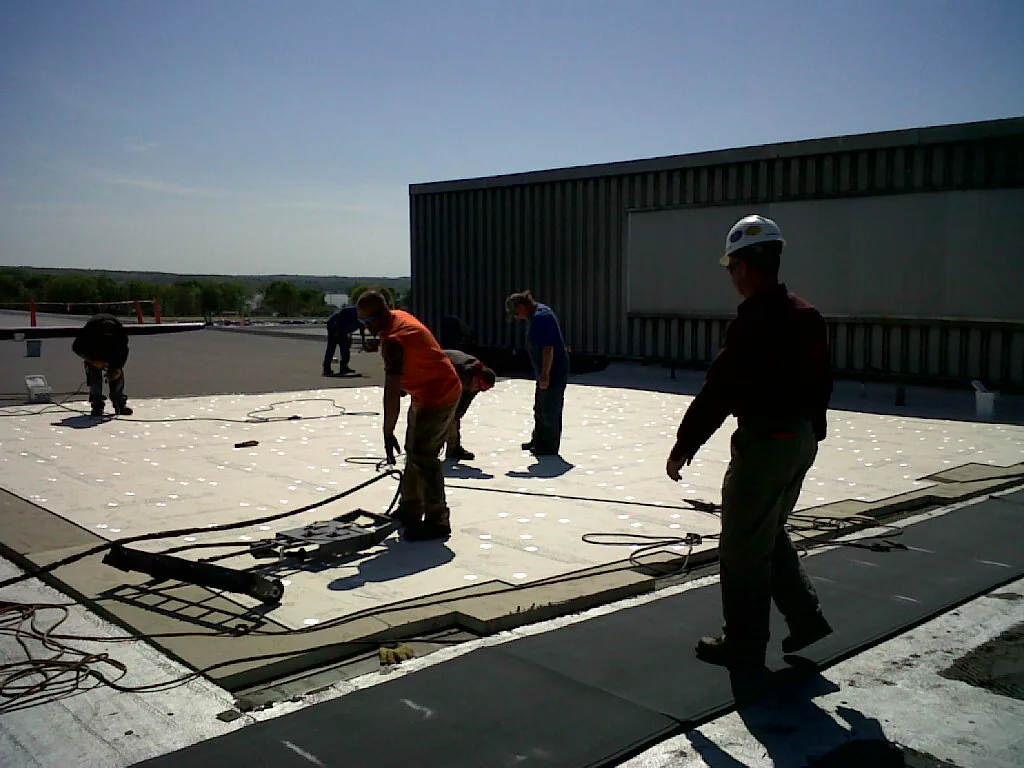
Where removal is justified, replacement needs a defined reconstruction scope. The owner should see the layers coming off, supporting work and new assembly. The recommendation must explain the findings and requirements driving that decision.
A multi-layer field still needs coordinated transitions. Wall flashing, curbs and outlets may have different construction from the main roof. We identify the detail before choosing the repair. Material movement and earlier alterations can affect what needs reconstruction.
Drains and scuppers need a clear water path through the proposed layers. Changing thickness or surfacing can affect those interfaces. A new covering does not automatically correct a separate geometry or outlet problem.
Equipment work may involve responsible mechanical or structural parties. We identify the roof task and handoff around those components. Final checks should address the complete interface and record any remaining concern for the owner.
The selected materials and method govern preparation and application. Hot materials or other application processes need their relevant procedures and project controls. Occupied spaces and nearby components should be reviewed before those tasks are scheduled.
Summer heat and forecast rain in Santa Clarita influence suitable work windows. Current conditions and the actual product requirements establish the sequence. Changed weather or newly exposed findings may need a revision, with the authorization process identified in advance.
Santa Clarita publishes current California codes and local amendments. Scope, submission details and jurisdiction establish the applicable project basis. Fire classification, energy and relevant property provisions need review for the complete assembly, with accepted information retained in the file.
At Valencia Industrial Center properties, industrial receiving and equipment contacts should be identified before roof work. We coordinate material movement with the operator and use the actual layout to locate work areas.
Old Town Newhall includes shops and other commercial uses. Shared staging and occupied entrances may affect the plan. The manager should identify neighboring activity and the contacts who need notice.
Any required HVAC, electrical or fire-system control needs the responsible qualified team and a planned window. Roofing access follows those arrangements. The owner should understand who authorizes each task and how the roof is restored when adjoining work is complete.
Keep identified materials, accepted details and located repair photographs together. Completed-work records should describe the layers involved and relevant checks. An unresolved item needs a next action rather than disappearing within the final invoice.
Warranty requirements depend on the actual documents. Review manufacturer procedures before later alteration. The owner can use the completed record to maintain the roof and assess a future capital option with clearer information about what remains in place.
When a later opening reveals different materials, locate the finding and revise the assembly record. That gives the next project a useful reference and lets the owner understand why a new repair approach is being proposed for that particular area.
Before repairing a built-up assembly, confirm its surfacing and ply arrangement at the affected location. Gravel, coatings and multiple layers can conceal the condition of a seam or prior patch, and a small sample supports only the area tested. Define how the repair will connect to sound construction and whether aggregate or surfacing must be restored. The proposal should identify any method-specific safety and access controls, plus the boundary of work if concealed material changes the plan. Dated images of exposed plies and the completed tie-in will help facilities staff interpret future inspections.
It is a surfacing observation. The actual layers and materials need identification from records and suitable examination before a construction method is selected.
Suitability and interpretation depend on the assembly and conditions. Relevant confirmation supports moisture findings, while the report identifies limits and remaining questions.
The identified material and adjoining condition need to suit the proposed correction. The scope explains preparation, reconstruction and relevant checks.
Review condition, moisture, attachment, structure, drainage and compatibility. Applicable project and covering requirements belong in that complete assessment.
Located photographs and layer information make comparison easier. Keep approved details and warranty procedures with the roof file.
Call Commercial Roofing Santa Clarita with the roof records and reported concern. We will examine the built-up assembly and explain the next repair or construction decision.
Pages that connect with Built-Up Roofing for Santa Clarita Valley buildings.
Notifications