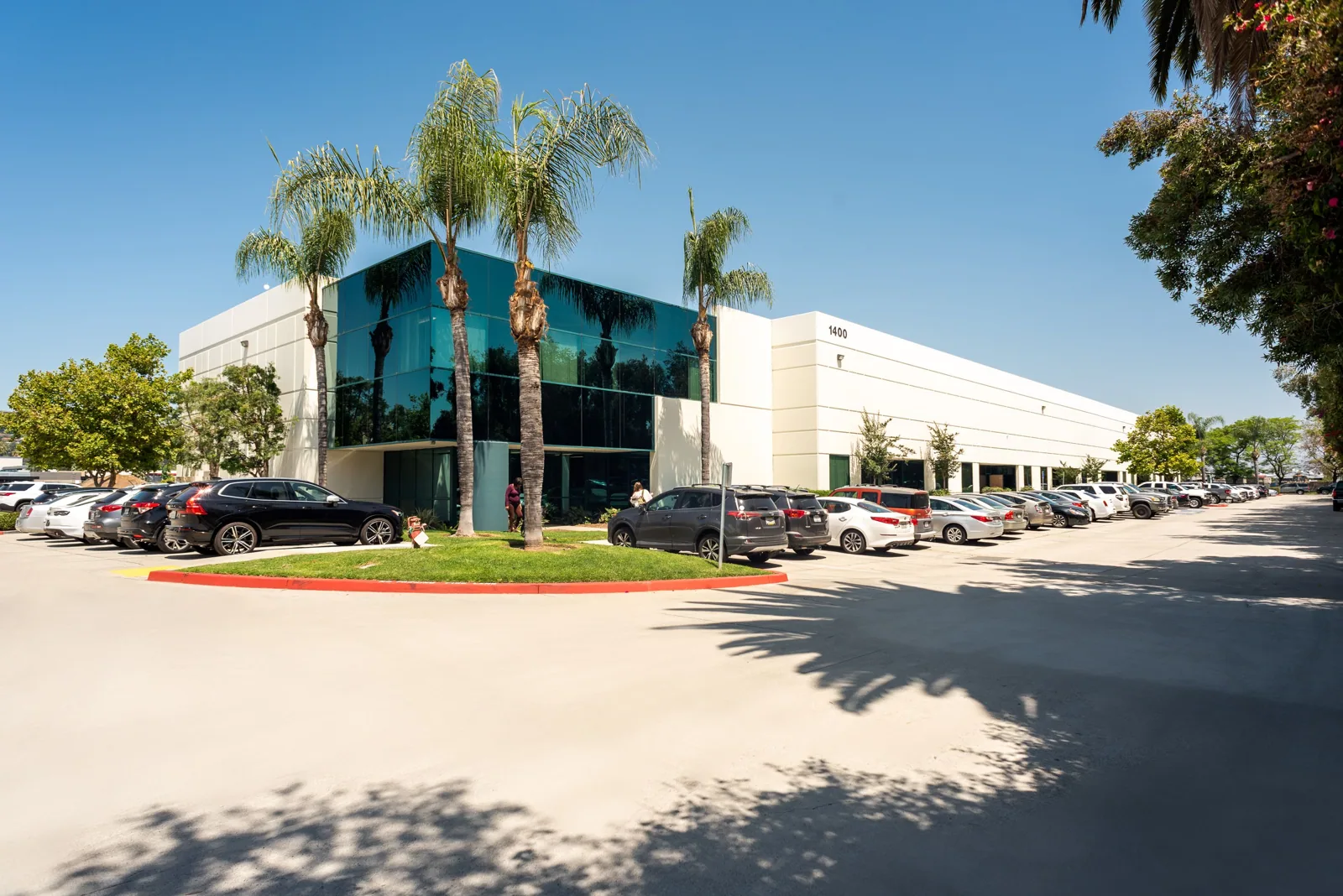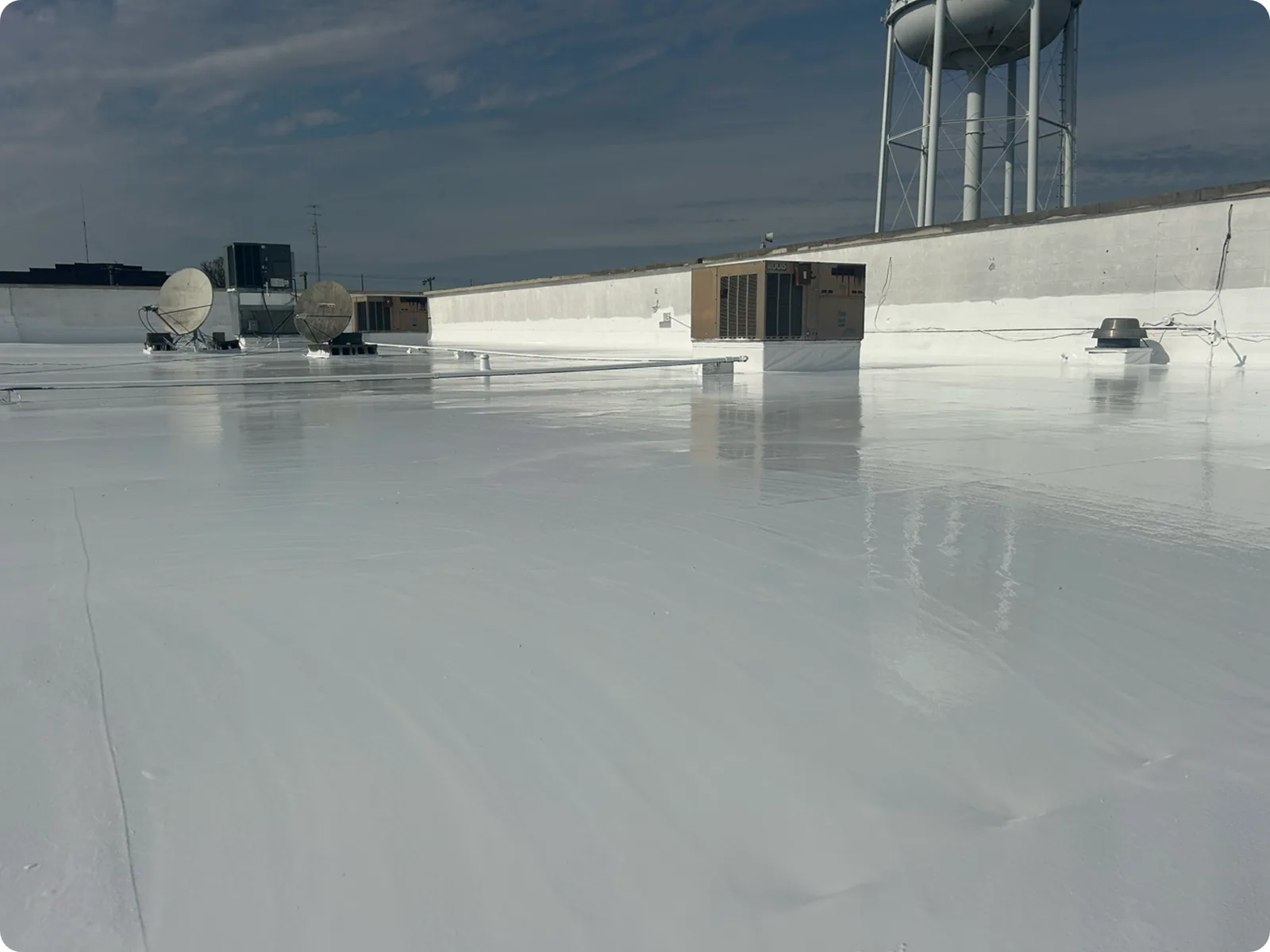

An investor needs to know what the roof recommendation is based on before assigning a capital allowance. The useful record identifies condition, investigation limits and the work being compared. Santa Clarita, CA has commercial and industrial properties with different assemblies. Their individual findings drive the scope.
Commercial Roofing Santa Clarita assesses roofing for acquisition review and ongoing ownership. We document accessible conditions and explain repair or construction options. The report should give your team a usable next decision and identify the evidence still needed.
Bring the transaction schedule, roof records and intended project. Tell us whether the question concerns an isolated defect, retained materials or a wider capital scope. We plan the assessment around that question rather than treat one brief visit as a complete answer to every roof risk.
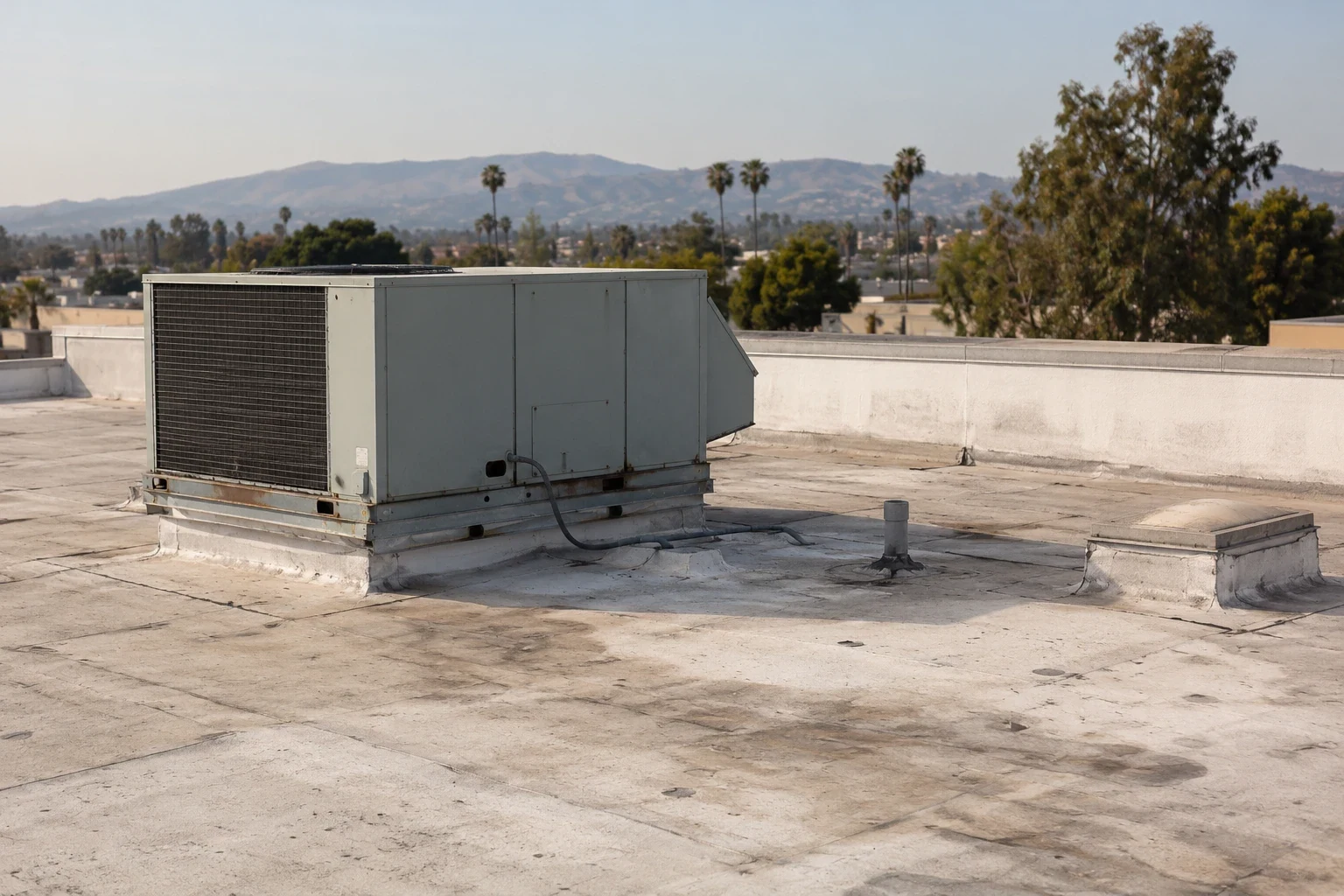
Collect drawings, repair history and warranty documents when available. Earlier reports and photographs can help show changed conditions. Identify who can provide roof and interior access. The inspection timing should allow further assessment before the transaction decision deadline.
Due diligence roof surveys organize accessible findings and relevant limits. The report should identify which areas were examined and which remain uncertain. A current photograph without a roof location is less useful to another reviewer.
Keep the questions specific. Material condition, leak investigation and replacement planning may need different evidence. We explain the task completed and any additional work recommended, with its purpose clear to the acquisition team.
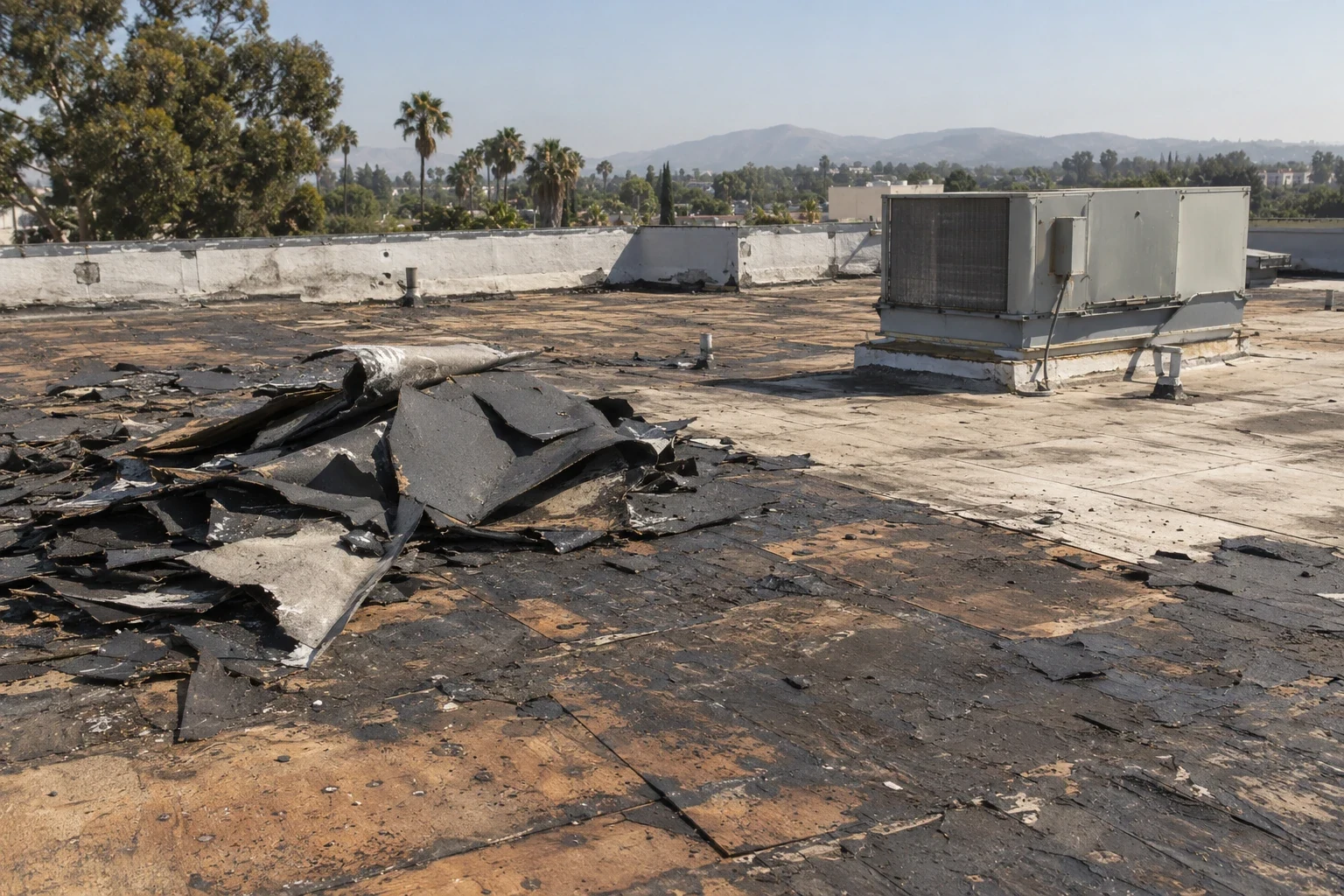
Accessible inspection does not expose every layer. Records may identify the original assembly, but current concealed condition can need investigation. The report should state what supports the finding and what remains an assumption.
For a suitable insulated roof, an infrared survey can help select investigation locations. Compare the temperature image with construction and site conditions, then confirm suspected moisture using an appropriate method. Keep the sampled locations visible on the report so the acquisition team can see the evidence behind the interpreted extent.
Use those findings to define the proposed work and its limits. If a larger retained area needs further review, identify that task before treating its condition as settled. An allowance is more understandable when the evidence and pending questions remain visible together.
Compare complete scopes. Removal, substrate repair, new layers, attachment and details should be identified where included. Access and operating assumptions also affect the work. A lower total may represent a different amount of construction.
Recover requires eligibility checks for retained materials, structure, attachment, drainage and applicable limits. Replacement should explain the removal and reconstruction scope. The examined condition and project requirements support the choice.
Future removal or maintenance assumptions deserve their own explanation. We identify what remains beneath the new work and how later service would reach relevant details. Avoid assigning fixed future costs without a clear quantity and scope basis.
Separate a verified quantity from an allowance. If the roof area has not been measured, identify the measurement still needed. Confirm the construction quantities from the measured roof layout. Include the project roof dimensions and detail count when the estimate is developed for approval, with any remaining allowance clearly identified.
The findings should distinguish urgent exposure, planned work and monitoring. That gives the ownership team a practical view of pending roofing tasks. A suggested sequence needs the condition and operating constraints supporting it.
Roof capital planning connects the construction options with the owner review. A roof age or number of patches does not establish a universal replacement deadline. Describe the materials and details driving the recommendation instead.
Keep suitable application conditions and material availability within the scheduling assumptions. Newly exposed findings or changed weather may alter a sequence. The approved project should define how those changes are documented and authorized.
Receiving routes, tenant access and equipment controls can affect construction. The actual operator supplies those requirements. We identify affected areas and the roofing sequence using that information. A building type alone does not establish tenant restrictions.
Occupied-building roof work develops the plan for staging, removal and protective tasks. Required HVAC, electrical or fire-system controls need the responsible qualified teams and agreed windows.
Capital proposals should include relevant access assumptions. If another trade must move equipment or assess a support, identify that interface. The owner can then compare a complete project rather than discover an omitted operating task after the roofing price is approved.
Valencia Commerce Center lies northwest of the Interstate 5 and State Route 126 junction. Industrial receiving and equipment access deserve planning at its individual properties. The actual roof layout establishes the inspection route.
The office and industrial operators at Centre Pointe Business Park can have different access contacts. Its location between Route 14 and Interstate 5 helps the team organize the site visit. Different operating teams may need to join the access discussion. We identify the authorized contact for the building under review.
Santa Clarita has hot summers and cooler-season rainfall. Scheduling an assessment before winter construction gives the team time to resolve pending findings. Regional conditions inform the planning window, while the examined assembly determines the roofing recommendation.
Retain the findings, located photographs and accepted scope. Keep assumptions and unresolved items clearly identified. If an opening later changes the quantities, record the supporting observation and authorization with the final work.
Roof asset management uses consistent building and roof-area identifiers to connect these records. Another manager should be able to see what was found, what was approved and what still needs action.
Project requirements need the actual jurisdiction, scope and submission basis. Santa Clarita publishes current codes and local amendments. Warranty terms require the applicable documents. Keep required manufacturer and permitting reviews with the construction file.
The completed record should identify installed materials and relevant checks. When ownership changes, that file gives the next team a useful starting point. It supports a clearer roofing discussion and identifies the condition examined at the time of the assessment.
Name the contact responsible for every pending review. The team can then obtain missing documents or arrange further assessment while the relevant decision is still open. That keeps uncertain items from disappearing inside a summarized capital total.
Assign the post-acquisition roofing actions to property management. Request the general contractor's scope where planned improvements change roof supports or openings. The reserve discussion should identify those dependencies before an investor approves a price based on completed receiving work.
For an investment portfolio, distinguish a comparable condition category from a property-level construction recommendation. Track the inspection date, roof system, active concern, evidence and estimated next action for each asset, then label any budget figure that depends on future testing or design. A portfolio ranking can inform capital sequencing, but a site with a different assembly or occupancy needs its own review. Keep the scope, exclusions and approval status attached to the asset record. That lets an investment team compare risk and timing while preserving the detail needed before authorizing field work.
It provides evidence within its agreed scope. The report identifies examined areas and limits, with further investigation recommended where the decision needs more support.
Identify retained materials, removal, reconstruction and access requirements. State pending concealed questions so the proposed work can be compared clearly.
Current findings and suitable construction options need review. The recommendation should explain the materials and details supporting the proposed sequence.
The authorized manager and operator provide those requirements. The roofing plan should use their confirmed access and control arrangements.
Keep accepted scope, changes, material records and completed checks with located photographs. Outstanding items need a named next action.
Call Commercial Roofing Santa Clarita with the acquisition or capital question and available records. We will assess the roof and explain the scope and remaining checks.
Pages that connect with Investors and REITs for Santa Clarita Valley buildings.
Notifications