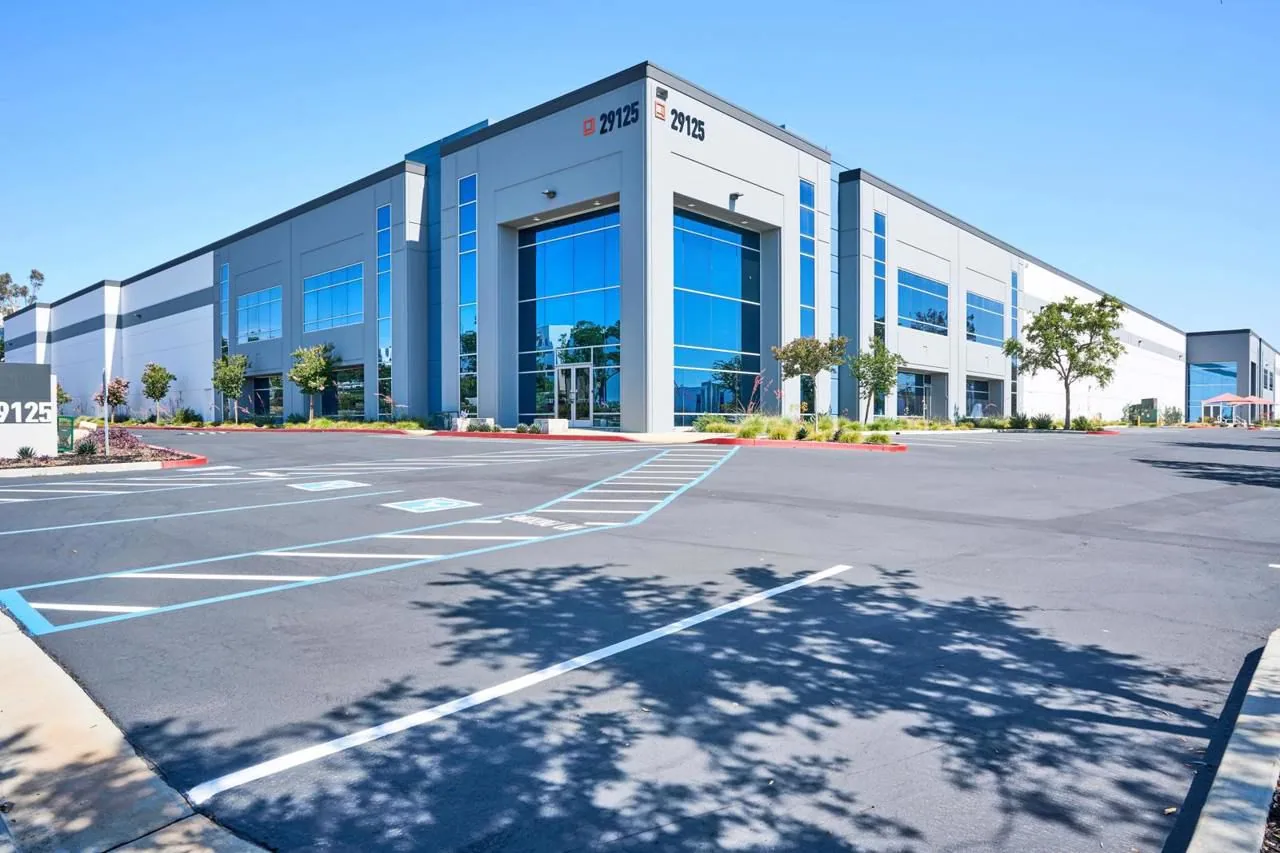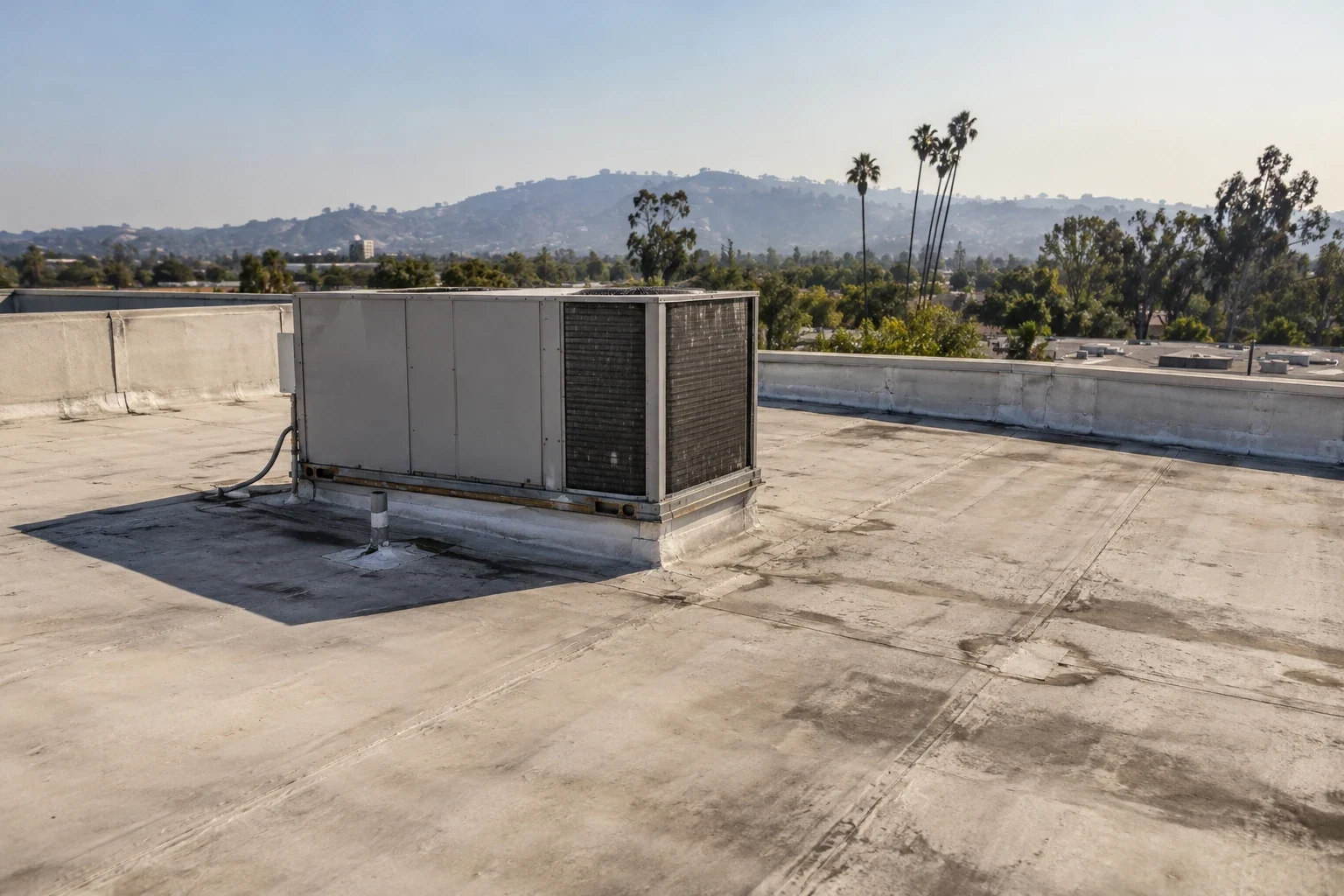

Winter rain is a poor time to discover that a roof budget omitted wet insulation or damaged support. In Santa Clarita, CA, the dry season can provide a useful window for investigation and planning. Roof capital planning starts with the condition, then defines the work worth pricing. The owner gets a sequence of decisions, measured quantities and visible allowances. Settle the important questions before a target construction date turns an incomplete scope into an urgent purchase. Review the outstanding decisions before award.
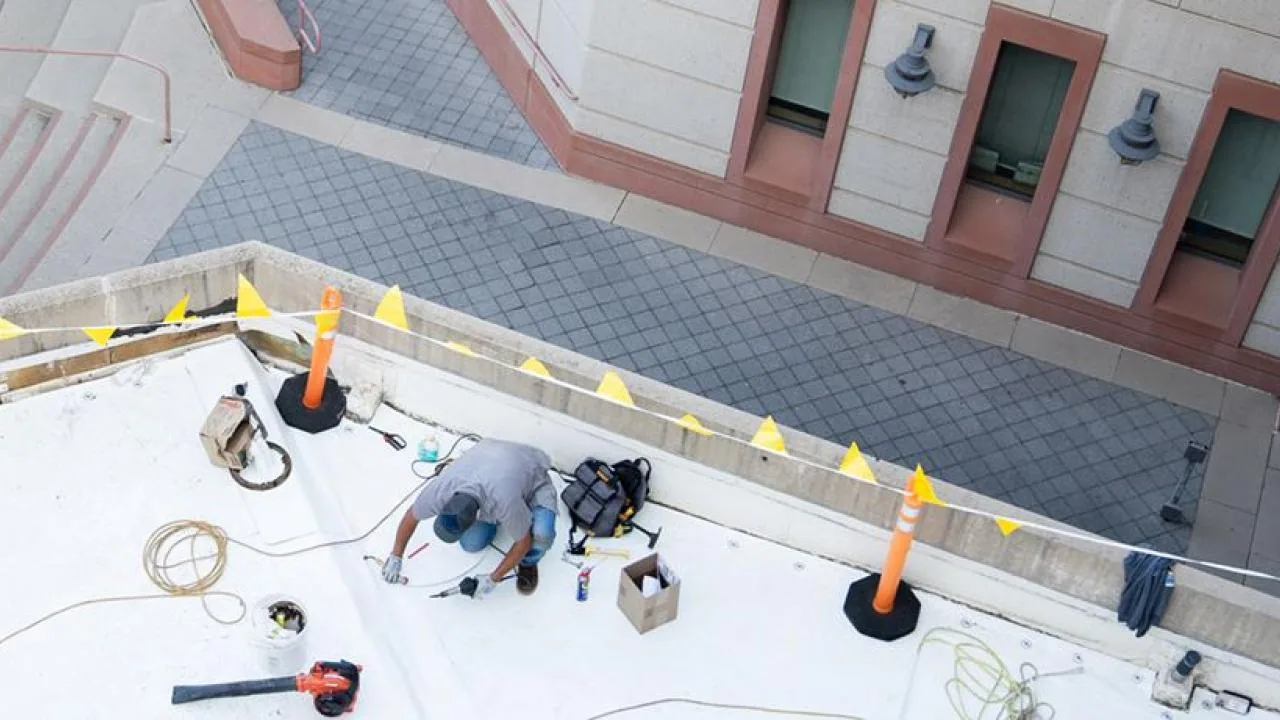
Start with the finding and its consequence. Active water entry can need a prompt correction. A larger investment may follow wider confirmed deterioration, unsuitable retained layers or required changes to the assembly. Describe that basis plainly. Roof age can help organize records, but it is not a substitute for the condition assessment.
Condition reports locate the defects and explain the investigation completed. Use them to separate immediate work from further testing and future options. A proposed commercial roof repair should show which opening or detail it addresses. Keep that task distinct from a full replacement allowance. An owner can then authorize necessary work without assuming every repair means the entire roof is ready for removal.
Retained layers, concealed moisture and supporting condition can affect removal and reconstruction. Identify those questions before comparing bids. Where access and permission allow, investigate the conditions likely to change the scope. A dry-looking membrane cannot tell the owner whether every layer beneath it is suitable to remain.
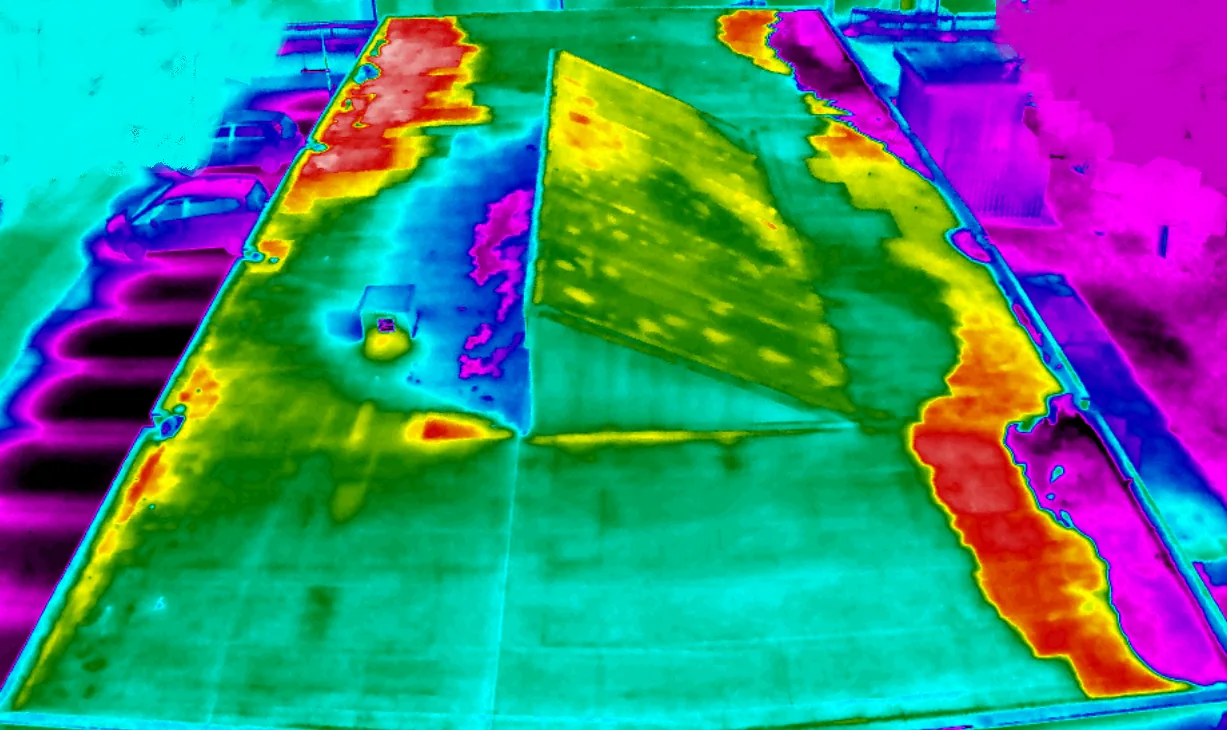
An infrared moisture investigation can help select confirmation points under suitable conditions. Record what each method establishes and where samples were taken. Exposed construction verifies final removal boundaries during work. The budget should identify the remaining allowance and the agreed process for measuring discoveries. That lets bidders price known quantities while showing the owner where additional findings could affect expenditure.
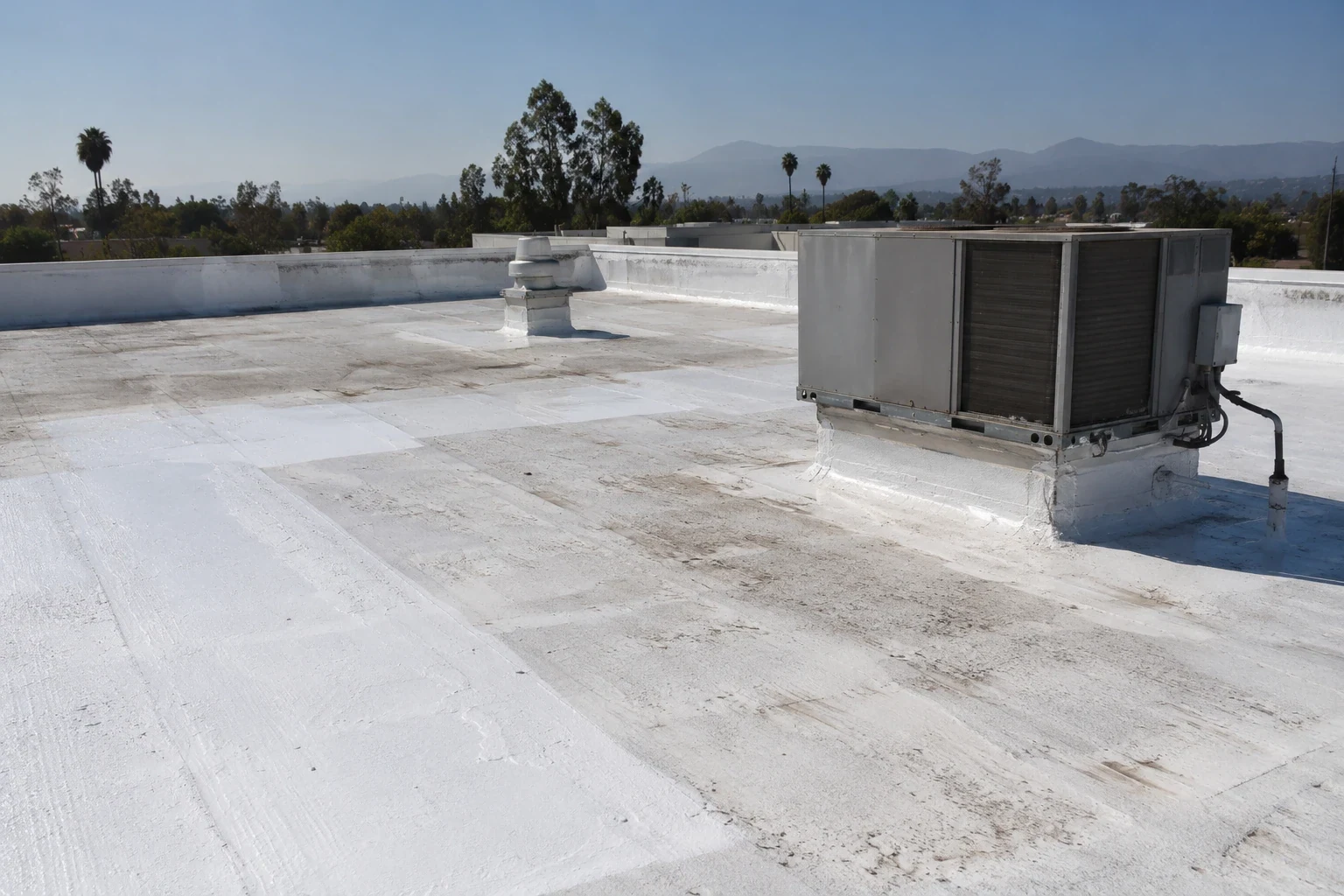
Repair, restoration, recover and replacement retain different amounts of construction. Compare them against the actual findings. An option that leaves unsuitable layers in place does not become viable because its surface price is lower. State the preparation, detail work and ongoing maintenance needed for each route that the assessment supports.
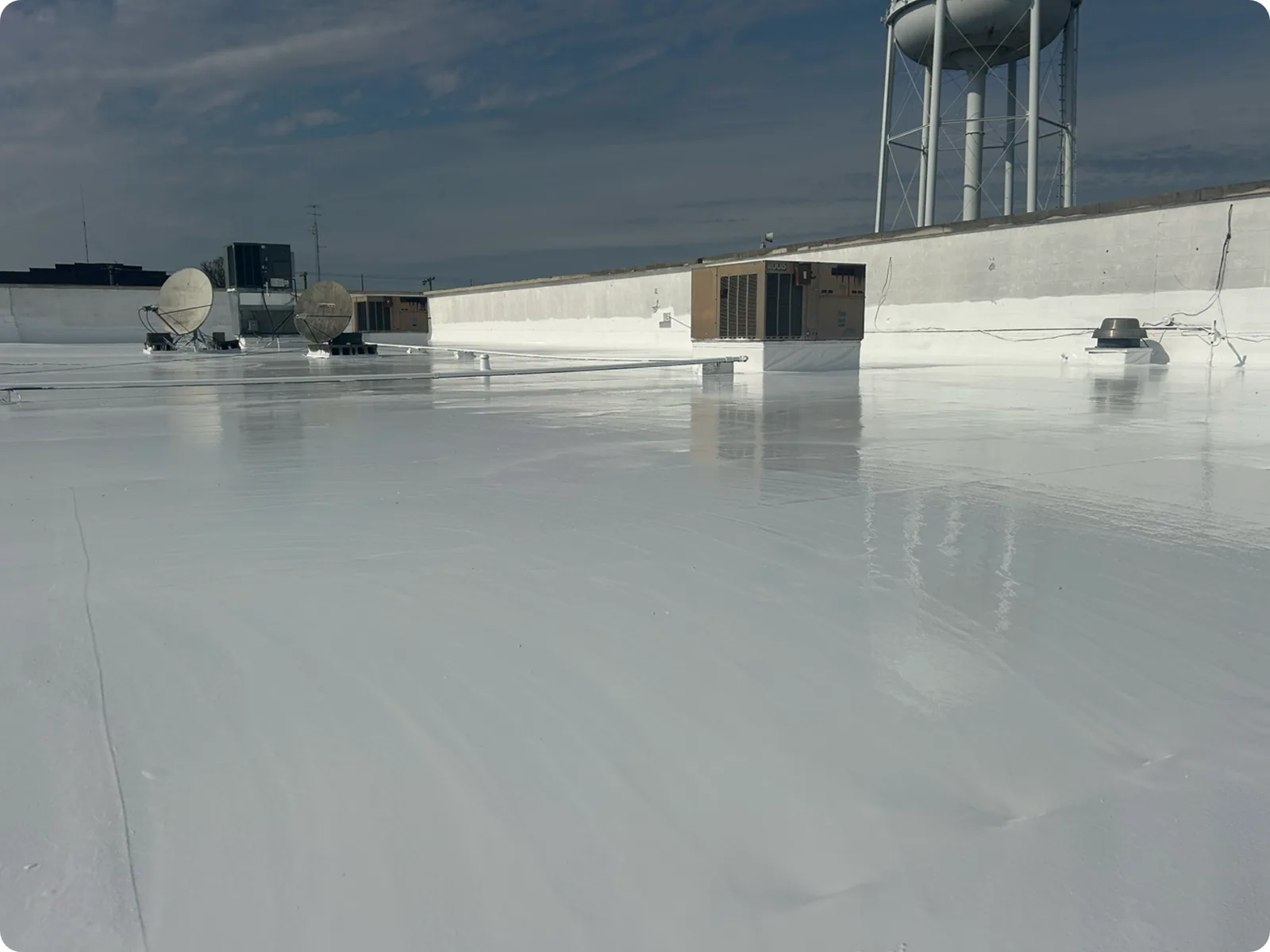
A restoration scope needs suitable compatibility, adhesion and retained condition. A recover option adds questions about layers, loading, attachment and clearance. Replacement can expose concealed construction, which also requires a discovery and protection plan. Give the owner the complete work behind each alternative. The choice then follows the condition and operating needs rather than a comparison of membrane area alone.
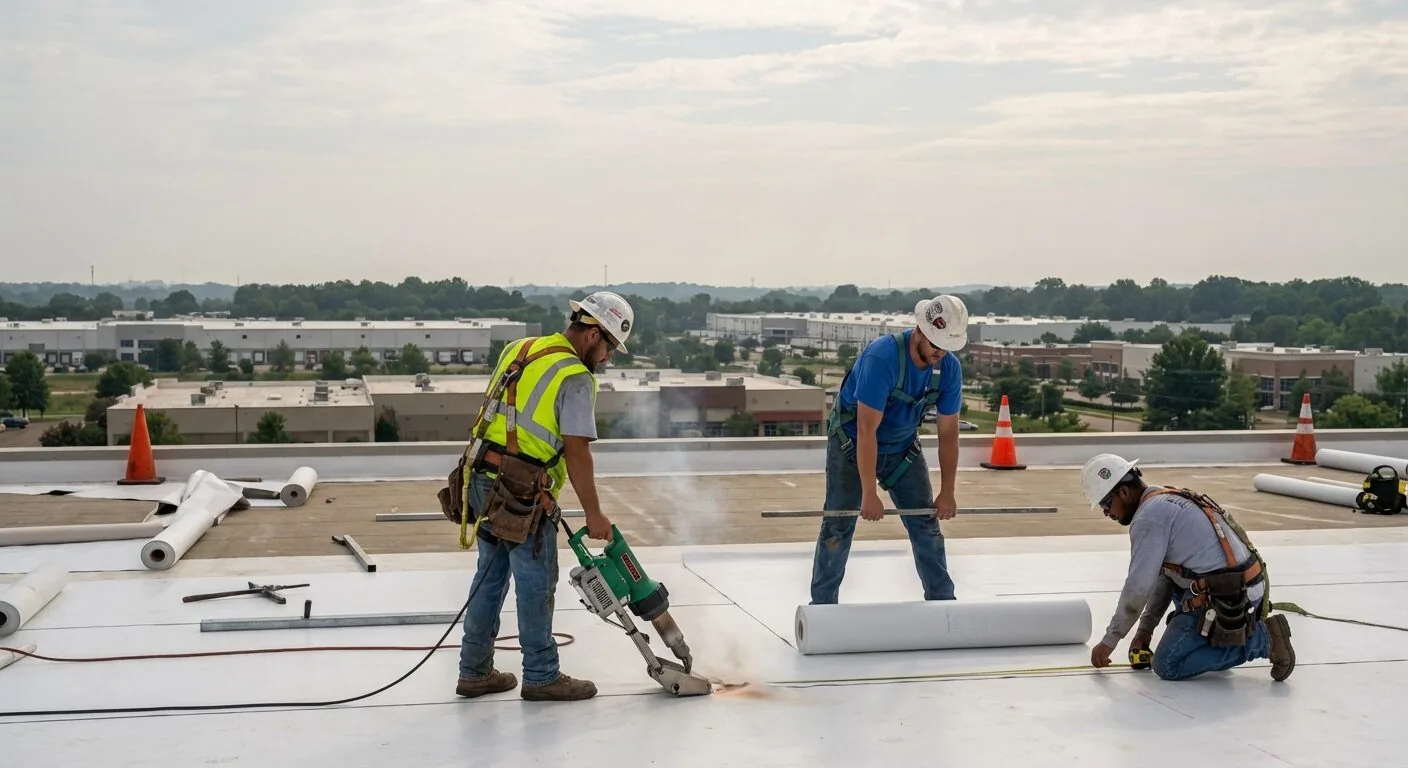
Identify roof areas and removal limits. Include insulation, cover board, flashings, edges, outlets and equipment connections where they are part of the work. Show measured quantities separately from allowances. State how damaged support discovered during removal will be documented and priced. A broad roof-area number cannot explain every detail in a construction proposal.
Include access equipment, disposal and interior protection. The same amount of roof can need different handling above a loading bay and beside a public entrance. For an occupied property in Valencia Commerce Center, confirm the receiving and staging arrangements with the operator. At Rye Canyon Business Park, check the particular tenant's equipment and service requirements. Those preparations belong with the quantities so the owner can see why the scope costs what it does.
Confirm the assembly, applicable project requirements and details needing design review. Fire classification and the property's jurisdiction need attention before the product decision is treated as complete. Keep that work with the project team and responsible permitting office. A future installation date alone does not establish which review requirements apply.
For Santa Clarita city projects, the current adoption lists the 2025 California codes for submissions from January 2026. The city's reroof inspection provisions also need to fit the sequence where they apply. Confirm the permit and inspection arrangements for the actual scope. Then review supplier availability and delivery. Procurement should follow the accepted construction requirements, with any outstanding decision visible on the schedule.
A workable phase has a physical boundary and an operating plan. Identify the rooms below removal, permitted work periods and the people approving restrictions. Coordinate equipment and intake needs with the facility team. The daily opening area must fit the available protection and closure method. Dry-season planning still needs a response to wind, rain or unexpected construction.
Occupied-building work includes those arrangements in the scope. A smaller opening can make protection more manageable but may add repeated handling or visits. Explain the tradeoff in the proposal. The owner can then approve a sequence that reflects the property operation. Avoid turning a preferred completion date into an assumption that every area can be opened and finished under the same conditions.
Revise the plan when evidence or project requirements change. A newly exposed defect can add work. A completed correction can remove a near-term item. An equipment alteration can require a different detail. Show the change and its reason beside the revised allowance. Keep the earlier estimate date and assumptions available for comparison.
Asset management retains that history. For an owner with several buildings, portfolio planning can coordinate suitable tasks while preserving separate scopes. Review the sequence as findings develop. The current budget should answer what the next expenditure addresses, what remains unresolved and which approval is needed to proceed.
A capital plan should distinguish a budgetary allowance from a bid-ready scope. Tie each proposed year and priority to current roof evidence, measured quantities where available, and dependencies such as testing, design, tenant coordination or other trades. Identify what could move the timing or change the cost before funds are committed. A planning review may group similar projects, but it should not imply that one assembly or work method fits every property. Keep a dated decision record so the next budget cycle can see which assumptions were confirmed, which work was completed and which risks remain.
Match the roof areas, removal, detail work and operating arrangements. Put each allowance and exclusion beside the measured quantities. Ask bidders to explain differences before comparing totals. Two prices can describe different work even when both proposals use the same membrane name and refer to the same building.
Resolve the questions that could materially change the proposed scope where investigation is practical. Some conditions will remain concealed until removal. Identify them as allowances with a defined discovery process. The owner can approve a project with those limits visible rather than relying on a price that silently assumes the construction is sound.
It can provide useful planning conditions, but the crew still needs suitable application weather and a protectable work area. Wind, a changed forecast or an exposed defect can affect progress. Include the interruption procedure and closure arrangements in the proposal. The budget and phase plan should account for those practical requirements.
Start with the investigation needed to establish viable options and useful quantities. Review the findings before selecting the larger scope. Then confirm design, operating and permit dependencies before procurement. Keeping those decisions in sequence helps the owner see what each expenditure achieves and which question the next approval will resolve.
Arrange a capital review with condition findings, defined quantities and the approval steps needed to price a workable roofing project.
Pages that connect with Roof Capital Planning for Santa Clarita Valley buildings.
Notifications