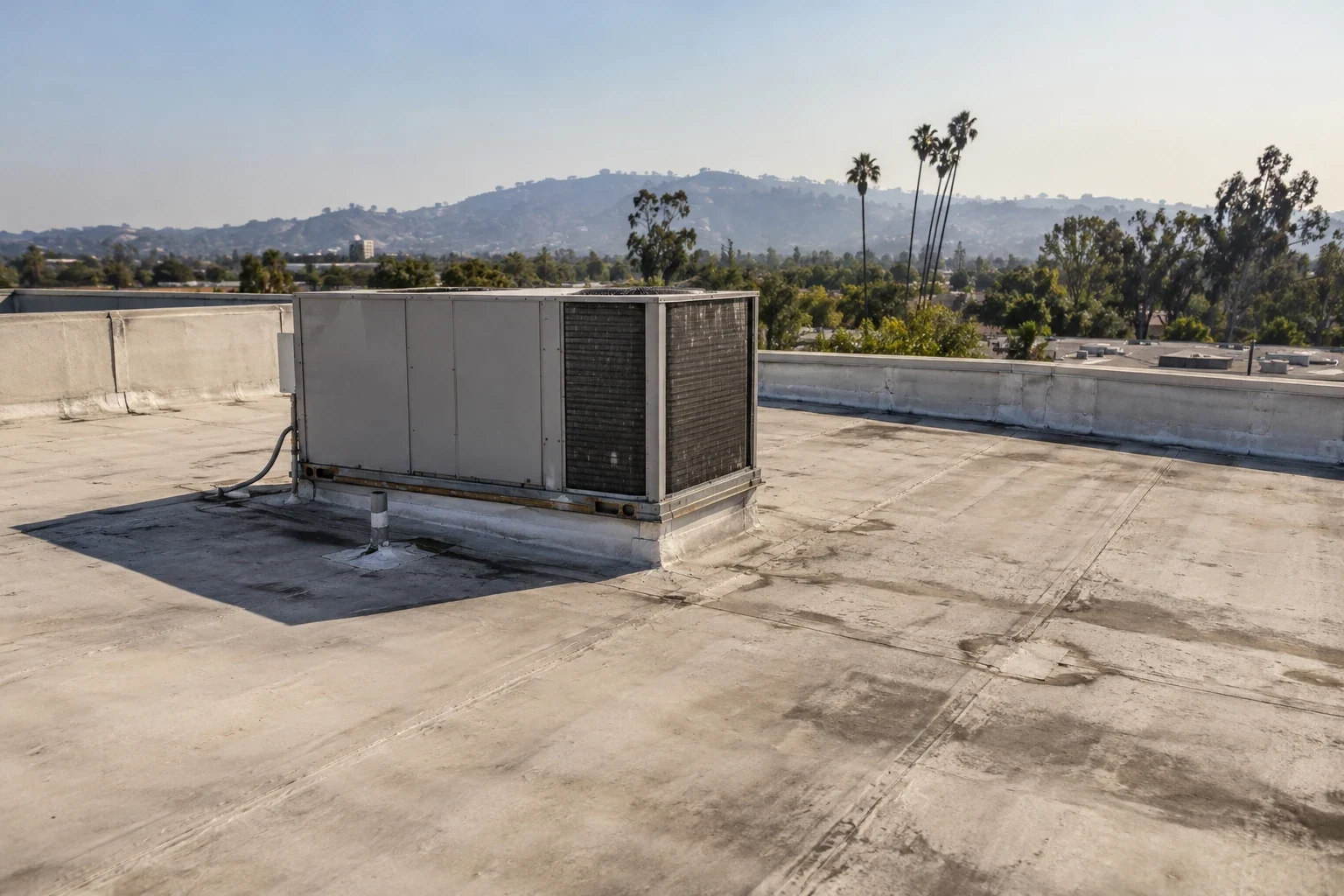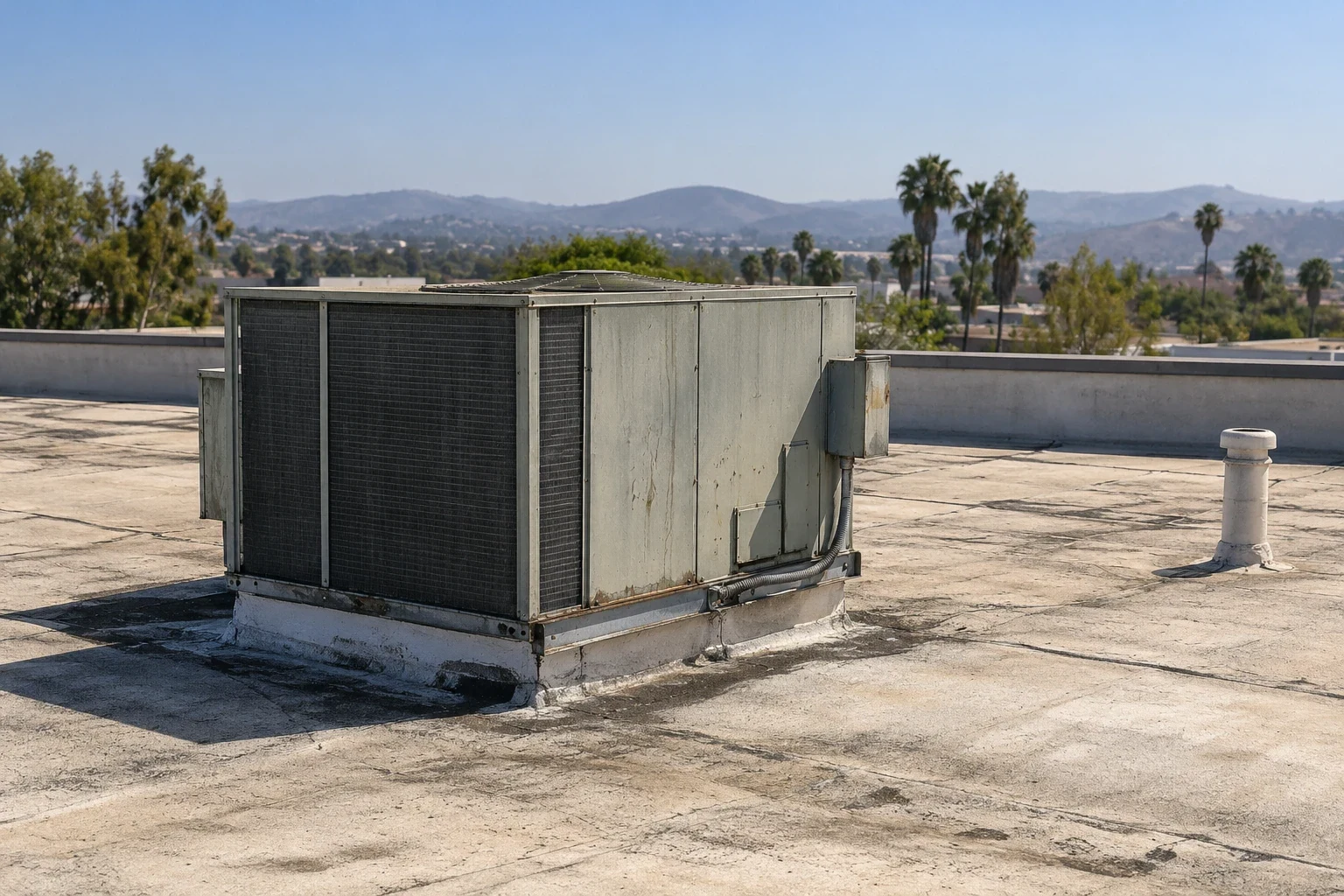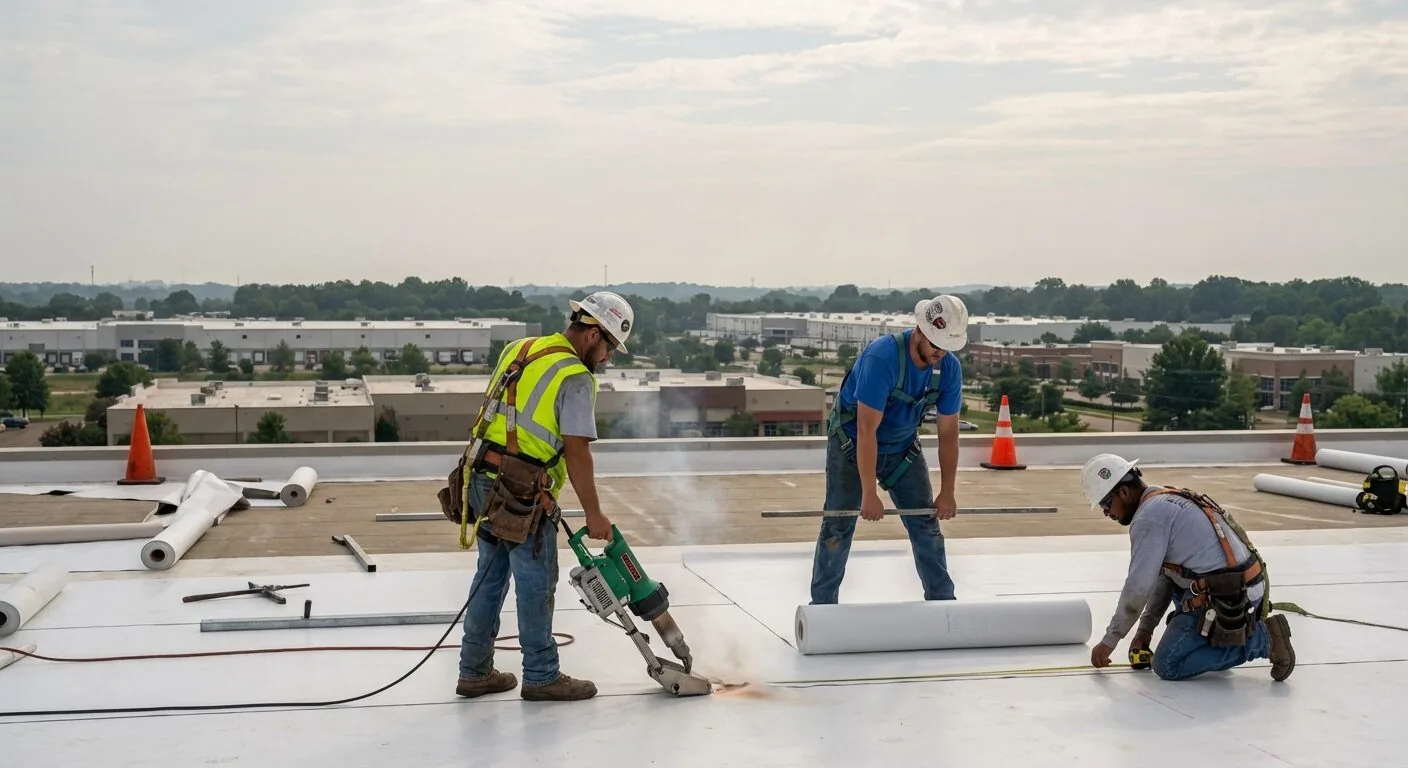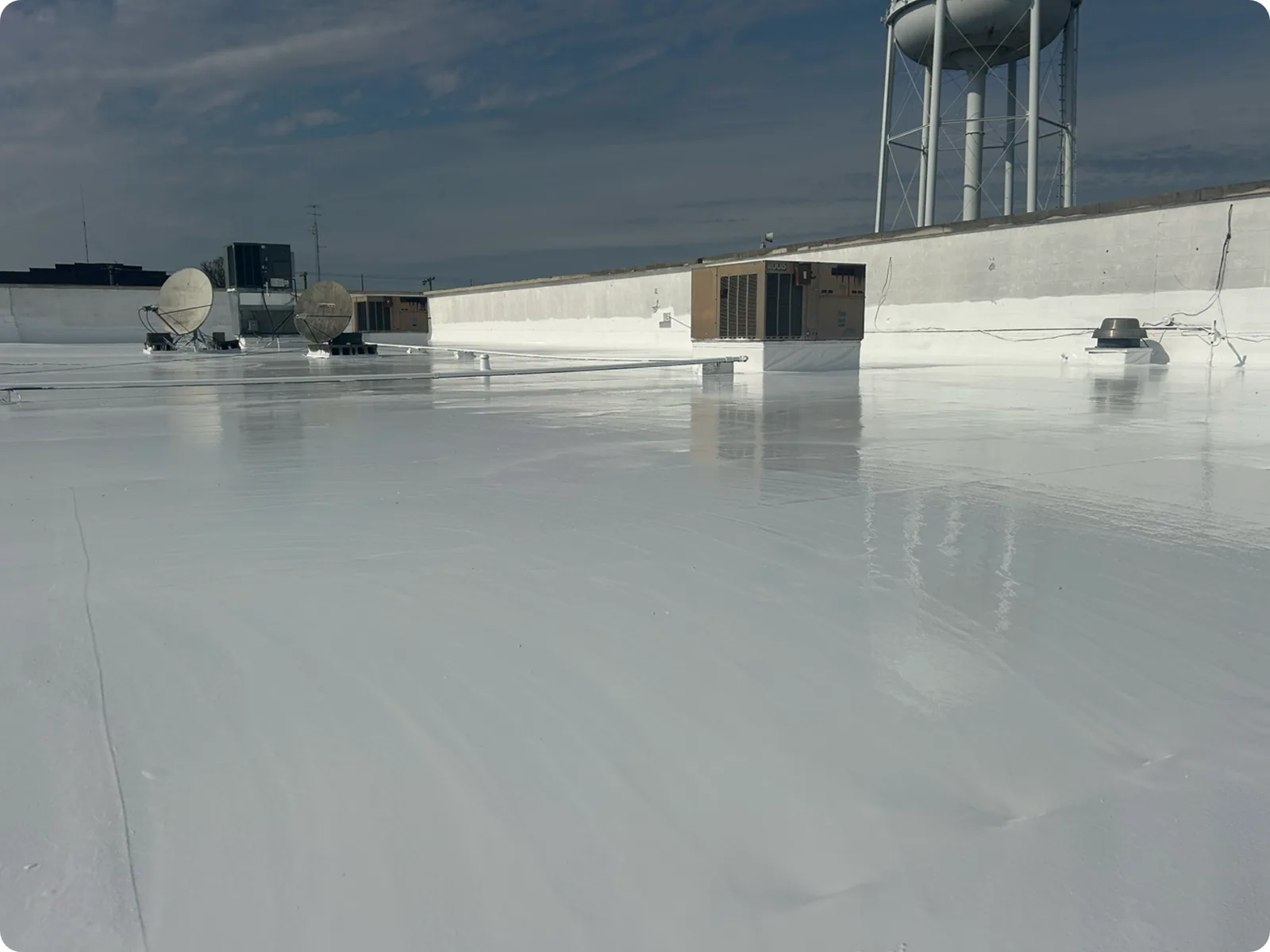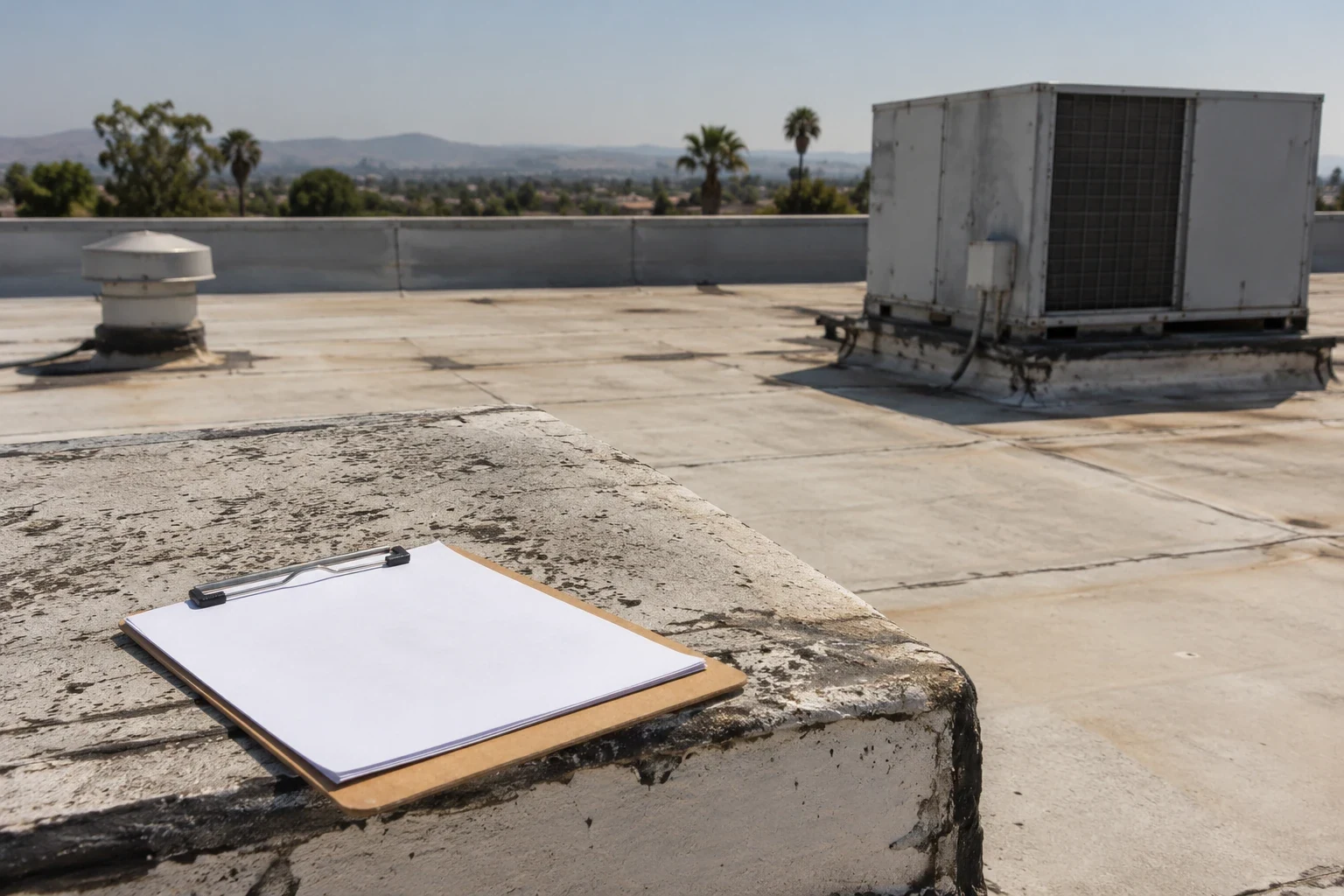

Several buildings can need a drain check before winter rain without needing the same roof project. A multi-site roof program gives a Santa Clarita, CA owner a consistent way to inspect, approve and record that work. Each building keeps its own findings and scope. Shared scheduling is useful where the tasks and operating needs fit. Start with a clear property list, then decide which work can be coordinated and which needs separate investigation or design.
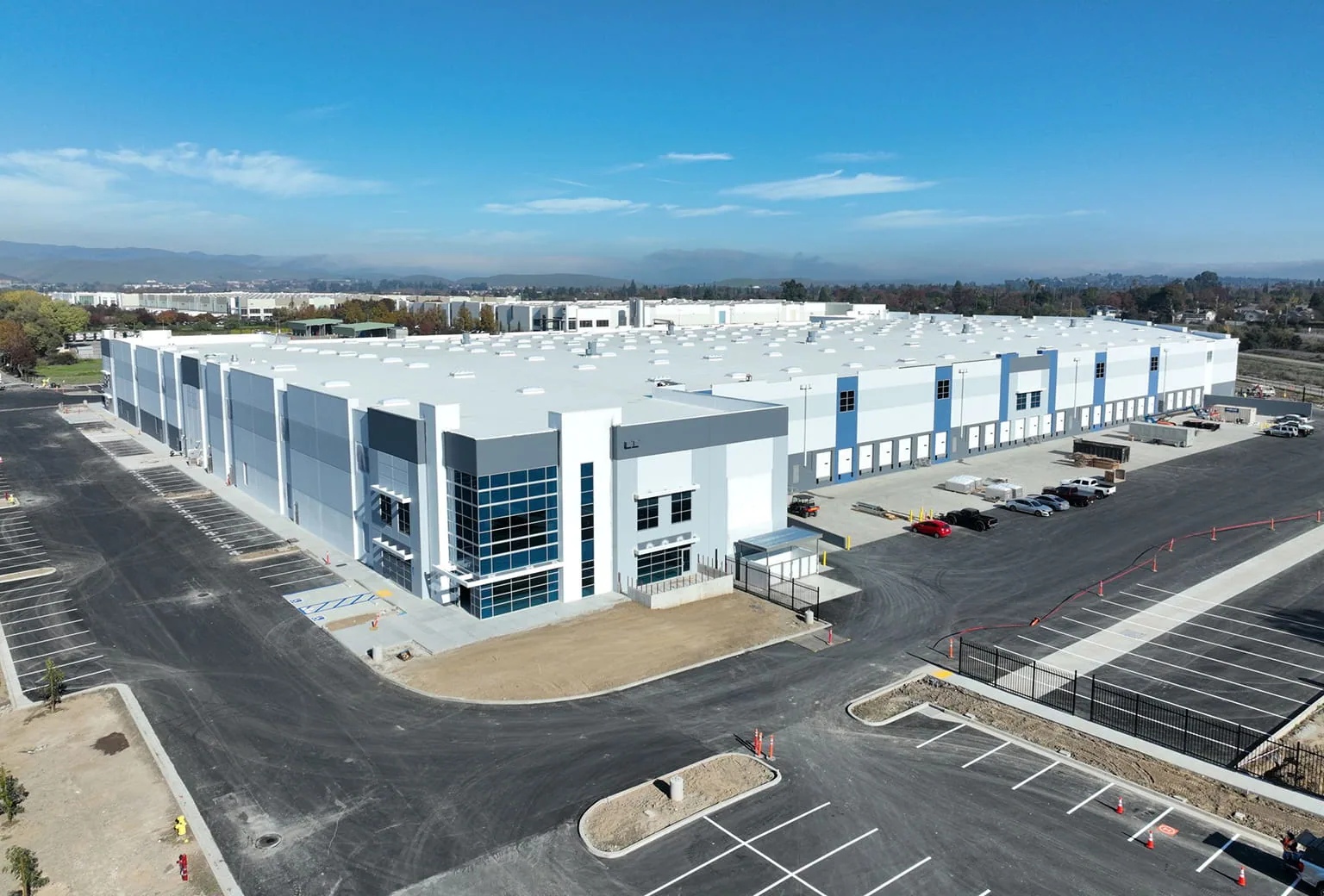
Give every building and roof section a usable reference. Show additions, levels and access points. Record known assemblies with supporting documents, retaining gaps where the history is incomplete. The program needs to identify the affected property when a tenant reports water. A photograph labeled only as a portfolio roof cannot do that reliably.
Asset management provides the inventory and work history. Use consistent fields while keeping the individual roof plans. At each building, identify the operating contact and the person who approves work. Retain those responsibilities with the area schedule. The next visit can then locate the task and arrange access without relying on the staff member who organized the previous program.
Explain the priority through the defect and its consequence. A current opening above stock can need prompt protection and investigation. Cleaning an accessible outlet may fit a scheduled maintenance visit. Wider confirmed deterioration can require review of a larger option. Keep those tasks distinct in the plan, with their proposed timing and the reason each item needs attention.
Condition reports give the owner locations, observations and inspection limits. Compare those findings with earlier records where useful. A changed leak pattern or newly altered curb can move a task forward. Completed work can remove an open item once its result is documented. The current program should explain the order in which expenditure is proposed and the information still needed for the next decision.
Group tasks where materials, access and operating arrangements make the combination practical. A common inspection or cleaning schedule can help organize resources. A damaged perimeter connection may need preparation that does not suit a routine visit. Define the quantities and tasks by property even when one agreement covers several buildings.
Preventive maintenance can retain separate completion records within that shared schedule. For roof repair packages, confirm the installed products and suitable preparation at each detail. Do not select one patch material solely because the buildings have the same owner. The grouped proposal states the work included and the procedure for a concealed finding that changes one building's scope.
For an occupied property in Valencia Commerce Center, coordinate staging and deliveries with the operator. Identify receiving doors, equipment routes and the space beneath removal. A roofing delivery should use the agreed access and preserve the required building routes. Include the allowable work periods before placing the property into a combined calendar.
A business at Rye Canyon Business Park can have a different equipment or tenant sequence. Check it directly. Along McBean Parkway, customer access and occupied rooms can bring other constraints. The portfolio plan records those differences instead of transferring a convenient work period from the first building to the next. Shared mobilization remains useful only when the work can be completed with suitable protection at each property.
Roof attachment, supporting condition, drainage and perimeter geometry require assessment for the actual project. Keep drawings, selected products and applicable review information with its scope. Similar-looking surfaces can conceal different layers or substrates. The project team confirms requirements before ordering the assembly.
A recover assessment considers the retained construction, added load and suitable attachment. A proposed drainage change can need plumbing and design work. In a portfolio spanning jurisdictions, confirm each property's approval route. The shared calendar should identify those dependencies separately. A building ready for procurement does not resolve an unanswered design question at another roof just because both projects appear under one contract.
Available protection, labor and closure capacity limit exposed work. Each phase needs a boundary and a response to a changed forecast or unexpected construction. A dry-season schedule is still a construction plan with weather and application requirements. Assign the resources needed to complete or protect each opening before starting another one.
Occupied-building phasing coordinates interior precautions and equipment restrictions with the facility team. A smaller work area can reduce exposure while increasing repeat handling. State that tradeoff in the proposal. Confirm material availability and delivery with suppliers. If a reviewed detail changes, revisit the related order and schedule rather than allowing a shared procurement list to hide the change.
Name the contact who confirms a phase is secured and the person authorizing the next opening. Keep that responsibility visible on the daily work plan.
Use clear work states: proposed, approved and completed. Attach completion photographs to the same property and detail references used in the assessment. Keep temporary work identified and retain outstanding questions. An owner should be able to see the task still awaiting investigation without reading every old service invoice.
Capital planning connects the current findings to future investment. Warranty records keep agreement dates and alteration requirements available for each roof. Review the program when maintenance, damage or equipment changes affect condition. Show what changed and why the sequence was revised. The result is a usable decision record across the portfolio, with each building's physical scope intact.
A multi-site program can standardize how properties are identified, inspected and reported while preserving differences in assembly, access and condition. Assign each location a current record with inspection date, open findings, responsible contact and next action. Use shared priorities to plan routes and budgets, then confirm each repair quantity on the actual building before authorization. When one roof is inaccessible or records are missing, show that gap instead of treating it as equivalent to an inspected site. A periodic review should update completed work and new conditions so the portfolio view remains useful after property or staff changes.
The material and details follow the building assessment and project requirements. Common reporting and purchasing can still be useful where assemblies differ. Show those differences in each property scope. The owner can then identify what a building will receive and the condition or operating requirement that supports the choice.
Locate the affected building and room, record the timing and arrange the appropriate investigation or protection. Compare the current findings with the existing roof record. Update the task list and sequence where needed. A shared visit schedule should remain responsive to condition instead of treating the next routine date as the answer to every complaint.
List included tasks and quantities by property, with access provisions and allowances. Explain which mobilization is shared and which work remains individual. State the review process for discoveries. That makes the price usable for approval and lets the owner match completed work to the corresponding building afterward.
Use the original area references, describe the materials and detail corrected, and include completion photographs. Record related tasks still open and any required follow-up. A closed invoice can accompany that evidence but does not replace it. The next inspection should be able to locate the repaired connection and compare its current condition.
Arrange a portfolio review with clear roof locations, suitable shared tasks and a practical sequence for the work each property needs.
Pages that connect with Multi-Site Roof Programs for Santa Clarita Valley buildings.
Notifications