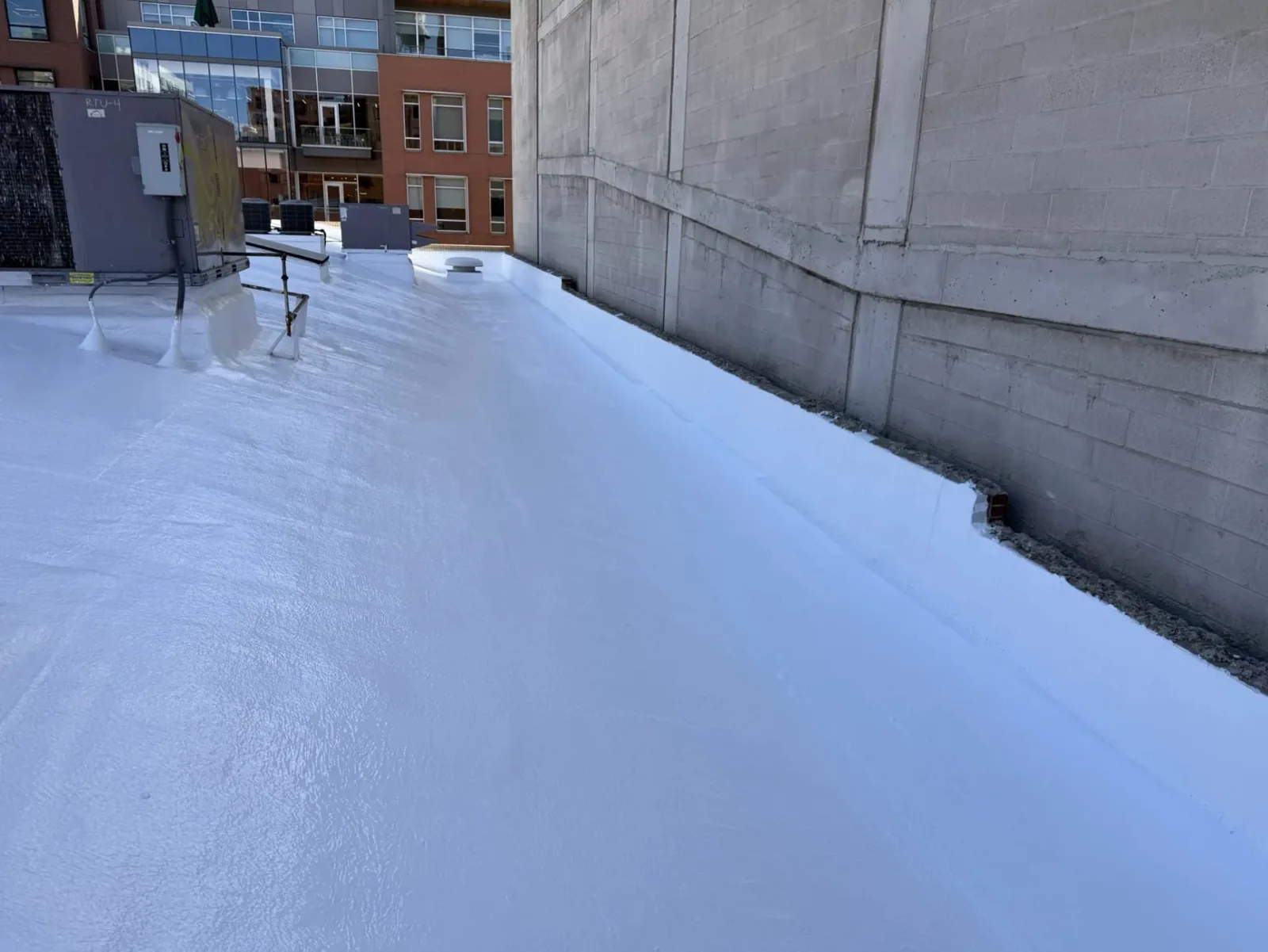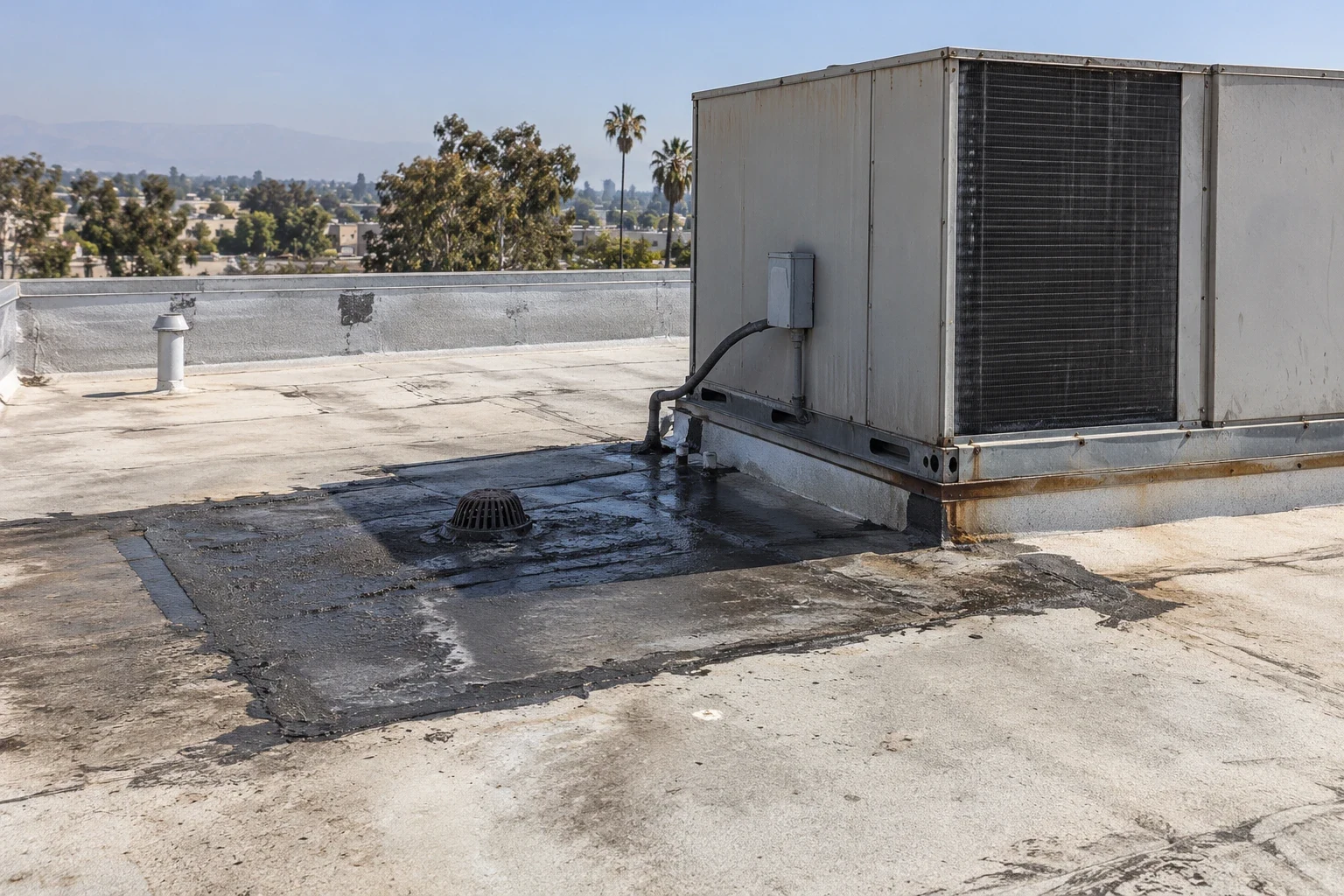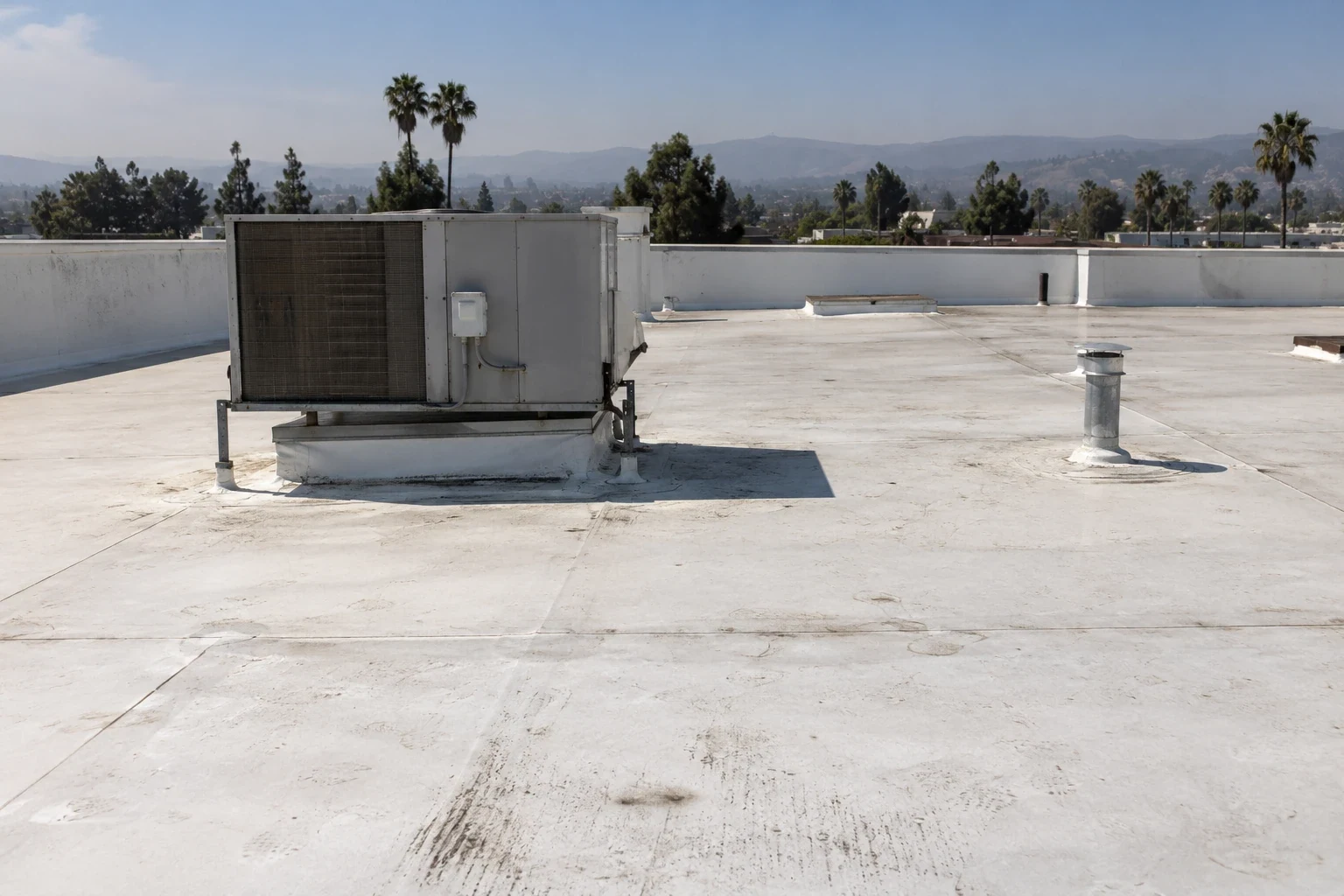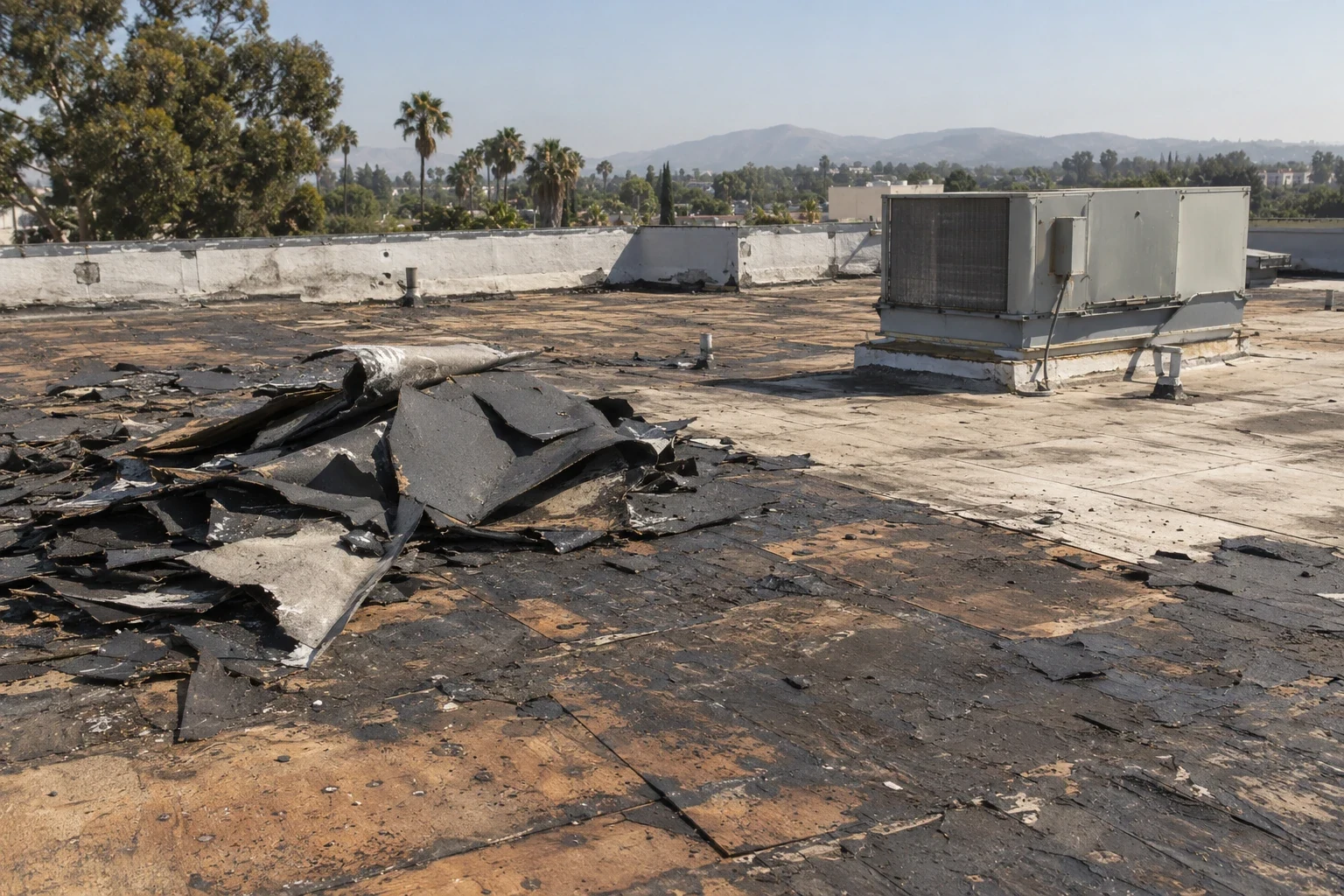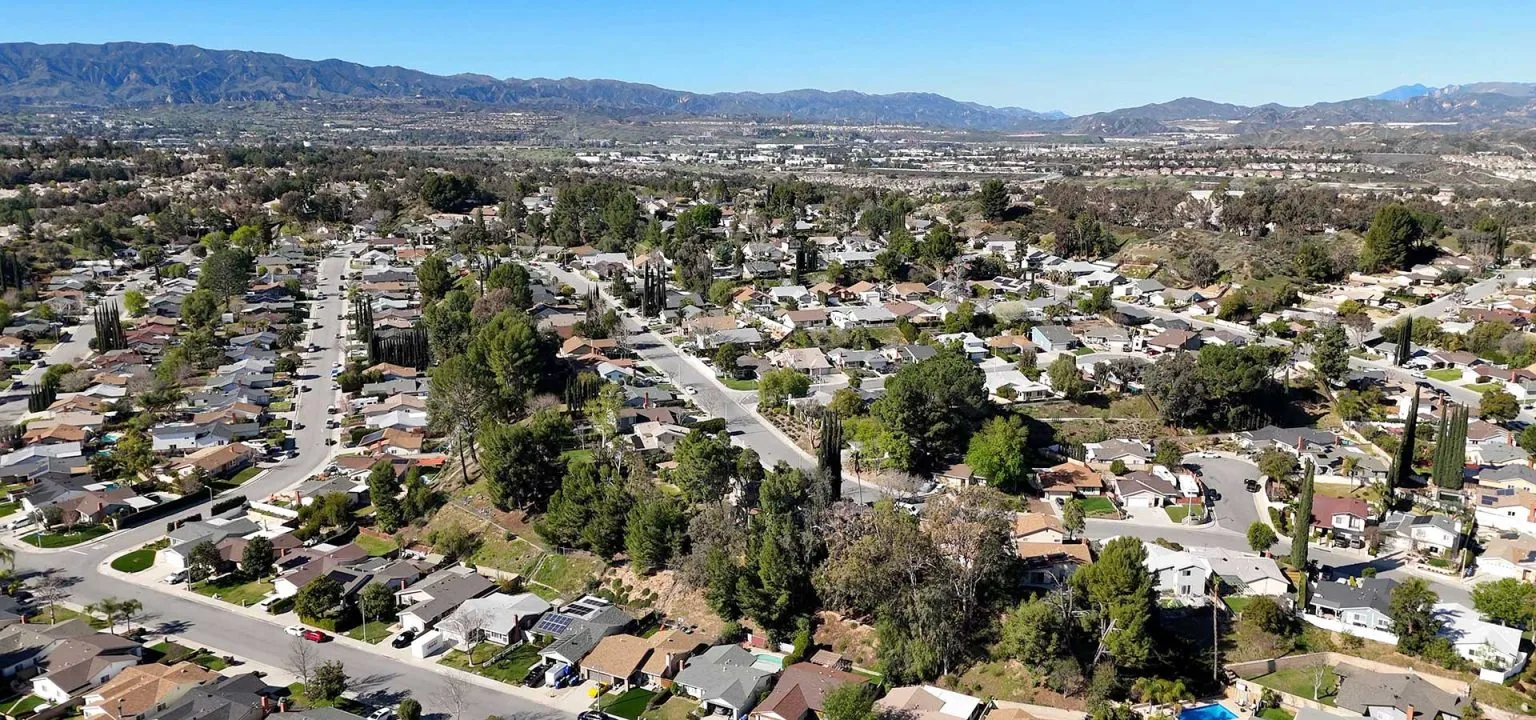

Inspection before winter rain gives an owner time to address open details and organize access. Santa Clarita, CA has hot summers and rainfall concentrated in the cooler months. We use that seasonal pattern to plan the visit, then base the repair on the condition of your roof.
Commercial Roofing Santa Clarita examines the membrane, flashing, outlets and perimeter details that need attention. We locate the findings and explain the proposed correction. Some concerns suit a localized repair. Others need further investigation before the scope can be settled.
Planned work also gives the operator time to arrange equipment access, deliveries and affected spaces. Tell us about recent roof work and recurring symptoms. Those records help the inspection focus on the question you need answered, whether it is one leak detail or a list of maintenance findings.
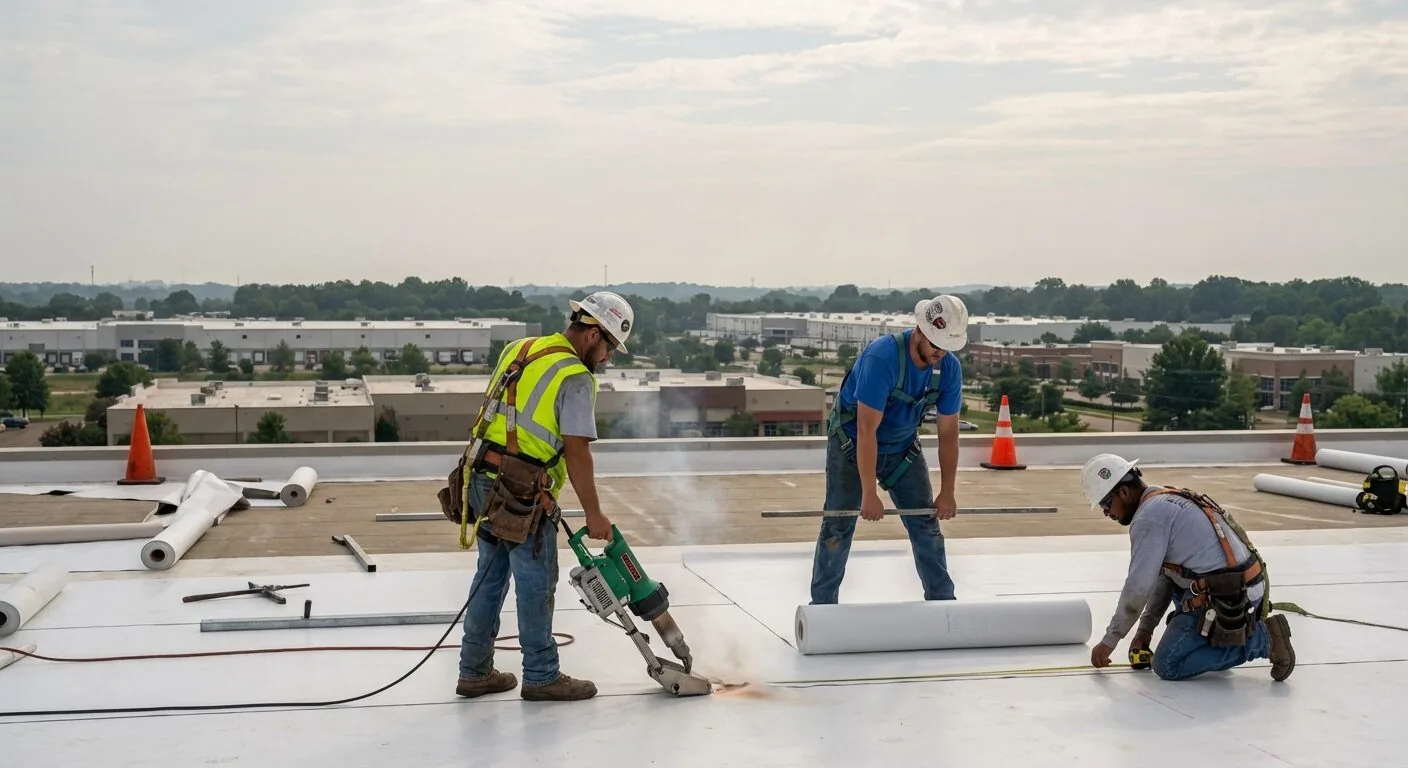
Seams, penetrations, flashing and perimeter metal each need their own examination. An open lap calls for a different correction from damaged blocking beneath coping. We identify the materials and attachment involved before choosing the method. The scope describes the actual detail.
Outlets deserve the same attention. Debris removal may resolve an obstruction, while a damaged drain connection or poor water path needs another assessment. We distinguish cleaning from construction and identify any plumbing or design interface.
The repair record should include location, observed condition and proposed work. If concealed materials need opening, the authorization and closure approach belong in that scope. This gives you a clear basis for approval and a reference when the work is checked afterward.
Transitions bring different materials and movements together. Temperature changes, wind, workmanship and service activity can affect those details. The mechanism depends on the assembly. A visible split does not establish that every nearby seam is failing for the same reason.
We examine the termination, substrate and adjoining materials. If the detail has been repaired before, we review what remains beneath or beside the patch where accessible. That helps distinguish another surface patch from a correction that addresses the documented concern.
Seam failure repair and flashing failure repair explain those detail-specific questions. The recommendation should make clear why the chosen repair fits. Regional heat or wind exposure helps with planning, while the observed construction determines the method.
A leak investigation starts with a reported symptom and a search for its source. A ceiling stain helps locate the concern, but water may travel within the assembly. Commercial roof leak repair examines that path and the relevant details.
Planned repair can start with a condition inspection even when no interior symptom is reported. We photograph accessible defects, locate them and assign a useful priority. Immediate exposure, ongoing deterioration and items to monitor need separate explanations.
You receive the proposed work before approving it. Timing depends on suitable conditions, materials and operating access. Planning may reduce avoidable disruption, but the actual scope and findings determine cost. We explain those drivers so the owner can compare the work with other capital needs.
The existing system, surface condition and manufacturer instructions guide selection. A repair needs an eligible substrate and appropriate preparation. Products that look similar may have different requirements. We identify the membrane before choosing a patch or adhesive approach.
On TPO roofing, a welded repair requires suitable preparation and checks of the completed seam. Aged or contaminated material may need additional evaluation. The method should be established by actual condition and applicable instructions, rather than a blanket claim that every sheet will weld the same way.
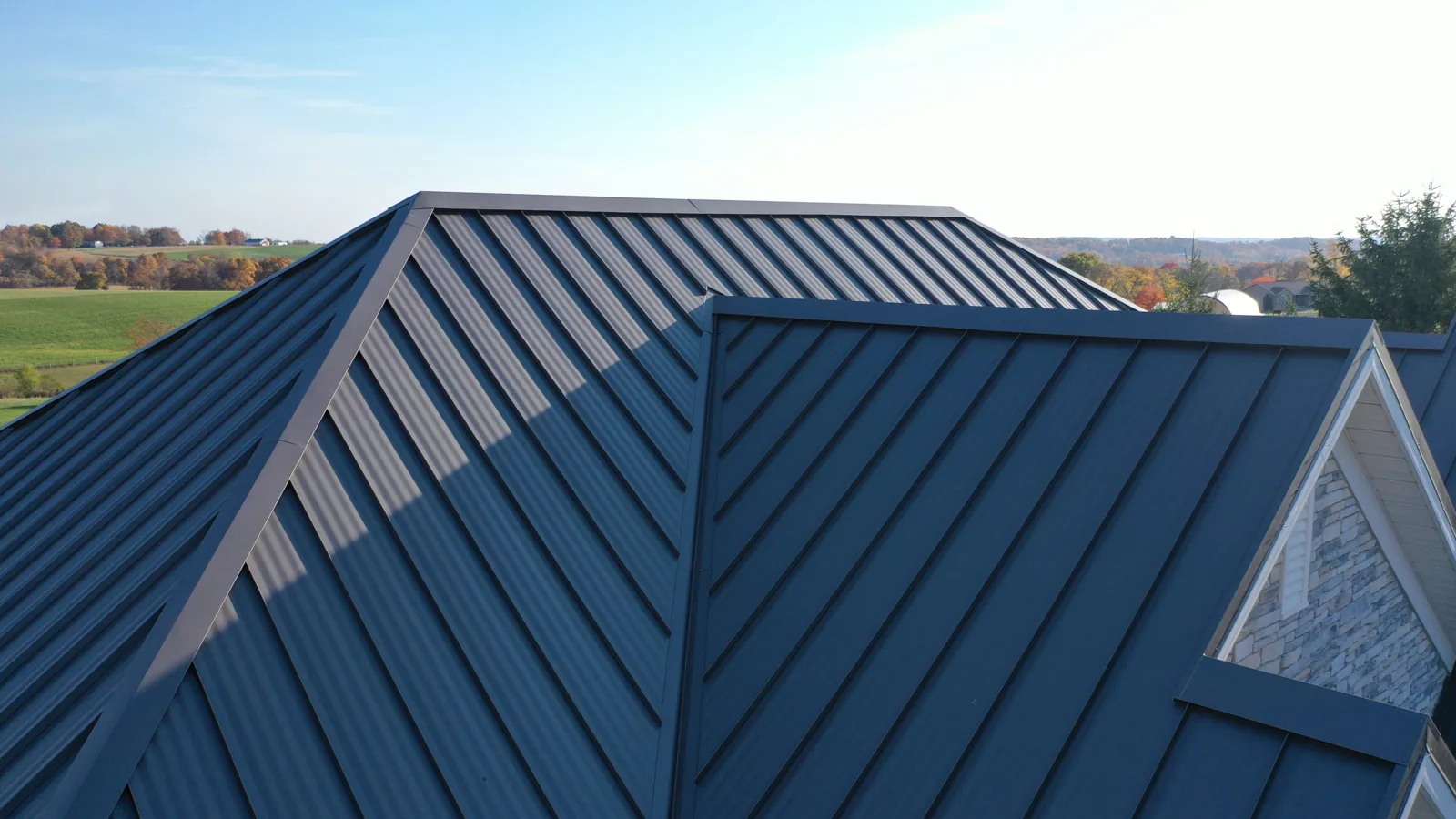
Bituminous roofs and metal details need their own compatible materials and application controls. Color and reflectance may be relevant to the specification, but they do not replace compatibility. We record the repair method and any required manufacturer review. Existing warranty terms should be checked before alterations are made.
Permit requirements depend on the proposed scope and jurisdiction. We establish them before work and identify any inspection or design documentation needed. A small-looking repair is not enough information to assume an exemption. Changed quantities or scope may require another review.
For applications submitted beginning January 1, 2026, Santa Clarita uses the 2025 California code editions and its adopted amendments. Roofing fire classification, energy provisions and applicable wildland-urban interface requirements need project-specific review. The complete assembly and property conditions matter.
Where findings justify a wider construction option, we compare replacement with the repair scope. A permit threshold by itself does not require replacing an otherwise repairable roof. We keep the regulatory review and condition recommendation clear so you can see what drives each decision.
Access, material preparation and concealed conditions affect the work. A localized surface repair differs from rebuilding a wall transition with damaged underlying material. We identify known quantities and any areas that need opening to establish their condition.
If an opening reveals a wider concern, we photograph and explain it. The agreed authorization process should describe how revised quantities and protective measures are handled. The owner can then review the proposed addition with the evidence that prompted it.
Removal of unsuitable materials needs a defined boundary and suitable reconstruction. Wetness, deck deterioration or attachment concerns may require further investigation. We describe what has been established and what remains to be checked. That keeps the estimate tied to useful findings instead of an unexplained allowance.
Retail and office activity in Valencia makes delivery routes and occupied entries important planning items. We coordinate material staging with the operator. Rooftop equipment access should remain available to the responsible maintenance team within the agreed work plan.
Old Town Newhall includes shops, restaurants and other commercial uses. Shared access or nearby storefronts may affect staging. The actual roof layout determines the repair route, so we inspect it before deciding how materials will reach the work area.
Once the repair is complete, a preventive roof maintenance schedule can organize outlet checks and follow-up observations. We use the building findings to set that plan. Keep the photographs and locations with your roof records for the next inspection.
Keep a repair quantity tied to the area where the condition and receiving material were examined. A small visible defect can connect to a larger seam, curb or drainage detail, but the scope should not assume the extent before inspection. Identify the repair boundary, preparation, compatible material and the condition that would trigger owner review if uncovered. When replacement or restoration is also considered, compare the options using the same evidence and project objective. Closeout should show the prepared surface and finished connection, identify any adjacent item left open, and let facilities staff find the repaired location at the next inspection.
It can when the detail and adjoining materials are suitable. We explain the finding and why the proposed method fits. A wider investigation is identified where the evidence requires it.
Material availability, suitable application conditions and operating access determine the schedule. We coordinate those items after the scope is approved.
The record identifies the location, observed condition and work performed. Relevant photographs and checks support future maintenance and the next roof decision.
They may. We review the applicable documents and required manufacturer procedures. Eligible materials, contractor requirements and inspections are specific to that coverage.
Yes. Earlier review leaves time to assess findings and arrange suitable work before cooler-season rain. The schedule still depends on the roof, method and conditions.
Call Commercial Roofing Santa Clarita with the concern and available roof records. We will inspect the details, explain the findings and define the repair worth approving.
Pages that connect with Commercial Roof Repair for Santa Clarita Valley buildings.
Notifications