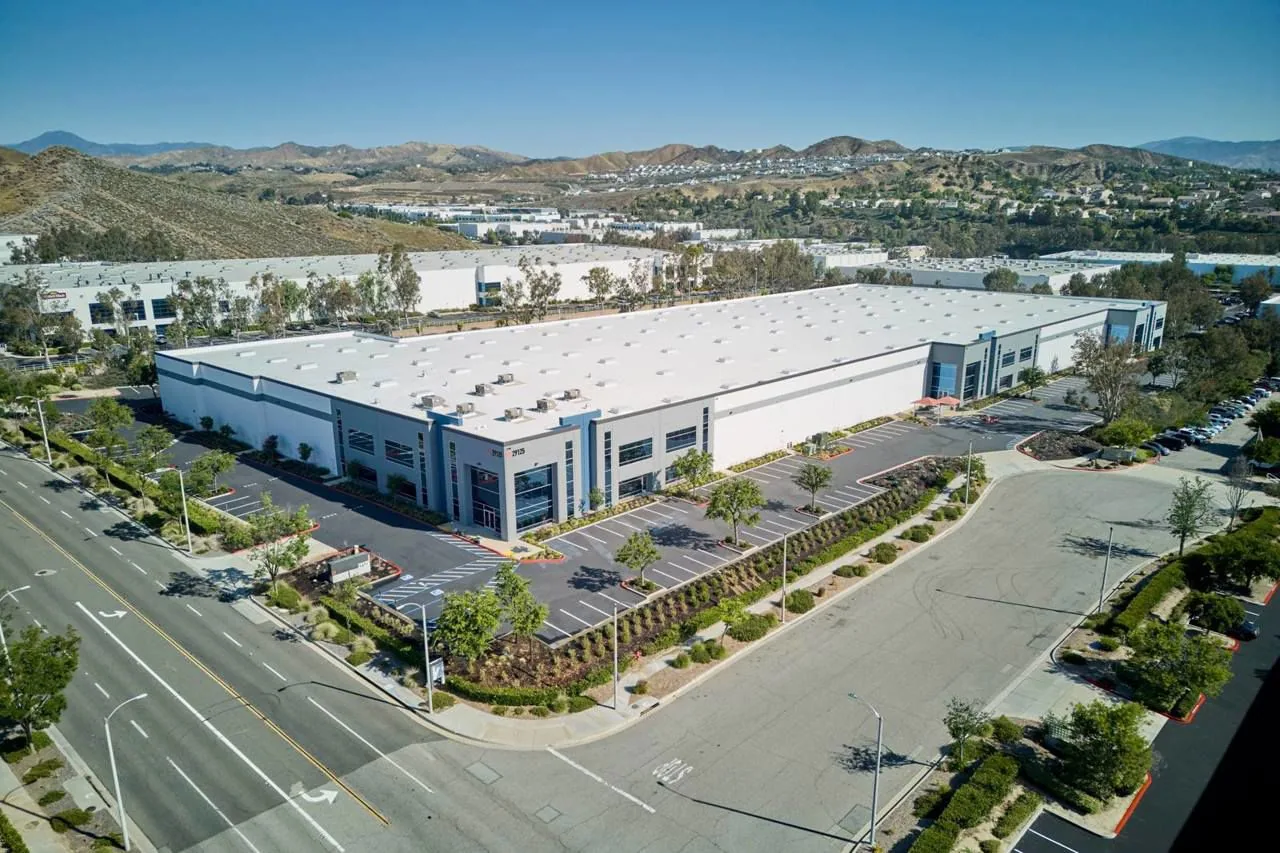

An open lap needs the membrane identified before another patch is selected. Welded thermoplastic seams, bonded rubber seams and bituminous laps use different methods. Plan suitable repairs for the hot summer conditions and winter rainfall in Santa Clarita, CA. The actual system and condition establish the repair procedure.
Commercial Roofing Santa Clarita examines seam concerns and develops a compatible correction. We locate accessible openings and assess adjoining material. The owner receives the finding, proposed work and any further investigation required before construction.
Tell us about water entry and earlier seam repairs. Bring product information if available. A visible gap guides examination, but the full repair may need preparation or supporting work that cannot be understood from one photograph alone.
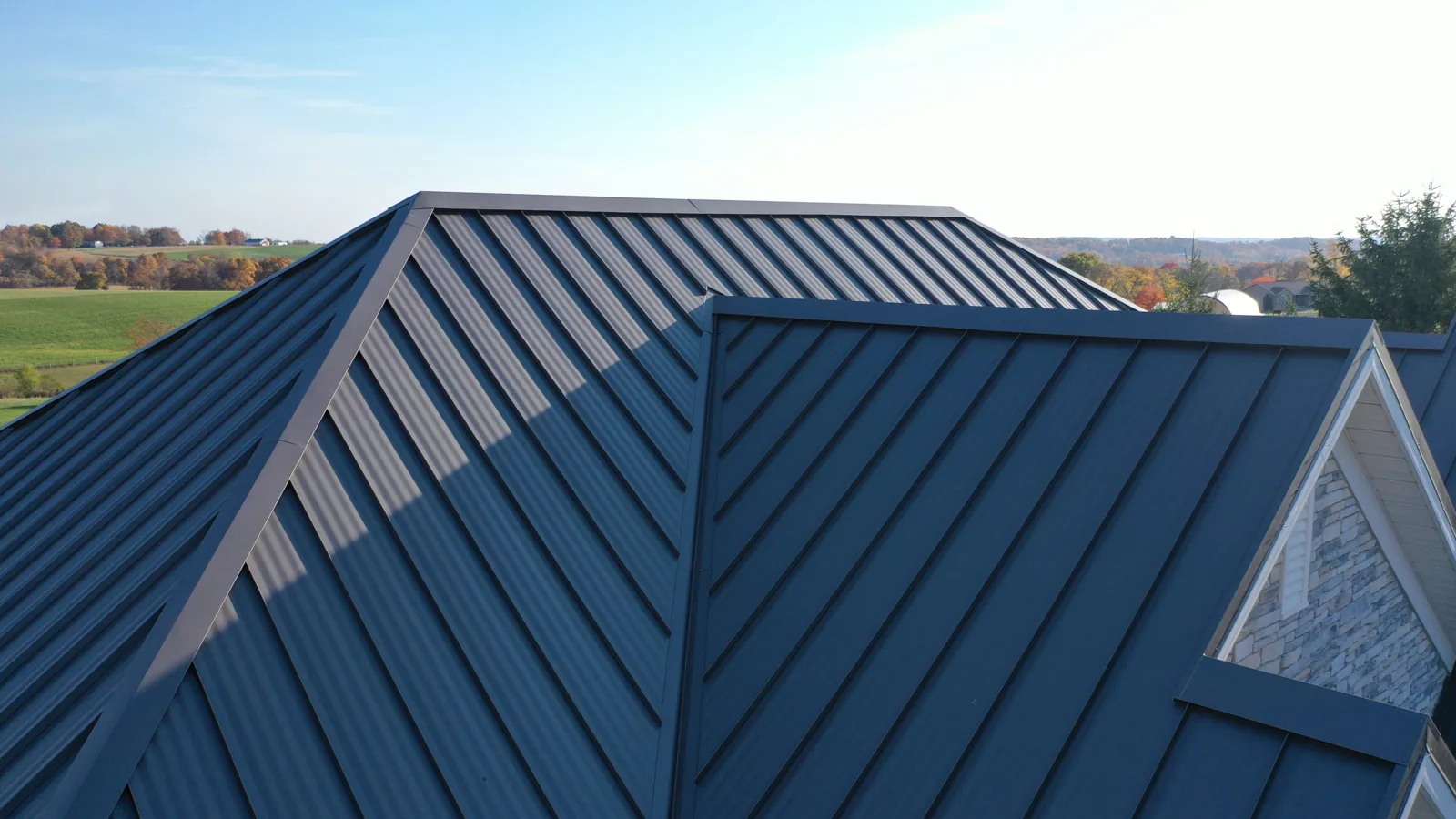
Start with the covering and the way the sheets are joined. Records may identify the original product, while field condition helps establish what remains. Earlier repairs or coatings can change the accessible surface and require their own compatibility review.
A roof inspection locates the concern and records limits. We compare adjoining seams where useful. One open lap may prompt further examination without establishing that every seam has the same condition.
Keep the roof-area reference and photographs together. The next examiner should be able to find the exact detail. That makes a later repair or verification task easier to connect with the original observation.
Preparation, workmanship, attachment and material condition can contribute. Movement or an adjoining detail can also be relevant. The visible opening does not establish a universal cause. We examine the actual lap and surrounding construction.
Temperature changes and service activity provide useful background when recorded. They guide the inquiry, while the field findings support the correction. Avoid treating regional heat as proof that the adhesive or weld failed in a particular way.
Where the material or substrate question remains concealed, an authorized opening may be useful. The scope identifies the examination purpose and suitable closure. Record the evidence obtained and remaining limits before selecting a wider construction boundary.
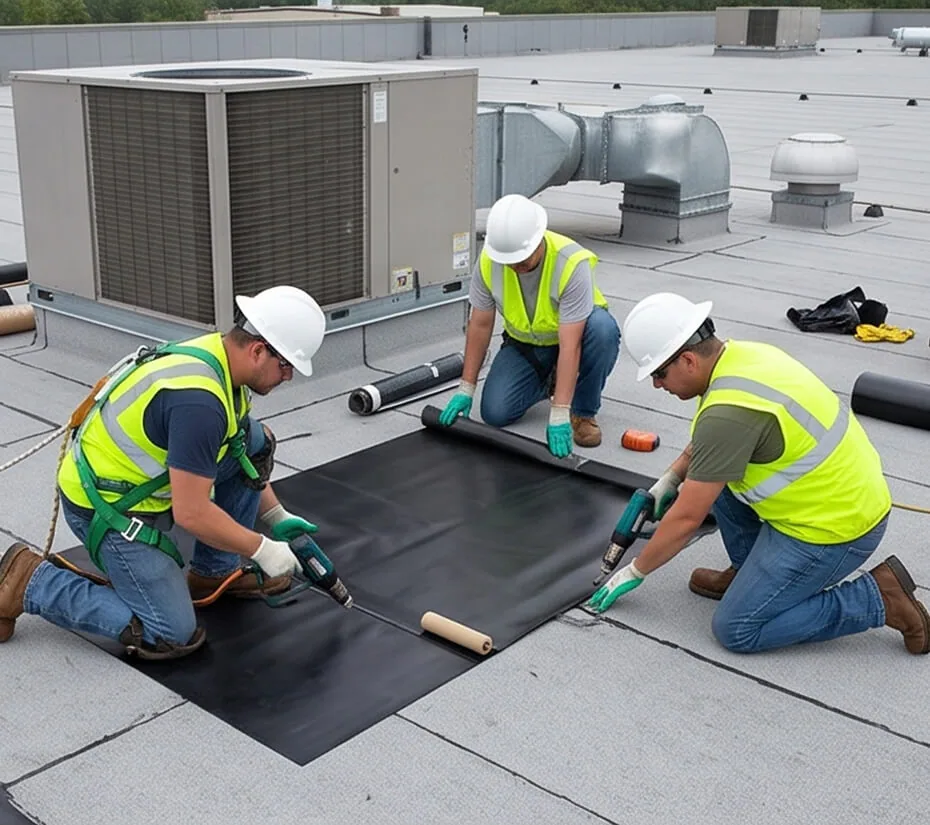
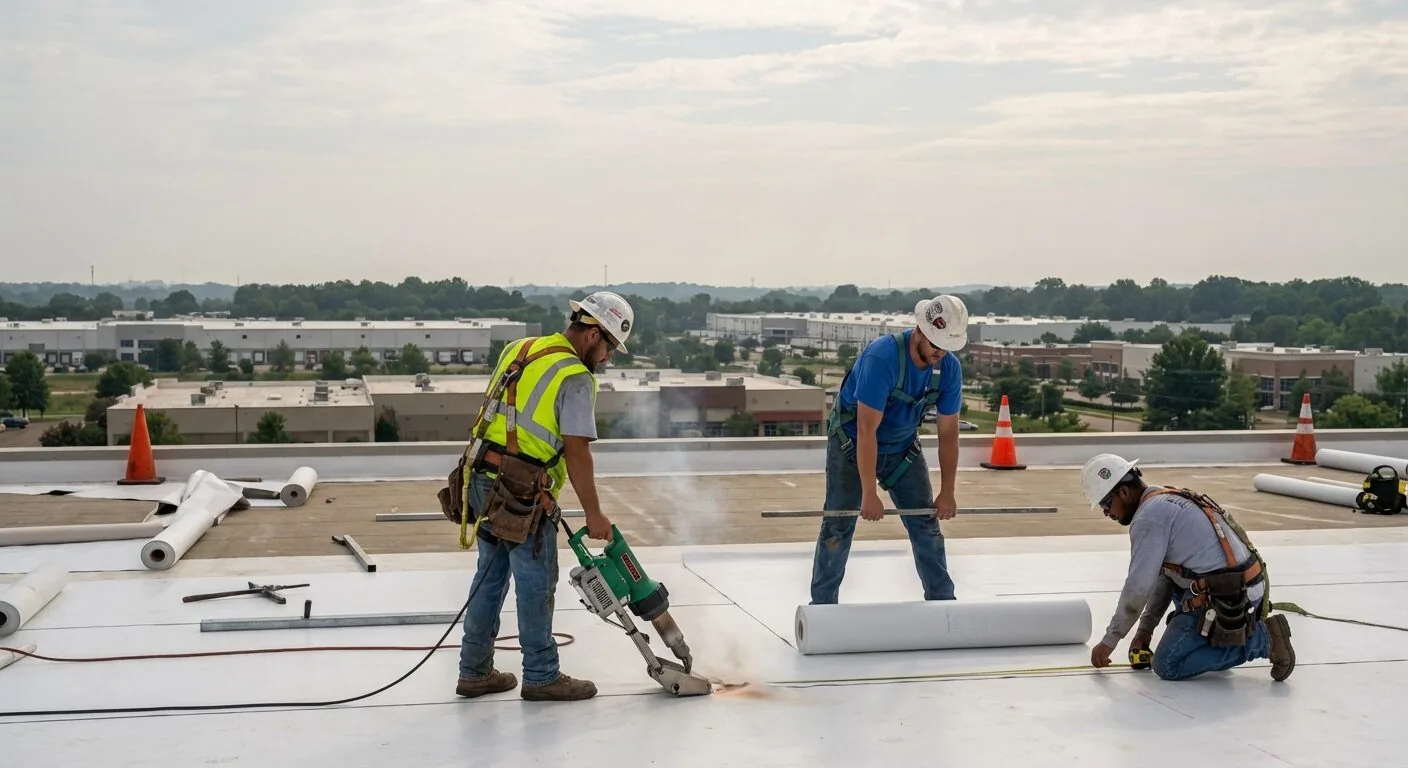
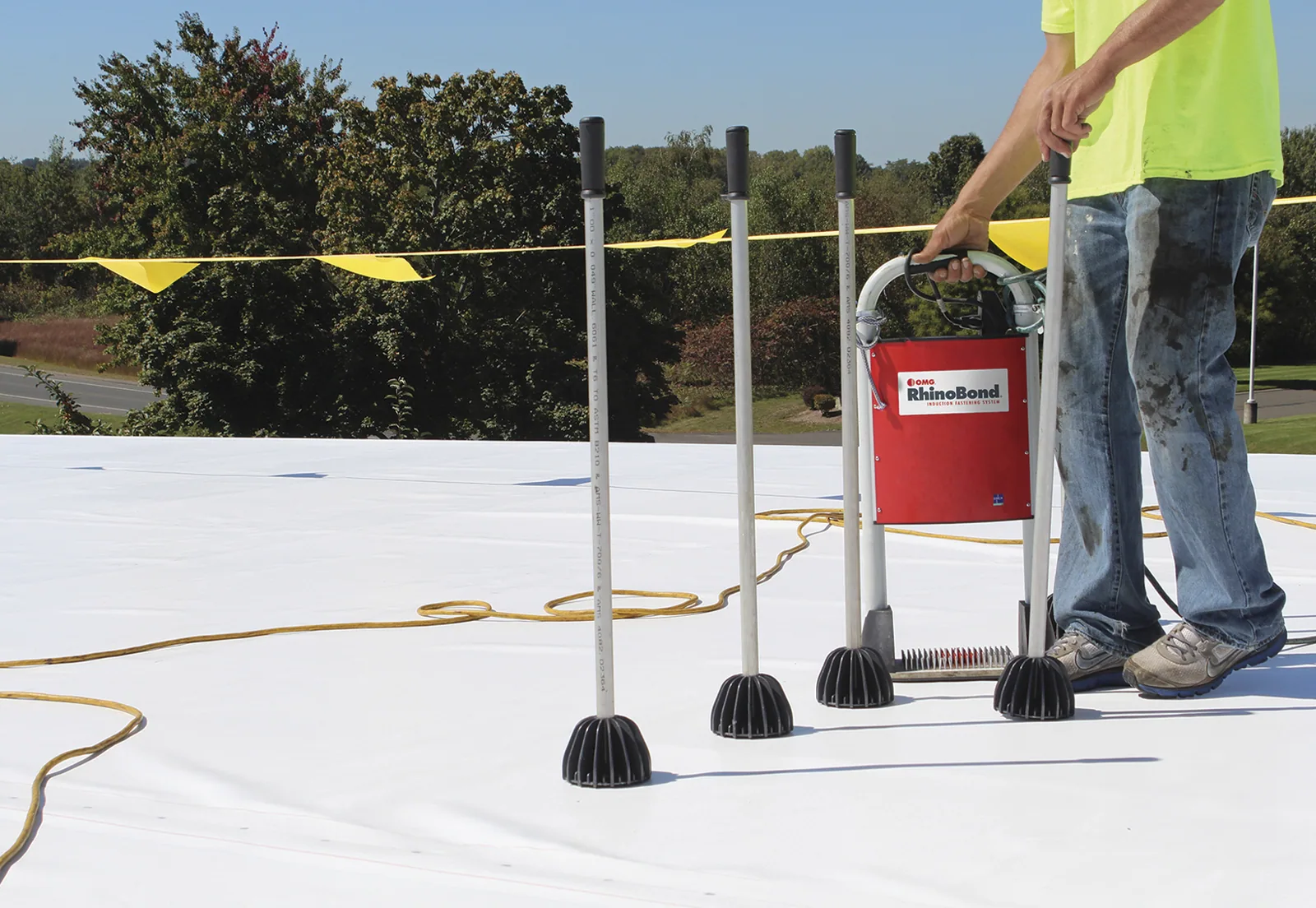
Identify the product and surface condition. TPO, PVC and other thermoplastic systems have their applicable procedures and eligible components. Preparation and relevant seam checks matter. An aged, contaminated or coated area may need further evaluation before welding is selected.
TPO roofing and PVC roofing should be assessed using their actual system information. For an existing surface, establish whether preparation leaves eligible material for the selected welding procedure.
The repair scope should locate preparation, new materials and completed-work checks. If the adjoining sheet is unsuitable, explain the required removal and reconstruction. A new welded strip should have a clear connection to eligible material.
EPDM roofing uses its compatible bonding and repair procedures. It should not receive a thermoplastic welding method merely because both are single-ply membranes. Identify the rubber system and surface preparation required.
Modified bitumen roofing needs its actual product and eligible application method. Different products may use heat, adhesive or other specified procedures. The repair should identify the selected construction and relevant controls.
The owner should see the method matched to the roof. An unidentified mastic or patch may leave compatibility unexplained. Keep materials and checks within the completion record so another service team can understand the correction later.
It may be a relevant entry concern, but the interior symptom still needs investigation. Locate the affected room and timing. Water can travel within the assembly. Another nearby detail or component can also require examination.
Leak investigation compares the reported location with roof findings. Suitable testing may answer a defined question where authorized. The procedure needs controls for the actual system and affected spaces.
Concealed moisture concerns may require further assessment. The record should separate the supported seam finding from any question still needing evidence. Qualified parties handle electrical, equipment or interior concerns beyond the roofing examination.
Commercial repair should describe removal, preparation, new material and adjoining details. Identify known quantities and any concealed question that could affect the work. The estimate needs the actual roof-area reference.
If an opening reveals wider deterioration, photograph the finding and explain the revised correction. The agreed authorization process governs additional work. Keep the reason with the final scope so another reviewer can understand the changed quantity.
Resolve the proposed scope against its actual project requirements. Use Santa Clarita’s adopted editions and supplemental provisions when they apply, with the responsible authority and submission basis confirmed. Manufacturer and warranty procedures require the actual documents and selected assembly information.
At Valencia Industrial Center properties, receiving and equipment contacts should help establish roof access. The actual layout supplies the route. Confirm restrictions and the authorized contact before the task is scheduled.
Commercial buildings in Newhall may have shared entrances and neighboring activity. We coordinate staging with the manager and identify spaces beneath the work. Operator instructions establish any necessary control window.
Summer heat and winter rain influence suitable work conditions. The selected product procedures govern the repair. Changed weather or new findings may require a revised sequence, with the next task and authorization clear.
Retain located completion photographs and relevant checks with the accepted scope. A later inspection can compare the same lap and adjoining material. Report new openings, service damage or water entry promptly.
Keep installed-material and warranty information available to maintenance teams. Later work should use compatible procedures. The owner should understand which concern was corrected and which assessment remains outstanding.
Name the contact responsible for each pending item. If another seam area needs examination, identify its location and purpose. That helps the manager arrange follow-up without confusing a completed patch with the entire roof assessment.
Use consistent area references in the estimate, authorization and final record. When the management contact changes, those identifiers help the next person connect the repair with the original finding and plan the next roof visit.
Retain any sample or opening information with the repair photographs. It records materials that may not be visible afterward and gives a later construction question a more useful starting point.
The accepted detail should remain available when another service team proposes work nearby.
Include an adjacent puncture repair or flashing correction only where the examined condition supports it. Establish their preparation boundaries before approving the joining scope. The manager should receive the located quantities and accepted methods for each task that will be concealed beneath the finished repair.
Identify the seam construction and material before choosing a repair method; welded, adhered and mechanically secured assemblies require different preparation. Examine the failure’s length, receiving surfaces and nearby terminations instead of treating the visible opening as its complete extent. Record whether prior repairs or contamination affect the connection and verify the specified method on the actual assembly. If an adjacent layer cannot be evaluated without opening work, keep that quantity outside the confirmed repair until reviewed. Closeout images should show the full repaired seam and its end conditions so future inspections can compare the same boundary.
Identify the actual membrane first. Thermoplastic, rubber and bituminous systems need their own compatible procedures and surface preparation.
It guides further examination. Adjoining condition and relevant evidence support the extent of the proposed correction.
Assess suitability and required preparation for the selected method. Another examination or reconstruction may be needed before the repair is accepted.
Locate the newly observed condition and explain the revision. Keep authorization and relevant photographs with the final scope.
Use located findings, installed-material information and completed checks. The next inspection can compare the same detail with the repair record.
Call Commercial Roofing Santa Clarita with the affected location and roof records. We will examine the lap and define the compatible correction and checks needed.
Pages that connect with Roof Seam Failure Repair for Santa Clarita Valley buildings.
Notifications