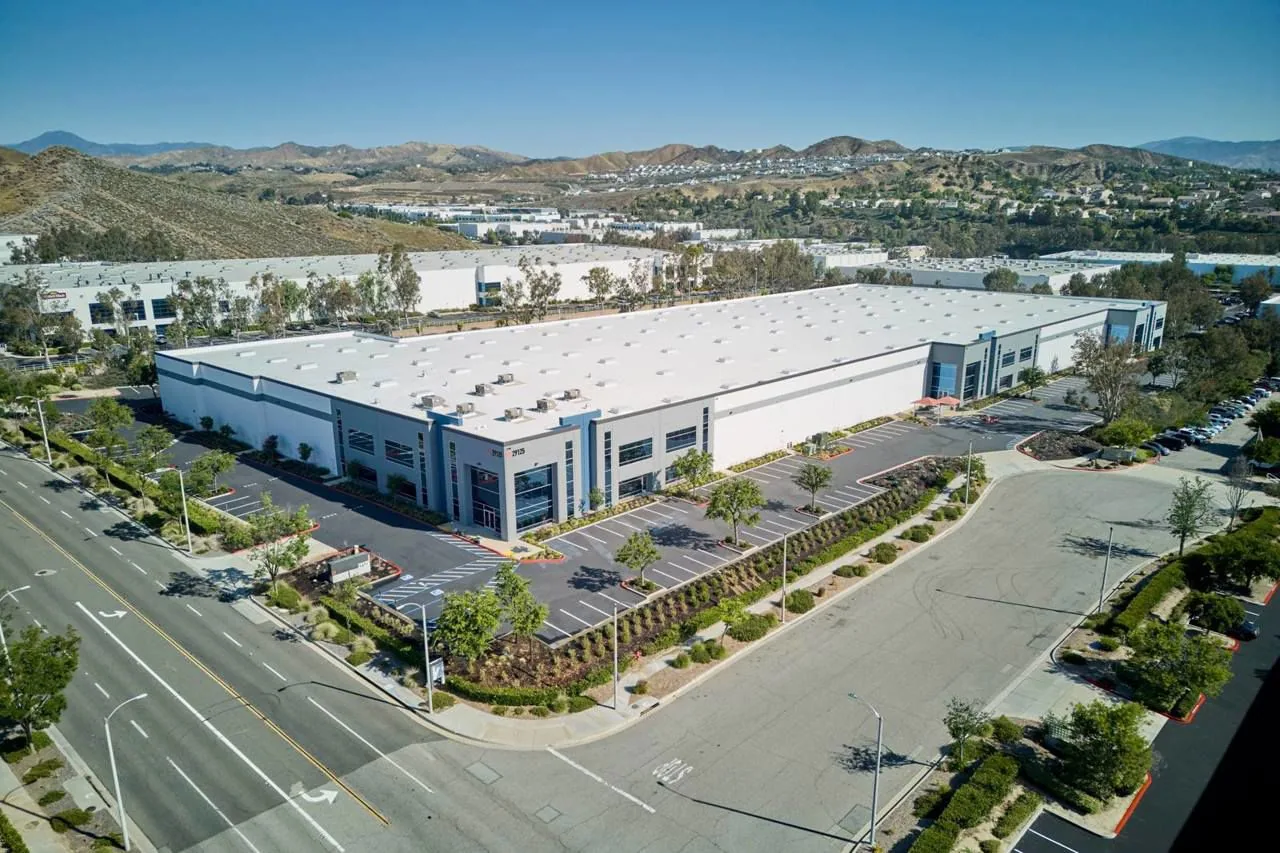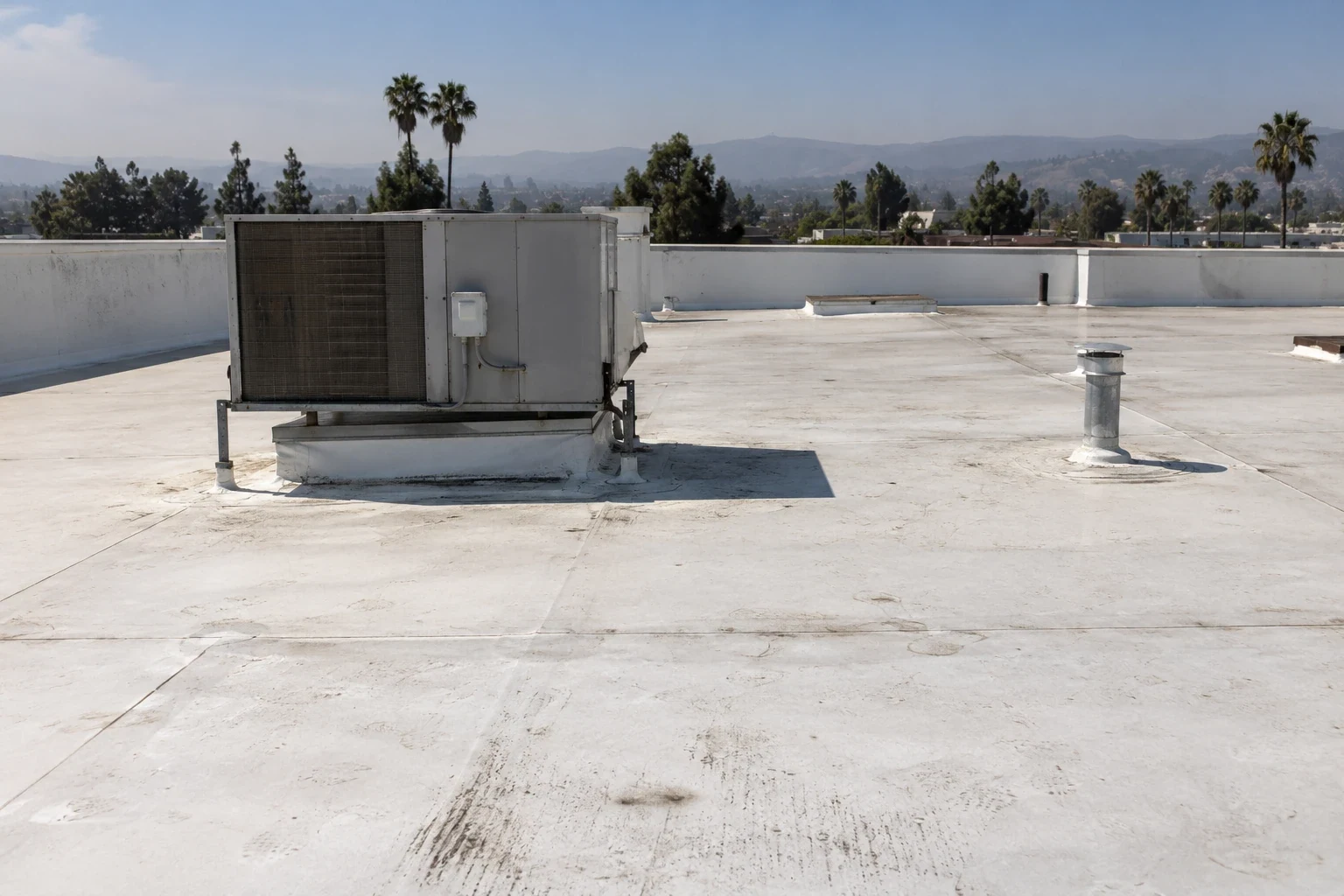

A small opening in a membrane needs more than a mark on the roof plan. Identify the material, examine what lies around the puncture and establish the compatible correction. Santa Clarita, CA has commercial roofs with varied service activity. The actual finding determines the scope, rather than an assumption about who or what caused it.
Commercial Roofing Santa Clarita examines membrane openings and records their locations. We assess accessible adjoining condition and identify any concealed question needing investigation. The owner receives the proposed repair and relevant limits.
Tell us about recent roof or equipment work and any reported water entry. Safe photographs and earlier records can help. Keep the observation separate from an unverified cause statement so the examination begins with clear evidence.
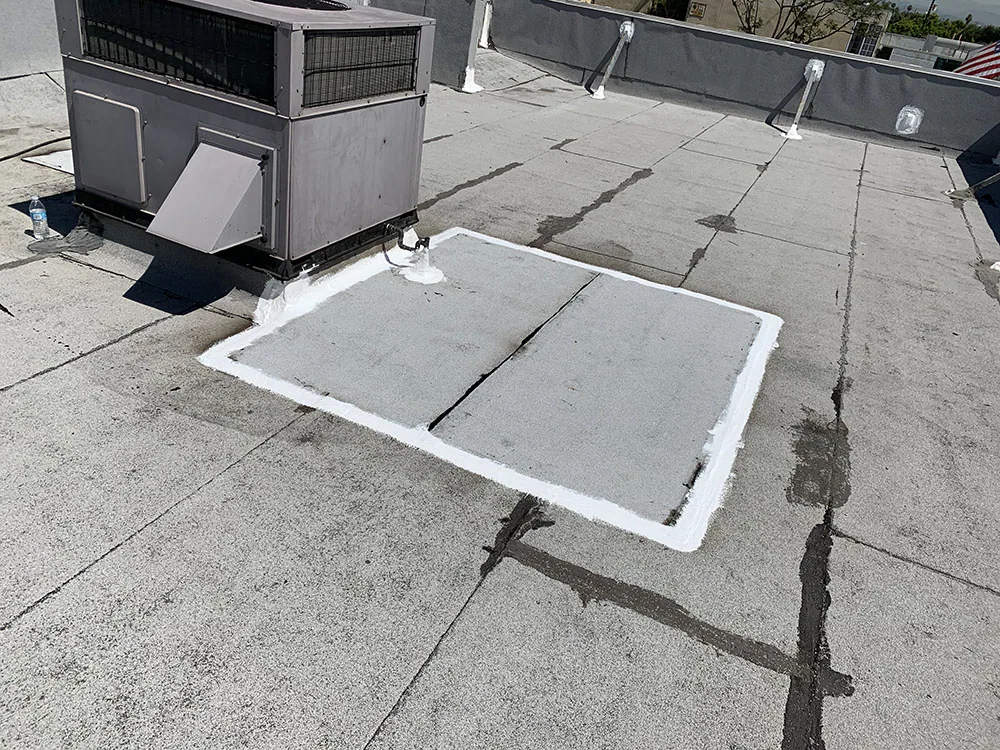
Identify the covering and accessible substrate condition. The visible opening, adjoining material and earlier patches help define the initial boundary. A damaged area may extend beneath the surface, so the scope should explain any examination required.
A roof inspection can locate related findings along the service route. It records accessible condition and areas not examined. One puncture can justify checking nearby work areas without establishing that all surrounding material is damaged.
If an authorized opening is needed, plan the examination and suitable closure first. Record materials found at that location and any further question. The owner should understand what the repair boundary is based on before new material is installed.
The actual membrane and surface condition guide selection. Thermoplastic sheets, rubber membranes and bituminous systems use different compatible procedures. Preparation and adjoining material eligibility matter. An unidentified sealant or mastic does not describe a complete repair.
Commercial repair should identify the materials, preparation and relevant checks. On TPO roofing, a suitable welded method needs the selected system procedures and actual sheet condition reviewed.
Aged, coated or contaminated material may require further evaluation. The scope should explain whether localized reconstruction is viable and what adjoining surface will support it. Keep the accepted method and completed-work record with the roof file.
Locate the completed repair with photographs and identify installed materials. Relevant checks should be retained with the accepted scope. If a concealed finding expanded the task, keep its reason and authorization in the same file.
Preventive maintenance can revisit the area and track service-related changes. Report new openings or water entry. Consistent roof-area references help the next examiner compare the same location.
Outstanding items need a named contact and next action. The owner should know which condition was corrected and which assessment remains pending. The final record can then support future work without an unclear assumption that every concern was resolved.
Provide relevant roof details to the equipment service team. A later repair or component installation should use compatible information. Keep the installed-system and warranty procedures available when another task is proposed.
Retain original and completion images together. They show the observed opening and the work authorized at that point. Another manager can use the record to understand the repair rather than rely on an invoice description alone.
The finding needs a located assessment. A sample shows condition at the examined point. Wider extent may require another method or additional examination. Avoid assigning the whole field condition from one opening alone.
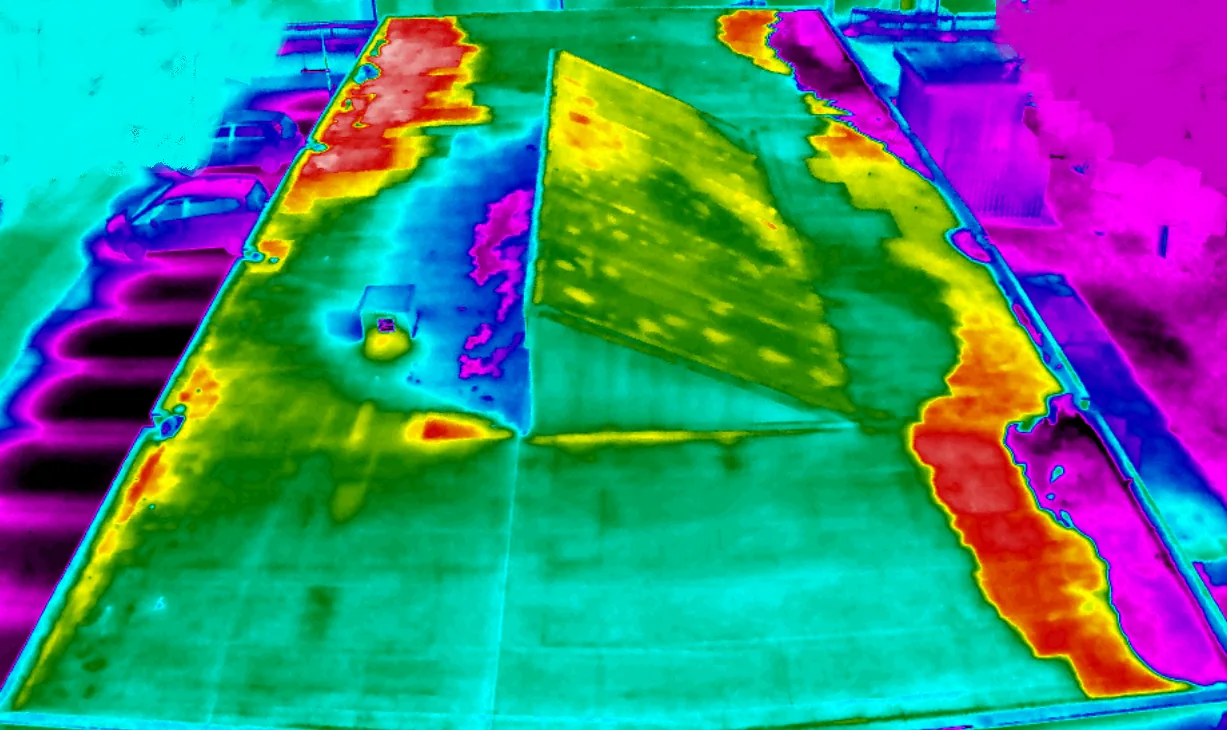
An infrared survey may guide investigation on a suitable roof under appropriate conditions. Temperature patterns need interpretation and relevant confirmation. The record should distinguish supported moisture findings from areas still uncertain.
Unsuitable retained material needs a defined removal and reconstruction scope. Structural concerns require qualified review where indicated. The owner should receive the reason for any expanded work, with the evidence and authorization kept beside the final repair.
It is a possible entry concern to investigate. The affected room and symptom timing guide the search. Water can follow concealed surfaces, so the nearest visible opening does not establish the complete path by itself.
Leak investigation compares the roof detail with the report and other accessible evidence. Suitable testing may be selected for an authorized question. The method needs controls for the system and affected spaces.
Equipment or interior conditions may require another qualified party. The roof record should identify that interface and next action. We explain which findings support the roofing correction and which questions remain outside the examination.
Report the locations where equipment teams routinely work. Tools, component handling and other service tasks can affect the roof. The record should describe observed damage without assigning responsibility where the evidence does not establish it.
The installed system may have eligible protection or walkway arrangements. Those details should fit actual routes and assembly requirements. A walkway is not a substitute for appropriate handling procedures, and it should not create an unmanaged drainage concern.
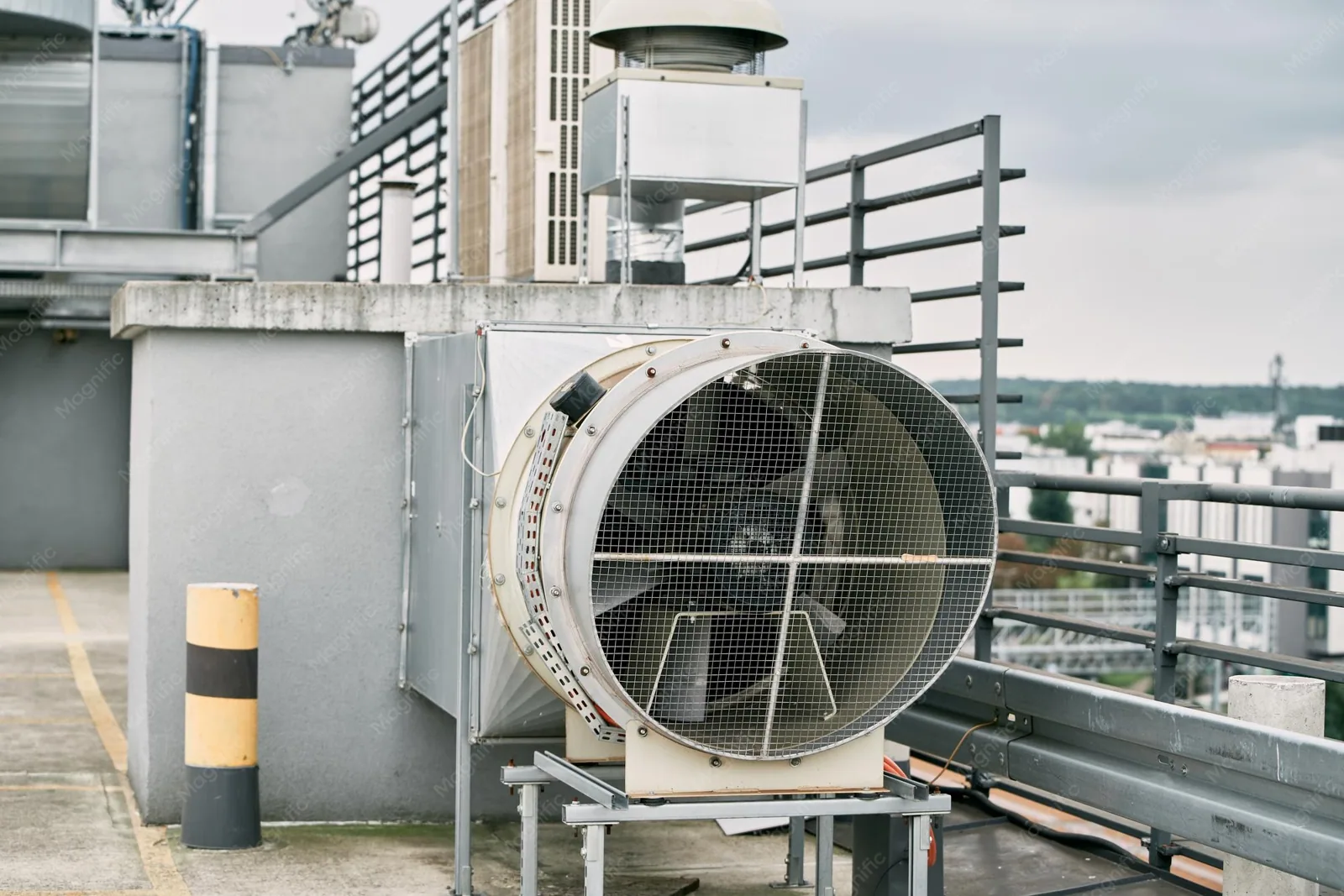
Equipment interface planning coordinates the roof with responsible trades. Share accepted details before another component is moved or installed. Service teams should know where an alteration needs roofing review.
Access, staging and affected spaces need operator confirmation. Any equipment or HVAC control requires a planned window with the responsible team. Qualified parties manage electrical and fire-system decisions. Roof work should follow those accepted arrangements.
At Valencia Industrial Center properties, receiving and production contacts help establish the route. Actual roof layout and restrictions determine how material reaches the work. Confirm the site contact before the task is scheduled.
Commercial activity in Newhall can bring shared entrances and nearby storefronts into staging. We coordinate the repair with the manager. Identify who receives the proposed scope and who can authorize changed findings.
Summer heat and cooler-season rain in Santa Clarita inform scheduling. The selected product procedures and current surface conditions govern application. A clear day alone does not establish that every material is ready for repair.
Applicable requirements need the actual scope and authority reviewed. Santa Clarita publishes current codes and local amendments. The relevant submission basis and project extent should be confirmed before assigning requirements.
Warranty terms require the actual documents. Manufacturer acceptance, repair materials and inspection procedures may be relevant. Keep the accepted method and required records clear before altering the assembly.
Trace the proposed patch edge where it meets a damaged seam or a flashing defect. Retained construction at that edge governs the suitable repair. Give each connection a photographed position and method so later review can distinguish the completed patch from a related detail still needing examination.
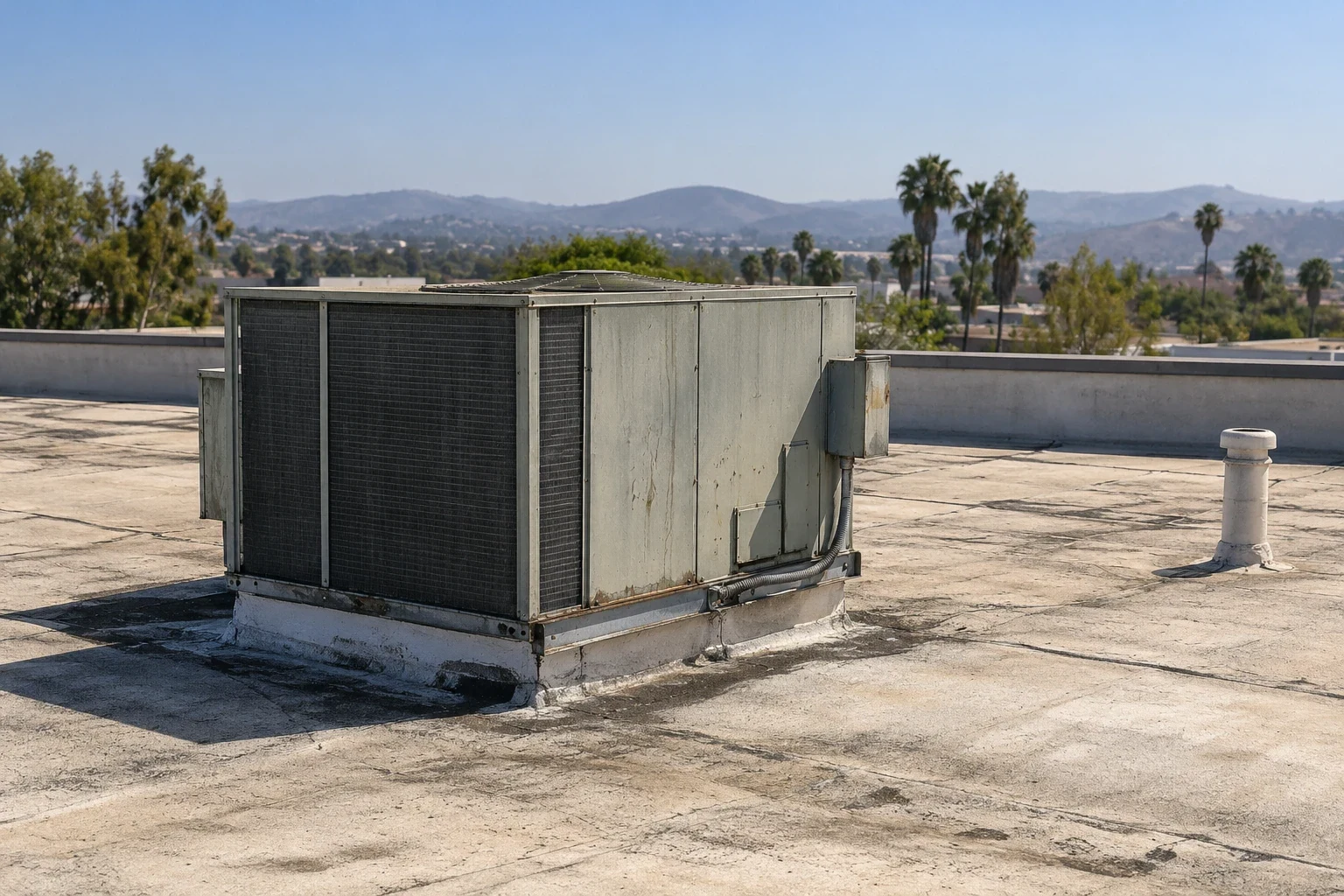
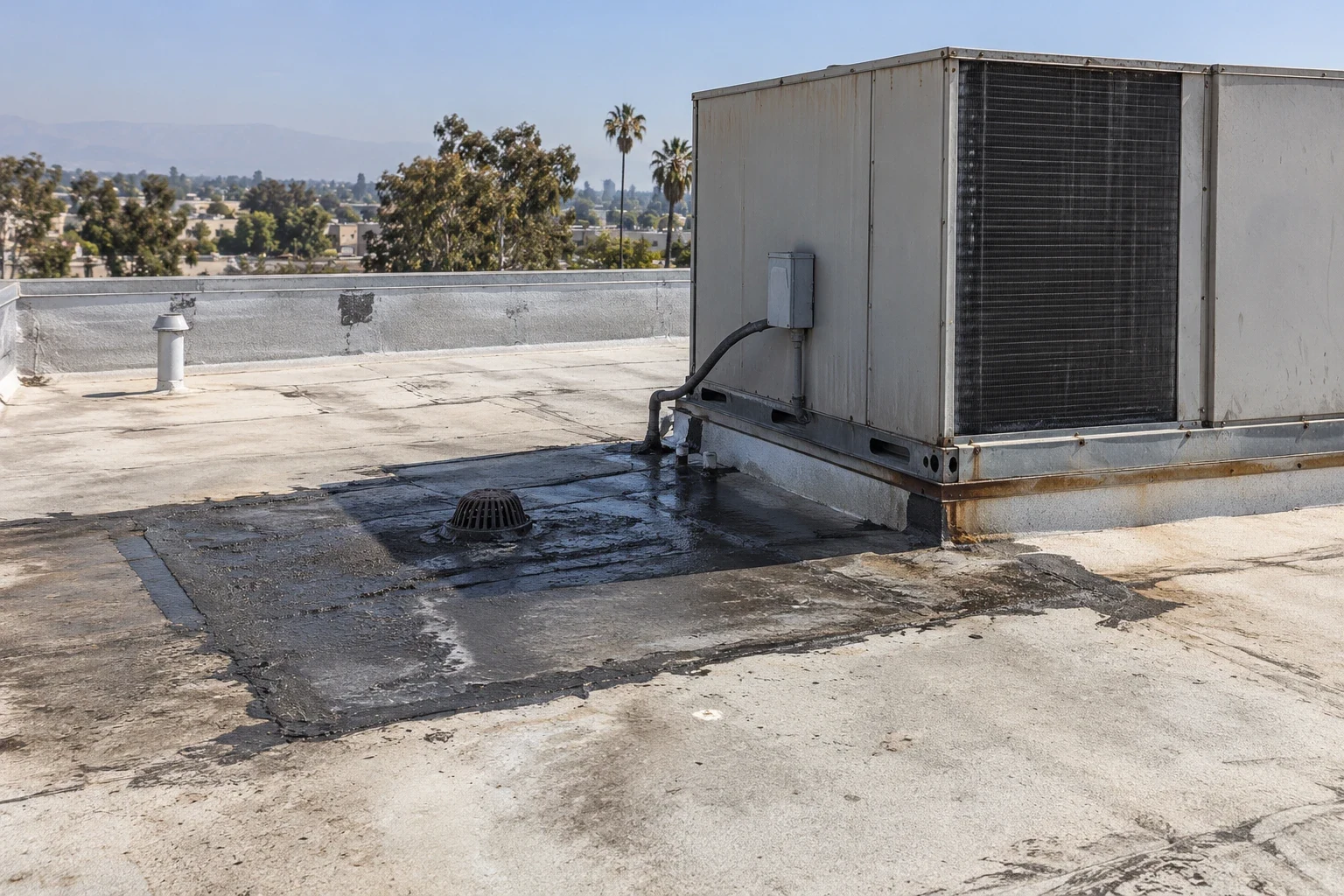
For a puncture, document its position relative to rooftop traffic, equipment work, walk pads and drainage details without assigning a cause that inspection cannot establish. Check the membrane around the visible opening for cuts, displaced material or separation, then identify the compatible patch boundary and preparation needed. If the underlying insulation or deck is suspect, define how it will be verified before covering the repair. Record temporary protection separately from the finished correction. Dated photographs and the material used will help facilities staff recognize the location if another trade later works nearby.
Record the observation and available evidence. Responsibility should not be assigned without support. Recent work information can guide further examination.
Identify the membrane and compatible procedures first. Preparation, materials and relevant checks need to fit the actual system.
It records condition at the examined location. Additional evidence may be needed to interpret extent or select a larger removal boundary.
The actual route and installed-system requirements guide the plan. Coordinate it with the operator and responsible equipment teams.
Use consistent roof-area references and located photographs. Retain materials, checks and any approved change with the final scope.
Call Commercial Roofing Santa Clarita with the puncture location and roof records. We will examine the material and explain the repair and any further assessment needed.
Pages that connect with Membrane Puncture Repair for Santa Clarita Valley buildings.
Notifications