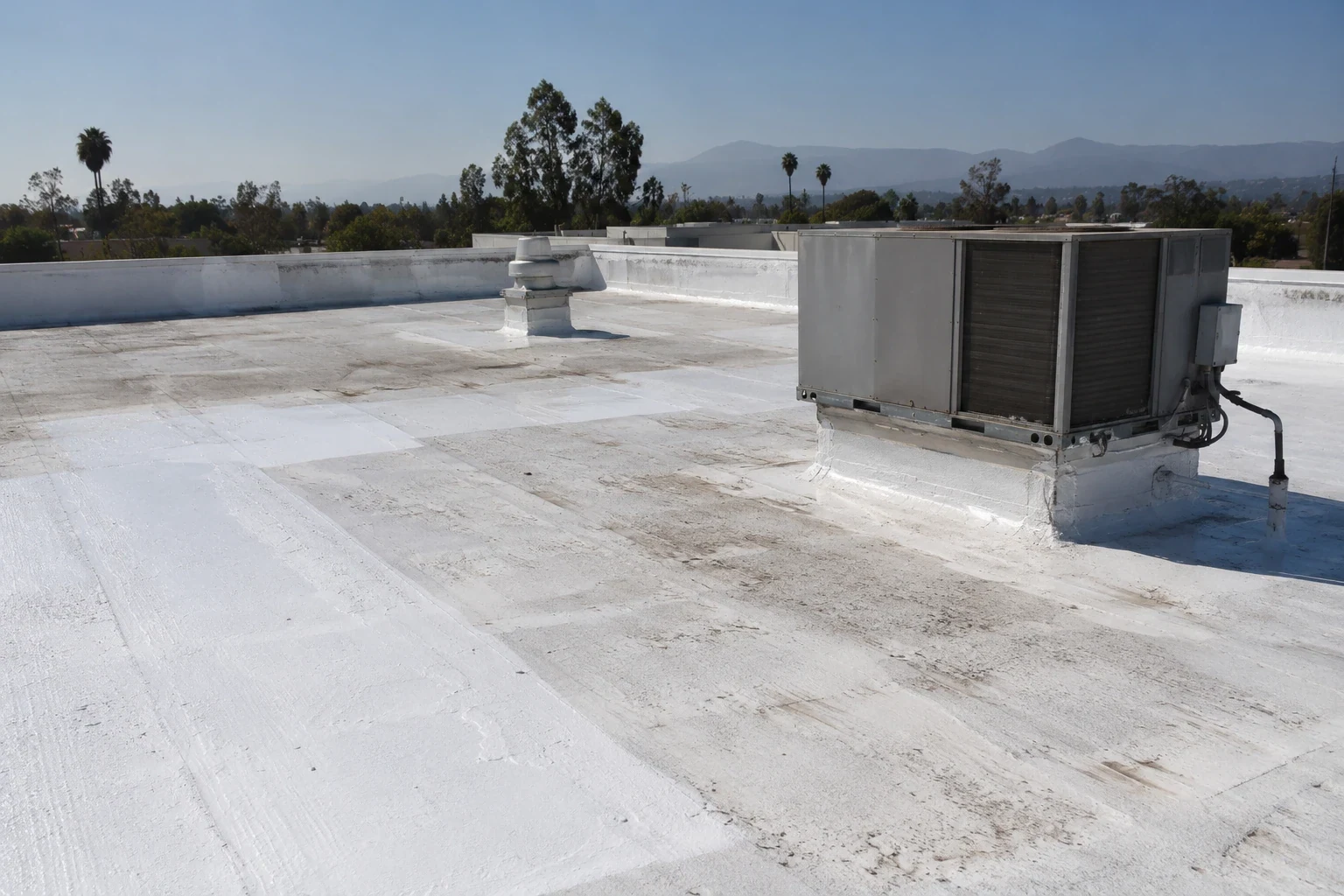

An acrylic restoration needs a roof and application window suited to the actual product. Its water-based application does not make weather irrelevant. Santa Clarita, CA has summer heat and cooler-season rainfall. Plan the work around product requirements and the examined assembly, rather than a calendar assumption.
Commercial Roofing Santa Clarita evaluates roofs for acrylic coating and compatible corrections. We identify substrate condition, preparation and details needing repair. The owner receives a defined restoration scope and the further checks required before application.
Bring existing roof and coating information. Tell us about leaks, standing water and recent equipment work. Those records help focus the examination. A new reflective finish should follow an eligibility decision, with the retained materials and drainage concerns already addressed in the plan.
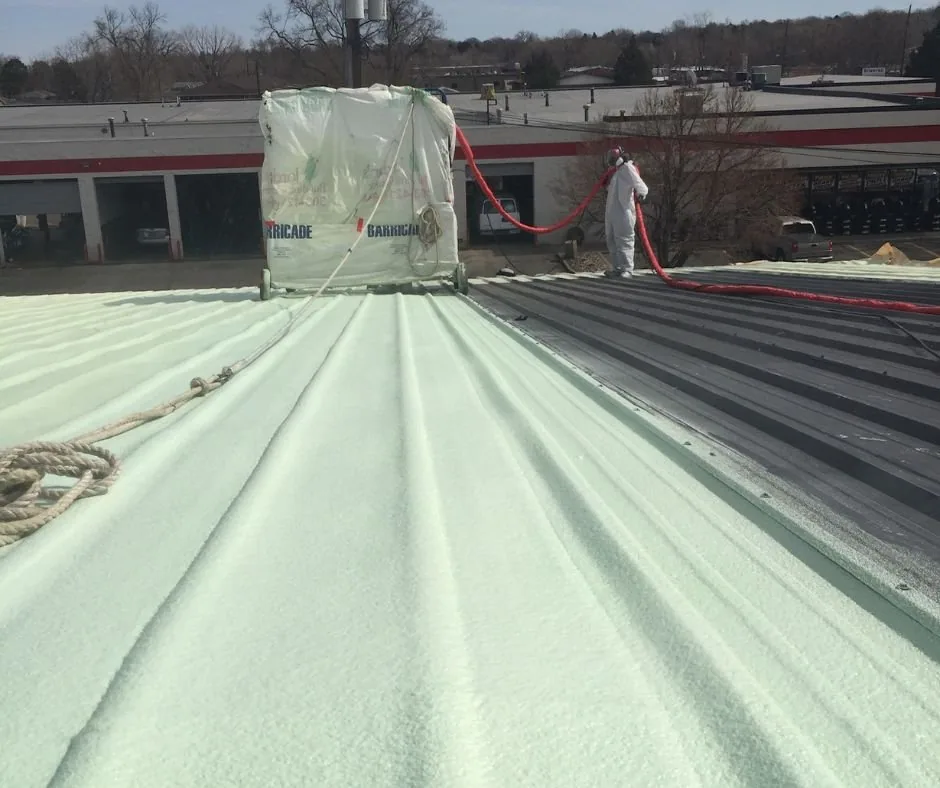
Silicone restoration needs its selected exposure and application requirements checked against the same building findings. A proposed foam roof system includes another insulation and protection arrangement. Identify the construction supplied by each option before comparing a coating allowance with a larger roof scope.
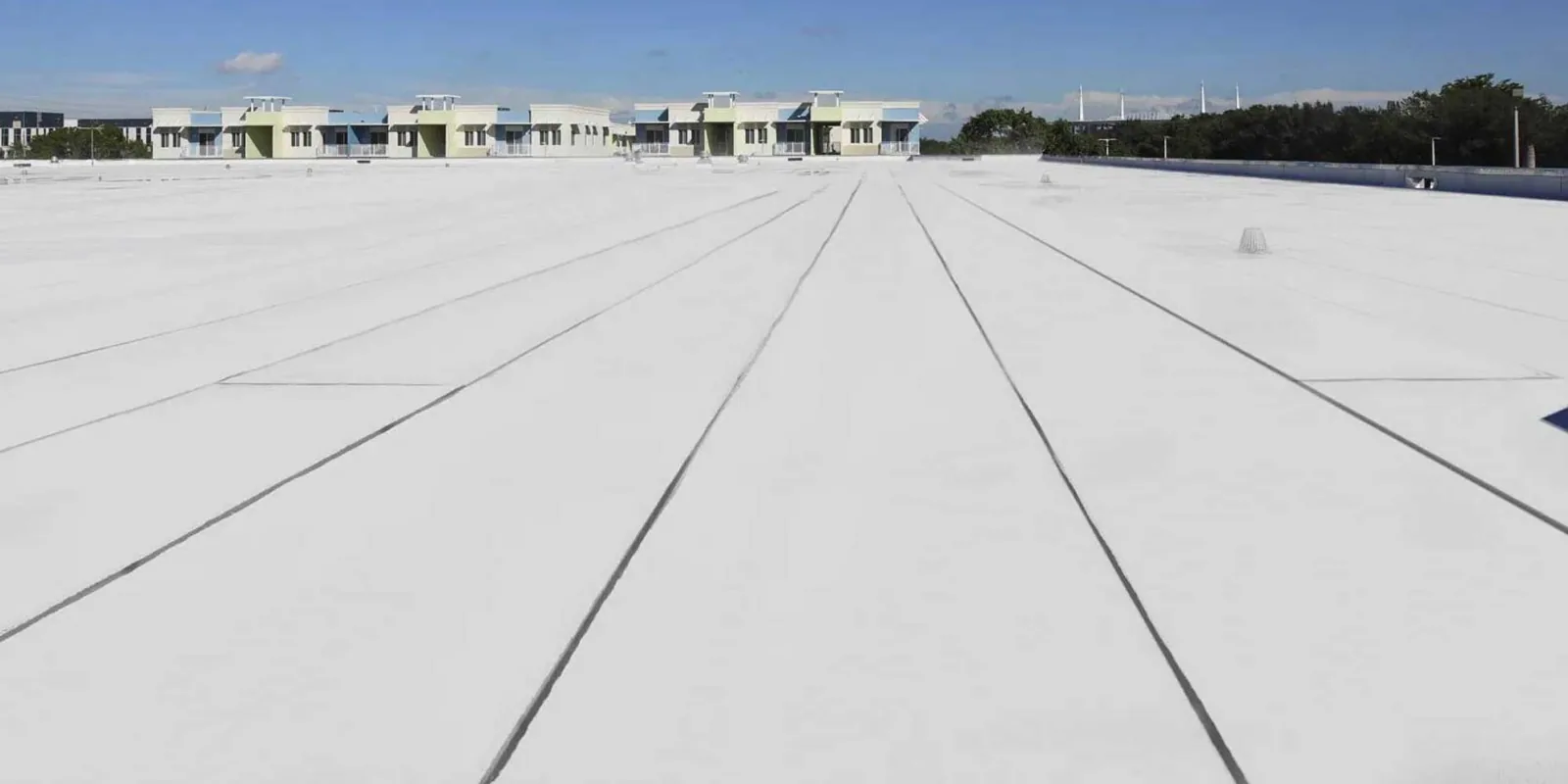
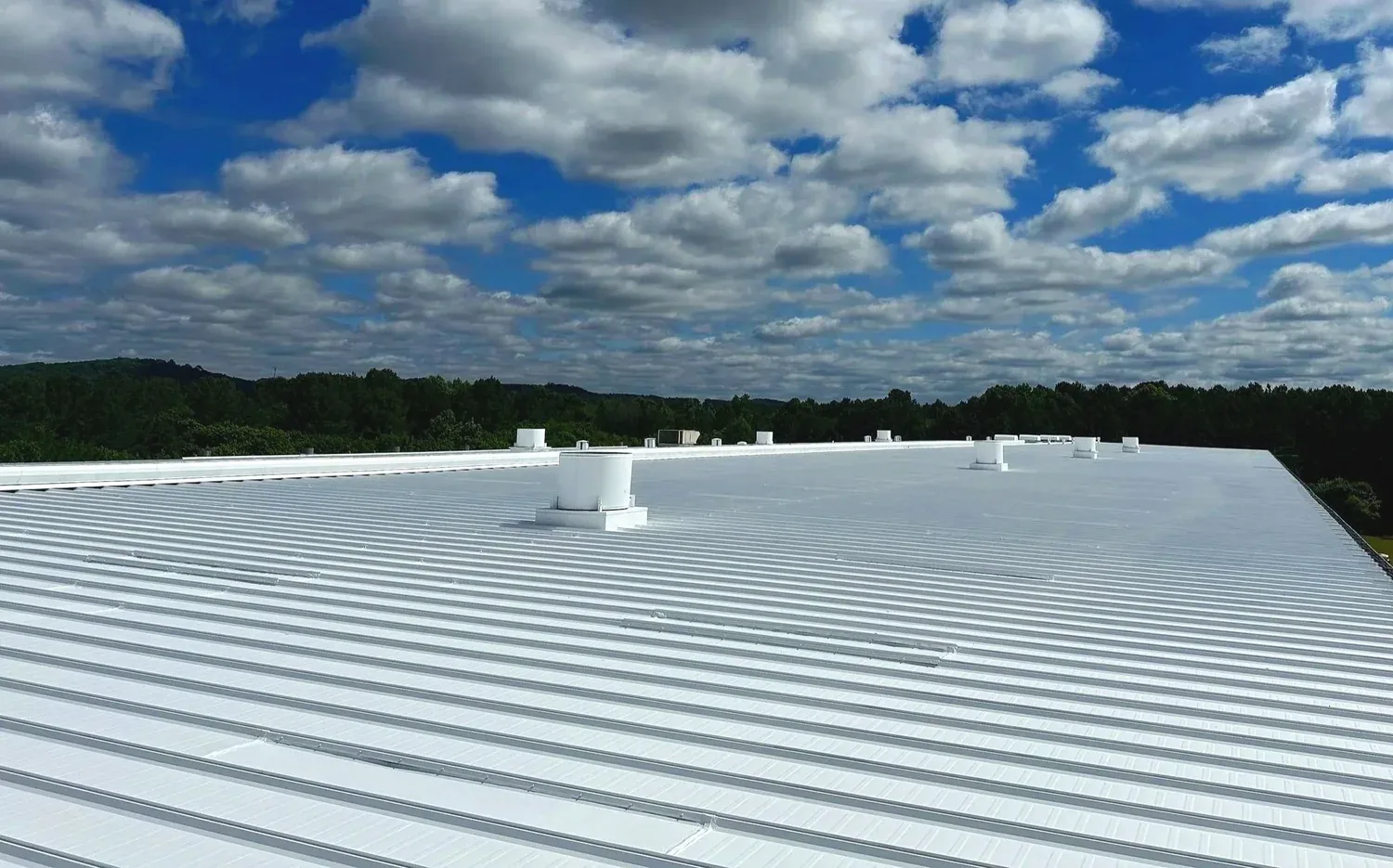
Acrylic roof coatings are water-based products within specified restoration systems. Individual formulations have their own eligible substrates and procedures. The product name and documentation should be included in the scope. A broad material description does not establish every exposure limit or application requirement.
Drying and cure depend on the actual material and conditions. Temperature, moisture and anticipated weather need review against the instructions. Daylight alone does not establish when a coating is ready for the next task.
Roof coating restoration should identify preparation, repair and required application checks. The owner can then compare a complete scope with another option, rather than compare only the finish price.
Identify the existing covering and earlier coatings. Their condition and compatibility contribute to eligibility. The roof must provide a suitable substrate for the selected system. Accessible damage or attachment concerns need examination before restoration is treated as practical.
A roof inspection locates the findings and limits. Concealed material questions may need authorized samples or another suitable investigation. Evidence at selected locations should be reported without implying every hidden area was examined.
Compatible repair addresses approved defects before coating. The estimate should describe the material and detail involved. Unsuitable underlying conditions need their own correction, rather than being left beneath a new finish without explanation.
The selected system determines cleaning and surface preparation. The method should remove interfering material while remaining suitable for the roof and building. Existing coatings may need specific review. Surface appearance alone does not establish adhesion or compatibility.
Where required, checks of prepared locations provide useful evidence. Record the method and result. Varying conditions may need additional examination. A successful check at one location cannot be treated as proof that every untested area is identical.
Primer, reinforcement and other components should be defined where the system calls for them. Keep those items in the accepted scope and final record. That lets the owner understand how the preparation supports the selected finish.
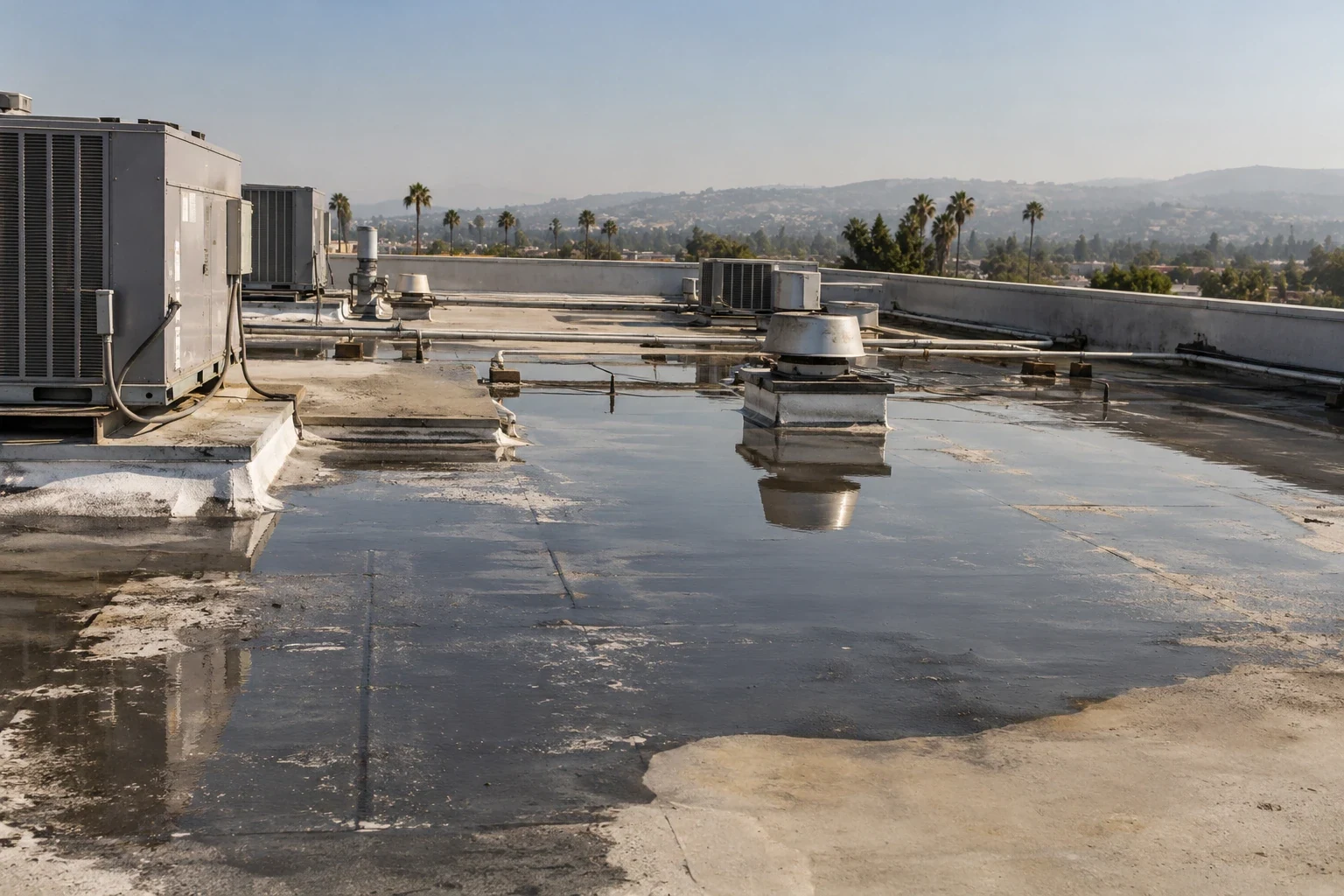
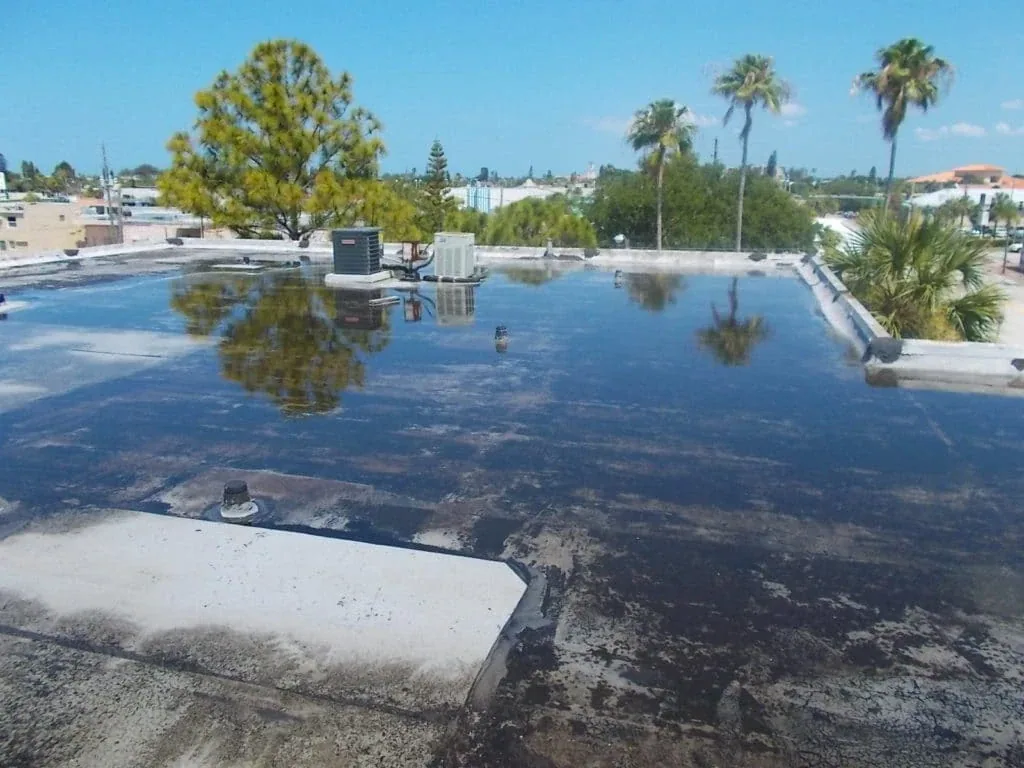
Review the actual product limitations and the cause of the reported water. Do not assign universal ponding tolerance to every acrylic coating. The selected system must suit the intended conditions, while drainage concerns may need separate work.
Ponding water assessment examines questions beyond ordinary cleaning. Obstruction, geometry or another outlet concern may be involved. We explain the finding supporting the proposed correction.
Drains and scuppers should remain suitable through restoration. Changes to the water path or concealed piping need the responsible design or qualified trade. The coating scope should identify those interfaces before application begins.
Follow the product requirements for substrate moisture and application conditions. Suitable temperature, humidity and weather forecast need review for the actual task. Regional dry weather is a planning opportunity, rather than proof that the surface is ready.
Material handling and application can affect nearby activity. Identify occupied spaces, equipment and vehicles that need protection. Required HVAC or intake control needs a planned window with the responsible operator. The roofing work should fit that accepted arrangement.
Santa Ana winds can complicate work in Southern California. If conditions or newly exposed findings change the scope, explain the revision and authorization needed. The final record should show preparation and application actually completed, with relevant checks retained.
The system details need compatible construction at transitions. Pipes, curbs, parapets and outlets have their own materials and geometry. The proposal should identify repair and reinforcement where required. Coating the field does not automatically complete every adjoining interface.
Flashing work examines those connections. Equipment weather seals or other components may involve another responsible party. The scope should define the handoff and who checks the completed roofing detail.
Keep the location of each reconstructed detail with the work record. If an opening reveals a larger concern, record the finding and approved correction. The owner should understand how the final scope developed from the original inspection.
At Valencia Commerce Center, industrial receiving and equipment schedules affect preparation. From the junction of State Route 126 with Interstate 5, the park extends to the northwest. Confirm the route and contact for the actual property.
Shared entrances and storefront activity can shape staging at Newhall commercial buildings. We arrange the visit with the manager and identify affected areas. The roof layout supplies the working route, while the operator supplies access instructions.
The actual project requirements also need review. Santa Clarita publishes its adopted California codes and local amendments. Establish the relevant authority and application basis for the work. Energy, fire and property-specific provisions should be assessed for the complete retained assembly.
Use procedures suitable for the installed coating. Cleaning and later repair need the product and condition identified first. Aggressive washing or an unidentified patch should not be assumed appropriate for every acrylic finish.
Preventive roof maintenance can track damage, outlet condition and altered details. The schedule should reflect the installed system and relevant requirements. Report service work that changes a roof interface.
Warranty terms depend on the documents. Retain manufacturer procedures, accepted materials and required inspection records. The final file gives another manager or service team a useful reference when a new repair or coating layer is proposed.
Named contacts help the owner organize those later reviews and required records.
An acrylic coating proposal should identify the existing surface and its condition before describing preparation or coverage. Check compatibility with prior coatings, membrane or surfacing, and verify adhesion in representative areas when the system requirements call for it. Resolve open seams, penetrations and drainage defects separately so the new film does not conceal an unresolved water path. Application conditions and maintenance expectations should follow the selected product documentation. The owner’s record should show preparation, treated sections, measured coverage and areas excluded from coating, giving future inspections a clear baseline.
The selected product and actual conditions govern drying and cure. Review substrate moisture, temperature and anticipated weather against its instructions.
Use the actual product requirements for the intended conditions. The cause of standing water also needs assessment and any suitable drainage correction.
The accepted system identifies cleaning, repairs and any required primer or reinforcement. Relevant checks and locations should remain with the work record.
The responsible operator arranges required controls within a planned window. Application and protection need to follow that accepted site plan.
Identify the installed material and condition. Compatibility, preparation and relevant warranty requirements need review before new material is applied.
Call Commercial Roofing Santa Clarita with your coating records and roof concern. We will examine the substrate and define an acrylic restoration scope that fits the project.
Pages that connect with Acrylic Roof Coatings for Santa Clarita Valley buildings.
Notifications