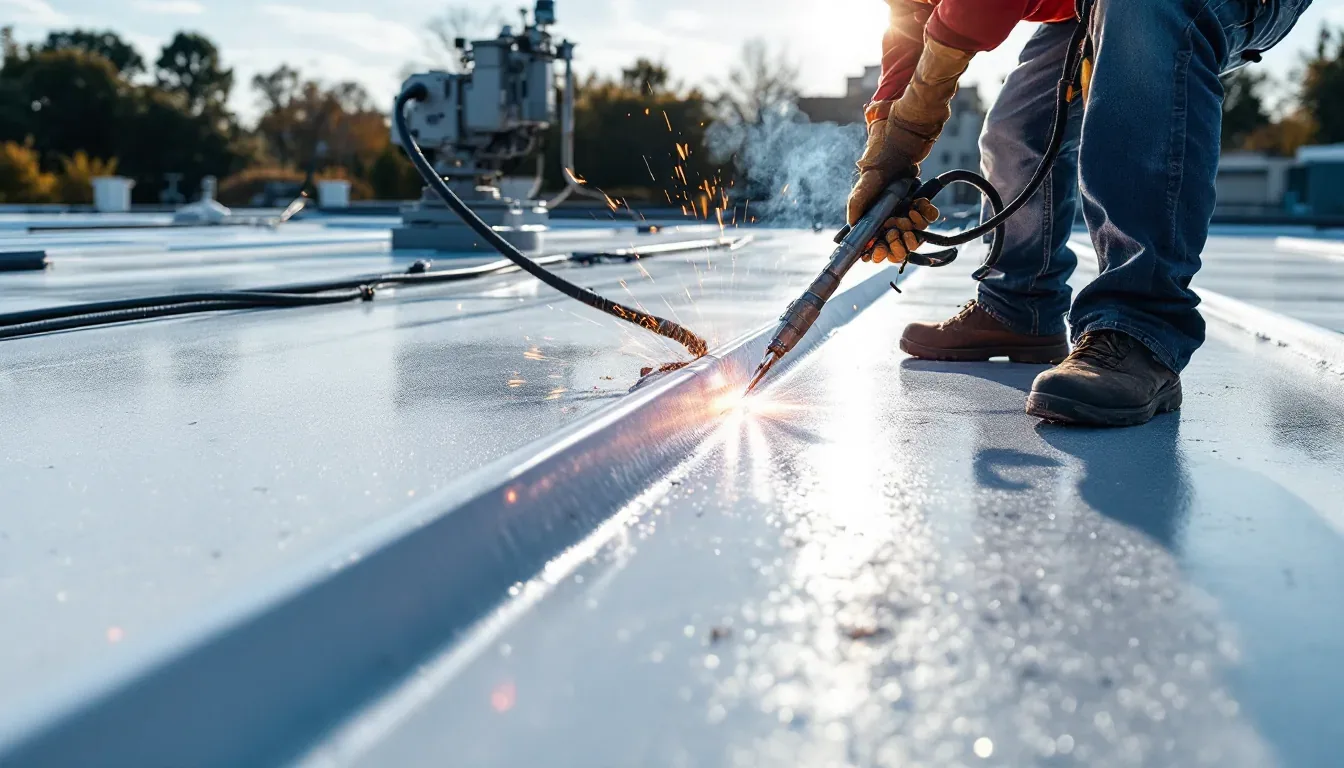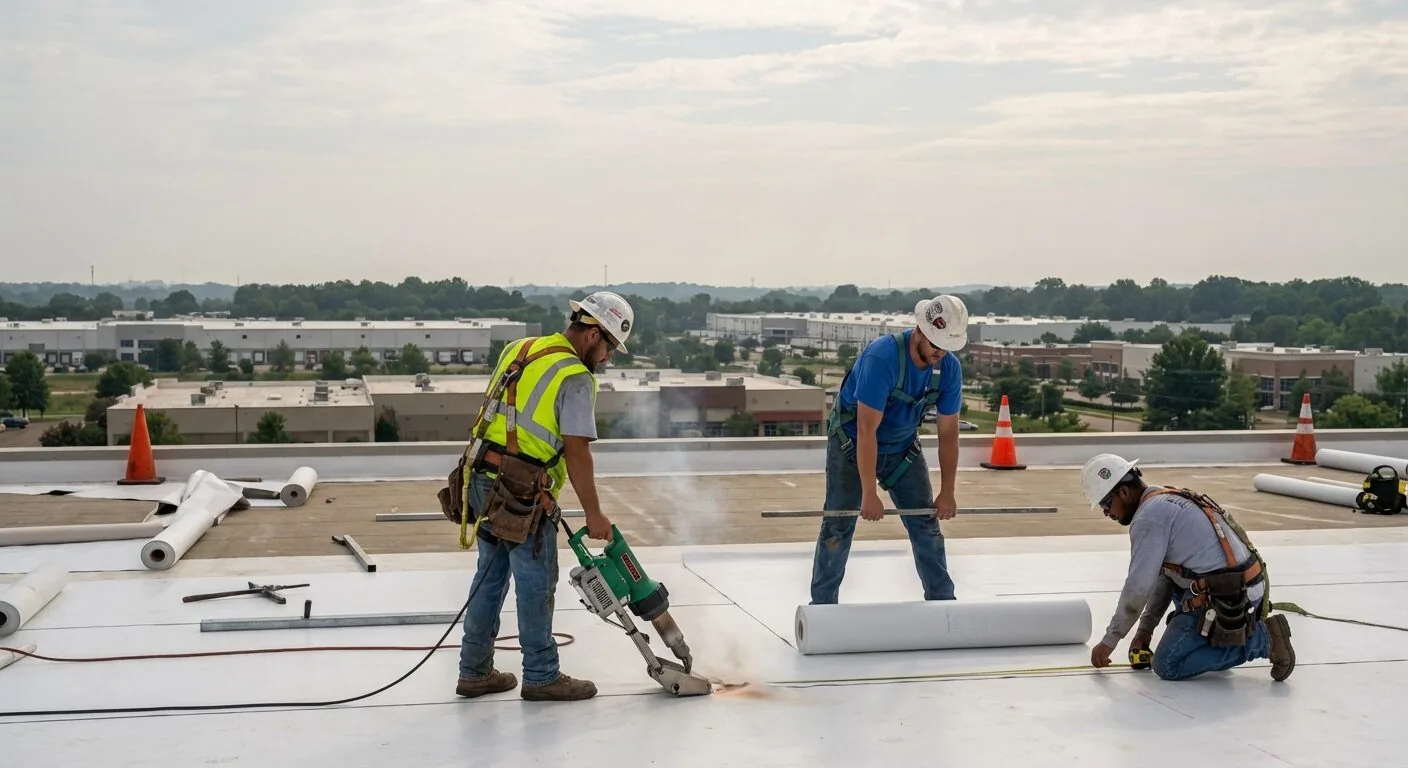

A lifted edge or displaced panel needs examination of the connection beneath it. Adding material to the visible opening may leave the original concern unresolved. Santa Ana winds affect Southern California, including Santa Clarita, CA. The actual roof findings determine the protective task and permanent repair.
Commercial Roofing Santa Clarita examines accessible wind-related concerns and records their locations. We identify damaged covering, perimeter details and areas needing further assessment. The owner receives the proposed correction and its supporting evidence.
Call with the observed change, building address and site contact. Keep people away from loose material. Photographs taken safely can help plan the assessment. Relevant access restrictions and emergency directions need to be followed before anyone examines the roof.
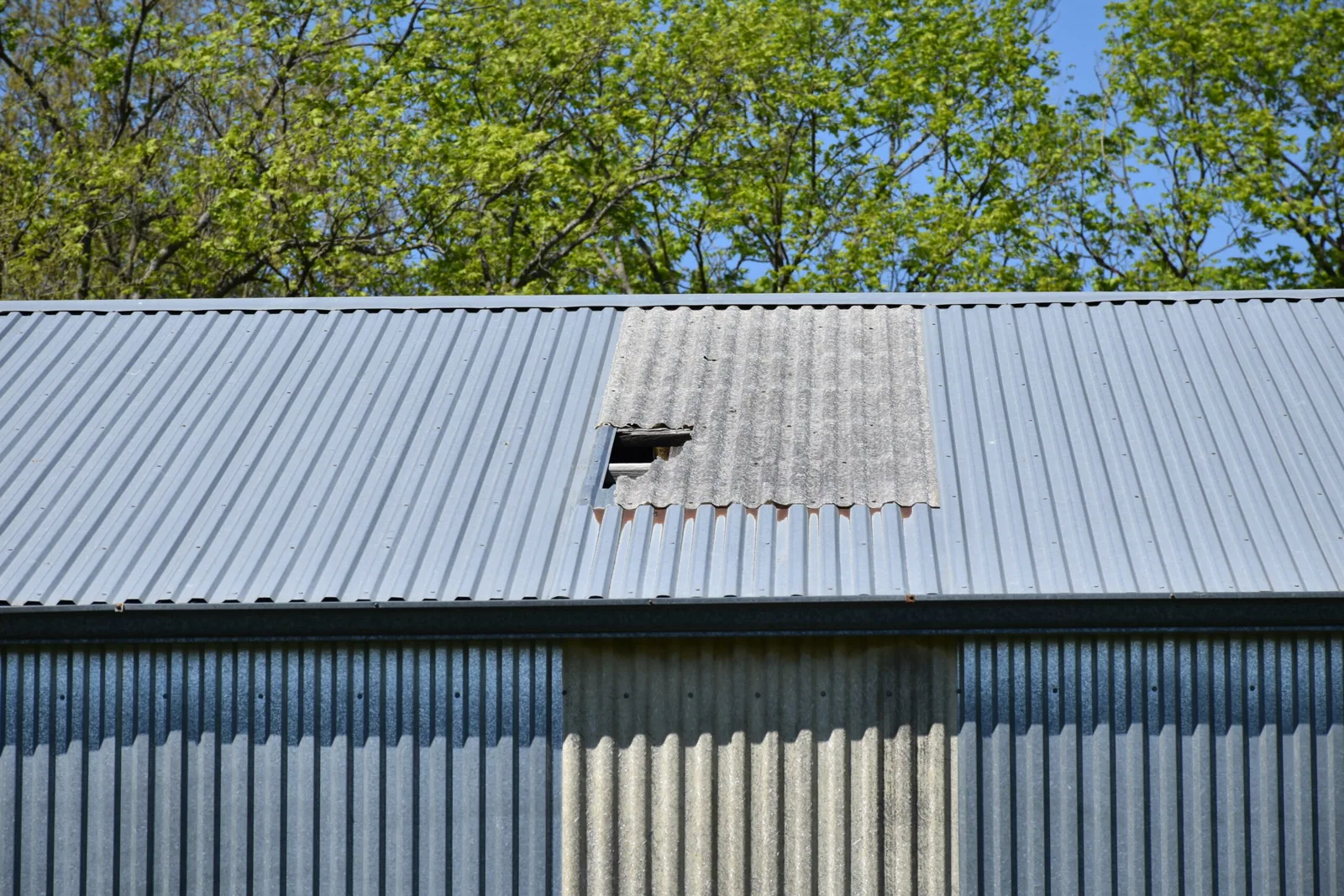
The metal, flashing and adjoining membrane need attention together. We examine accessible attachment and substrate where possible. A displaced face can hide damaged blocking or another connection concern. The visible piece alone may not describe the complete repair.
Edge metal and coping work should identify the actual component and compatible detail. The proposed scope needs its attachment basis and accepted construction information. Unspecified extra fasteners are not a substitute for understanding the system.
Where concealed parts need opening, identify authorization and suitable reconstruction. The findings should explain what is established and what remains uncertain. That gives the owner a clear basis for a localized repair or further perimeter assessment.
An observed failure guides the search, but does not establish that every surrounding area is damaged. We compare accessible neighboring details and available earlier records. The condition found determines whether further examination or a wider scope is needed.
A roof inspection records the route, findings and limits. Panel seams, membrane attachment, equipment areas and debris impacts may each need their own review. Keep locations clear enough for another examiner to find the same detail.
If structural or equipment questions appear, the responsible qualified party should assess them. The roofing record identifies that interface. It should not turn a surface observation into an unsupported conclusion about the entire building.
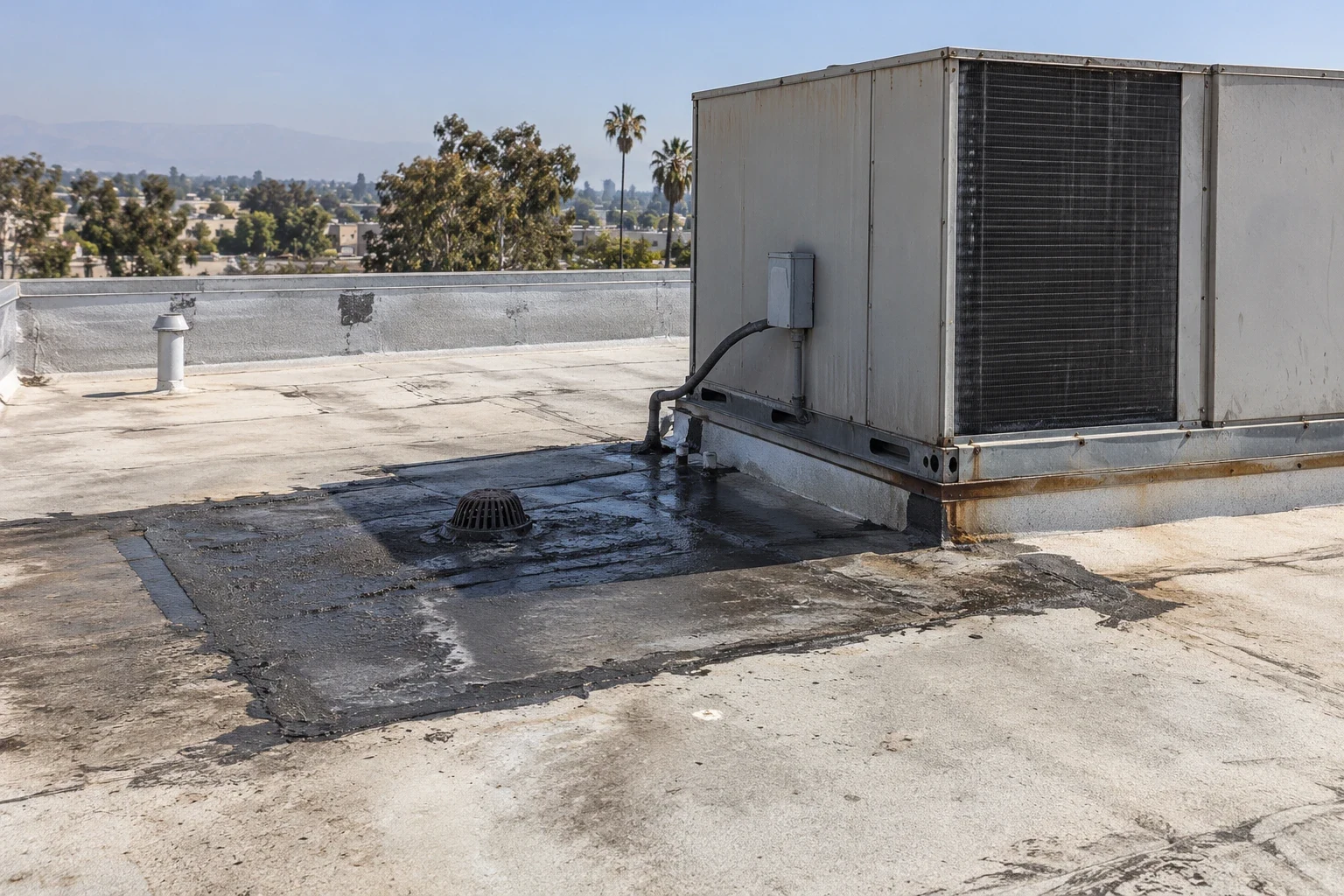
Identify the membrane and condition around the opening. The tear boundary, supporting layers and adjoining attachment affect the correction. A new patch should have an eligible surface and compatible method. Material identification matters before construction.
Commercial roof repair should explain removal, preparation and reconstruction. Underlying moisture or deterioration may need an authorized examination. Samples establish the condition at the locations checked, with broader uncertainty identified.
Where active exposure needs prompt attention, emergency roof assessment defines the protective scope for current conditions. Record the area protected and follow-up responsibilities. Temporary work remains distinct from the accepted permanent detail.
New water entry is a useful report, but its source still needs investigation. A loose edge may be related or another path may be involved. Compare the affected room with roof observations and earlier repair locations.
Leak investigation examines accessible details and selects suitable confirmation where needed. Testing should answer an authorized question with controls for the roof and building. The result must be interpreted within that scope.
Qualified personnel manage electrical or other interior hazards. The roof work should identify its findings and any interface requiring another party. The owner can then see whether the wind concern and water-entry concern have the same supported correction.
The building, geometry and applicable project requirements establish the design basis. The selected assembly needs eligible connections and supporting materials. Regional wind descriptions help with planning, but do not specify the required permanent attachment.
Qualified review addresses structural questions where required. We coordinate accessible roofing findings and relevant examination. Accepted details should be available before materials are ordered and installation proceeds.
Santa Clarita publishes current California code information and local amendments. Confirm jurisdiction, submission basis and scope. Fire, energy and applicable property requirements may affect the construction too. The final roof should fit the complete review rather than address the visible wind detail in isolation.
Current wind, roof access and material handling conditions determine suitable work. A regional event count or gust estimate does not establish when a crew can safely perform a particular task. The work plan needs the actual conditions and relevant controls.
At Castaic properties, maintain the site contact and follow any current authority directions. The Hughes Fire began near Castaic Lake in January 2025. Local event history makes access preparation useful, while present conditions govern the visit.
For Canyon Country buildings, keep earlier roof photographs available after a reported wind change. The Tick Fire affected the area in October 2019. The actual assembly and visible findings establish which roofing task is needed now.
Retain dated observations and safely obtained photographs. Locate the detail and describe the condition. Earlier inspection records may help compare changes. Where cause remains uncertain, identify the next assessment instead of assigning every defect to the reported event.
Claim documentation assistance organizes roofing evidence and construction information. The carrier determines policy coverage. The owner or designated representative approves the construction scope.
Keep temporary protection records and permanent work separate. If newly exposed findings change quantities, retain the evidence and authorization with the final estimate. Another reviewer can then follow the progression from observation to accepted correction.
Preventive roof maintenance can revisit the same locations and compare their condition. The installed materials and accepted detail information should remain available. Report new movement, loose material or water entry.
Warranty requirements need the actual documents. Manufacturer acceptance and alteration procedures should be reviewed before repair. Keep relevant checks and approvals with located completion photographs.
The record should distinguish completed work from an outstanding assessment. Assign remaining items to a contact and next action. That helps the owner maintain a clear roof plan after the immediate event concern has passed.
Share repaired-detail information with equipment service teams. Later rooftop activity can alter an interface or damage the covering. A clear reporting route lets the manager record that change and arrange the appropriate follow-up without losing the original repair history.
Document the failed perimeter flashing and open sheet seams as separate connections where found. Review the material and support needed beneath each correction. A common wind concern can organize the inspection, while the recorded receiving construction establishes the actual work and any further review.
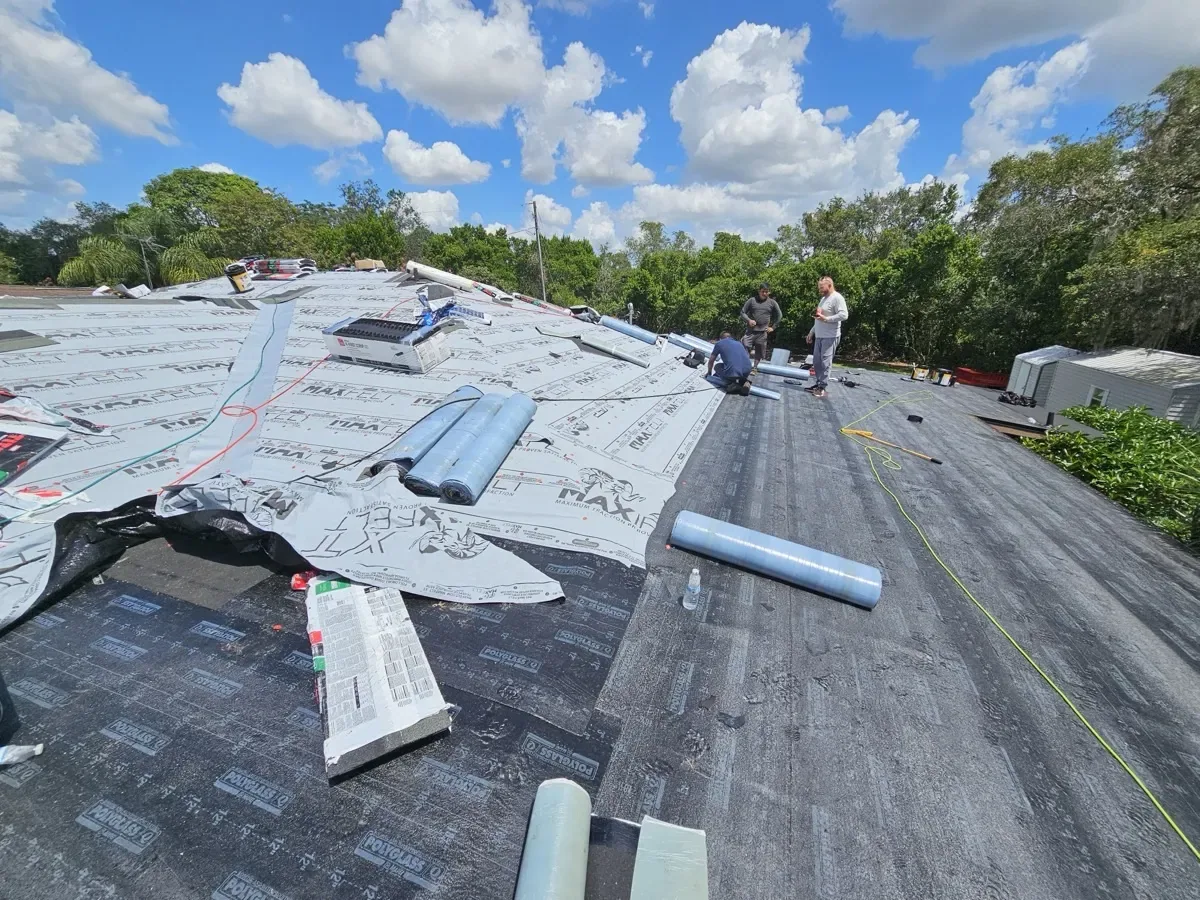
After wind exposure, examine perimeter conditions, metal edges, fasteners, seams and rooftop components where movement may be visible. Record each observation and the area actually checked; gust reports alone do not establish what changed on a particular roof. Compare the finding with prior photographs or maintenance records when available, keeping older wear distinct from event-related evidence. State whether a temporary securement is still in place and what further inspection is needed. A focused repair should connect the affected assembly to a defined boundary, with adjacent details listed separately if they remain uncertain.
It guides further examination. Accessible surrounding condition and relevant evidence support the extent of the permanent repair.
Understand the selected system and required attachment first. The accepted detail must fit its supporting construction and project requirements.
Identify the protected location, method and limits. Keep follow-up responsibility and the next permanent assessment clear.
The actual building and responsible qualified review establish project requirements. A regional gust description does not specify permanent roof attachment.
Separate the observations from conclusions. Identify the further examination needed and retain available earlier records for comparison.
Call Commercial Roofing Santa Clarita with the changed detail and site contact. We will assess the roofing concern and define the protective and permanent work needed.
Pages that connect with Wind Damage Roof Repair for Santa Clarita Valley buildings.
Notifications