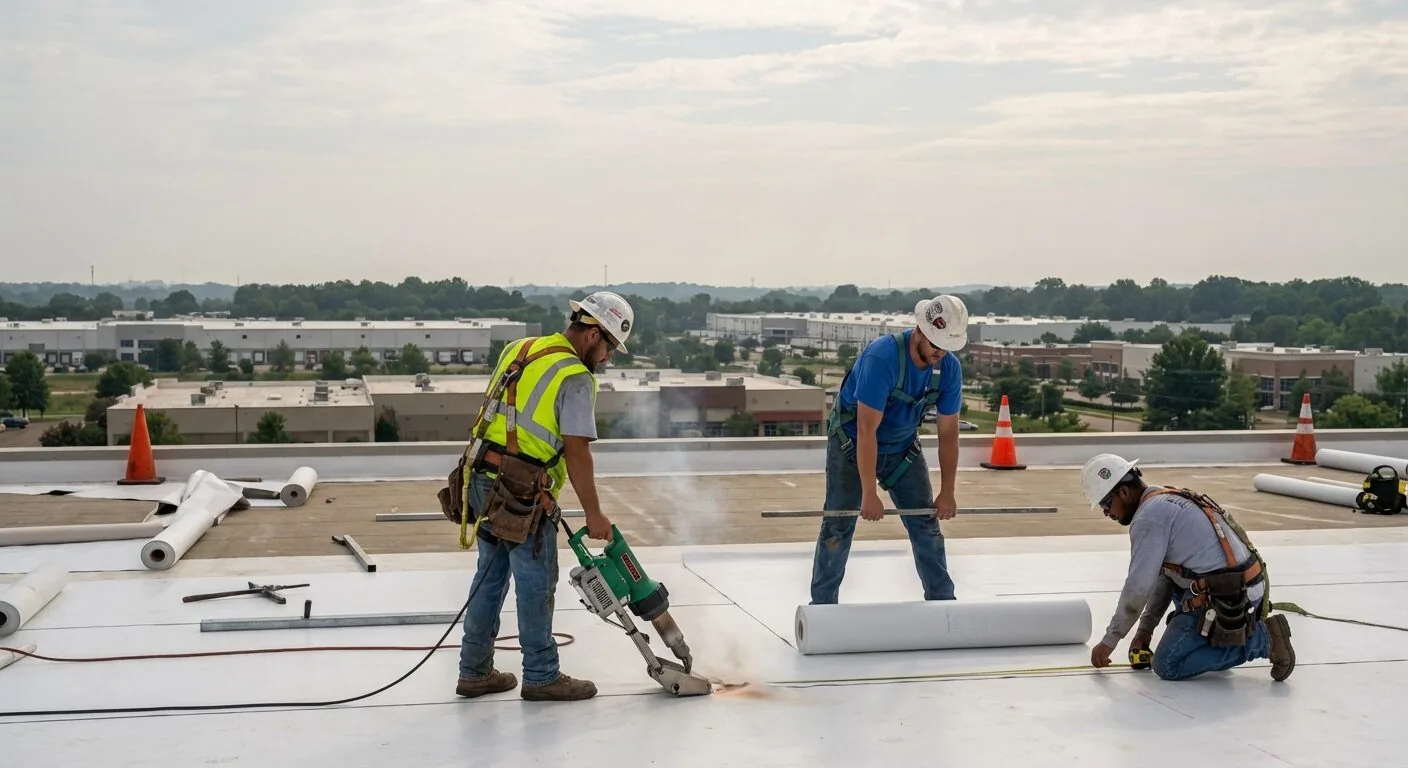
A roof assessment after fire starts with access authorization. Roofing examination does not replace fire or structural clearance. In Santa Clarita, CA, operators have reason to keep emergency contacts and roof records ready. The present building condition and authority instructions determine how the visit proceeds.
Commercial Roofing Santa Clarita assesses accessible roofing concerns after the appropriate access release. We locate visible damage, residue and details needing further examination. The owner receives the proposed roofing tasks and interfaces requiring another qualified party.
Provide the reported exposure, available safe photographs and authorized contact. Tell us which areas remain restricted. We plan the roof examination within those instructions and document limits rather than present inaccessible sections as part of a completed assessment.
The relevant authority and facility team establish current restrictions. Follow their directions for entry and affected areas. Suspected structural, electrical or other hazards need responsible qualified assessment. The roofing task proceeds within the accepted plan.
Identify who authorizes the visit and photographs. Some facilities have documentation rules as well as access requirements. Roof plans and earlier records help locate the proposed examination. The site contact should identify the spaces and equipment involved.
Emergency roof assessment may define protective work where access and conditions permit. The method must suit the assembly and concern. Record its limits and follow-up responsibilities separately from permanent reconstruction.
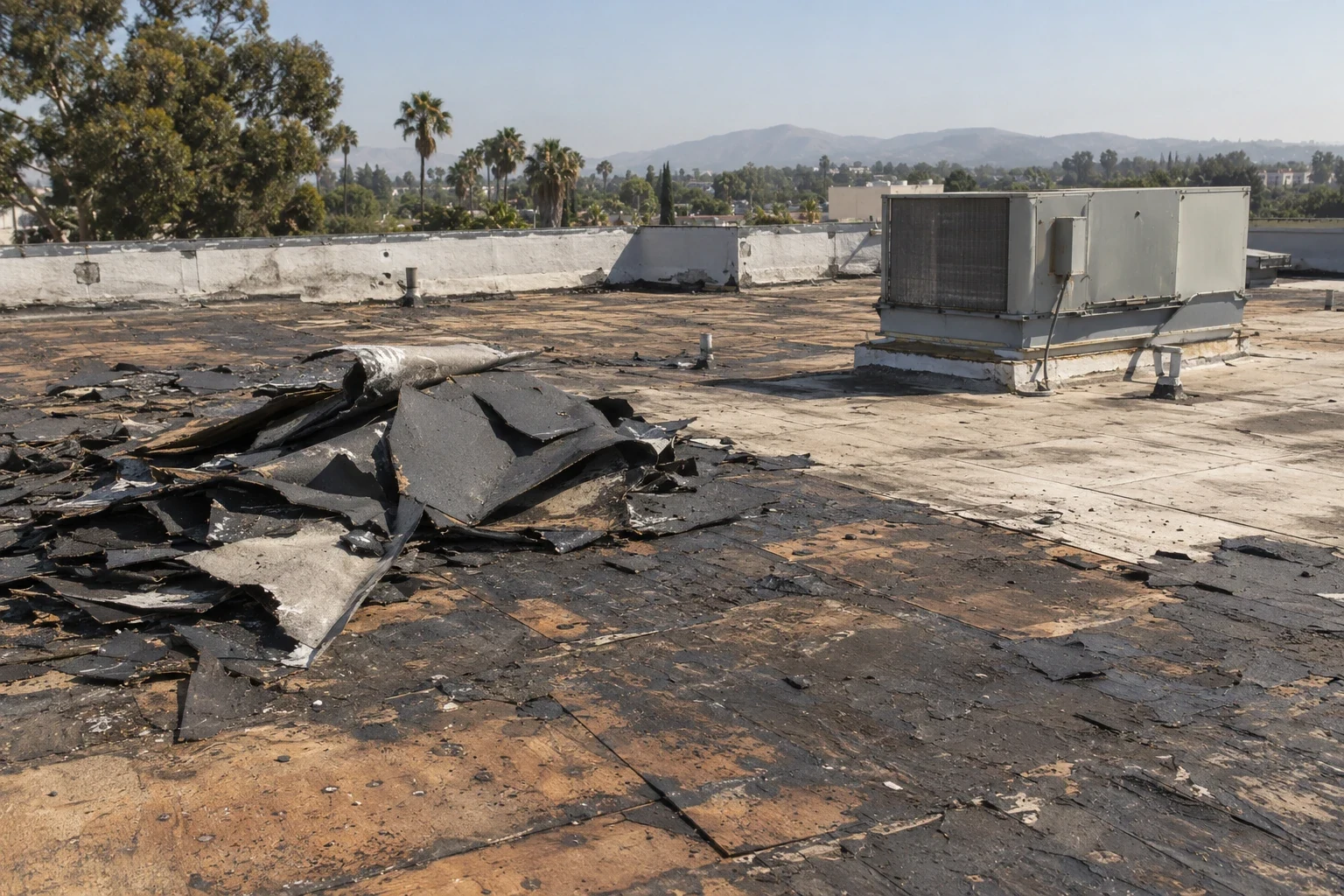
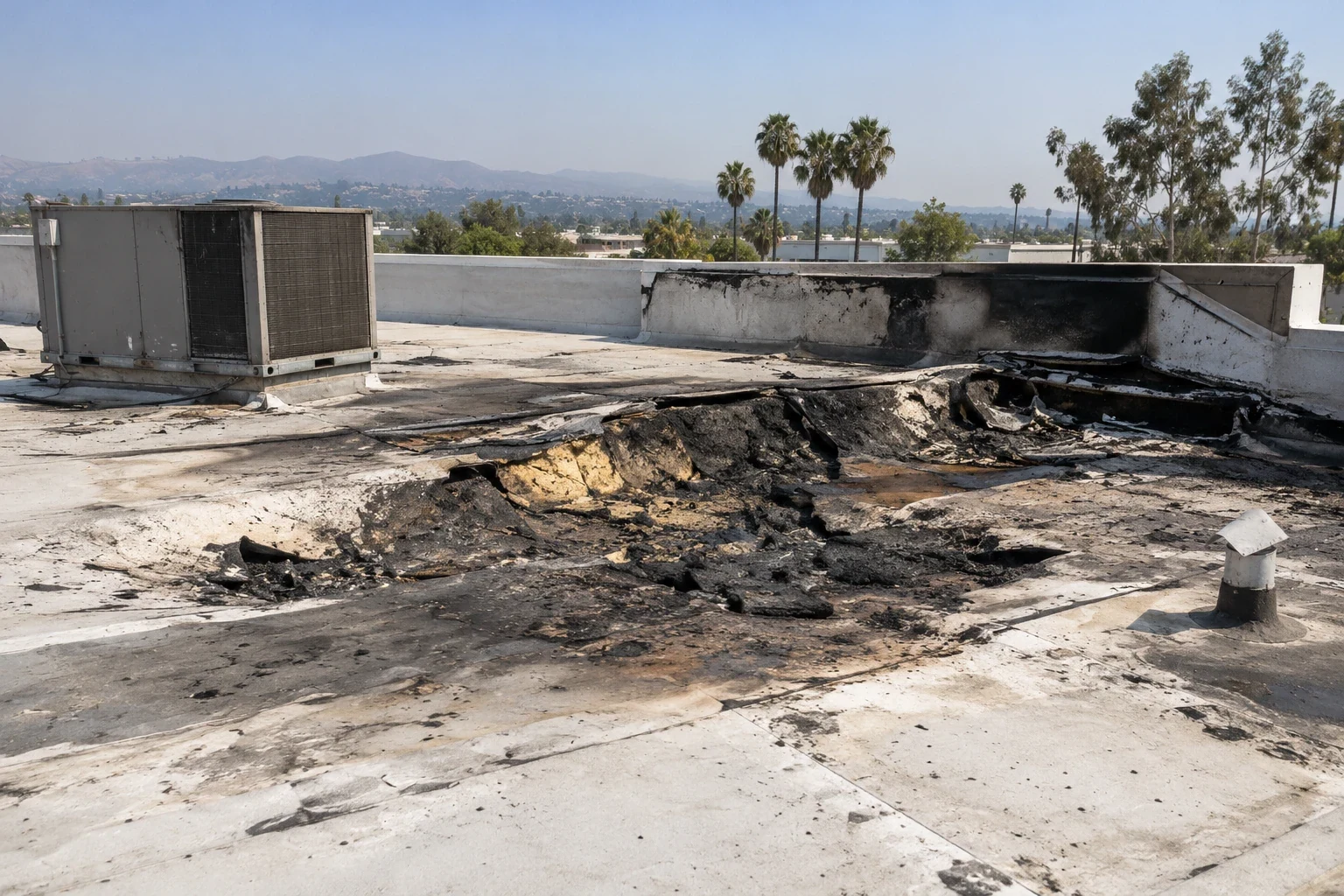
We look at accessible covering, flashing and components for observed heat or impact concerns, visible openings and relevant residue. The findings need locations and photographs where permitted. Surface appearance guides the next question, rather than establish the full concealed extent.
A roof inspection records accessible observations and areas not examined. Suspected concealed damage may need authorized openings or another qualified review. The scope should identify the purpose and suitable closure of each examination.
Keep the reported event and current finding distinct. A fire in the region does not establish that an individual roof was damaged. The actual evidence determines the roofing correction and any additional assessment required.
Identify the material and its location before selecting cleaning. The method must suit the roof and any relevant handling requirements. Hazardous-material questions require qualified parties. Ordinary roof cleaning should not be assumed appropriate for every residue.
Drains and scuppers need examination where debris or residue affects the accessible opening. Suitable removal and disposal can address an obstruction. Concealed piping or another drainage concern may require other trades.
Record what was cleaned and what remains. If surfacing is damaged or material cannot be safely handled within the roofing task, identify the next review. The owner needs a clear distinction between cleaning, damage assessment and construction.
Visible damage helps locate examination, while underlying condition may need more evidence. Authorized samples show materials at selected locations. The findings should state their limits and the reason for a proposed removal or reconstruction area.
Commercial roof repair should identify compatible materials and detail restoration. Damaged substrate or structural concerns need their relevant qualified assessment. The roofing scope should not extend a surface observation into an unsupported conclusion about the entire building.
Where a wider option is justified, replacement needs a complete removal and reconstruction scope. Explain the evidence and project requirements supporting that choice. The owner can then compare defined work rather than select from an unlocated damage description.
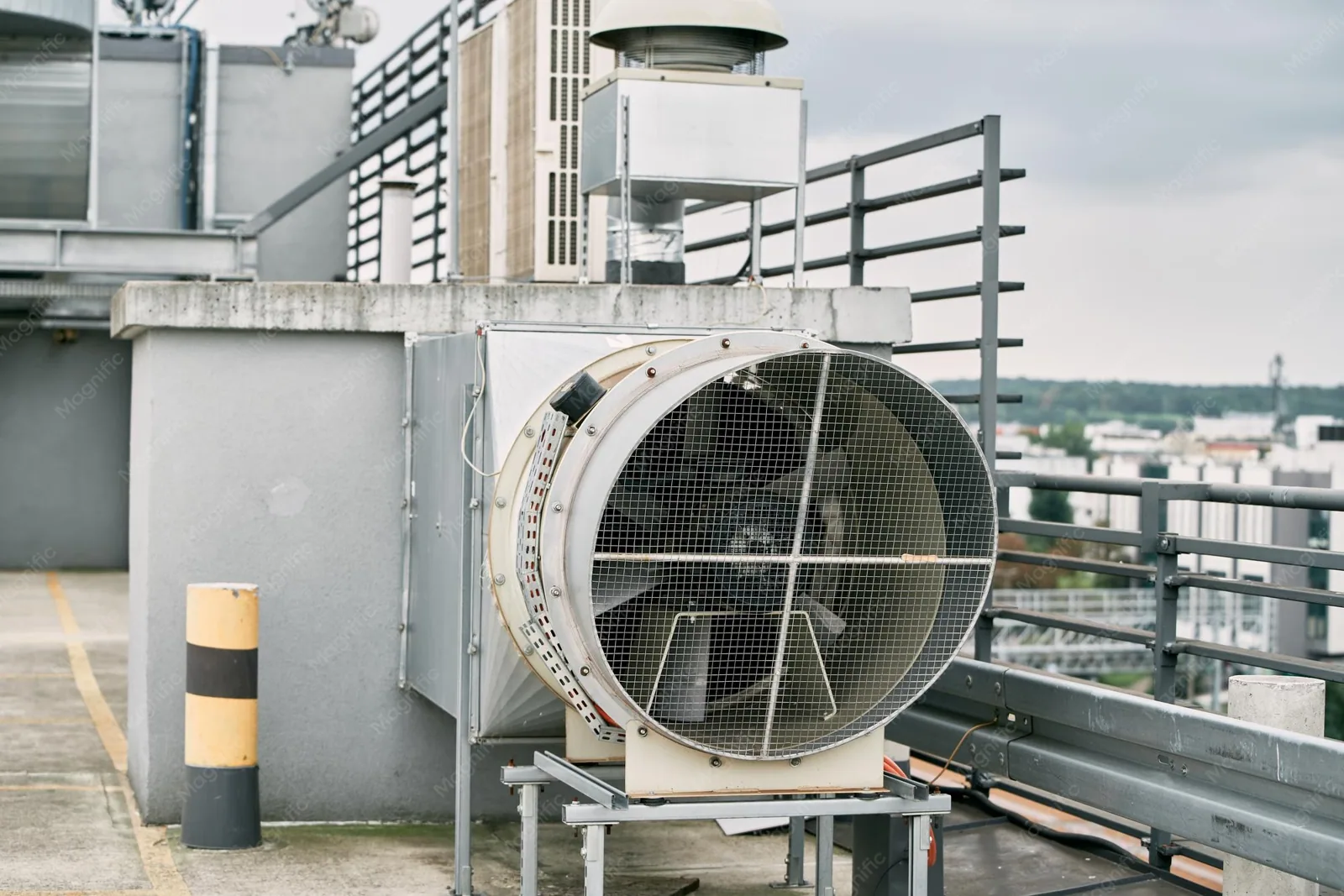
Equipment components may need their own fire-related assessment. Qualified mechanical, electrical and structural parties handle those decisions. The roof team identifies surrounding material and the interfaces to be restored.
Equipment curbs and supports can require access or removal coordinated with the operator. Any necessary HVAC or intake control belongs in a planned window. Fire systems remain under their responsible qualified management.
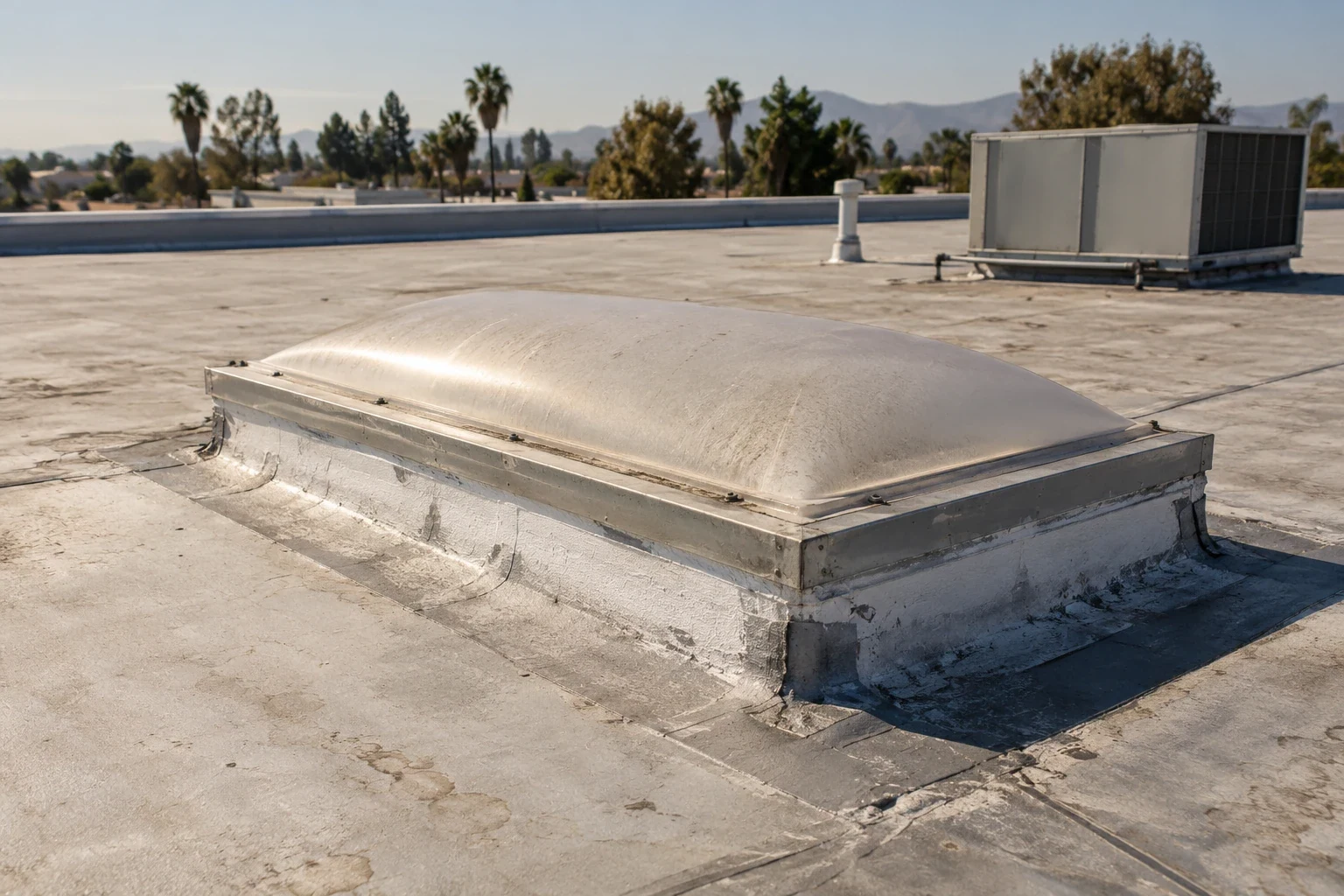
Flashing work should fit the accepted component and roofing assembly. The sequence needs clear handoffs and relevant checks. A completed equipment task does not alone establish that every roof connection has been restored.
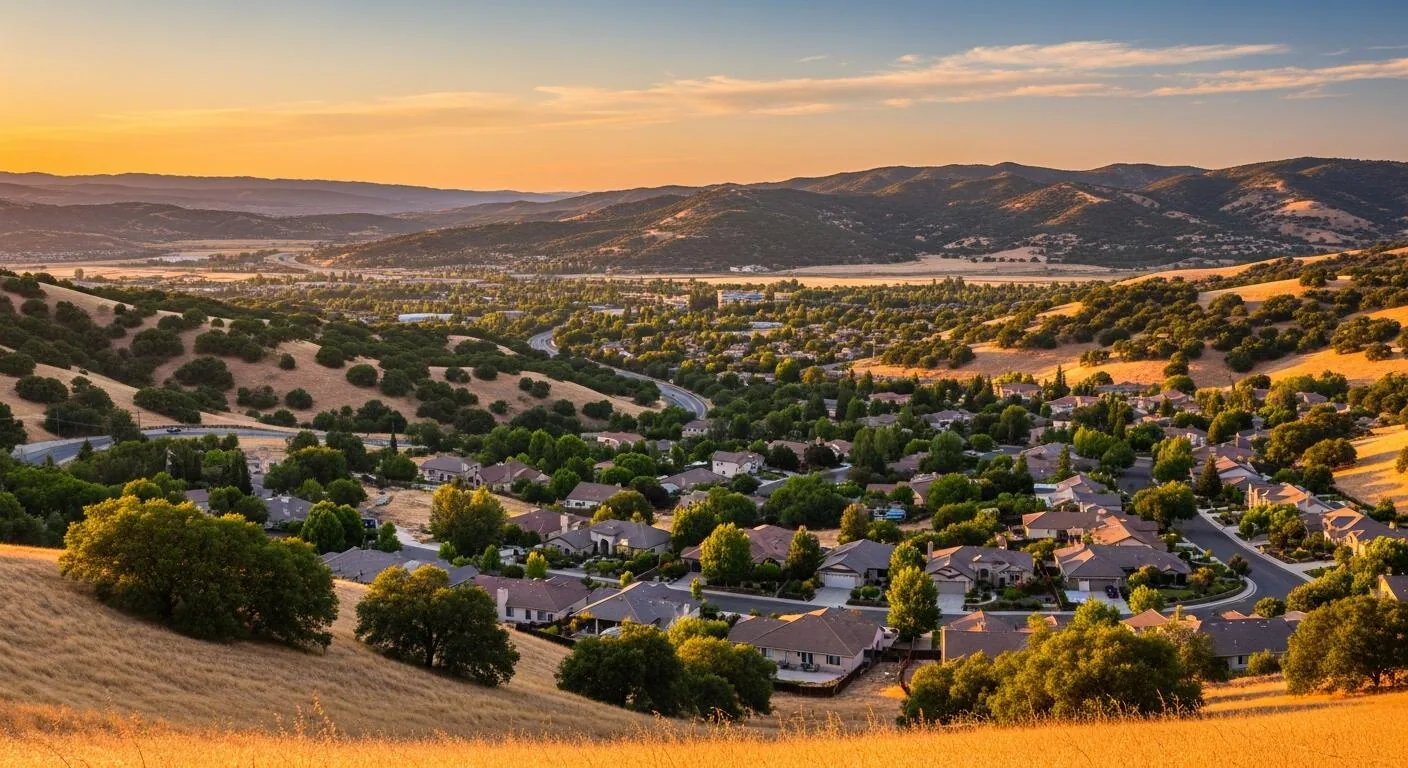
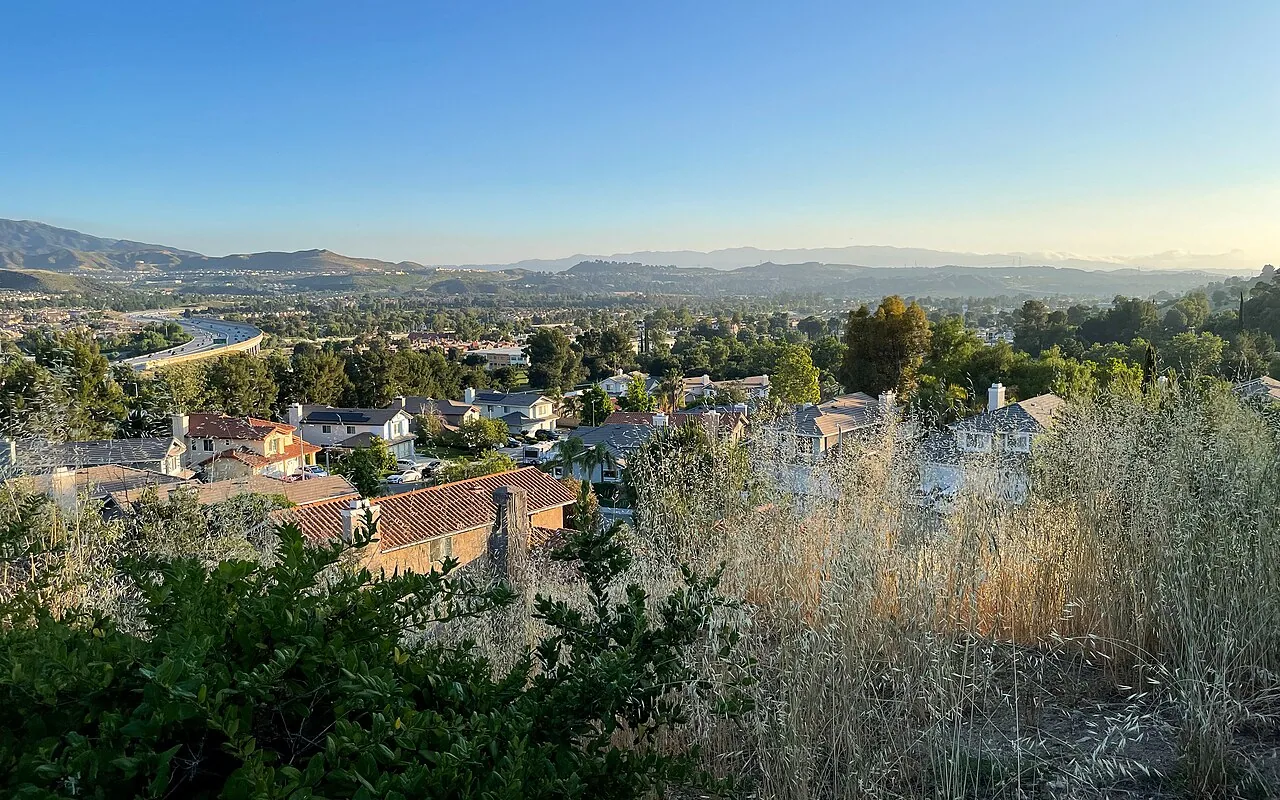
Keep the access contacts and roof file available when a nearby fire changes site conditions. Castaic Lake was the starting area for January 2025’s Hughes Fire. Canyon Country experienced the Tick Fire during October 2019. Current property findings establish the task after an actual exposure.
At Castaic properties, confirm the authorized representative and any present access directions. The assessment plan should identify restricted areas. Keep those limits with the report so another reviewer knows what remains unexamined.
For Canyon Country buildings, earlier condition photographs can help compare a reported change. Use the actual roof layout and materials to define the inquiry. Regional acreage or evacuation history does not establish a roof repair quantity.
Permanent construction needs applicable requirements reviewed for the actual scope and authority. Santa Clarita publishes current codes and local amendments. Confirm submission basis, fire classification and relevant property requirements. Wildland-urban interface provisions need actual applicability and exceptions considered.
Energy and structural interfaces may also affect the reconstruction. Keep accepted details and relevant design reviews within the project file. A finish or board rating alone does not establish the performance classification of the complete roof.
Claim documentation assistance organizes roofing evidence and proposed work. The carrier determines coverage, and the owner approves construction. Observations should remain distinct from cause conclusions still under investigation.
Warranty procedures need the actual documents. Identify manufacturer acceptance and required checks before altering the assembly. Retain approved changes and installed-material records with completion photographs.
If opening the roof reveals a wider concern, document the location and proposed correction. The agreed authorization route governs added work. Another reviewer should be able to understand why the final scope changed.
Assign remaining items to a contact and next action. The roof file should distinguish completed cleaning, repair and additional assessment. Provide relevant records to maintenance teams so later service work can use the accepted detail information.
Keep the original observation and final repair images together. Those references help a future manager understand what was found at the building and which construction was authorized. The record remains useful after the immediate event response has ended.
Confirm who receives the final documents. A located roofing record with its scope and limits attached helps the owner coordinate the next trade review without relying on separate verbal accounts.
Identify the flashing junctions and field seams included in permanent reconstruction. Retained support and receiving material need their accepted assessment first. Keep the roof connection sequence with the wider restoration plan so each trade can recognize the point that releases its work.
A fire-related roof review should distinguish visible surface damage from conditions that need assessment by other qualified project professionals. Record affected areas, smoke or heat observations, water exposure from response activity and any access limits, without treating appearance alone as a structural conclusion. Coordinate entry and stabilization with the authorized property contact. If removal is proposed, define the inspection point and how newly exposed materials will be documented before replacement scope grows. Keep emergency measures, permanent roof work and separate building-system reviews visible as different tasks in the owner’s record.
The relevant authorities and qualified parties establish access and hazard clearances. Roofing assessment follows that authorized plan and records its examination limits.
Identify the material and relevant handling requirements. Qualified parties address hazardous-material questions, and the selected cleaning method must suit the roof.
Current findings and relevant investigation establish the boundary. Samples provide evidence at selected locations, with remaining concealed questions clearly identified.
Responsible qualified trades assess their components. The roofing scope coordinates access and restores the interfaces around the accepted arrangement.
Separate observations from conclusions still needing evidence. The carrier reviews policy coverage, while the owner authorizes construction.
Call Commercial Roofing Santa Clarita with the exposure report and site contact. We will examine accessible roofing concerns and identify the repair and qualified review interfaces.
Pages that connect with Fire Damage Roof Repair for Santa Clarita Valley buildings.
Notifications