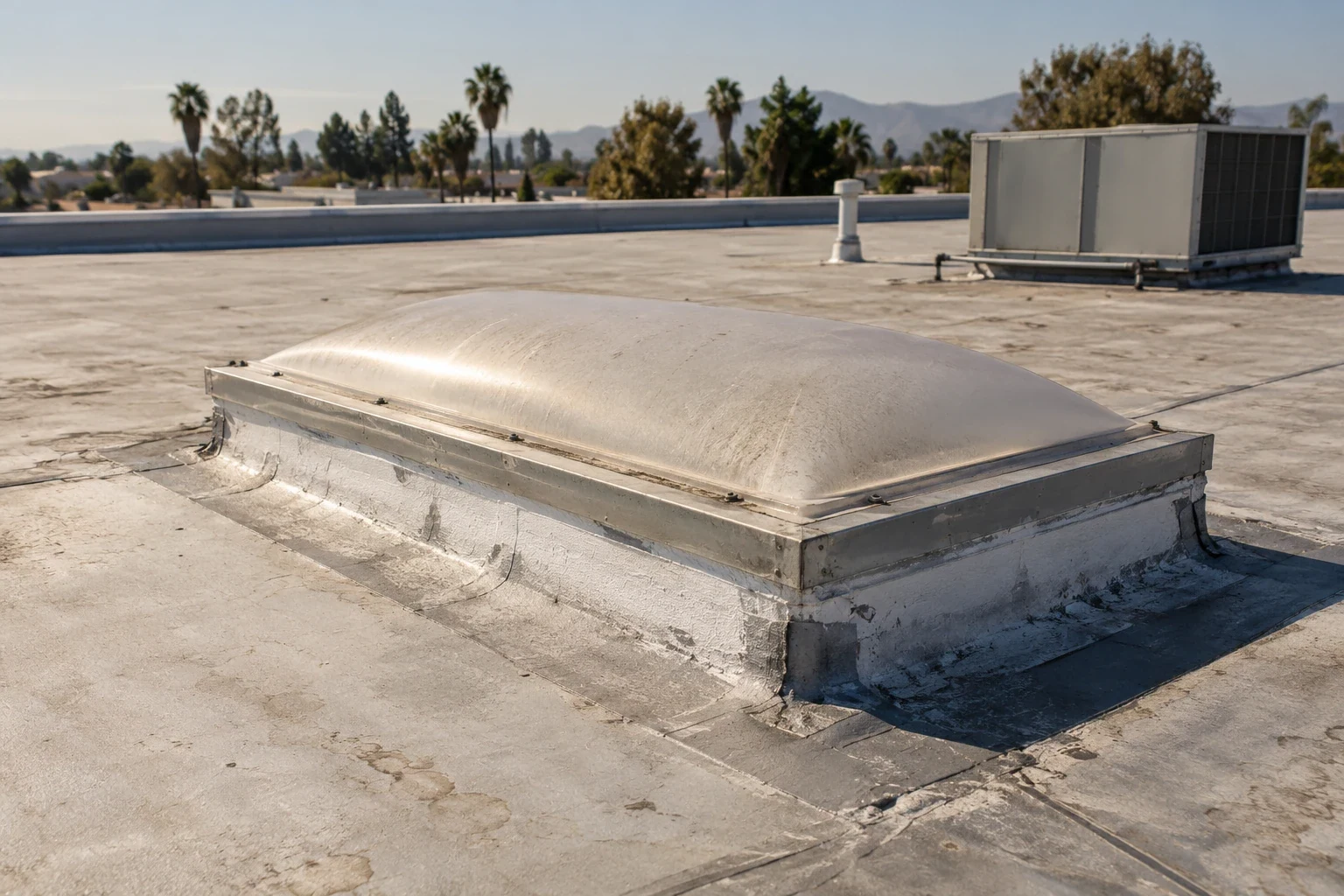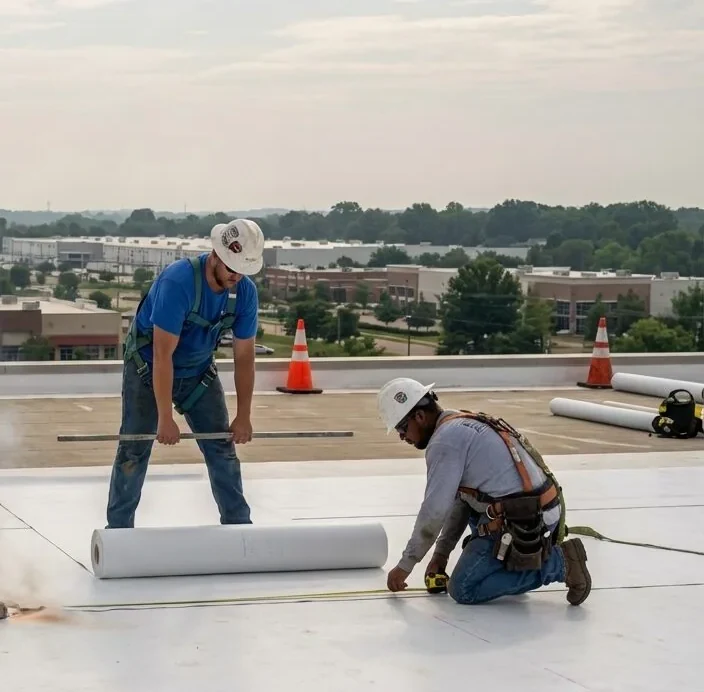

Solar equipment can make a roof harder to reach for the next repair. Before panels are planned, establish the condition of the roofing beneath the proposed layout. Santa Clarita, CA has hot summers and cooler-season rain. The useful owner question is how the roof and equipment plans will work together over time.
Commercial Roofing Santa Clarita assesses the roofing side of solar preparation. We identify current findings, proposed roof work and interfaces requiring coordination. The solar designer, structural and electrical parties handle their qualified decisions. A complete plan gives each responsibility a clear place.
Bring the proposed array layout and existing roof records. Tell us about reported leaks, recent repairs and equipment changes. We use that information with the field examination to recommend roofing work before access becomes more complicated.
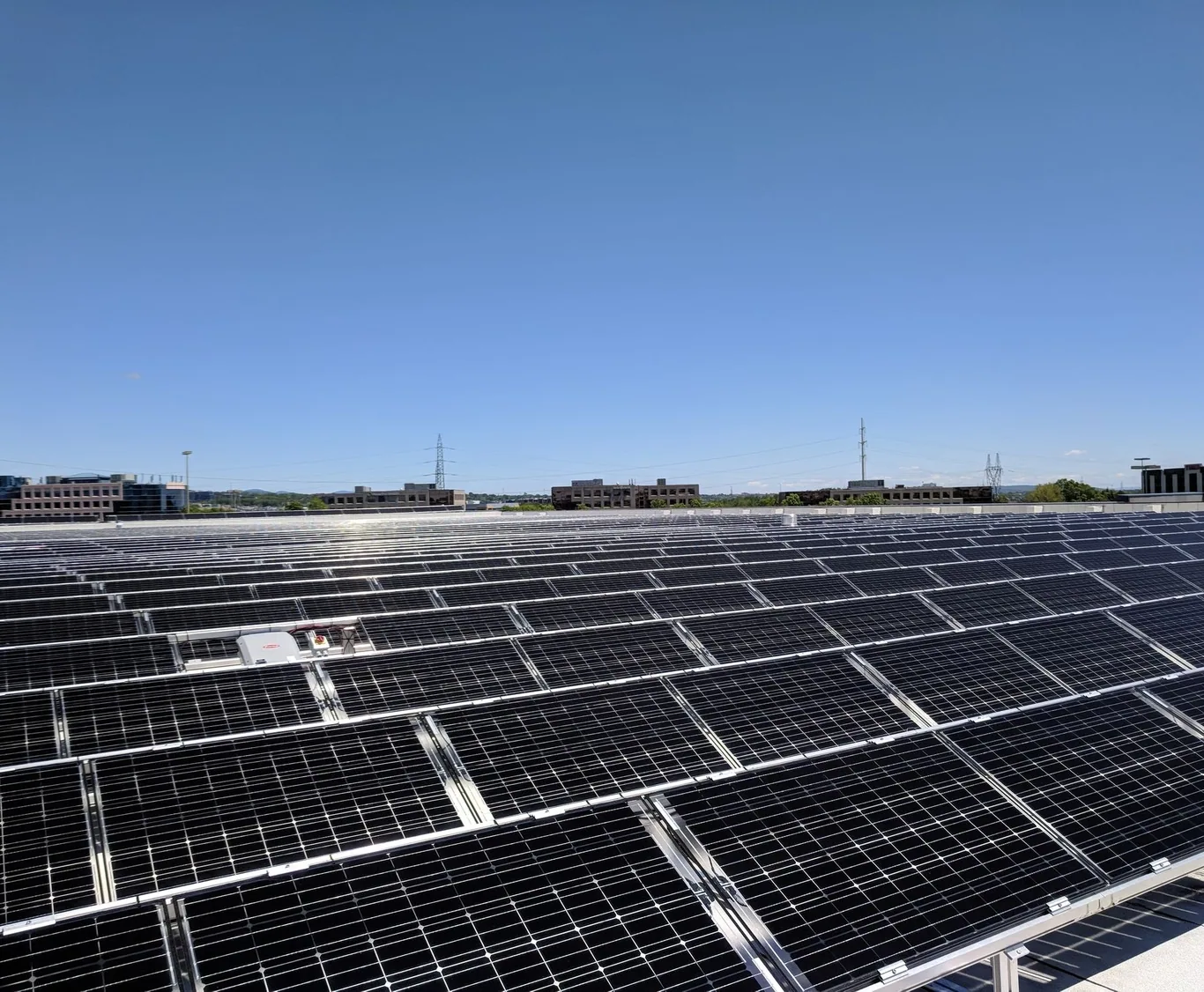
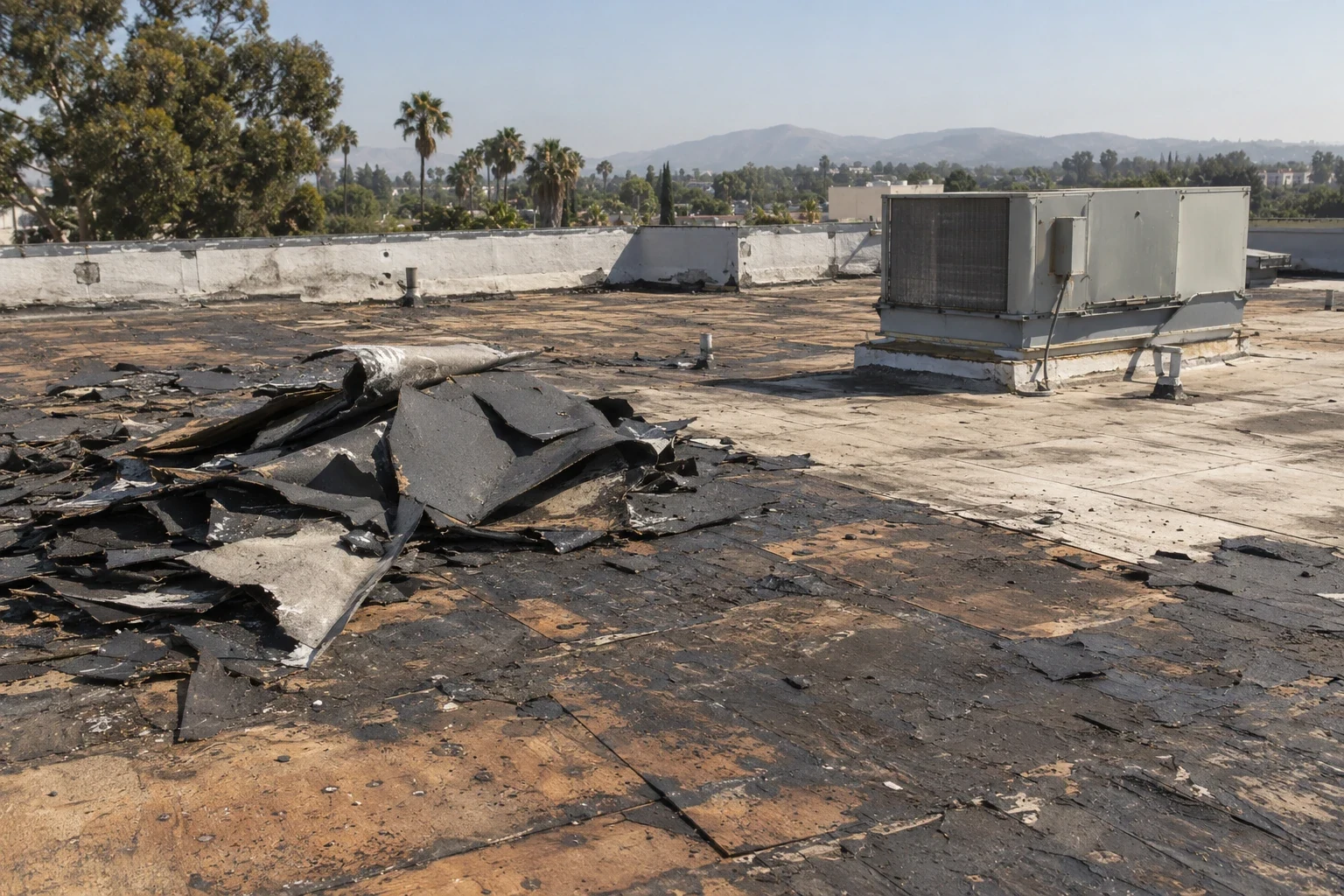
The accessible membrane, details, outlets and perimeter deserve examination. We identify defects and relevant concealed questions. Existing drawings can help, but they do not establish the condition of every layer currently in place. The record should distinguish observation from assumption.
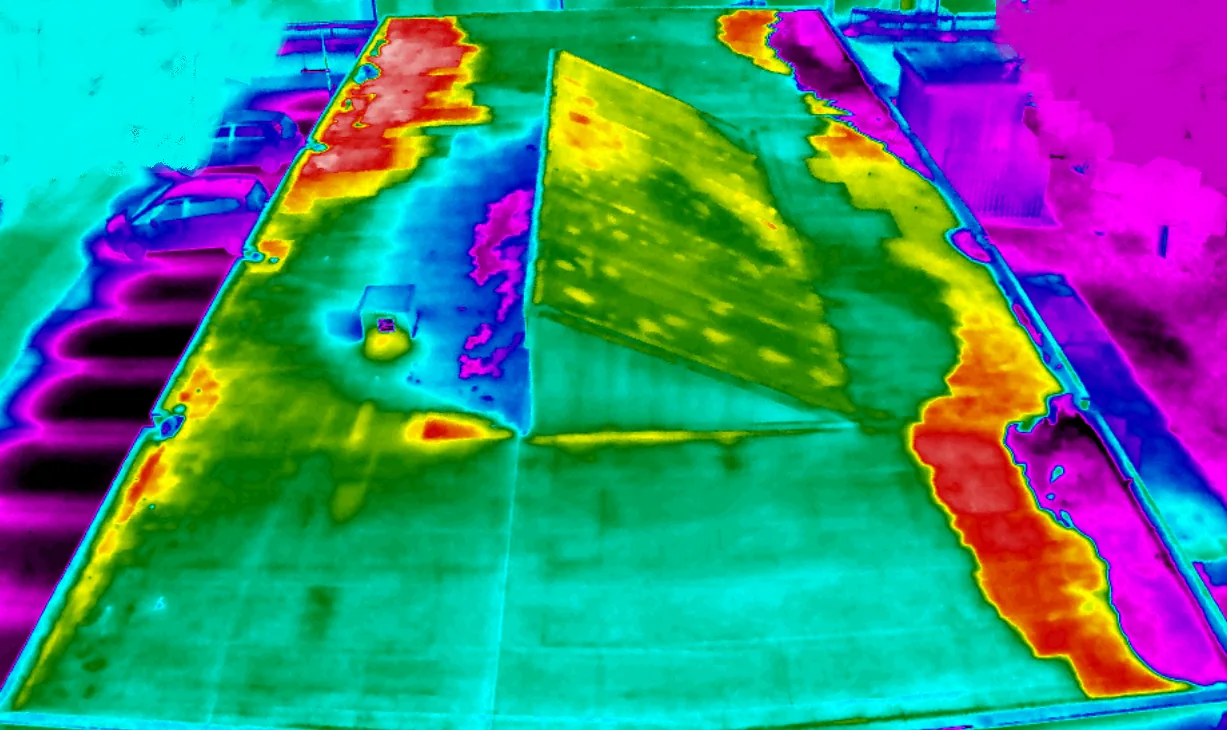
A commercial roof inspection locates the findings. Where moisture concerns need investigation, an infrared survey may guide examination on a suitable assembly. Relevant confirmation supports the interpretation of thermal patterns.
The owner should understand which findings need repair, further assessment or a wider scope. A stated roof age alone cannot establish whether it is ready for solar. The recommendation should explain the condition and construction question that drives the next decision.
The condition, suitable repair options and proposed installation affect that comparison. Localized work may be practical. A wider roofing project may also deserve consideration where findings support it. We explain the evidence so the decision is tied to the building.
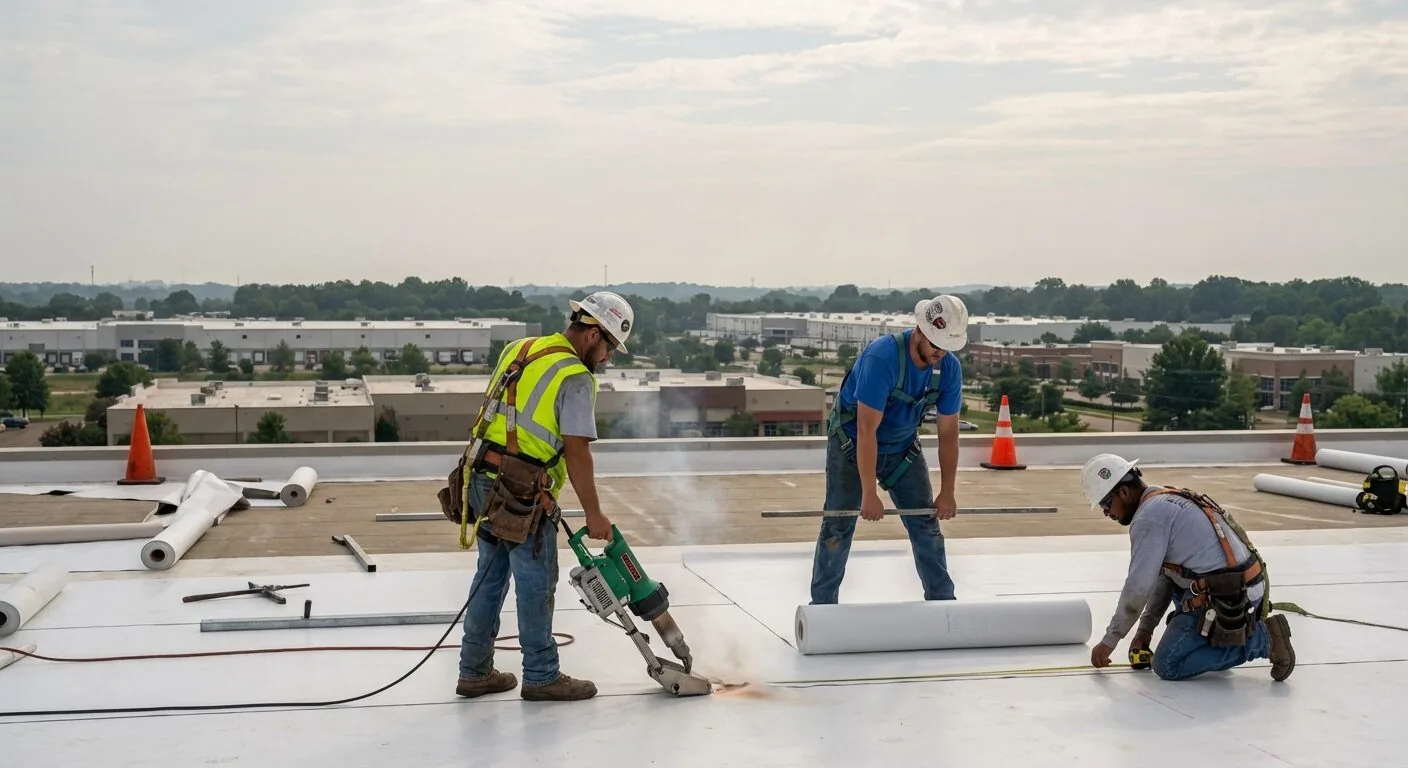
Planned roof repair can address approved details before equipment installation. If replacement is warranted, the scope should account for the proposed solar interfaces. Comparing those tasks early helps the owner understand what would otherwise remain below the array.
Future removal and reinstallation may affect a later roof project. The solar and roofing parties should explain that work and its assumptions. A projected cost is useful when its basis is clear, rather than treated as a fixed outcome for every building.
The proposed equipment and support arrangement need qualified structural review where required. Roof deck and framing information contribute to that assessment. A visual roofing visit does not establish capacity or approve the array attachment.
We document roofing conditions and coordinate any access needed for the relevant examination. Rooftop support interfaces require clear trade responsibilities. The selected mounting method should identify how it connects with or rests above the roof assembly.
Penetrations, ballast or other support approaches have different roofing implications. The approved layout and attachment details should be available before the roof scope is finalized. The owner can then see which work belongs to roofing and which decisions require the solar or structural team.
Any new opening needs a suitable roof detail. We identify the membrane and review the proposed component. Compatible materials and approved construction methods should be established before installation. A generic sealant application does not describe a complete flashing scope.
Penetration flashing addresses the roof interface around those components. The sequence should identify who makes the opening, who installs equipment parts and who completes the roofing detail. Record required checks and handoffs.
Changes to the layout can change the roofing work. Retain the revised drawing and authorization with the final scope. If newly exposed conditions require another correction, document the finding so the owner understands the reason for the added task.
Outlets and relevant roof details need access for inspection and service. The actual array layout should account for those locations and the responsible maintenance routes. The solar design also needs its applicable access and safety review by qualified parties.
Roof drains and scuppers should be located before the layout is treated as final. A proposed panel arrangement must not leave a drainage concern unmanaged. Water paths and future inspection needs belong in the coordination plan.
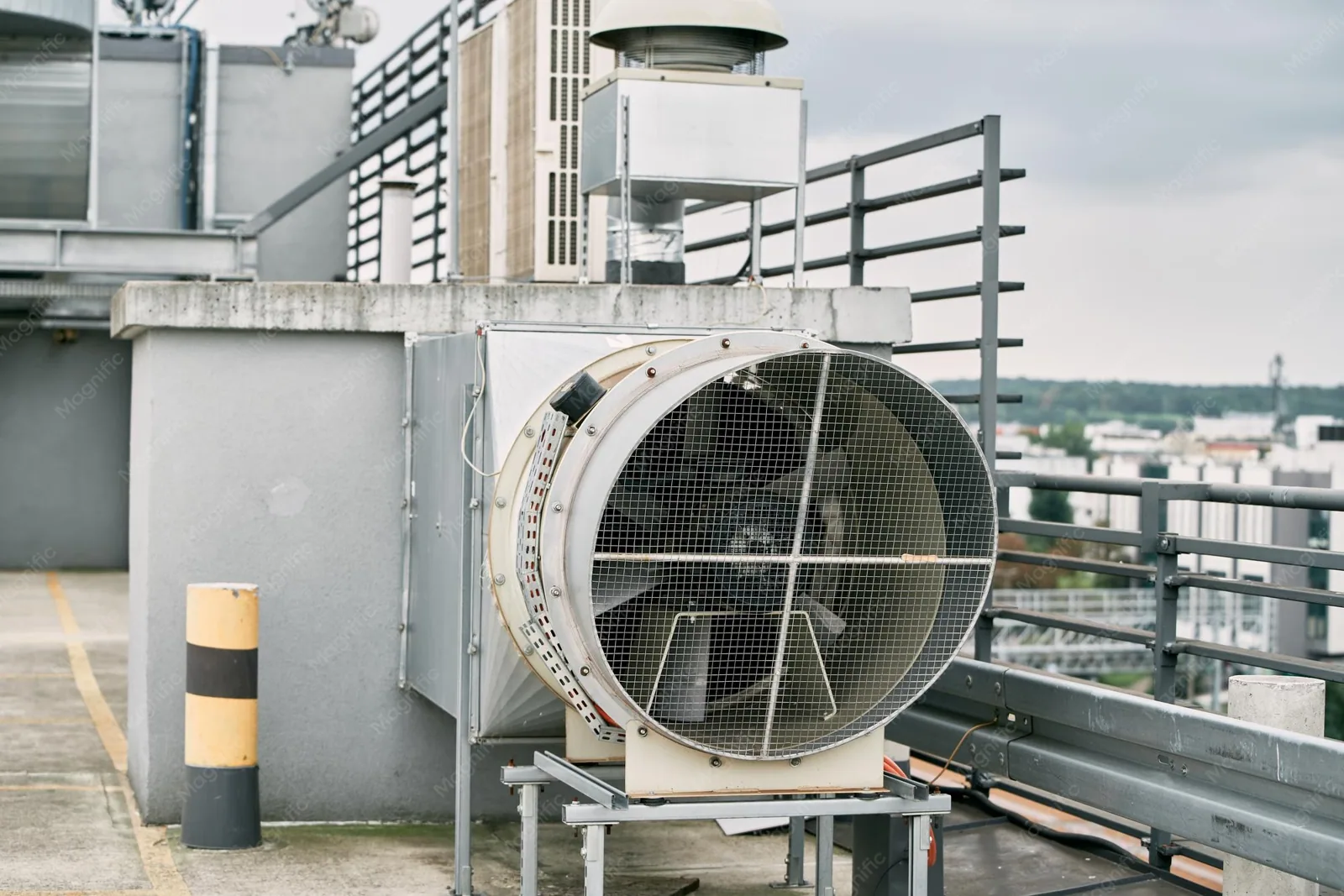
The owner should identify rooftop equipment that will still need service. Roof and equipment maintenance may involve different teams. Shared drawings and a named contact help those teams understand how to reach the work without altering roofing details casually.
Scope, jurisdiction and submission details establish the project requirements. Santa Clarita identifies current California codes and local amendments for applicable projects. The solar alteration and any roofing work need their complete review, including relevant energy, fire and other requirements.
Roof warranty terms depend on the documents. Equipment installation may require manufacturer review or specific procedures. We identify the roofing requirements and coordinate them with the owner before alterations. Do not assume an array leaves existing coverage unchanged without that review.
Keep approvals with the accepted layout and roof scope. The record should identify installed materials, completed roofing checks and any unresolved item. This gives a later manager a clear reference when repair or equipment changes are proposed.
Give each pending review a responsible contact and record its status. That helps the owner see whether the roofing details, equipment information or another approval remains outstanding. The installation sequence can then be finalized using the accepted scope, with the relevant documents available to the crews handling each interface.
At Valencia Industrial Center properties, industrial operations make receiving and equipment contacts important. We coordinate roof access with the operator. The proposed layout should be reviewed against the actual building before staging is organized.
Centre Pointe Business Park has office and industrial uses between Interstate 5 and Route 14. Occupied spaces and delivery routes may influence the construction window. The manager should identify those arrangements early.
Suitable weather and material conditions govern roof work. Summer heat affects planning, but it does not establish a roof defect or a fixed energy result. We keep the preparation focused on the examined assembly and the coordinated project.
Preparing a roof for possible solar equipment does not establish that a future array is designed or approved. Review the roof’s condition and expected service needs alongside the proposed attachment locations, penetrations, access paths and drainage. A qualified design team should evaluate structural loads and electrical work before equipment support changes are specified. Coordinate roof repairs and membrane details with the solar installer so responsibilities at each penetration are clear. Record which provisions are actually included, what remains for a later design and how future installation could affect the roof warranty or maintenance obligations.
Review accessible conditions and relevant concealed questions for the proposed project. Those checks should happen before equipment makes later access more difficult.
The responsible solar and structural review establishes the applicable arrangement. We coordinate its roofing interfaces and document roof work within that accepted scope.
The actual documents and required reviews determine that. Manufacturer acceptance and alteration procedures should be resolved before the equipment work proceeds.
Review the roofing implications before installing the revision. Keep the changed drawing, required approvals and resulting roof tasks with the project record.
Retain outlet locations, equipment routes and roofing details with the array records. The operator should identify responsible contacts for inspection and later alterations.
Call Commercial Roofing Santa Clarita with the proposed layout and roof records. We will assess the roofing condition and coordinate the interfaces needed for preparation.
Pages that connect with Solar-Ready Roofing for Santa Clarita Valley buildings.
Notifications