
A school roof schedule needs more than an empty date on the calendar. The district must confirm campus activity, access and the approval route for the actual project. Santa Clarita, CA has hot summers and cooler-season rain. Planning early gives the team time to examine the roof and organize suitable work.
Commercial Roofing Santa Clarita records school roof findings and explains the construction they support. The district receives located observations, pending examination questions and the qualified reviews needed for its proposed scope. The district should see what is proposed and which decisions remain open before crews are scheduled.
Bring roof plans, earlier repairs and reported water locations. Tell us who authorizes roof and interior access. We use that information with the field examination, then explain the materials and details supporting the recommendation.
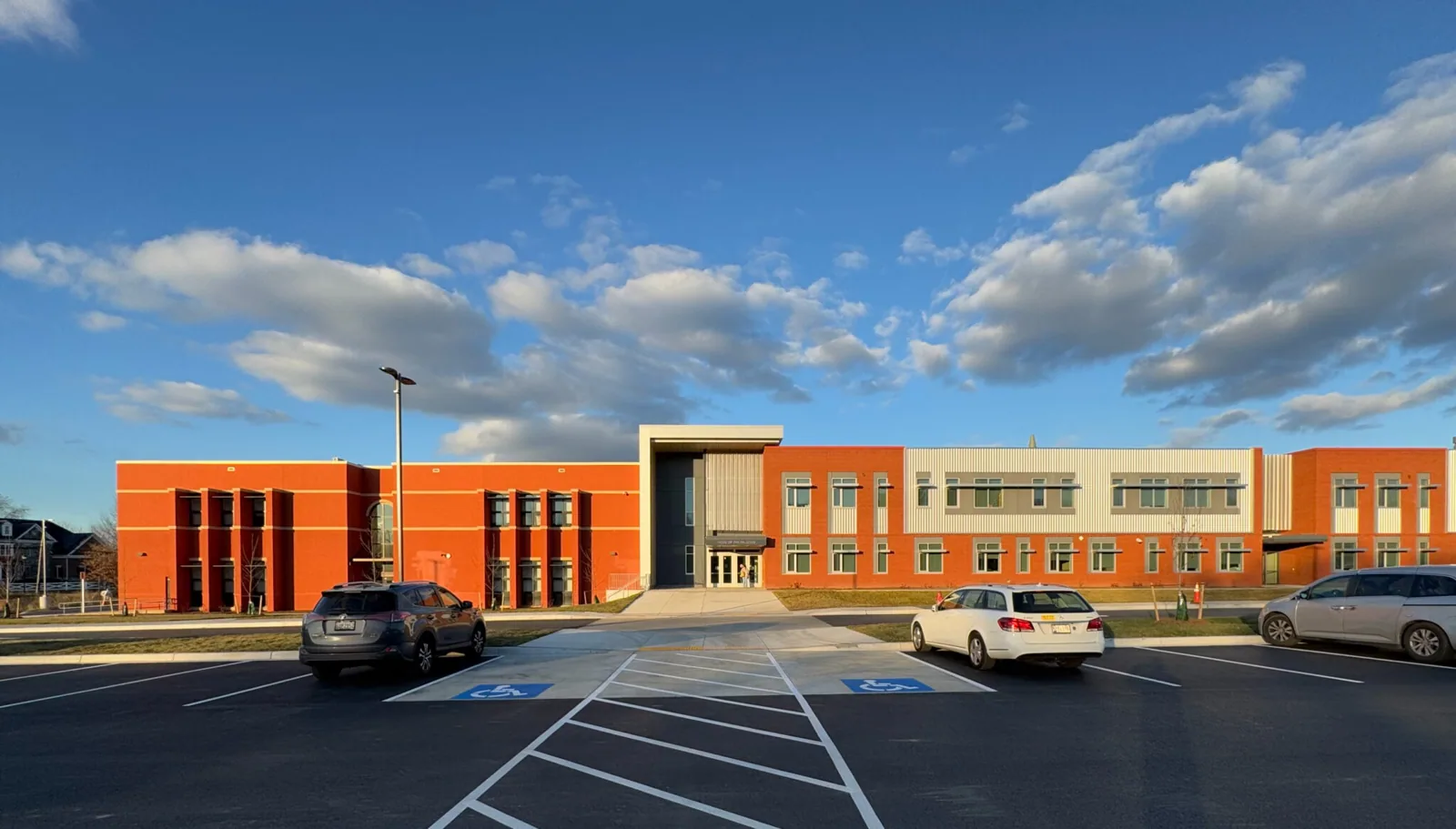
Identify scheduled classes, programs and other activity near the proposed work. A school holiday may still include staff or community use. The actual operator supplies the restrictions and receiving arrangements. The roofing plan should use those confirmed instructions.
Use named contacts for access and construction authorization. Another team may handle equipment or fire-system requirements. We identify those interfaces before the visit so the task can be coordinated without relying on an informal assumption about an empty campus.
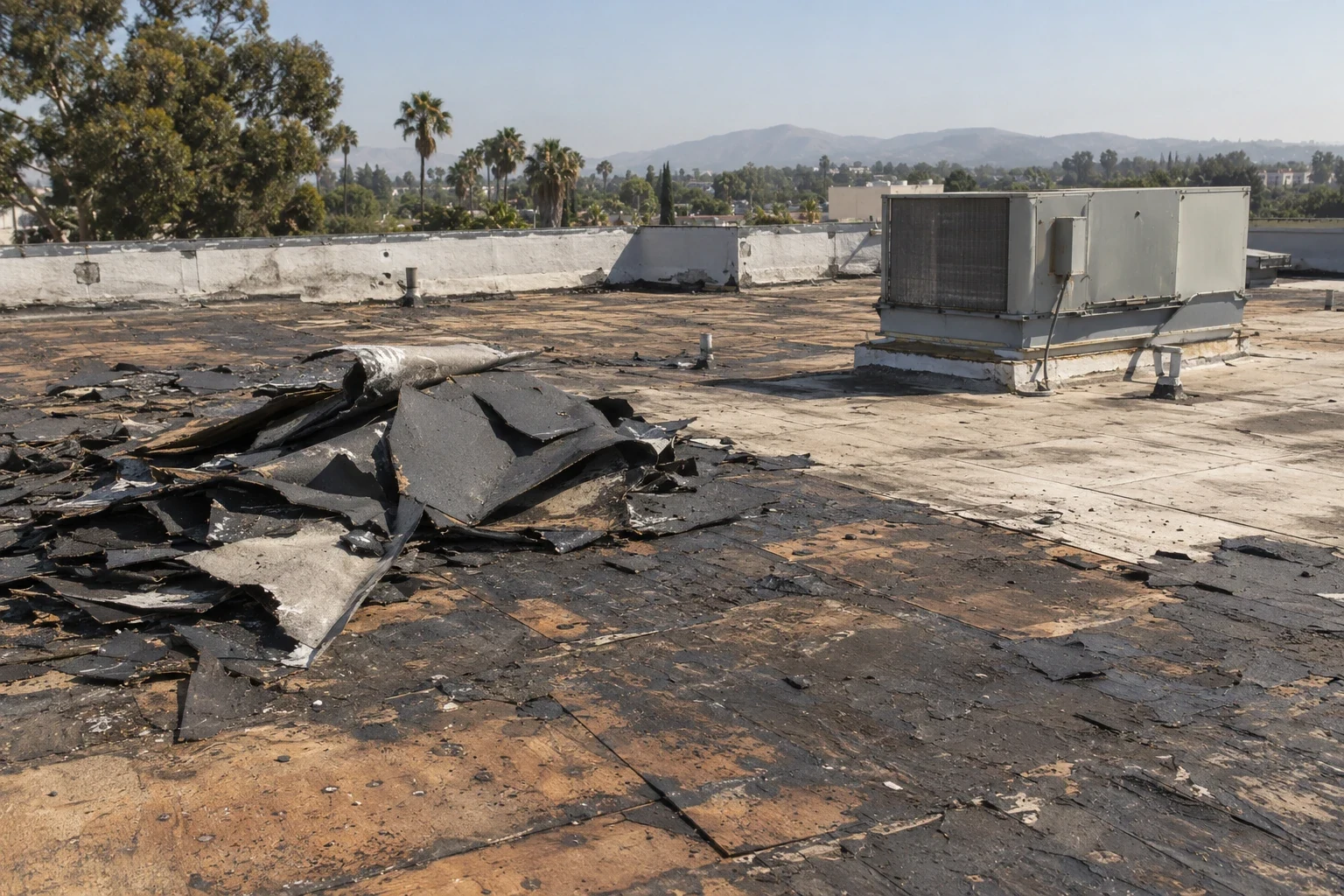
Occupied-building roof work develops the work-area sequence where activity continues. The roof layout and actual assembly determine removal and reconstruction. The district can then review operating arrangements against a located construction plan.
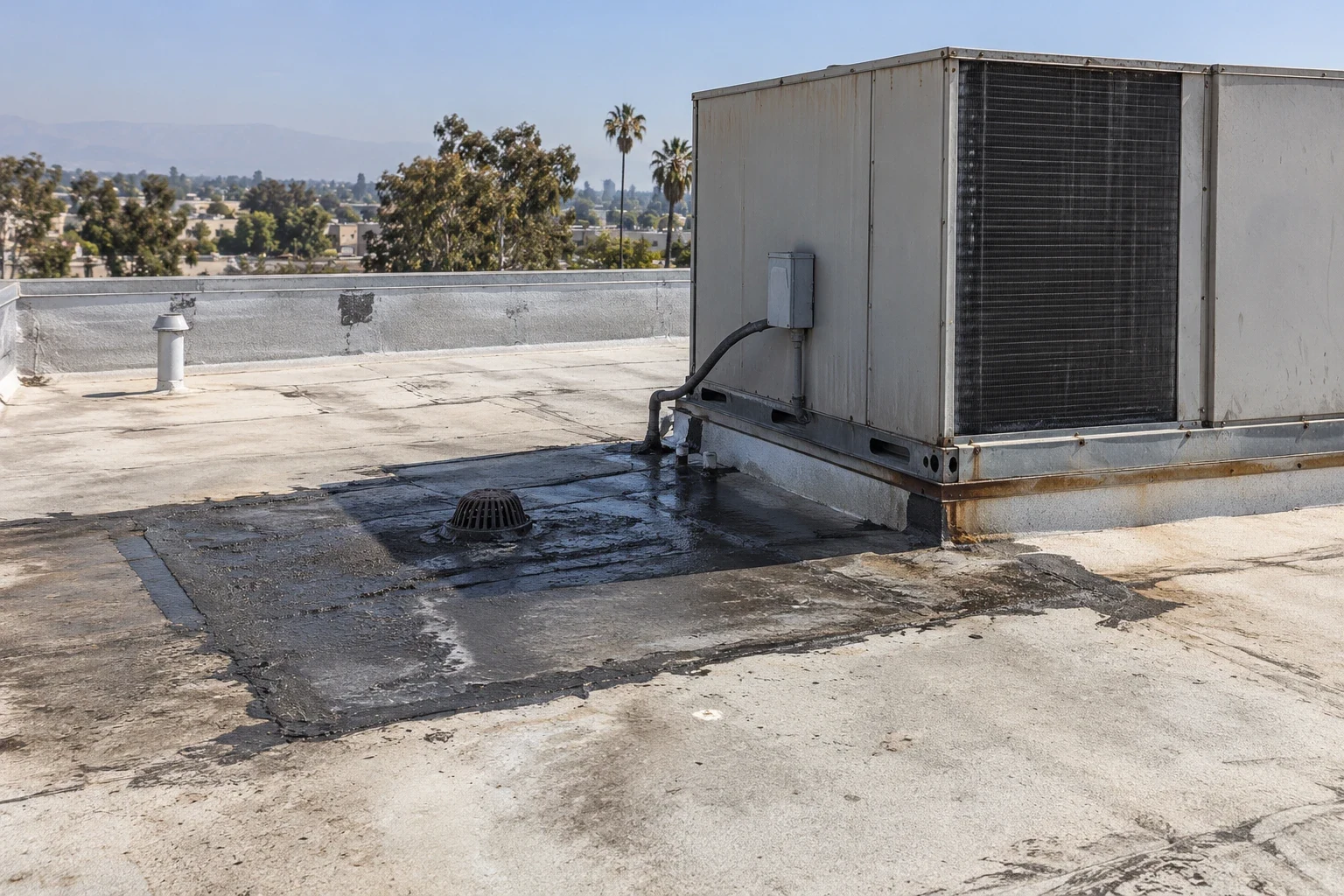
Locate accessible findings by building and roof area. Photographs need a description and reference that another district employee can use. The report should distinguish current observations from information carried forward from old drawings or invoices.
A roof inspection establishes the accessible baseline. Concealed concerns may need authorized samples or other suitable investigation. The task should answer a defined assembly question and record its limits.
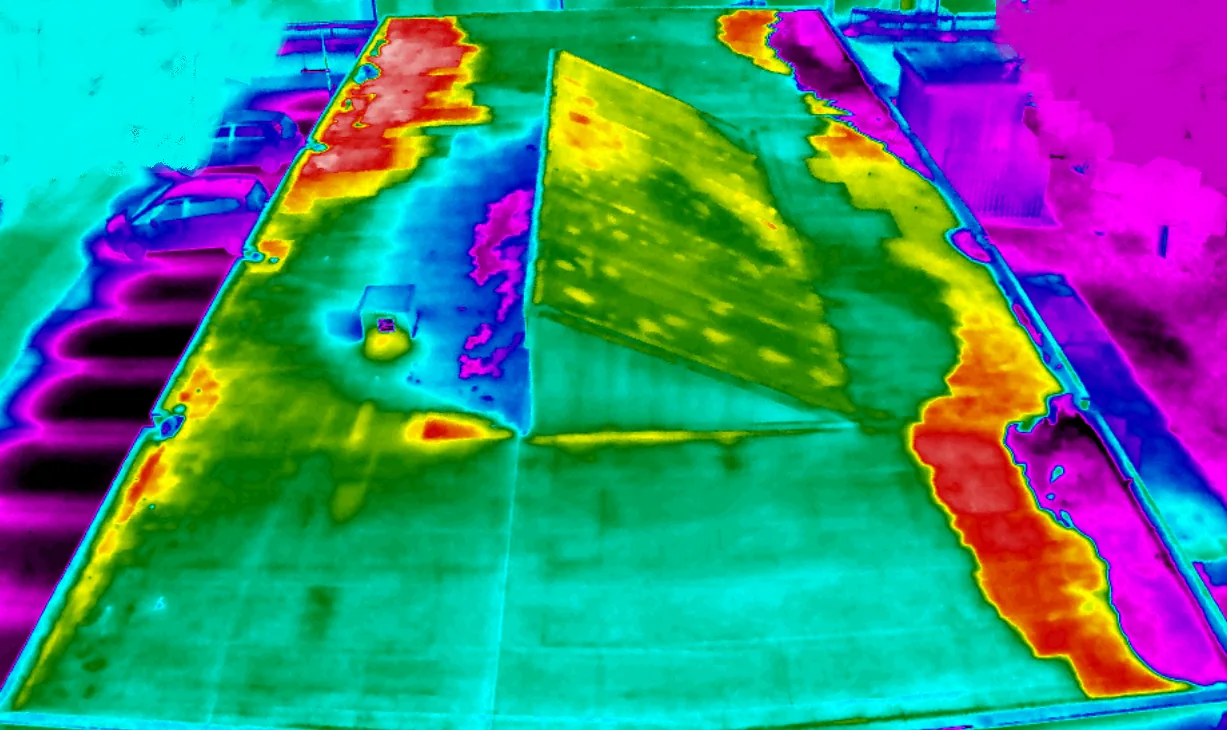
An infrared survey may guide examination on a suitable roof. Thermal patterns require interpretation and relevant confirmation. The condition found at selected samples contributes to the assessment without examining every concealed square foot.
Record the room, symptom and timing. Safe, authorized photographs can help. Earlier repairs and recent equipment changes are useful background. They guide examination rather than settle the source of a new drip.
Leak investigation uses the room reference and roof geometry to select the examination area. Where another check is useful, we explain the proposed method and obtain the relevant approval. Its method must account for the assembly and campus controls.
Interior or equipment concerns may need another qualified party. The roofing record should identify that interface. The district receives the supported roof findings and the next action for any question outside the examination.
Start with complete scope and evidence. A localized defect may suit compatible repair. Wider deterioration or project requirements may justify another construction option. Roof age or the number of earlier patches does not establish the answer alone.
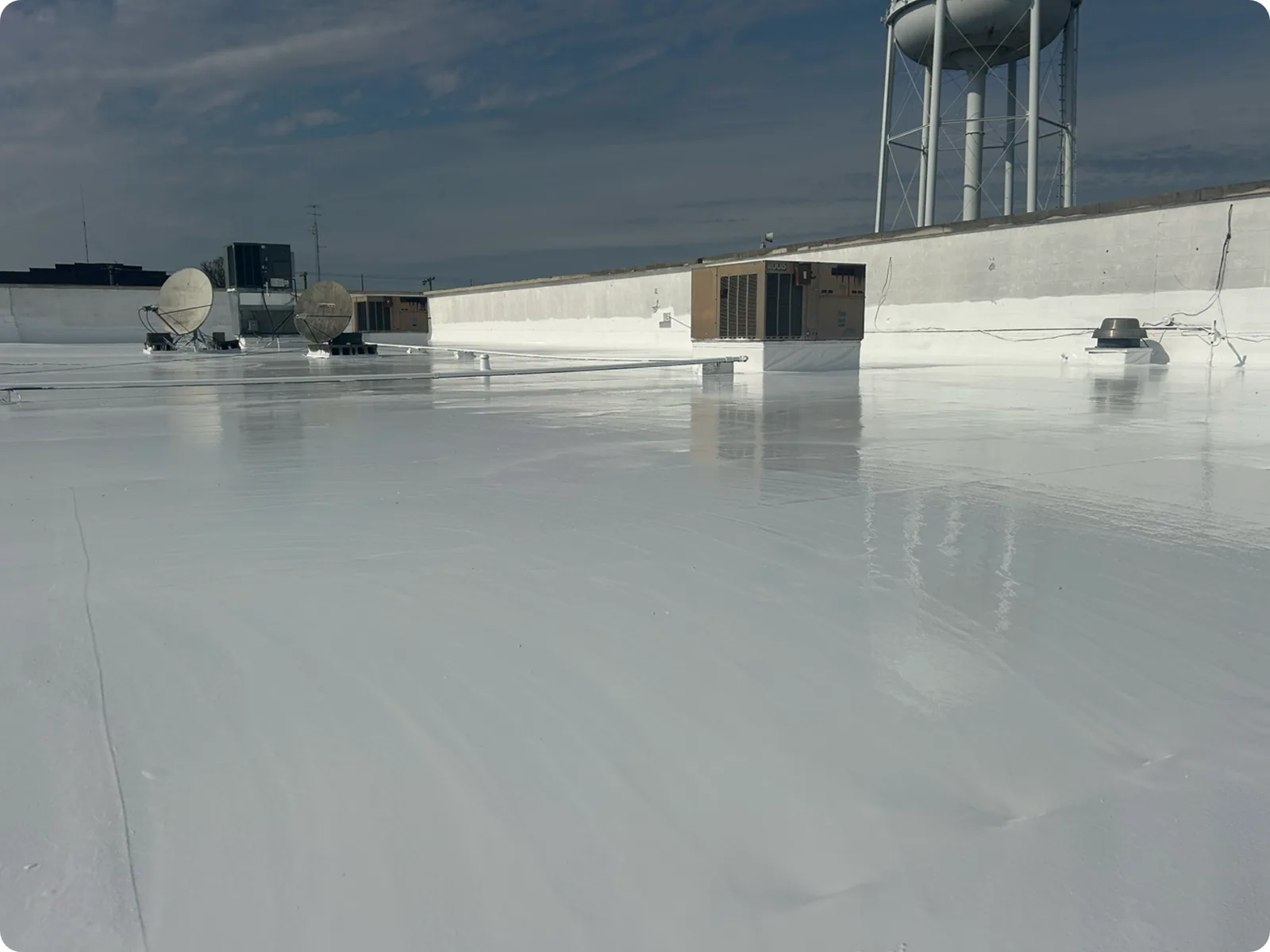
Recover requires full eligibility review for retained materials, attachment, structure, drainage and applicable covering limits. Replacement needs a defined removal and reconstruction scope where justified.
The estimate should identify layers, details and access assumptions. If the options involve different quantities or operating work, make that distinction clear. The district can then compare what each proposal accomplishes instead of comparing totals for different jobs.
The district and responsible design parties establish the actual review process. School projects may involve authorities and procedures beyond a nearby city building page. Confirm the applicable basis for the facility and proposed scope before assigning requirements.
The complete assembly needs relevant fire, energy and structural review. Manufacturer acceptance and inspection procedures should be identified within the project documents. Product color or a board rating does not establish the performance classification of the whole roof.
Keep accepted details current. If a material or quantity changes, obtain the required review and record authorization. The installation crew should receive the accepted scope, and the completion record should identify the assembly actually installed.
Rooftop units and their supports may involve mechanical, electrical and structural parties. Required controls need a planned operator window. Roofing tasks should fit that arrangement, with a clear handoff for restoration around the equipment.
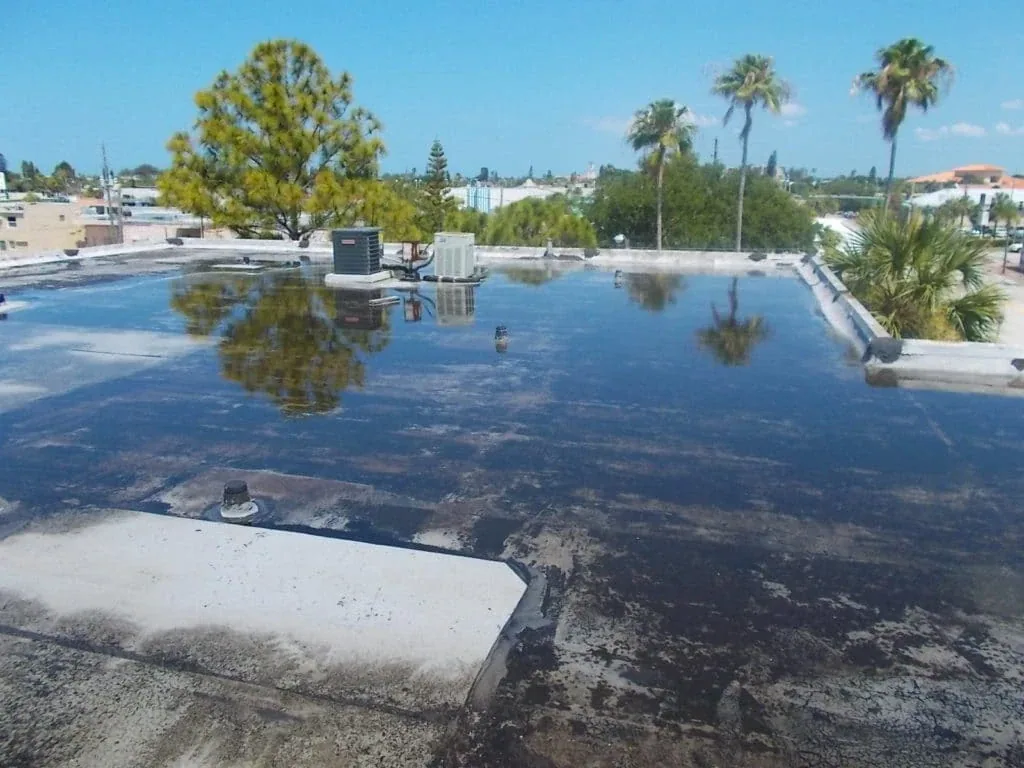
Drains and scuppers need examination with the proposed layer arrangement. Added thickness can affect those interfaces. Outlet or piping changes may require another qualified trade. The scope should explain the complete water path.
Keep penetrations and perimeter details in the same construction discussion. A new field covering can be incomplete if adjoining components remain unresolved. The district should see who handles each interface and which checks support completion.
College of the Canyons has campuses in Valencia and Canyon Country. These locations illustrate why each campus needs its own access and operating contact. The actual facility documents establish the roofing task and requirements.
Santa Clarita’s warm summers and cooler-season rain help frame inspection timing. An earlier review leaves time to resolve pending assembly questions and arrange materials. The selected system and current conditions govern the construction window.
The final file should keep building identifiers, located photographs and accepted scope together. Include approved changes and relevant completed checks. Outstanding items need a responsible contact and next action.
Provide the maintenance team with installed-system and warranty information. Later equipment work should use the accepted roof details. The next district employee can then organize repairs with clearer evidence about the assembly in place.
Track a reported change at the same building and roof area used in the earlier report. That consistent reference helps the team compare conditions over time and identify whether another assessment, repair or capital discussion is now needed.
Keep the agreed campus communication route with the job records. The district should know who receives a changed finding and who can authorize the next task. That makes an unexpected construction question easier to handle within the accepted process.
Retain delivery and receiving instructions with the work plan. When the responsible staff changes, those records help the district organize access without recreating the arrangements from memory before the next roof visit.
Obtain the unfinished roof-interface list from the general contractor. Participating public agencies may require their own acceptance records, so name the facility and approving contact on each item. The campus maintenance file should show which task remains and who can authorize it.
A district-wide roofing plan should distinguish campus schedules, building types and facility contacts rather than treat the school calendar as one universal closure window. Record which roof sections were inspected, what the condition supports and whether an estimate includes verified quantities or planning assumptions. For work planning, ask each campus about student access, events, deliveries and maintenance staff availability. Keep emergency priorities separate from longer-term capital needs, and document who approves a scope change. The district summary can compare needs, while each school’s record preserves its assembly and work constraints.
Confirm actual campus activity and access with the operator. Staff, programs or community use may still affect the proposed work areas.
The district and responsible project team establish the applicable facility and scope requirements. The roofing plan should use that confirmed basis.
Current condition and suitable construction options need assessment. The recommendation explains the materials and details supporting a wider scope.
Record the finding and proposed correction. The agreed authorization and review process governs added quantities and any sequence change.
Keep building identifiers, accepted details and completed checks with located photographs. Relevant system and warranty information supports later service work.
Call Commercial Roofing Santa Clarita with the district contact and roof records. We will assess the assembly and identify the construction and operating reviews needed.
Pages that connect with School Districts for Santa Clarita Valley buildings.
Notifications