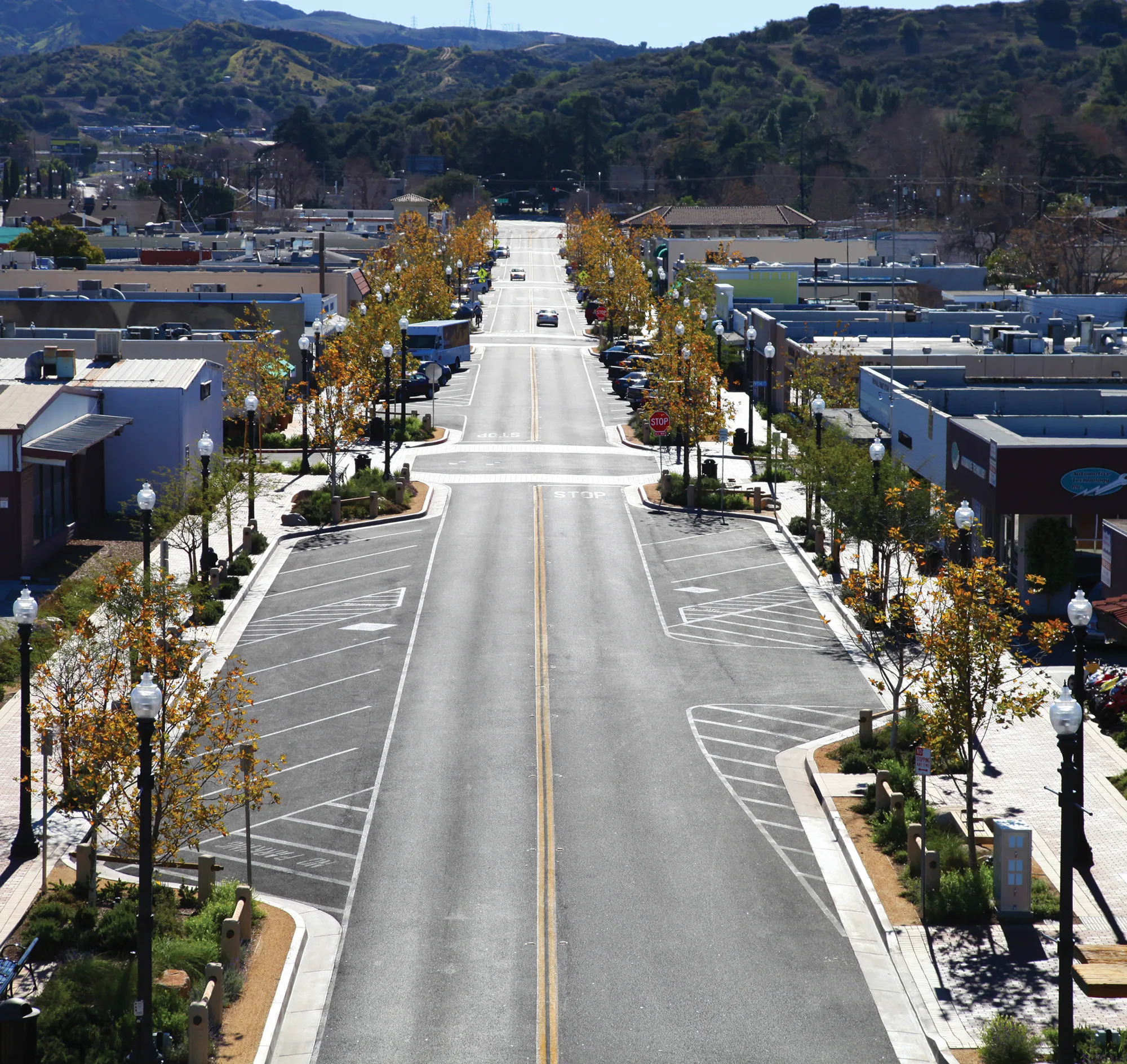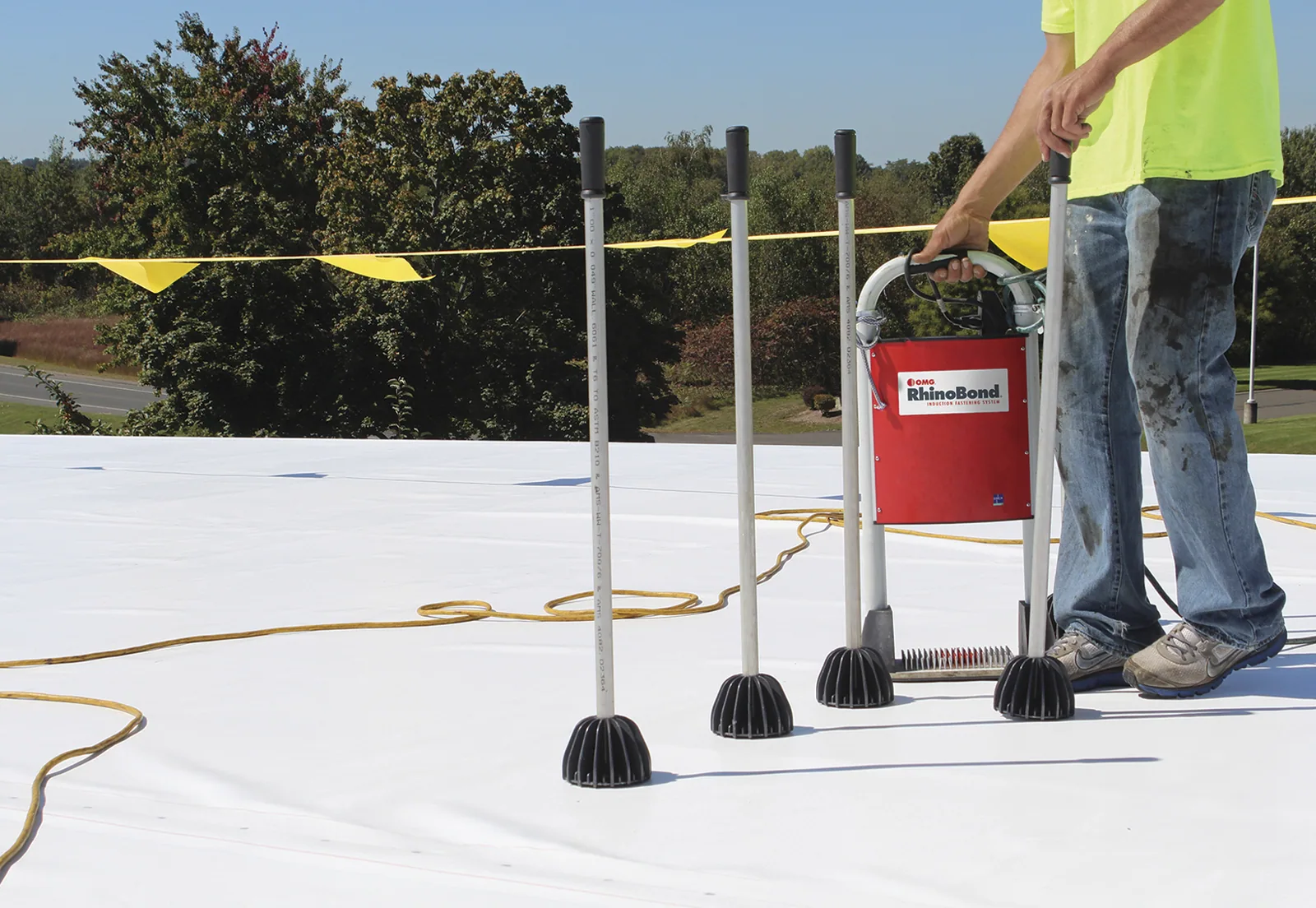

A chain operator needs consistent roof information without assuming every location has the same assembly. One site may have food-service exhaust while another has a different equipment layout. Santa Clarita, CA has retail and restaurant activity across several commercial areas. The actual building establishes the roofing task.
Commercial Roofing Santa Clarita assesses individual sites and provides located findings and a defined next action. We coordinate access with the operator and identify the work proposed. The chain team should be able to compare records while still seeing the conditions unique to each property.
Send site identifiers, roof records and the responsible operating contacts. Tell us about recurring water entry, earlier repairs and equipment changes. We use those details with the field inspection, rather than transfer a material or repair assumption from another location.
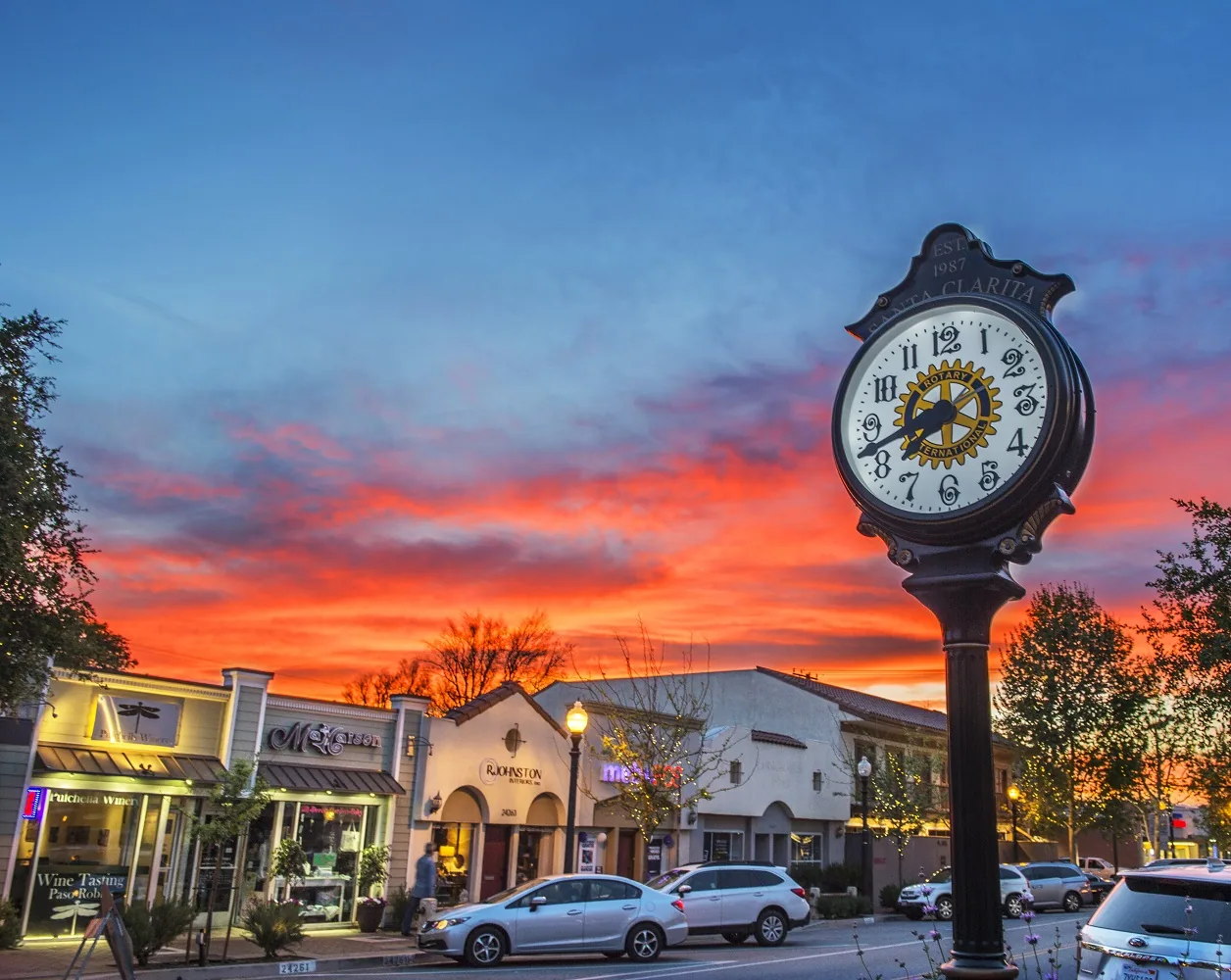
Use a consistent property identifier and roof-area reference. Photographs should locate the detail and explain the observation. The record needs to distinguish completed work, pending repair and further investigation. A regional manager can then review the next decision clearly.
Multi-site roof programs organize that information across locations. The format can be consistent while the findings remain specific. Similar signs do not prove the same source or assembly condition at every building.
Keep site contacts current. Receiving, roof access and construction approval may involve different people. Identify the authorization route before work so a local manager knows which task has been approved and what remains for regional review.
Record the room or service area, observed symptom and time. Safe photographs can help. Earlier repair locations and recent equipment work provide useful background. The symptom guides examination without identifying the entry source by itself.
Leak investigation compares the report with roof details. Equipment or interior moisture questions may need other qualified teams. Timing alone cannot distinguish condensation from roof entry.
The site contact should confirm affected-space access. The investigation may need a suitable test for a defined question, with authorization and operating controls. We record the roof findings and identify any other interface requiring assessment.
Identify the actual material and how it reaches the roof. Food-service equipment can create exposure questions that need product-specific review. The operator should supply reliable equipment and cleaning information. The roof material family alone does not answer every compatibility concern.
PVC roofing is one option to evaluate where appropriate. Do not describe it as universally resistant to every grease or chemical. The selected product and contact conditions need the relevant manufacturer information and project acceptance.
Equipment containment or source correction may involve another responsible team. Roofing should be coordinated with that work. Applying a different finish is not a complete answer if an unmanaged discharge continues to affect the assembly.
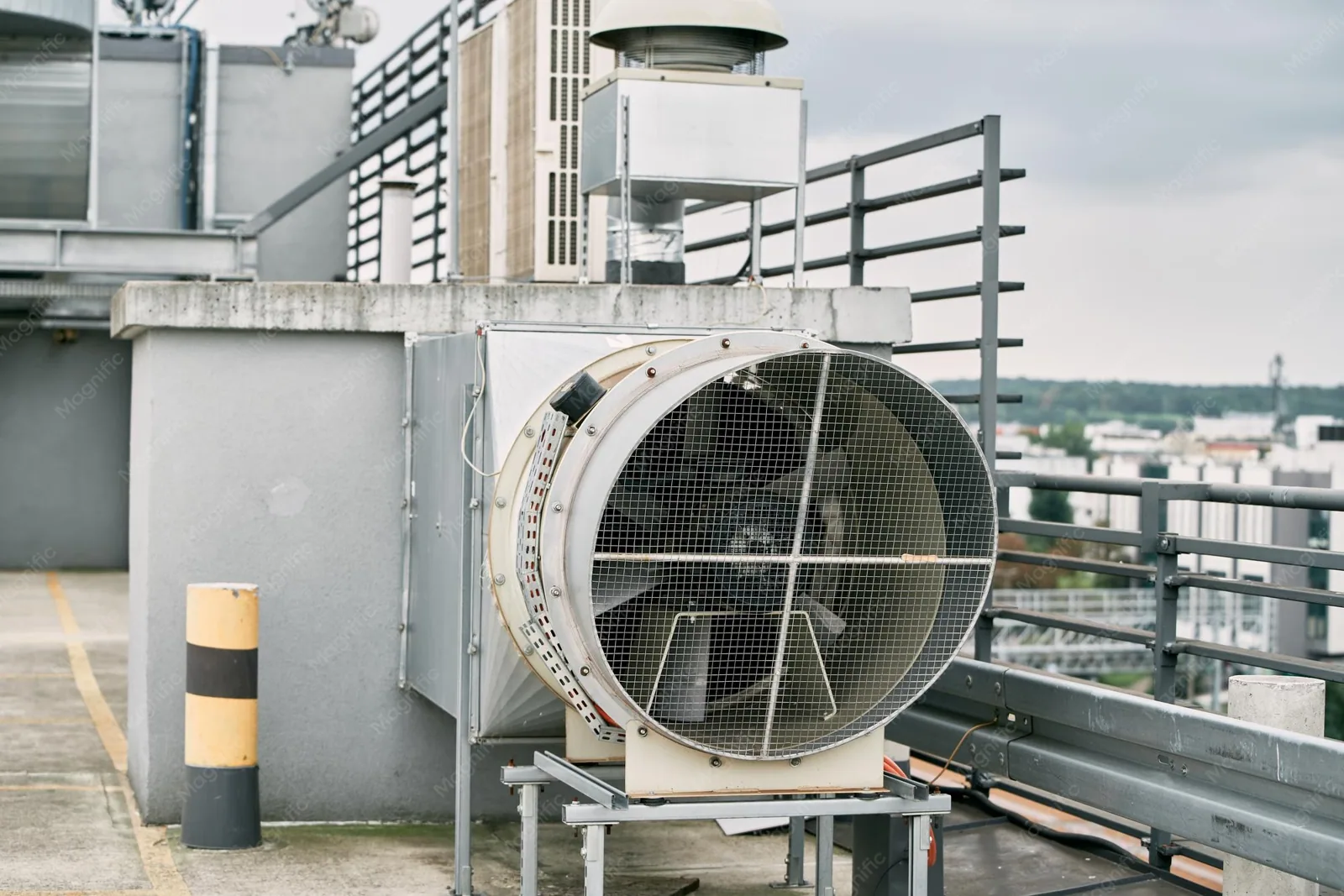
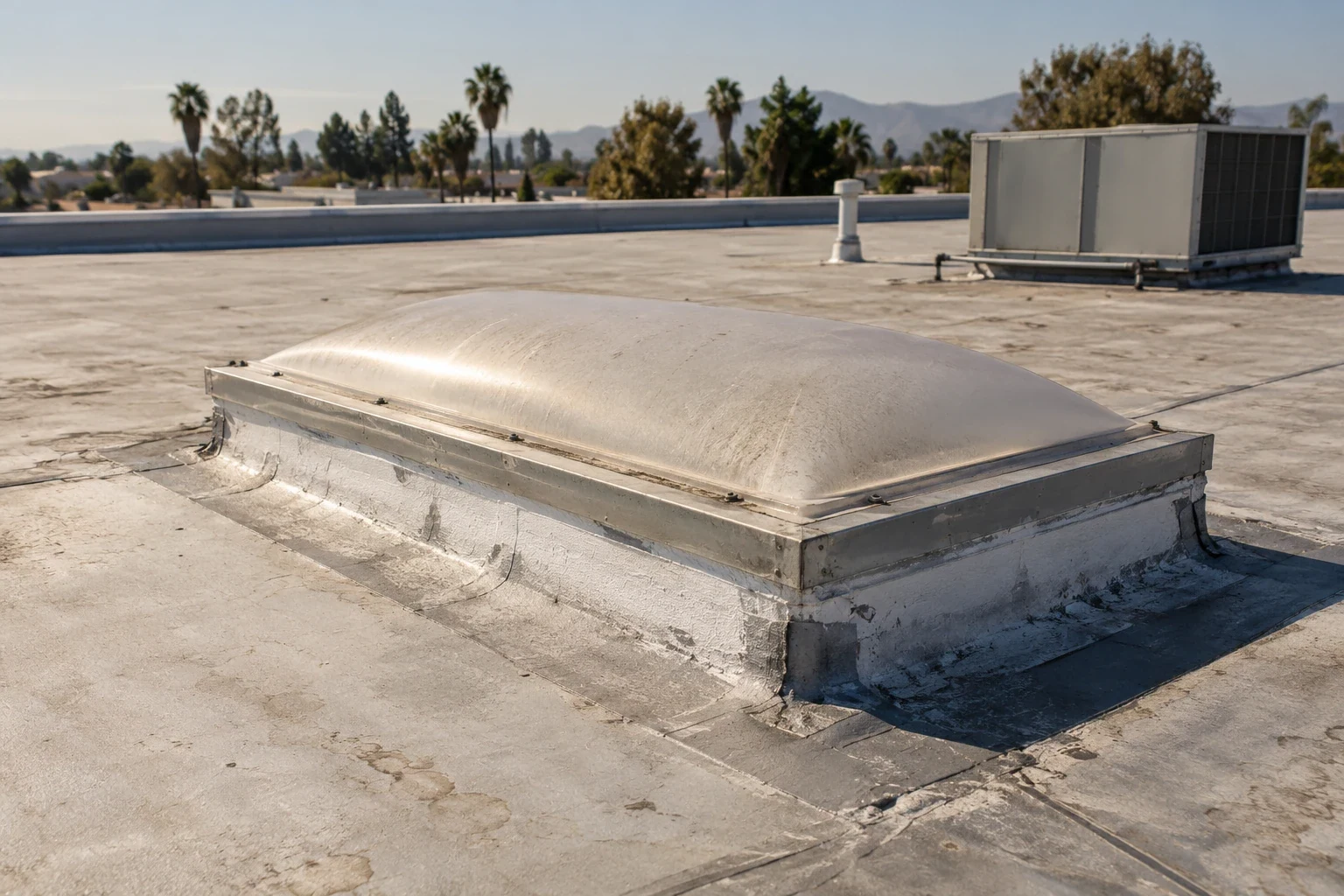
Rooftop units and penetrations require compatible roof details. The actual component, membrane and geometry guide selection. A new unit or altered exhaust can change the roof task. Identify those changes before construction.
Equipment interfaces may need mechanical, structural and electrical review. The roofing scope should show who handles the component and who restores its adjoining detail. Any necessary HVAC or intake control requires a planned operator window.
Flashing work should leave an identified, maintainable connection. Keep relevant checks and material records with the site file. Later service teams need that information before another component is added or moved.
Confirm actual operating, receiving and delivery arrangements. A roof crew should not infer the quiet period from a restaurant or retail label. The local operator supplies the restrictions and contacts for the task.
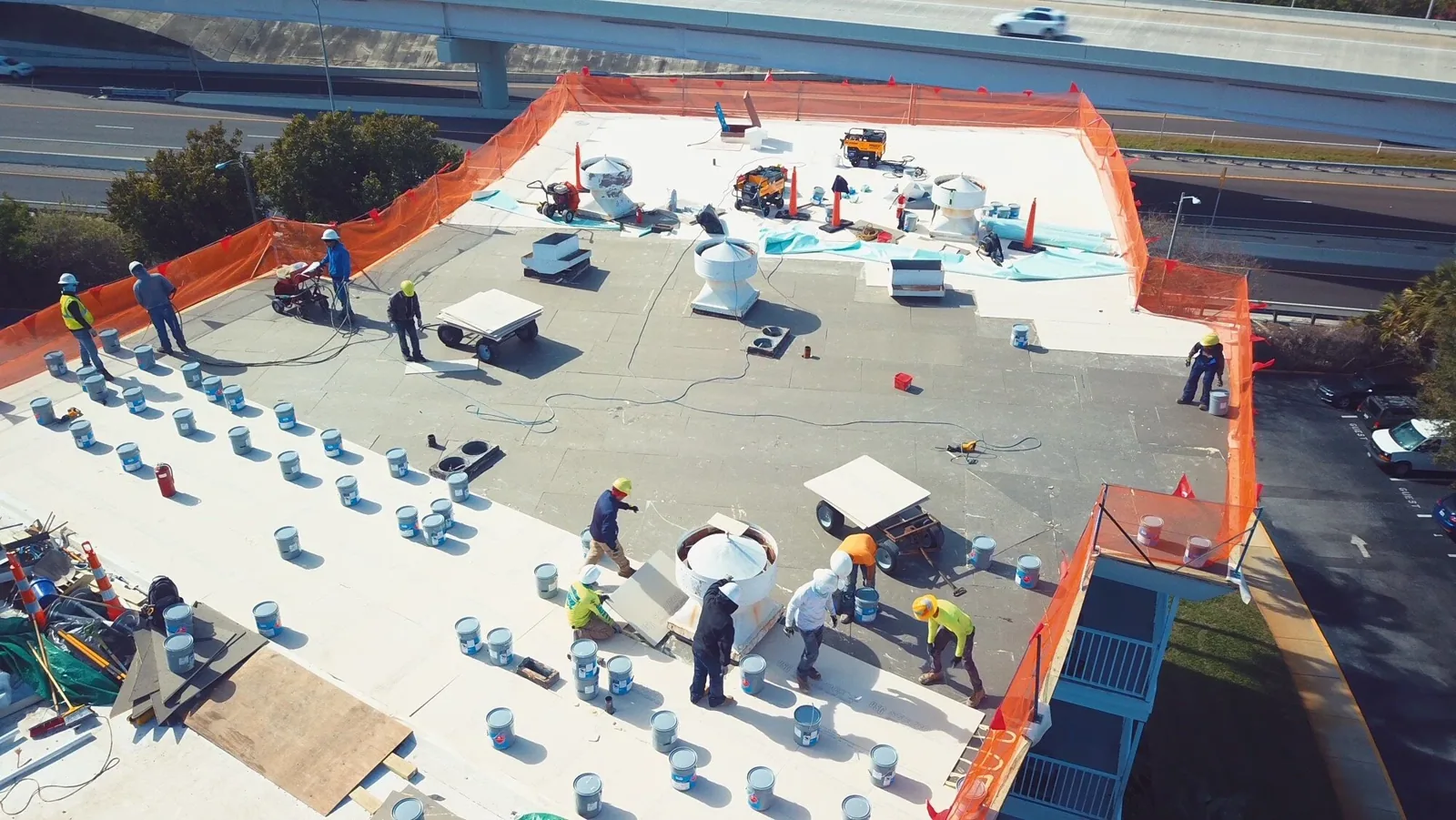
Occupied-building roofing identifies work areas, staging and protective tasks. The sequence follows the actual roof layout and assembly. A larger project needs a clear communication route for relevant changes.
Removed material and new deliveries may use different paths. The plan should account for occupied entrances and nearby activity. Required equipment or fire-system controls stay with responsible qualified teams, coordinated within the agreed construction window.
Valencia includes substantial retail and restaurant activity near its town-center area. The actual location should identify receiving and roof access before materials arrive. We use the building layout to establish the work route.
Old Town Newhall includes independent shops and restaurants. Shared storefront activity can influence staging. The manager should identify neighboring contacts and any affected entrance.
Santa Clarita has hot summers and cooler-season rain. Suitable application conditions and product instructions govern the roofing task. Regional planning helps organize a visit, while the inspected assembly supports the repair or construction decision.
The chain can use a consistent reporting format and approval process. The construction method must still fit each installed system. Commercial repair should identify the actual material and compatible procedure at that location.
Keep assumptions clear where concealed condition remains uncertain. Wider scope options need their relevant assessment and project review. A number of patches or a site age does not establish an automatic replacement decision.
Warranty documents and manufacturer requirements need location-specific review. Santa Clarita publishes current codes and local amendments for applicable projects. Confirm jurisdiction, submission details and scope before assigning the relevant requirements to the work.
When the approved task is complete, locate the work and retain the materials and checks. If quantities changed, record the supporting finding and authorization. The regional team can then understand the final scope without relying on a separate explanation from the local manager.
Give relevant roof information to equipment service teams. Later work can alter a detail or damage a surface. A consistent reporting route helps the chain record that change and arrange the appropriate follow-up before the next roofing decision.
Keep pending items visible in the site summary. Name the next assessment or approval and the person responsible. That helps regional maintenance distinguish a resolved concern from a task that is still awaiting information.
Use the same roof-area references in the estimate, work order and final photographs. A manager reviewing several locations can then connect the completed repair with the original observation and identify which area should be checked at the next visit.
Arrange affected-area notices through property management. Where hotel operations share the route, establish their authorized contact and current restrictions before material handling begins. Carry those site-specific arrangements into the chain's next service order.
Chain standards can make reporting comparable, but store formats, rooftop equipment and operating schedules differ across locations. Use consistent fields for inspection date, assembly, condition and recommendation, then preserve the property-level evidence that explains exceptions. Coordinate access and customer-facing work windows with each store manager, including deliveries or service operations that affect the roof. Separate a portfolio maintenance task from repair work that needs pricing and authorization. The resulting record helps corporate teams identify patterns without assuming that a fix or quantity at one store transfers to another.
The approval format can be consistent. The installed material and actual condition need their own compatible construction method at each location.
The authorized local operator supplies current instructions. The roofing plan should identify those contacts and the relevant work window.
Identify the material and contact conditions, then use product-specific information. Equipment or containment work may require another responsible team.
Use consistent property and roof-area identifiers. Locate findings, approvals and completed work while keeping the unique assembly information visible.
Review the roofing interface before alteration. Keep accepted details and installed-material information available to the responsible service team.
Call Commercial Roofing Santa Clarita with your locations and operating contacts. We will assess the roofing concerns and provide located findings and a clear next action.
Pages that connect with Retail and Restaurant Chains for Santa Clarita Valley buildings.
Notifications