
A guest-facing property needs a roof plan that accounts for actual occupied areas and operating contacts. Guest entrances, receiving and equipment access may have different requirements. Plan suitable roof work around warm-season heat and winter rain in Santa Clarita, CA. The operator establishes the building arrangements for the task.
Commercial Roofing Santa Clarita examines roofing concerns and explains the proposed correction. We locate findings and identify further investigation or other trade work needed. The hospitality team should see which roof area is involved and what approval comes next.
Bring roof plans and earlier repair records. Tell us about reported water entry and recent equipment changes. We use that information with the site examination. The roof scope should fit the assembly rather than assume every hotel or guest property needs the same method.
The authorized operator identifies guest, staff and service activity affected by the work. An apparent quiet period may still include receiving or equipment use. Confirm the actual window and any restricted areas before the task is scheduled.
Use a named contact for roof access and another for construction approval if needed. The local team should know what has been authorized. The owner should receive the roof-area reference and proposed activity so operating coordination has a clear basis.
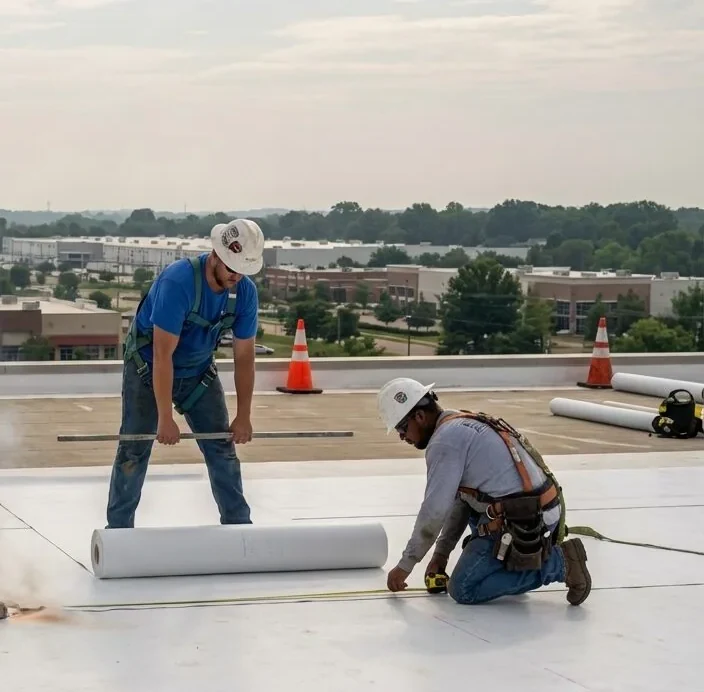
Occupied-building roof work develops a sequence for staging, removal and protective tasks. The actual roof layout and assembly determine that plan. The operator reviews it against the confirmed building requirements.
Locate the room and describe the observation and time. Photographs help where safe and permitted. Equipment activity or earlier repairs may guide the search. The ceiling symptom does not prove the roofing source alone.
Leak investigation compares the report with roof details. Water can follow concealed surfaces before appearing below. Suitable testing may be selected for an authorized question, using controls for the assembly and affected space.
Interior or equipment moisture concerns may need qualified assessment beyond roofing. We document the roof findings and identify the next interface. Timing alone cannot settle condensation versus roof entry, so the record should keep that question clear until the evidence supports a conclusion.
Findings need locations and proposed actions. Distinguish urgent exposure, planned correction and items to monitor. Any unexamined area should remain identified. A manager can then understand the scope without interpreting an unlabeled photograph.
A roof inspection records accessible condition. Concealed concerns may need authorized samples or another suitable method. Explain the purpose and limits of that work before using the findings in a larger construction decision.
Condition reports connect the evidence with the roof file. Keep earlier photographs available for comparison. The next manager should be able to see what changed and which task still needs approval.
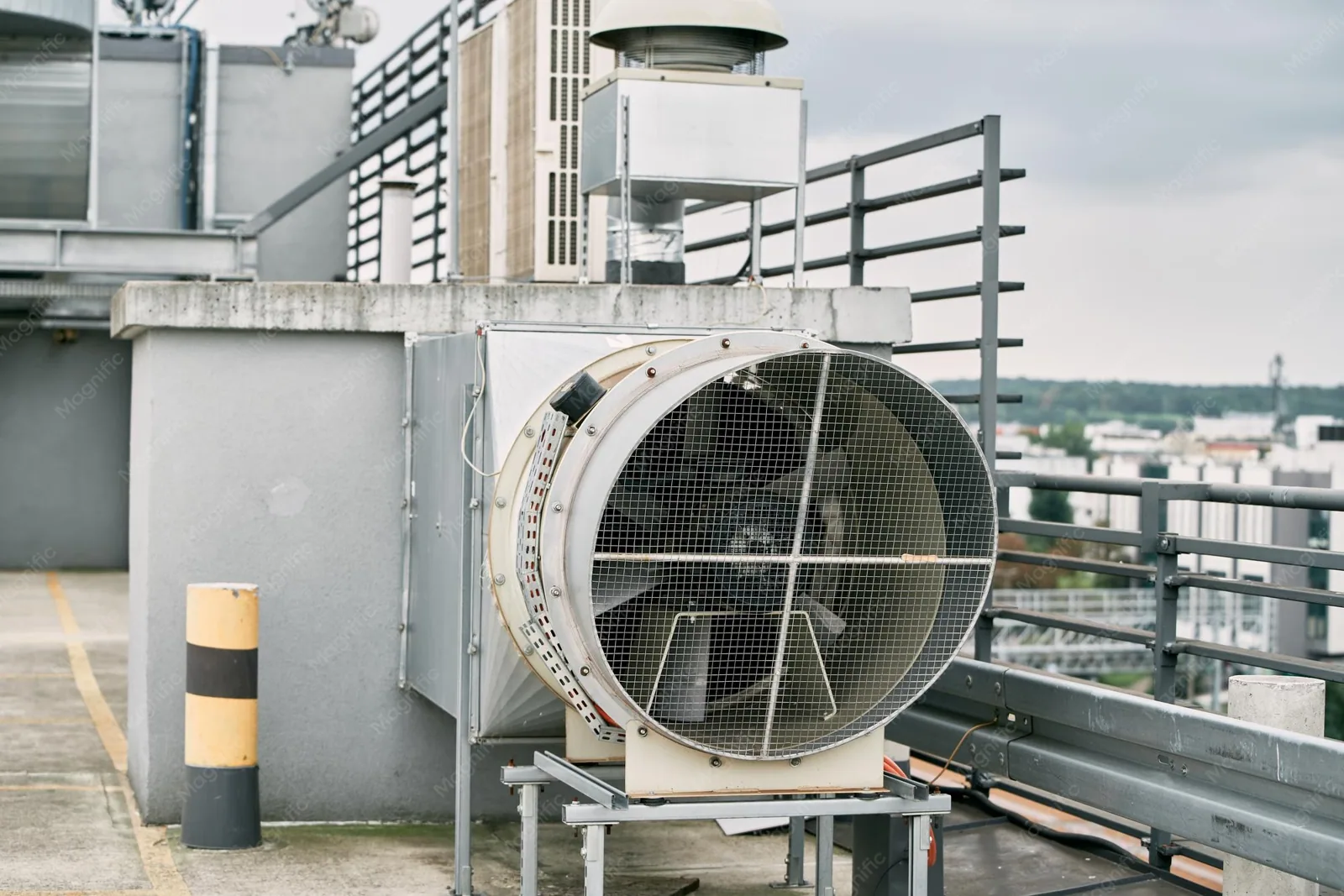
HVAC and other equipment need the responsible operating team. Any required shutdown or intake control belongs in a planned window. Fire systems and electrical equipment likewise remain under qualified control. The roofing sequence should fit those accepted arrangements.
Equipment curbs and supports may need structural or mechanical review. The roofing scope identifies surrounding material removal and reconstruction. The component work and roof work should have defined handoffs.
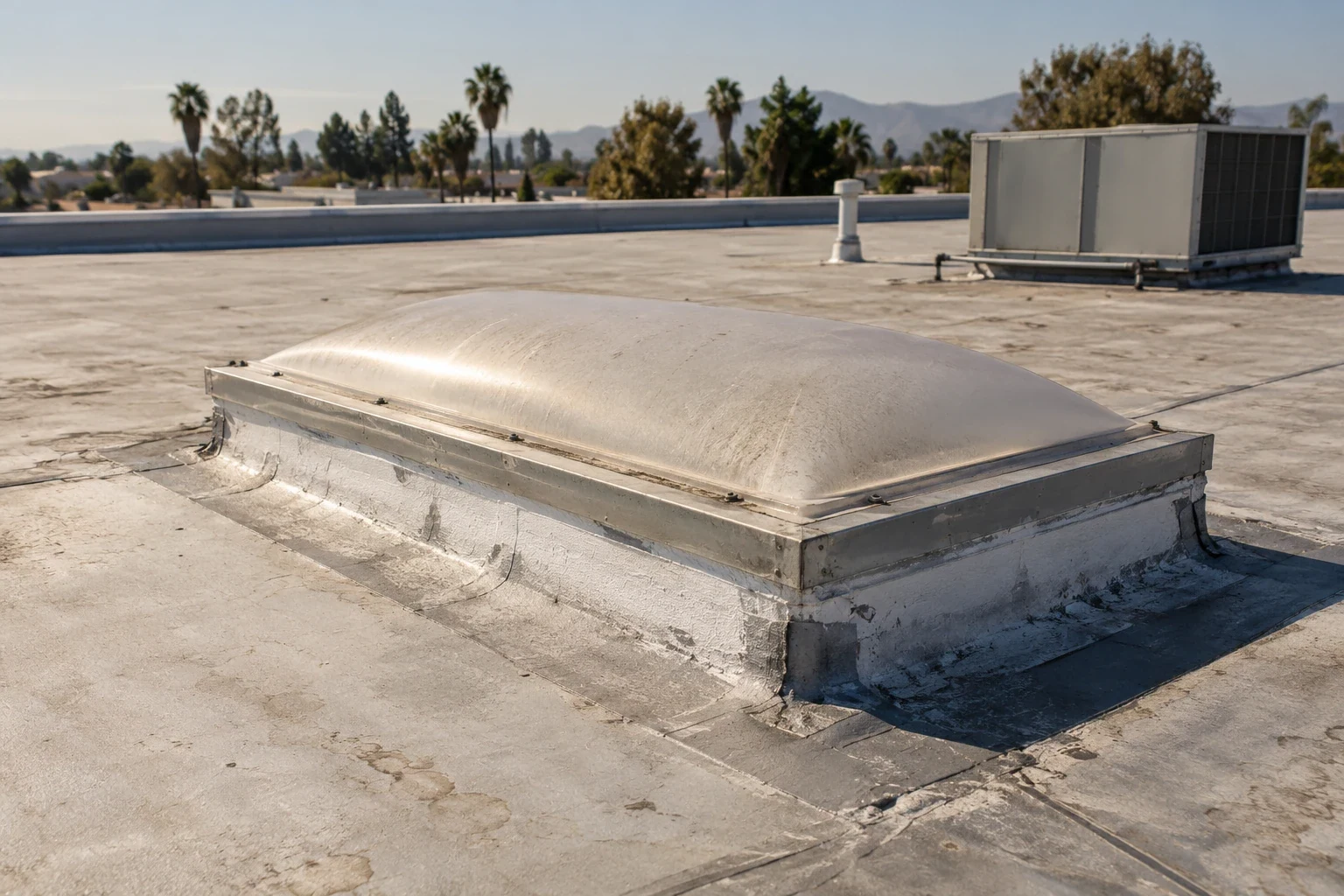
Flashing repairs join the roof to actual pipes, walls and curbs. Compatible materials and accepted details matter. A roof visit should not leave an equipment interface unresolved merely because the field membrane was repaired.
A repair may suit a defined localized finding. Retention or replacement options need wider assessment. Roof age or repeated symptoms alone does not establish the scope. Explain the condition supporting each option and any evidence still needed.
Commercial repair should identify preparation, materials and detail reconstruction. Access and operating assumptions also affect the work. The owner can compare proposals more clearly when these items are included.
Newly exposed deterioration may change quantities. Record the finding and proposed correction for the agreed authorization process. The operator should know which area or construction activity is affected before a revised sequence is accepted.
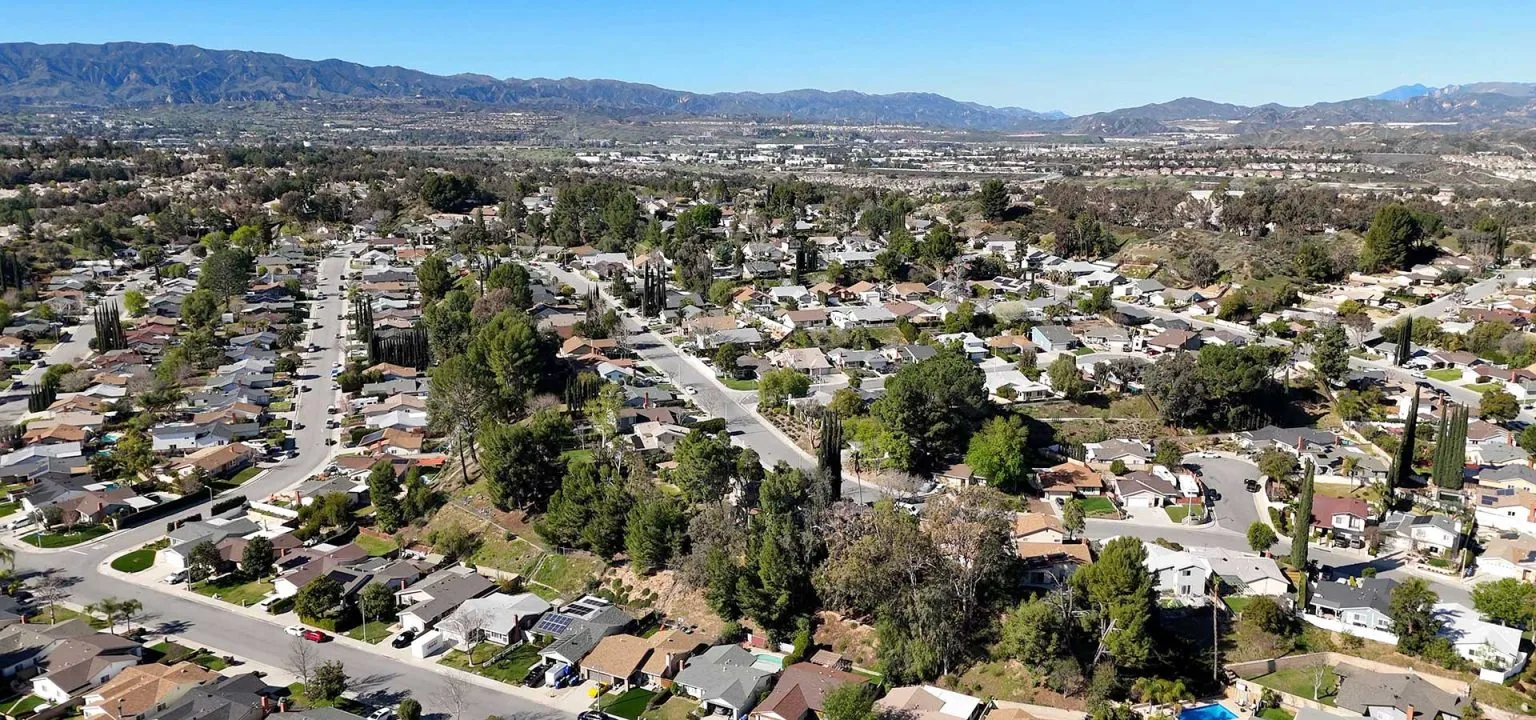
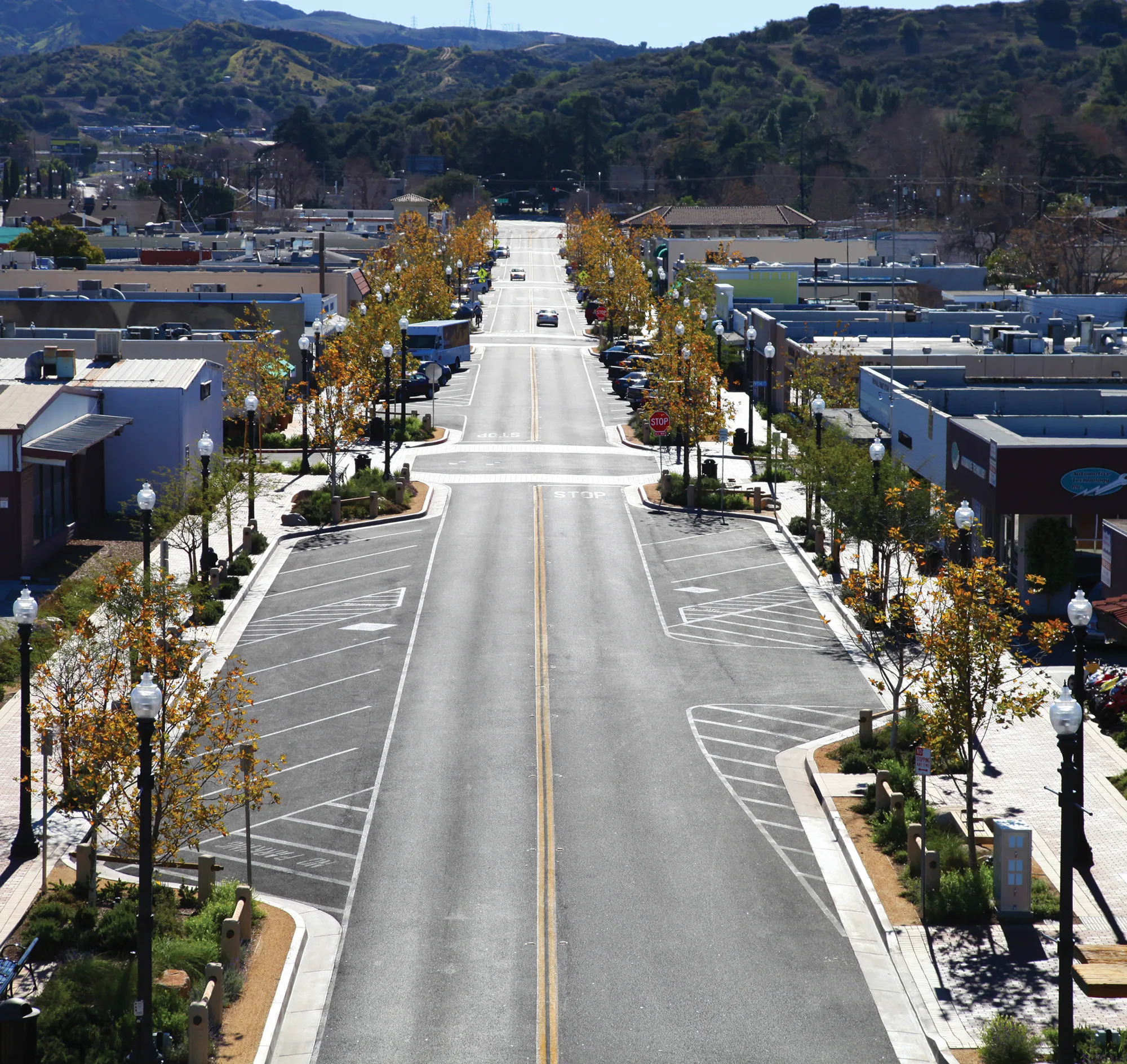
Valencia includes hospitality and retail activity near McBean Parkway. The actual property supplies guest-entry, service and receiving arrangements. We coordinate the roof route with its authorized manager.
At commercial buildings in Newhall, nearby storefronts and shared access can affect staging. Identify neighboring activity and notification needs before material movement. The roof layout determines where the task is performed.
Santa Clarita’s summer heat and winter rain help frame the planning window. Product instructions and current conditions govern suitable application. The operator schedule is a confirmed input, not an assurance that any roofing method can proceed regardless of the weather.
Confirm the jurisdiction, submission basis and applicable project requirements. Santa Clarita publishes its adopted codes and local amendments. The complete assembly needs relevant fire, energy and property-specific review. A finish label does not settle all requirements.
Warranty terms require the actual documents. Manufacturer acceptance, alteration procedures and inspections should be identified before construction. Keep approved changes with the accepted details so the installation scope remains current.
Preventive maintenance can organize later observations and outlet checks. The agreement should identify tasks and authorization limits. Completed work and proposed repairs need separate records.
Retain installed materials and located photographs with the final scope. Provide relevant information to the equipment service team. Later alterations should use the roof details and applicable procedures rather than guess at the assembly from appearance.
Assign each unresolved item to a contact and next action. That helps the owner distinguish completed construction from a question still needing investigation. Another manager can then continue the roof plan without rebuilding the history from guest reports.
Use the same roof-area reference in estimates and completion records. If an approved quantity changes, keep the reason and authorization beside the final photographs. A regional reviewer can then follow the work from the original concern to the installed correction.
The final file should reach the people responsible for building maintenance. That handoff gives the next inspection a clear starting point and keeps relevant manufacturer procedures available when a new service task is arranged.
Check the restored guest and service routes with property management. Where restaurants or stores share affected entrances, retain their authorized contact and notice requirements. Later roof work should begin with those actual operating arrangements available.
A hospitality portfolio may include hotels, event spaces and other properties with different guest schedules and service requirements. Ask each property contact to identify quiet periods, loading limits, guest routes and equipment access before setting the roofing sequence. Track common condition categories across locations while keeping the observed area, materials and repair boundary tied to each building. If an urgent measure affects guest operations, record the temporary status and the next step for permanent work. A dated closeout helps property staff coordinate follow-up without relying on a portfolio summary alone.
The authorized operator identifies actual activity and affected spaces. The roof plan should use those confirmed instructions and relevant contacts.
It is a clue for investigation. Roof, equipment and interior conditions need appropriate examination before the source is concluded.
The responsible teams establish required windows and procedures. Roofing access and protection should fit that accepted operating plan.
Locate the finding and explain the proposed revision. The agreed authorization route governs additional work and relevant sequence changes.
Keep property and roof-area identifiers, accepted details and completed checks together. Pending items need a responsible contact and next action.
Call Commercial Roofing Santa Clarita with your property contact and roof records. We will assess the concern and identify the construction and access coordination needed.
Pages that connect with Hospitality Groups for Santa Clarita Valley buildings.
Notifications