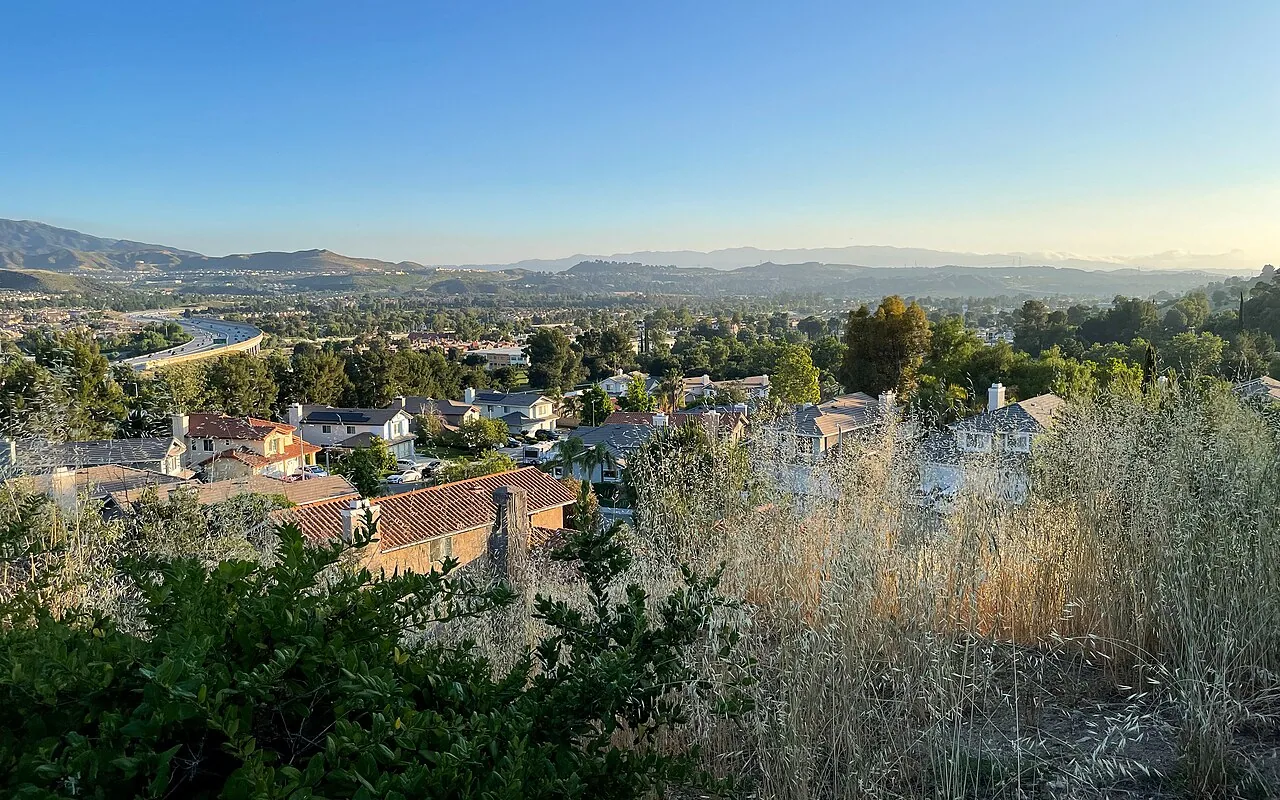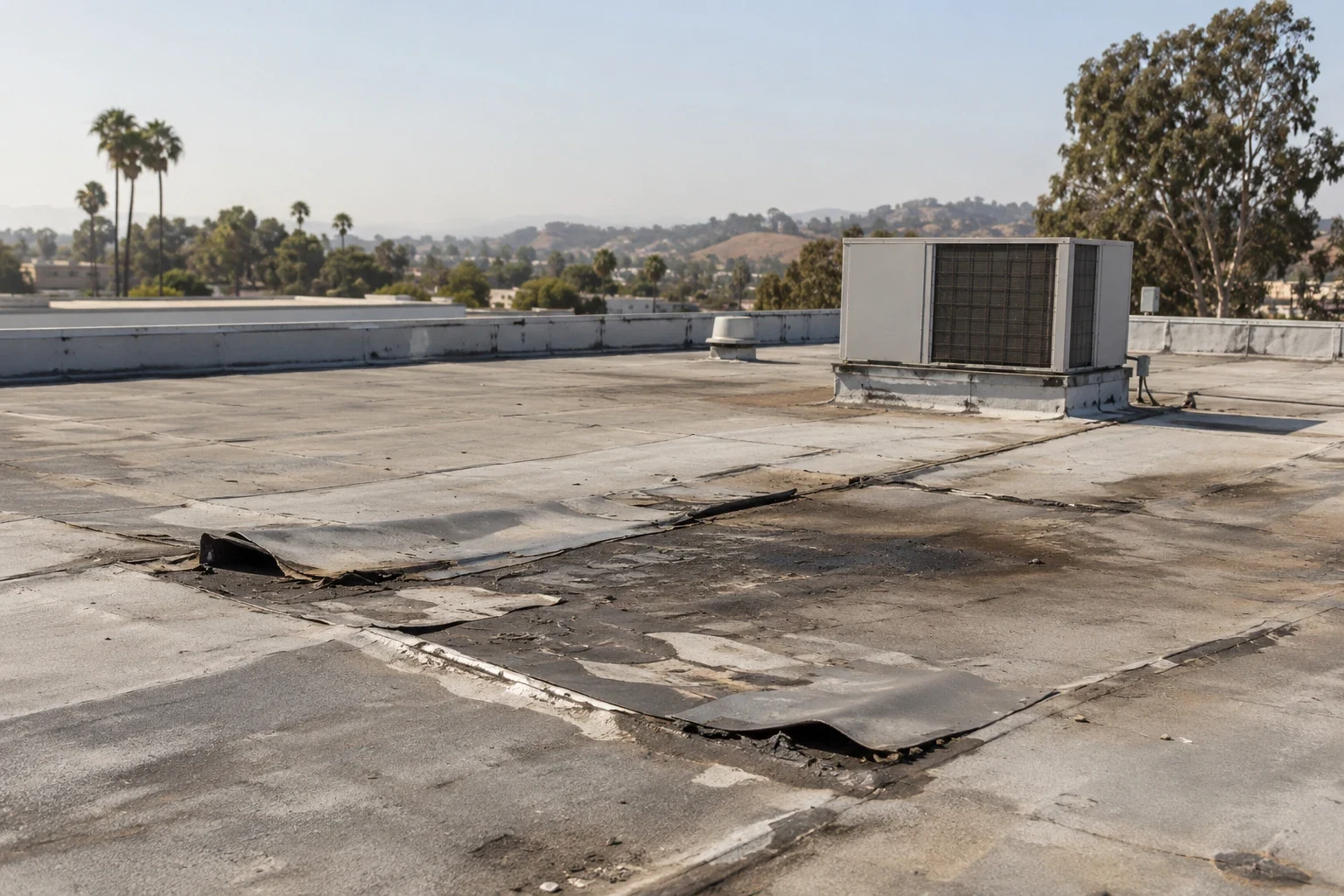

A restoration team needs the roofing record to distinguish what was observed from what is still under investigation. Temporary protection and permanent correction also need separate scopes. Santa Clarita, CA has wind and cooler-season rain exposure. The actual building findings establish the roofing work after a reported event.
Commercial Roofing Santa Clarita examines accessible roof concerns and coordinates the proposed correction with authorized project contacts. We locate observations, identify relevant limits and explain the next task. The carrier handles policy coverage, while the owner or designated representative approves construction.
Provide the reported event date, safe photographs and available roof records. Tell us which restoration tasks are already underway. That helps the roofing assessment fit the project without assigning an unsupported cause or overlooking another trade interface.
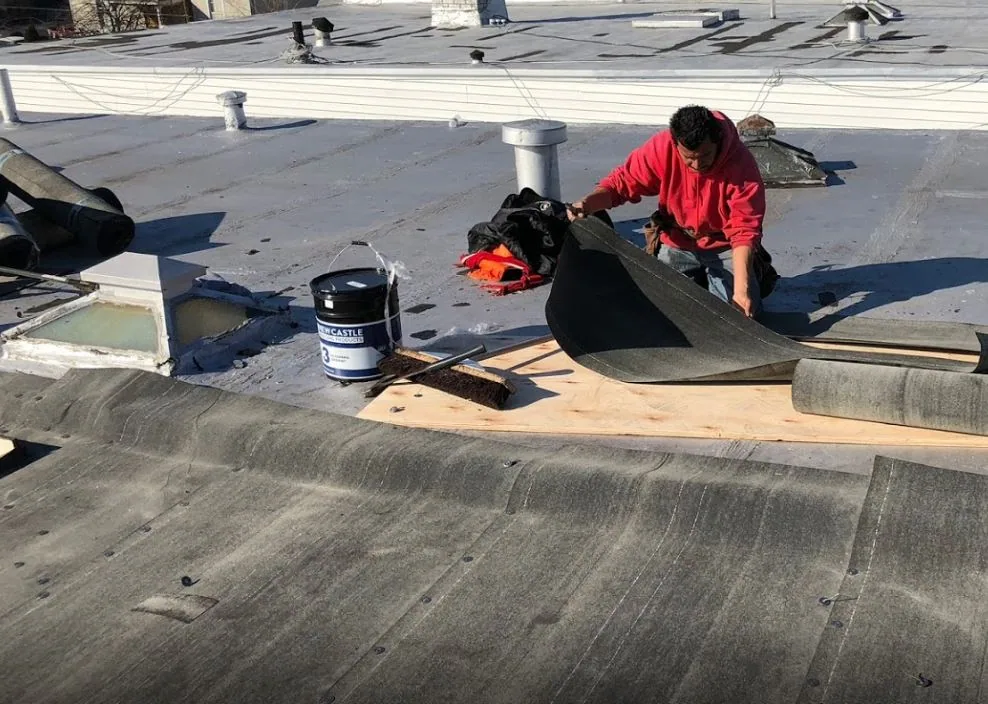
Identify the property, affected room and observed symptom. Include dates and location references. The person arranging roof access may differ from the person managing interior restoration, so establish named contacts for both tasks.
Claim documentation assistance organizes roofing observations and construction information. Earlier inspection photographs can help distinguish a changed condition from an existing concern. The report should state when the evidence does not yet settle cause.
Keep the initial observation available even after interior work starts. A clear record helps the next examiner understand which symptom prompted the roofing assessment. It also supports a traceable comparison with the work subsequently proposed.
The actual assembly, opening, weather and access determine the protective method. Qualified personnel manage electrical, fire or structural hazards. The roof task needs a suitable access plan and owner authorization before work proceeds.
Emergency roof assessment identifies the immediate scope and its limits. Record the area protected, materials used and follow-up responsibilities. Temporary work should not be presented as the completed permanent correction.
Interior protection belongs with the responsible operator and restoration teams. Any equipment or building-system control needs a coordinated plan. The roofing record should show the task performed and remaining assessment, so the next trade understands the handoff.
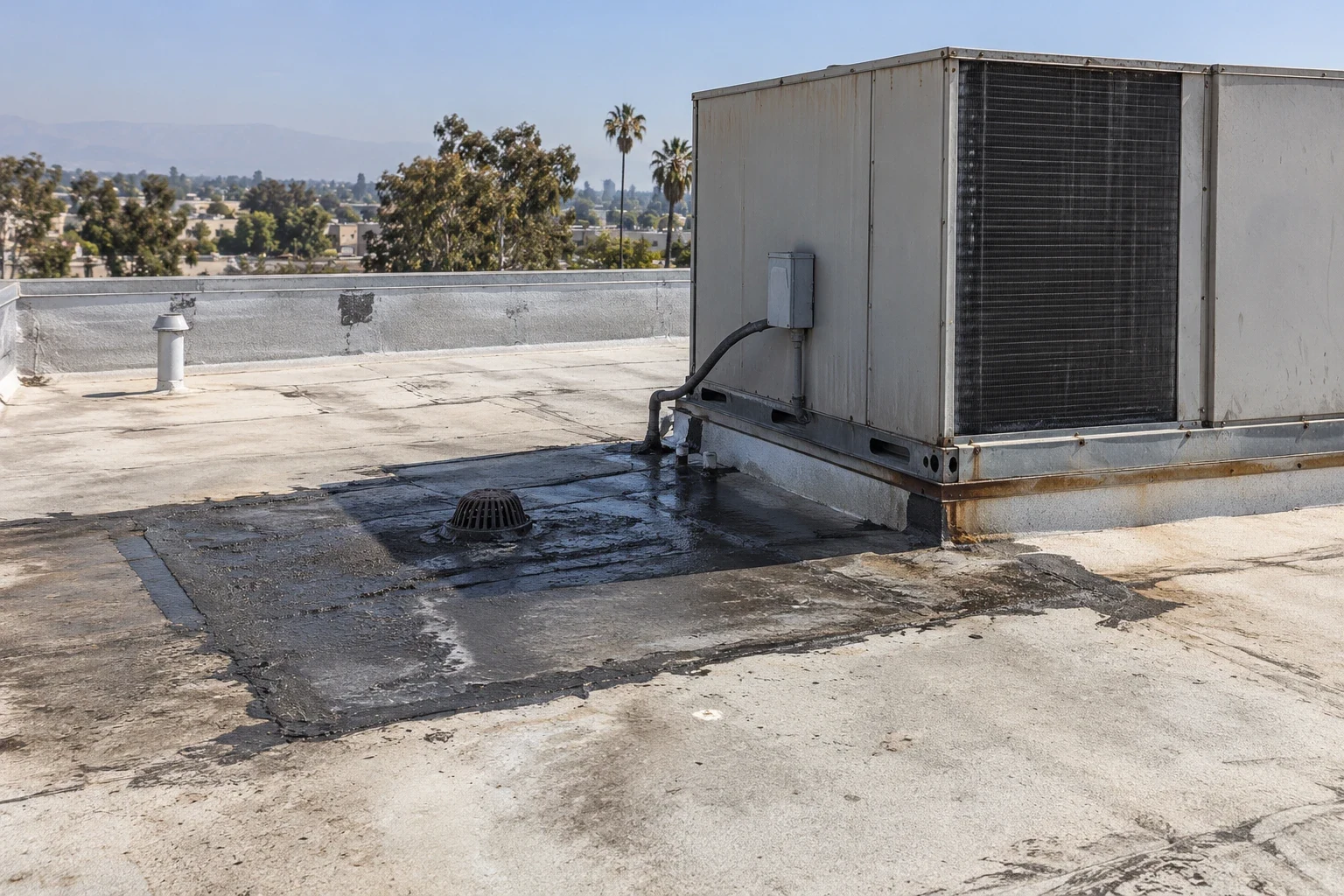
It records accessible changes, damage and other relevant condition. A regional wind or rain report does not establish that every roof defect arose from that event. Earlier repairs and available baseline photographs can help interpret the findings.
Storm damage roof work compares the reported concern with the actual assembly. The recommendation identifies materials, attachment and relevant detail reconstruction. Cause may remain under investigation when evidence is incomplete.
Keep observations and conclusions distinguishable. If competing explanations require another assessment, name that next task and its purpose. The owner and carrier can then review the roof evidence with the relevant uncertainty still visible.
The affected room locates a concern, but water can travel within a building assembly. The roofing search needs the layout and accessible details. Equipment or interior conditions may require another qualified party. Timing alone does not identify the source.
Leak investigation addresses the roof entry question. Suitable testing can be selected for a defined, authorized task with appropriate controls. One test result should not be described as proof that every possible path has been eliminated.
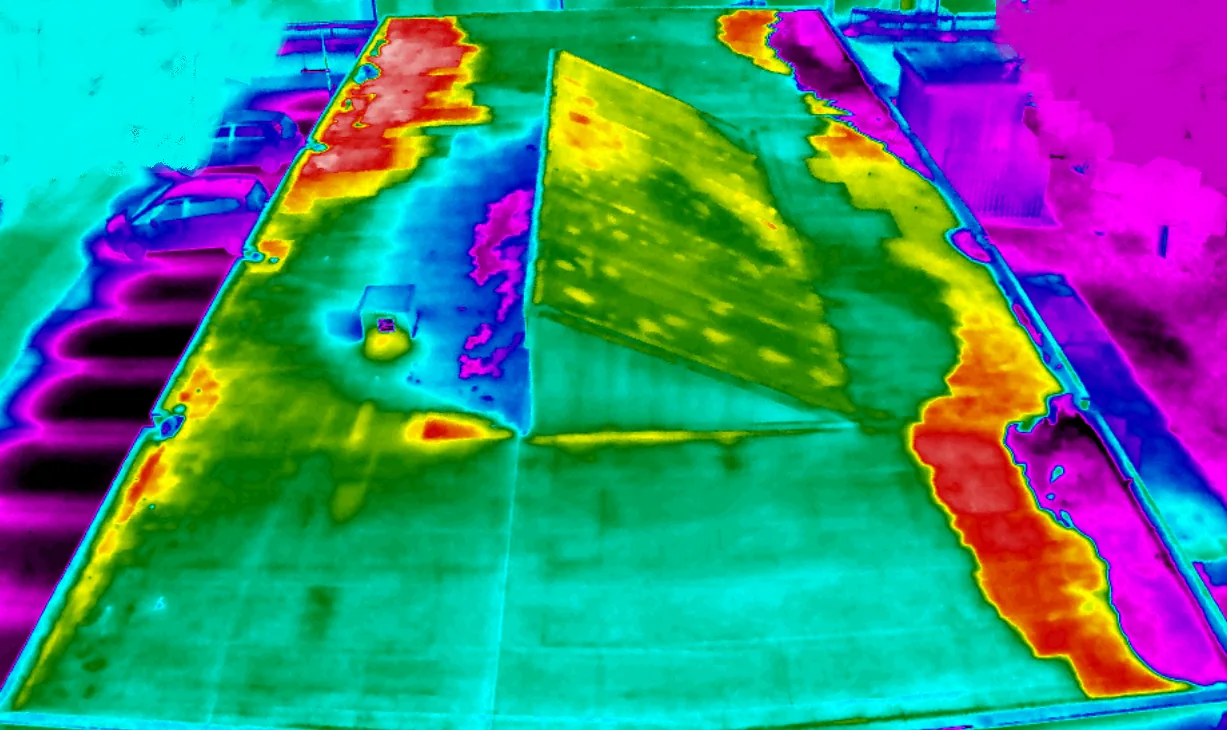
An infrared survey may guide examination where useful. Thermal patterns need interpretation and relevant confirmation. Samples establish materials and condition at examined locations, with remaining concealed uncertainty documented.
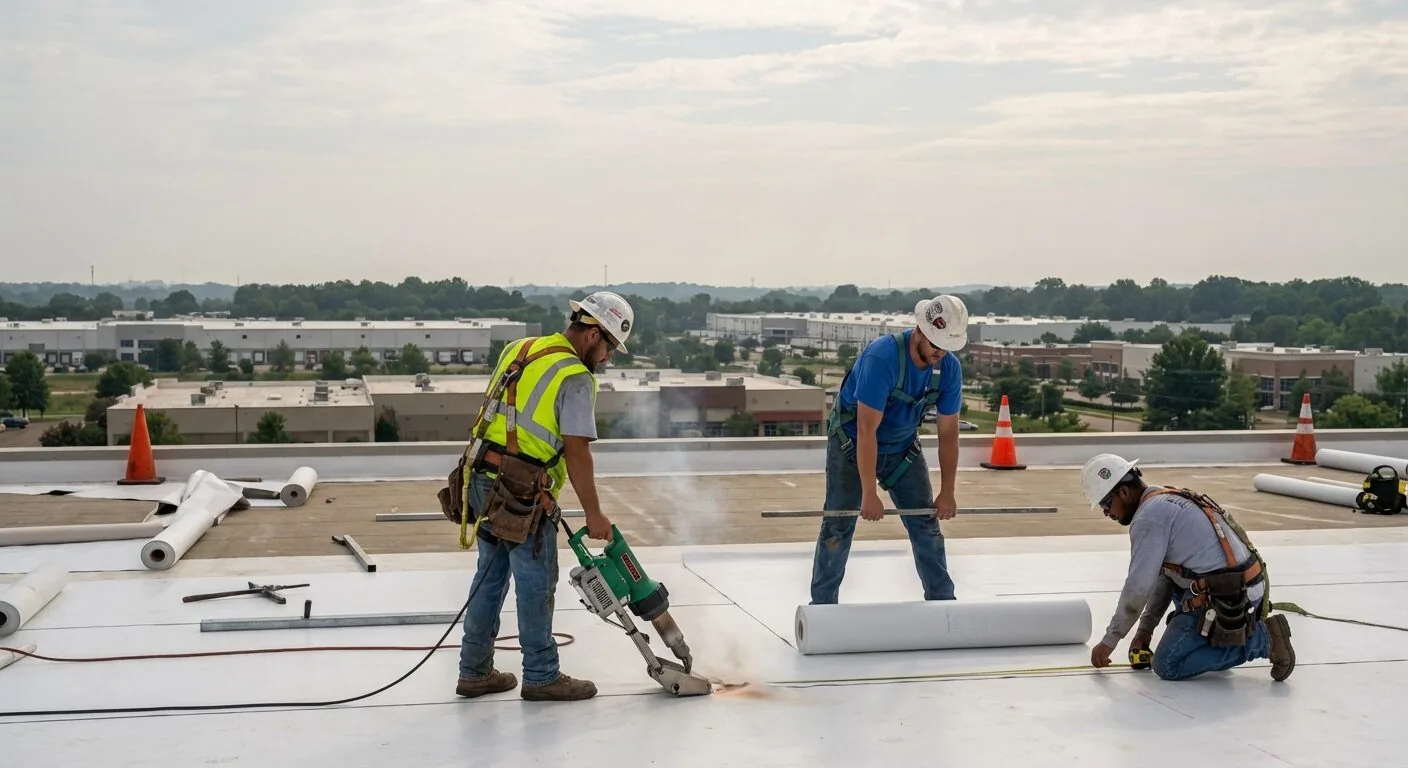
Locate the work and identify removal, preparation, reconstruction and detail tasks. The roofing estimate should distinguish known quantities from assumptions. If another trade handles a component, identify its responsibility before treating the roof scope as complete.
Commercial repair can suit a supported localized finding. A wider option needs the evidence and project requirements explaining that choice. Age or a dramatic isolated opening does not establish replacement by itself.
Newly exposed damage may change the boundary. Photograph the finding and explain the revised task through the agreed authorization process. Keep that change with the original estimate so another reviewer can understand why the final quantity differs.
The Hughes Fire began near Castaic Lake in January 2025. The Tick Fire affected Canyon Country in October 2019. Those events give operators reasons to maintain contacts and access records. The building findings still determine the roofing correction.
At Castaic properties, the assessment follows any current authority directions. The authorized site representative confirms entry and affected areas. Record restrictions that prevent a complete roof examination.
For Canyon Country buildings, keep roof plans and earlier findings available to the restoration team. Fire-related roofing assessment needs appropriate access release and a defined investigation. It does not replace fire or structural clearance.
The carrier reviews coverage under the policy. The owner authorizes construction. Project permitting, design and assembly requirements still need their relevant review. A claim record does not replace the construction approval process.
Santa Clarita publishes adopted California codes and local amendments for applicable projects. Confirm the jurisdiction, scope and submission basis. Fire, energy and property-specific requirements concern the complete proposed work.
Review warranty paperwork for the planned alteration. Record the relevant manufacturer procedures and required inspections before the roof assembly is changed. The selected assembly information should remain available to the roofing crew and responsible project reviewers.
Locate completed permanent work and identify installed materials. Keep relevant checks and approved changes with the original findings. Temporary materials and their disposition should be recorded. Outstanding concerns need a clear next action and contact.
Roof condition reports connect assessment and construction. The file should distinguish work completed from another investigation proposed. That gives the restoration and operating teams the same reference.
Retain invoices, authorizations and final photographs with the roof-area identifiers. Another reviewer can then follow the progression from original observation to accepted scope and installed correction. That record remains useful when maintenance staff or project contacts change.
Share relevant detail information with the equipment service team. Later alteration can affect the roof interface. The accepted materials and procedures help that team arrange work without guessing at the construction beneath a finished surface.
Confirm who receives the final roofing documents. A located record that reaches the responsible owner and maintenance contact is easier to use than photographs distributed without the scope or explanation attached.
Identify the tenant communication contact through property management. Obtain the remaining construction dependencies from the general contractor before marking the roof interface complete. Record each participant's unfinished task separately from the carrier's coverage decision.
Keep the physical roof observations, repair recommendation and claim decision in separate records. The inspection can document location, condition, photographs and work performed, while policy interpretation and coverage remain with the insurer and owner. If emergency mitigation changed the original condition, note what was secured and retain available before-and-after images. Label allowances for concealed construction and identify which quantity awaits opening or testing. This gives the property team and restoration participants a shared construction basis without promising a claim outcome or treating an event date as proof of the full repair scope.
Coverage is the carrier review under the applicable policy. Our roofing record identifies observations and proposed construction. The owner or designated representative authorizes that work.
Identify the protected area, method and relevant limits. Keep follow-up responsibilities and the next permanent assessment clear.
The date provides background for examination. Actual findings, earlier records and relevant investigation support conclusions about the roofing condition.
Locate the newly exposed finding and retain the proposed revision and authorization. The final record should show why the scope changed.
Provide located roofing findings, completed tasks and remaining concerns. Use named contacts so the next assessment or operating decision can be arranged.
Call Commercial Roofing Santa Clarita with the restoration contact and available records. We will assess the roof concern and define the next construction handoff.
Pages that connect with Insurance and Restoration Teams for Santa Clarita Valley buildings.
Notifications