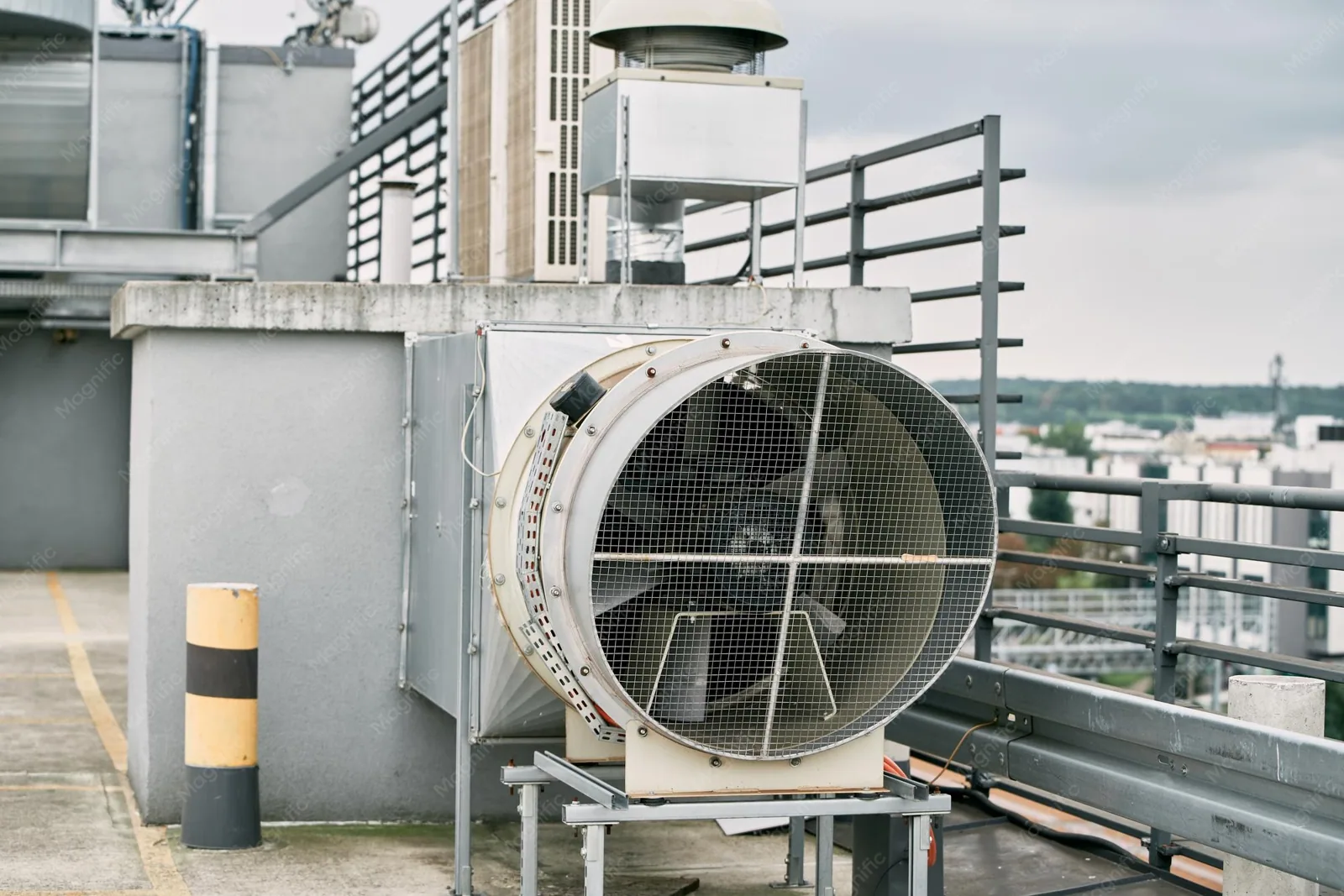

A sun-side equipment connection can be a useful starting point for roof review in Chatsworth. Inspect the flashing and material around the support. A changed unit may leave more than one affected opening. We identify those positions and their construction needs. The owner receives a scope that separates the tasks involved.
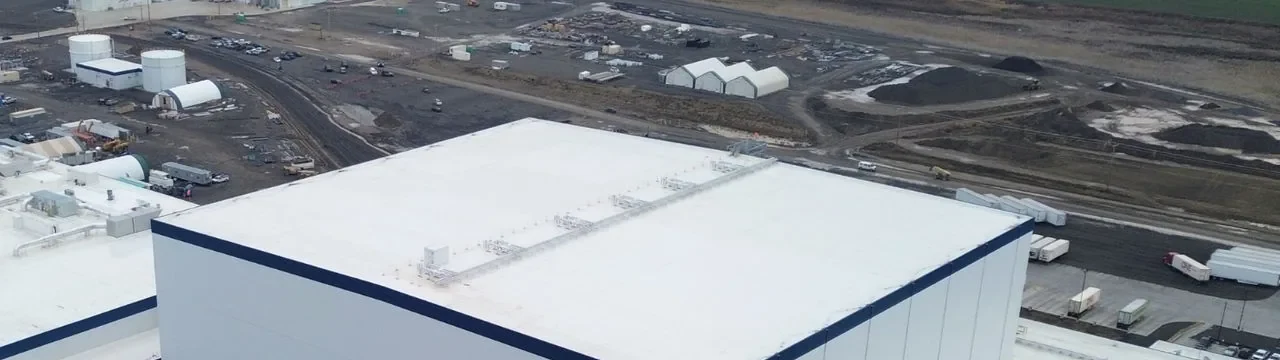
Chatsworth has a long aerospace and manufacturing history. Chatsworth Transportation Center provides a local reference for arranging a property visit. The neighborhood is within Los Angeles. Service from the Santa Clarita, CA market uses the building's confirmed entrance and operator contact. Its inspected construction supplies the roofing quantities.
Locate the installed support and any former opening. A new arrangement needs a suitable transition to the roof. Examine accessible flashing and attachment. The old location requires appropriate closure where affected. Keep both tasks identified in the proposal.
Chatsworth equipment transition planning assigns roofing and mechanical responsibilities. Qualified trades carry out movement and required equipment actions. Altered support or added loading may need engineering. Resolve that information with the appropriate team. Installation follows the reviewed construction arrangement.
Service movement can affect surrounding material. Discuss a suitable path and protection for the installed assembly. Check whether the alteration changes the route toward outlets. Related connection work belongs with the scope. Completion records should locate both new and closed positions.
Ask the representative about the actual activity beneath the opening. A manufacturing process may have protection requirements where it is present. The operator identifies those needs. Roofing access and handling should fit the relevant arrangement. Confirm responsible contacts before delivery. Identify where incoming material can wait before it reaches the roof. The chosen position needs coordination with relevant pedestrian and emergency movement while the handling equipment is in use. Confirm the designated safety contact and expected return time for any equipment removed from service.
A manufacturing property roof plan examines work for the actual facility. Receiving periods and removal routes affect handling. Occupied movement may require separation at the setup. A restricted period can create an additional phase. Price those tasks with the measured correction.
Products used need facility discussion for affected rooms or processes. Qualified responsible personnel approve and perform needed controls. Keep those actions coordinated with roofing work. A changed finding may alter the opening plan. Management should know how that change will be communicated and authorized.
Chatsworth's aerospace and manufacturing employers may operate with different shutdown windows and access controls. Confirm whether the roof work is above production, storage or office space and ask who can authorize the crew's path. Record any limits on photography, equipment staging or noisy tasks before the visit; these are property rules to verify, not assumptions about every tenant. Locate the repair by building zone and nearby equipment reference so facility staff can reconnect the roof scope to the operation below it. The schedule should preserve both safe access and the tenant's approved work period.
Identify the assembly at the reported concern. Inspect accessible seams and terminations relevant to the correction. A weathered surface may need suitable tests before treatment. Compatible preparation follows the material actually found. A new finish needs a suitable base.
Chatsworth roof correction review defines the local boundary. Authorized access may clarify concealed deterioration. Record the position and evidence collected. Wider removal needs support for its extent. State the next investigation where the quantity remains uncertain.
A detail defect may require work beneath the visible finish. Inspect attachment and adjoining construction. Supporting questions can affect the selected closure. Review required product information with the project team. The estimate explains how the correction reaches appropriate material.
Locate the affected room and note when water appeared. Ask about rainfall and relevant equipment activity. A concealed path can carry water away from its exterior entry. Examine the connections suggested by the evidence. The proposed correction follows the investigated finding.
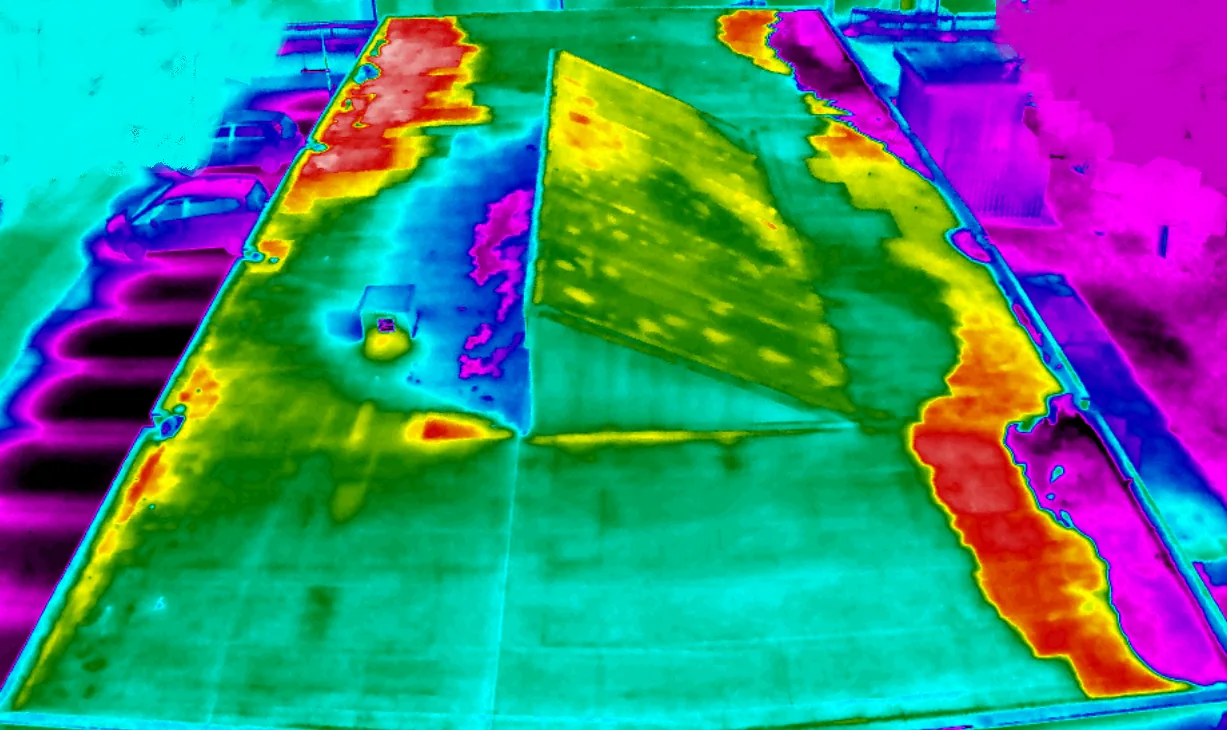
A Chatsworth moisture investigation selects suitable methods for the assembly and conditions. Thermal patterns need interpretation with appropriate confirming evidence. Authorized samples can establish local material condition. Keep the observation's location and limits clear. An unresolved removal boundary receives another information task.
A concealed allowance needs an agreed decision process. Additional exposed deterioration should be photographed and measured. Explain its preparation and cost effect. Suitable protection stays planned while approval is considered. Record the revised closing construction before the work is covered.
Review the existing base before selecting retention. Local repair needs suitable adjoining material. Restoration requires compatible preparation and adhesion. Recover involves retained eligibility, support and applicable requirements. Removal and replacement can be appropriate if the retained construction is unsuitable.
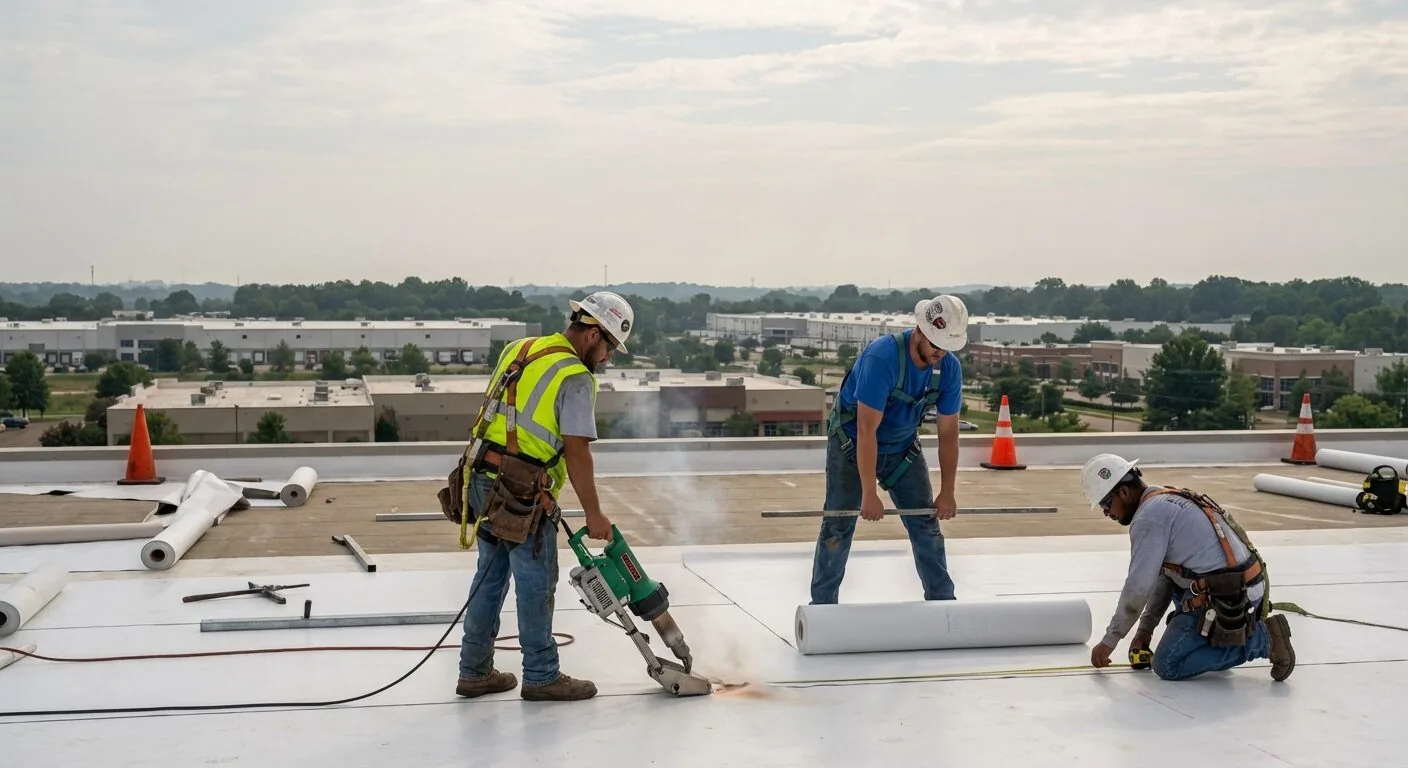
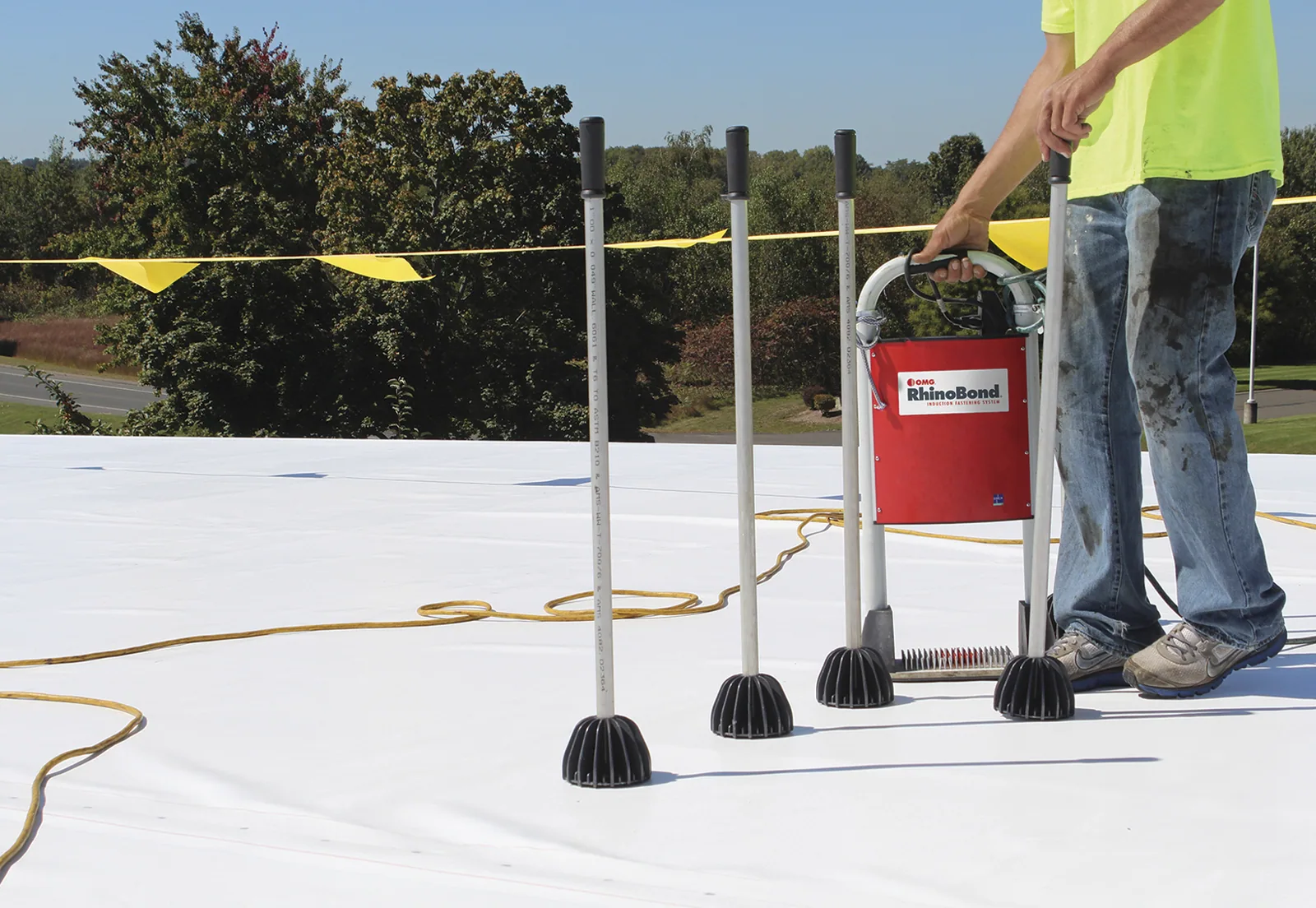
For a proposed Chatsworth PVC assembly, identify substrate, insulation and attachment. Perimeter and equipment transitions need complete details. Required performance and approvals follow the actual Los Angeles property. Resolve project questions before ordering. The owner can compare construction tasks using the same established concerns.
Disposal, handling and occupied-space protection add practical work where proposed. An option should describe those arrangements. A surface quantity alone cannot explain every correction. Keep unknown preparation visible with its confirmation task. The comparison becomes clearer when each scope reaches suitable installed construction.
Locate repaired connections in the completion file. Preparation images explain what was corrected beneath the finish. Include installed-material and relevant approval information. Remaining observations need a responsible next action. Staff can return to the same detail later.
A building in Porter Ranch or Simi Valley needs separate quantities and property requirements. At Chatsworth, inspect relevant outlet approaches during the assessment. Cleaning may address debris restriction. A continuing low surface needs further examination. Altered slope or discharge requires suitable support and drainage details.
Confirm materials and a workable closing arrangement before opening. Actual weather and application conditions affect the period available. Crew and handling capacity guide the exposed area. Arrange suitable protection. Revise the phase when a finding changes preparation or operating access.
For urgent reports, review available help and safe entry. The operator provides permissions and activity information. Practical temporary protection may be considered. State the measures completed and their limits. Assign permanent correction or remaining cause investigation.
Before fire season, check relevant debris and accessible details. Applicable performance follows the actual property and proposed construction. Incident-related repair uses physical findings at that roof. Earlier records can help compare changes. A next inspection should have a specific task.
Later equipment work should update the affected record. Identify the connection and supporting review involved. Retain finished-detail information after the alteration. Future staff can distinguish the revised arrangement from the earlier one. That history supports a more focused investigation.
Locate new transitions and former openings requiring closure. Identify responsible mechanical and roofing teams. Supporting or added-loading questions need appropriate project review.
The operator identifies its actual protection and access requirements. Include handling and restricted-period setup in the estimate. Qualified personnel coordinate required controls for the work products and affected activity.
Evidence should establish the proposed extent beyond a local observation. Suitable further access or testing may be needed. Keep an uncertain quantity described with its confirmation and approval process.
It gives later staff a recognizable comparison point. Include completed-detail and material information. Update the affected record after another equipment alteration.
Inspect relevant equipment details before the first winter rain or the next fire season, whichever comes first. Request suitable preparation and practical operating arrangements.
Pages that connect with Chatsworth for Santa Clarita Valley buildings.
Notifications