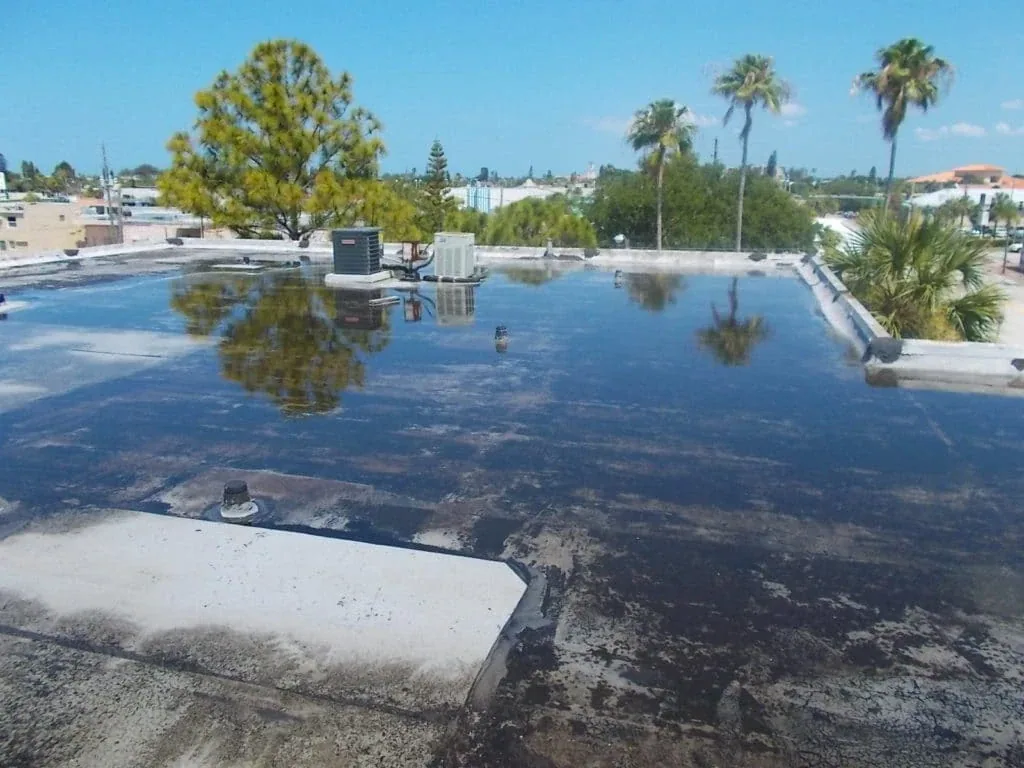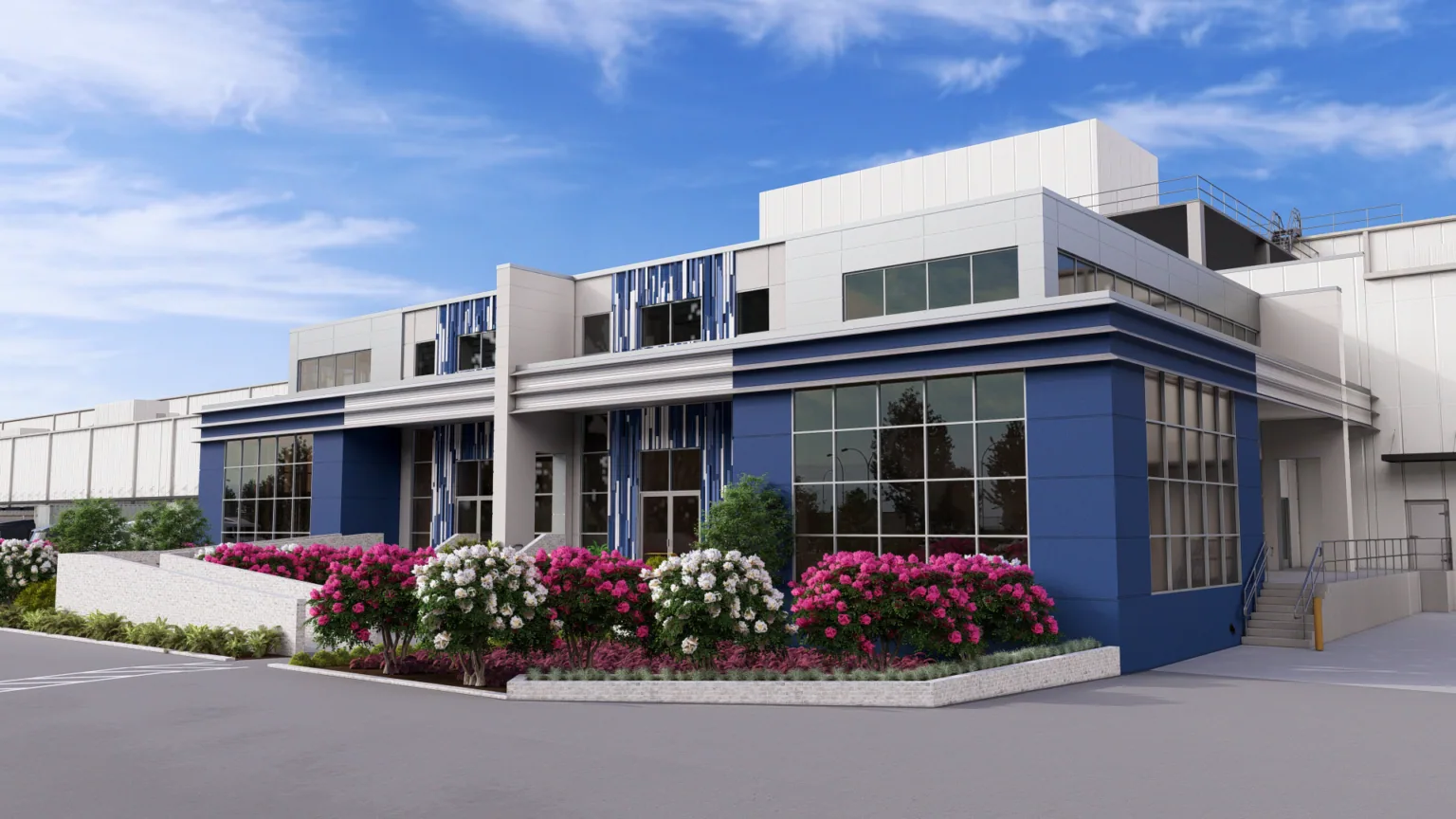

Hot summer conditions make roof and refrigeration coordination a useful early task for a grocery store. Inspect the weather connections before winter rain while the operator can plan service requirements. For grocery store roofing in Santa Clarita, CA, we assess the installed membrane and the rooms or equipment beside the correction. Food handling and customer access receive a separate operating review. The roof method follows those actual controls.
Set the service responsibilities before opening construction. The weather connection needs to close while the store protects its continuing operation.
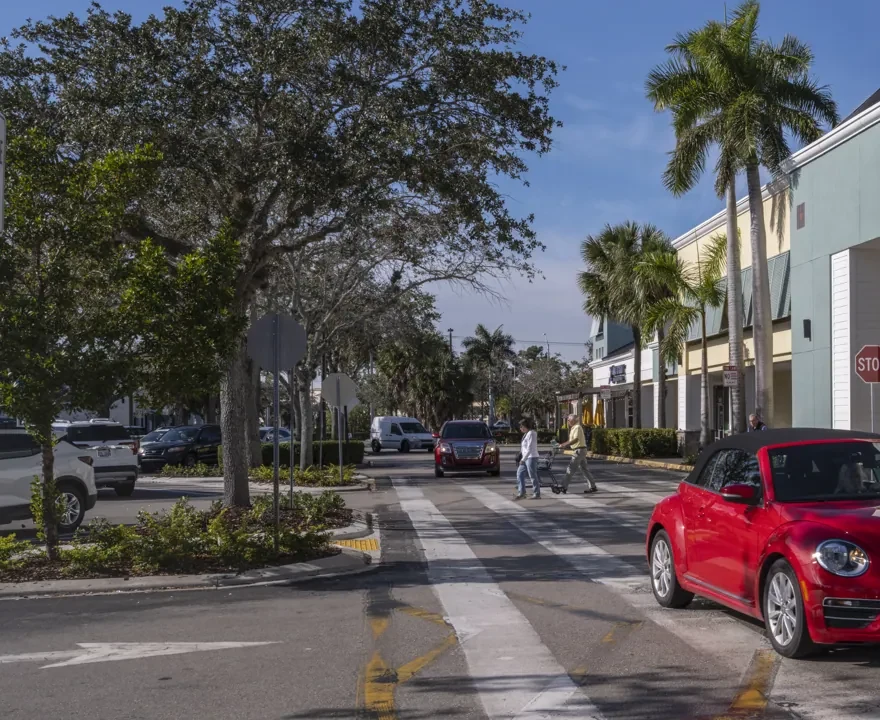
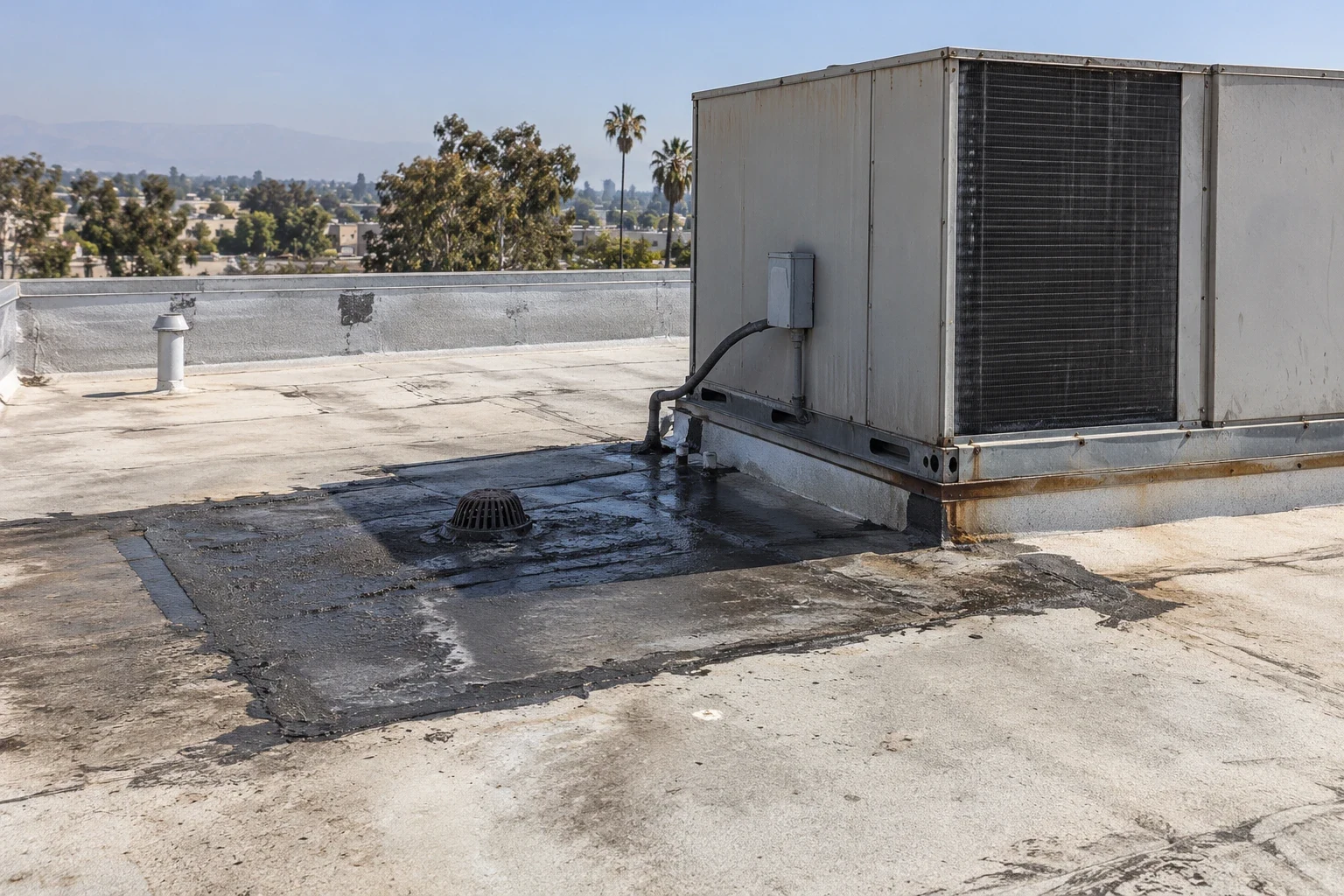
The equipment team identifies components serving refrigerated and controlled spaces. We inspect the weather detail where those components pass through the roof. Support, isolation and operating requirements stay with the responsible service team. Roofing preparation and permanent joining requirements stay with the identified membrane. Both tasks need enough working space. Tight pipes or service lines can require another arrangement before the connection can be completed.
We measure curb height and adjoining construction. New insulation can change that height and the weather detail. Equipment delivery should follow those measurements and the support decision.
A cold-storage space may add enclosure questions to the review. A food preparation operation can bring exhaust or residue into the task. We establish what the actual store does beside the roof correction. Its use alone cannot decide the material's preparation or compatibility requirements.
Reported timing helps define the investigation. Moisture associated with rain needs examination of accessible roof and wall connections. Equipment drainage can require another correction. An enclosure mechanism needs evaluation of air paths, temperatures and vapor conditions where the observations support that question. We assess the evidence before deciding which trade should correct the path. A cold room is a reason to investigate its construction, not a diagnosis by itself.
A grocery roof leak examination identifies the supported weather connection and the related question still unresolved.
We retain the positions and accessible findings. Another layer check or test is identified where the decision needs concealed information. The owner sees what is established and what requires further assessment. The permanent roof recommendation addresses its defined path. Equipment or enclosure work remains clear so a new surface does not stand in for the related task.
Valencia has retail activity at Valencia Town Center, with McBean Parkway connecting several commercial uses. For a grocery project in that setting, the store's receiving and customer routes establish the handling plan. We agree staging and waste movement before delivery. Service access may remain busy outside shopping hours. The roofing phase accounts for that actual operation, with affected spaces identified by the operator.
Coordinate a Valencia grocery roof work period against the receiving arrangement.
Stevenson Ranch includes Valencia Marketplace and Stevenson Ranch Shopping Center. A store project there needs another property-level review of access and work positions. Pico Canyon Road is a regional route, while gates and staging decide the last part of delivery. We settle those requirements with management before assigning handling equipment. The price retains any added movement or restricted work period beside the roof quantity.
We identify the membrane and examine its receiving surface. Older coatings, patches or contamination can affect preparation. Suitable material must remain for the permanent connection. The procedure follows the installed product and its requirements. A deteriorated adjacent area can enlarge the boundary beyond a small visible defect. The finding is explained before a larger correction is accepted.
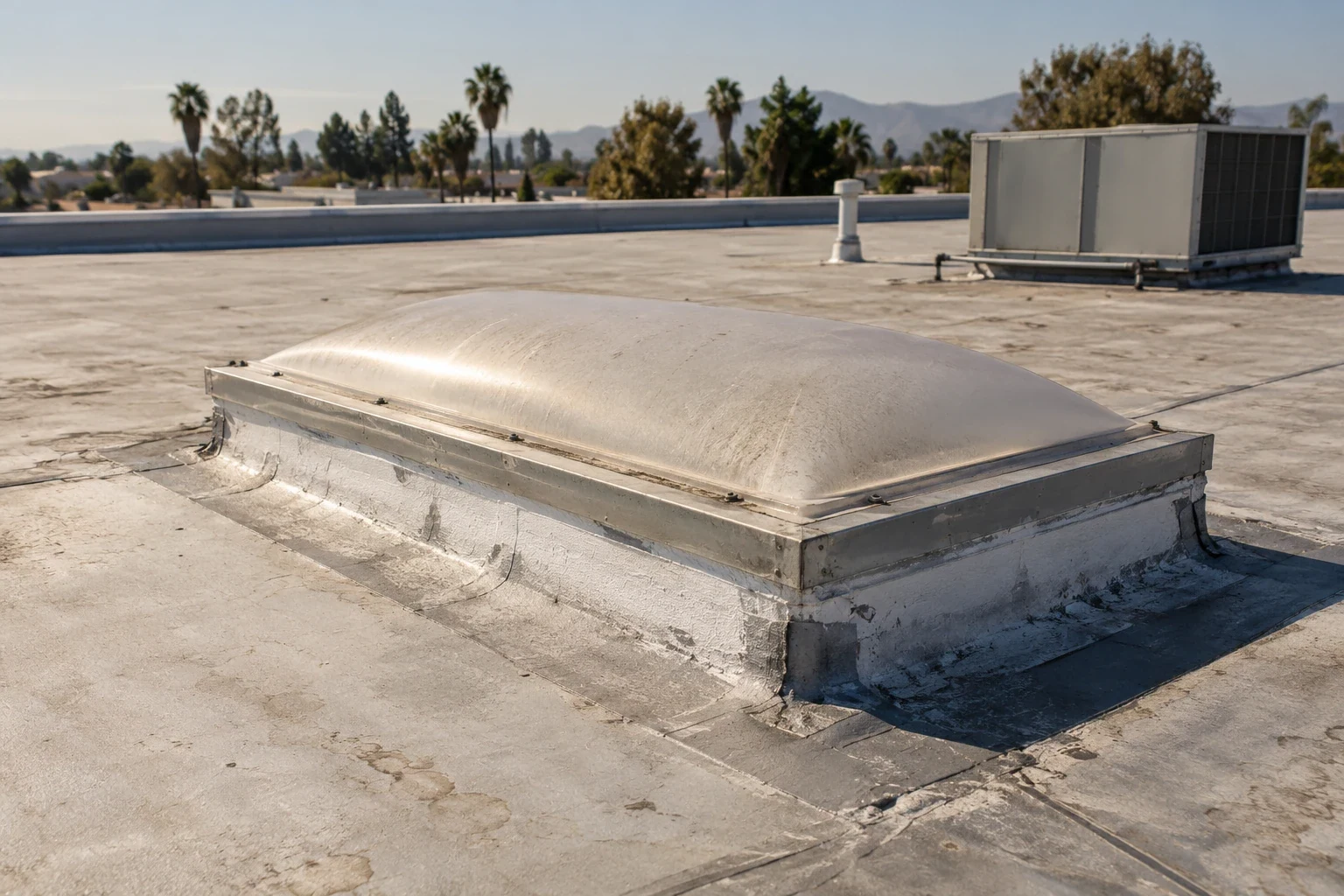
Assess service penetration and skylight details with their upper termination and support considered.
Residue beside exhaust equipment needs assessment of the actual substance and intended components. Compatibility is not assumed from a grocery or food-preparation label. Cleaning or local removal may be necessary to obtain a suitable base. The responsible equipment team also addresses the continuing exposure where it affects the detail. Those decisions belong with the procedure rather than a patch applied over an unidentified condition.
An opening can show local wet insulation or deteriorated support. We choose the position and method with food-operation protection in mind. Suitable readings or imaging can help guide the assessment. Their interpretation is checked against the materials found. Confirmed damage remains separate from wider extent still awaiting investigation. The added correction receives its own quantity and operating review before the removal area expands.
Accessible drains and scuppers are examined as part of the affected roof area. Clearing debris is distinguished from correcting a damaged connection. Surface geometry may need another review where water remains away from the outlet.
Price store drain and scupper correction with the finished roof level established. New insulation or board can alter that interface. A taper or sump must fit the actual connection and surrounding construction. Plumbing and design tasks retain their responsible team. The option includes those details rather than treating a new field layer as a complete drainage answer.
The daily area follows the forecast, selected product requirements and the closing work available. In Santa Clarita, the hotter summer period is useful for settling the scope before rain returns in the cooler months. Application follows the product requirements and the surface actually found. Santa Ana winds can change handling or roof access. We review those conditions against the operator's receiving and food-space controls. The work boundary can change while its protection remains practical.
Repair, recover and replacement are compared using the same store requirements. Repair needs suitable receiving construction. Recover requires review of the retained base and added assembly. Wider removal exposes more layers while increasing handling and protection. Each feasible option includes support, wall, curb and outlet tasks needed to finish.
Overnight, weekend and holiday assessment requests are accepted. Immediate work depends on available crews, safe access and the conditions at the property. Temporary measures retain their limits and the permanent correction still awaiting completion.
Closeout records the repaired positions, installed products and finished connections. Available issued warranty requirements receive their separate review. Remaining service or enclosure tasks stay assigned. Later equipment changes can compare their proposed work with that construction before disturbing it. The operator retains useful information for maintenance and the next repair or capital decision.
A grocery roof can include refrigeration equipment, exhaust and other services that the store depends on during daily operation. Ask facilities which units or work windows require trade coordination and map those interfaces before setting a roofing phase. Do not assume a standard shutdown or protection plan; the store and equipment contacts must confirm their own requirements. Keep customer access and deliveries in the sequence where they are affected. Record which curbs, penetrations and roof sections were addressed, and identify any remaining service coordination before the area is treated as complete.
Identify equipment affected by the task first. The service team resolves operating and support requirements. We coordinate the permanent weather connection with those decisions.
The cause needs examination. We compare rain timing, equipment drainage and plausible enclosure mechanisms. The correction follows the evidence for the actual path.
The substance and receiving membrane affect preparation and compatibility. We establish that condition with the operator. The food use alone does not settle the procedure.
The exposed finding, added correction and effect on food-space protection or receiving. We explain those items before enlarging the work. The revised area needs a practical closing method.
Installed-product information and photographs of the completed connections. Keep alteration locations and related responsibilities with them. A new service task can then be assessed against the actual detail.
Share the equipment requirements and affected store area. We will examine the connections and define a roof phase with service, receiving and food-operation controls agreed.
Pages that connect with Grocery Store Roofing for Santa Clarita Valley buildings.
Notifications