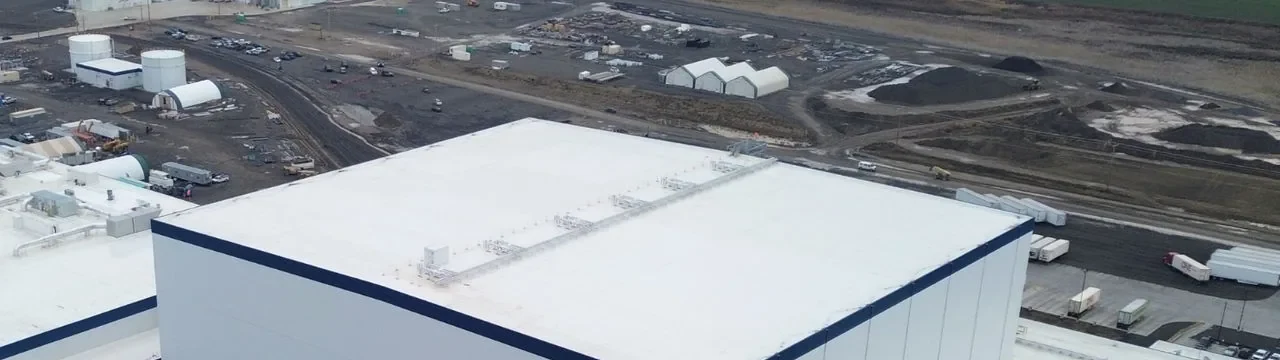

Santa Ana conditions make a loose hangar roof component a reason to inspect its connection before the next event. The detail and its supporting construction need examination together. For aircraft hangar roofing in Santa Clarita, CA, we identify the installed material and agree aviation operating controls before handling begins. Aircraft and service movement affect the work position. The permanent correction follows the actual attachment and weather connection found.
Resolve the handling area with the operator. A roof task must fit the ground operation beside it.
The aviation operator establishes the site's access and operating restrictions. We review the proposed material movement and work position against them. Aircraft routes, service traffic and equipment areas need clear controls. Delivery and waste removal require agreed periods and locations. A nearby open area is not automatically a roofing staging position. The method follows the actual facility arrangement and the relevant permissions.
We identify material storage and loose-item control for the phase. Handling is coordinated with the operation before equipment reaches the site.
A parts or storage area may add contents protection. An adjoining maintenance or production function can have other equipment requirements. We retain those actual uses where the project includes them. The operator resolves their controls while the roof assessment establishes the physical connection needing correction.
Agua Dulce has a general-aviation airpark along the Route 14 corridor between Santa Clarita and Palmdale. A hangar project in that setting needs its actual operator's handling and access arrangements. We agree where materials can wait and how they reach the roof task. Flight and service functions remain part of the phase review. Regional access helps delivery planning without settling the site's usable work positions.
Coordinate Agua Dulce hangar roof access with the operator before scheduling handling equipment.
Van Nuys Airport has aviation activity including fire-department air operations and police helicopter maintenance. A project serving that regional aviation setting requires another facility-level operating review. We establish the permissions and affected spaces for the actual task. Those functions are reasons to coordinate the work, while the roof examination decides the material and construction scope. No operating description replaces that assessment.
A loose fastener can involve the hole, underlying support or a connection affected by movement. We inspect the accessible base before selecting a permanent detail. Adding sealant over the surface does not restore damaged receiving construction. The proposed task identifies which components remain suitable and which need correction. Another design or structural review is specified where the support question remains unresolved.
Assess metal-panel and standing-seam details against the actual assembly.
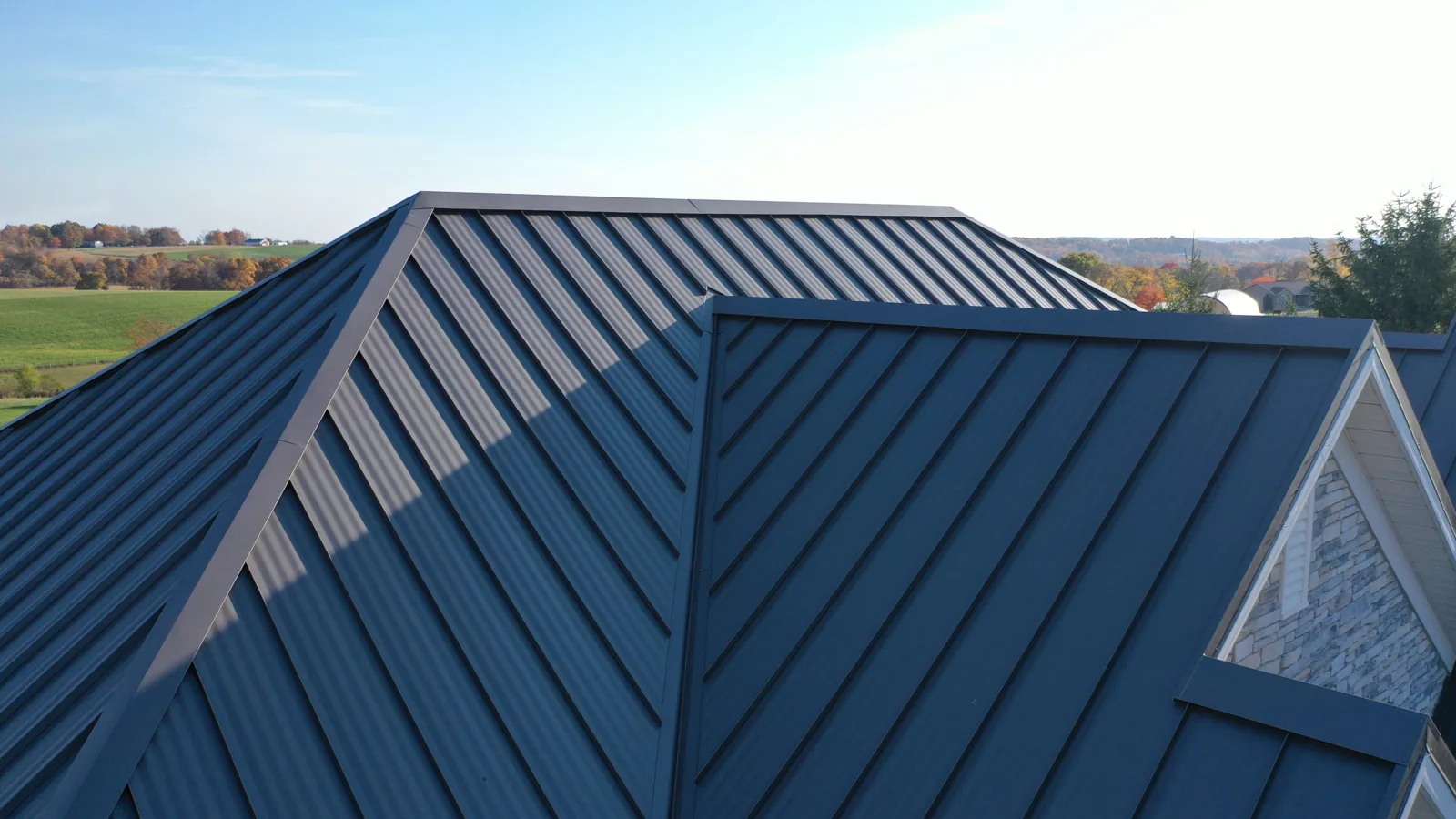
Panel joints and terminations must fit the intended movement. A rigid repair across a moving position can leave another defect. We examine the geometry and product requirements before completing the connection. Wall transitions, penetrations and gutter edges receive the same review of their base and receiving surfaces. The permanent scope follows the installed construction rather than a single patch procedure applied to every metal area.
Identify the sheet and receiving condition before selecting its joining procedure. Old coatings or patches can obstruct preparation. Damaged adjacent material may require a wider correction. A permanent detail needs suitable material through the connection and its upper termination. We inspect the accessible construction and retain the boundary proposed. The owner receives the reason for another receiving area where it is needed.
A hangar roof construction assessment identifies those details and remaining questions.
Physical checks may establish local wet layers or support deterioration. Their positions are chosen to answer the construction question with aircraft and contents protection agreed. Suitable readings or imaging can help guide investigation. The materials found establish the context for interpretation. Measured damage remains separate from wider extent requiring another check. The operator can assess the opening and corrective task against actual evidence.
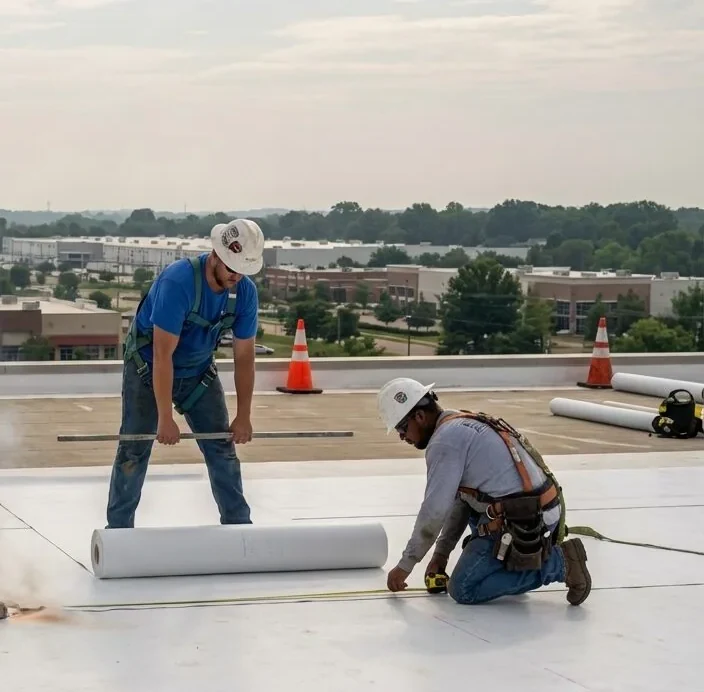
Replacement exposes additional layers while increasing removal, disposal and occupied exposure. A retained-roof alternative needs review of the base, added construction and attachment. We compare feasible choices using the same operating controls and findings. The project-specific design and applicable requirements establish the permanent assembly basis. Support or custom component tasks remain separately identified where they control installation.
Curbs, wall terminations and outlets are measured if new levels change their geometry. Equipment support and service requirements stay with the responsible team.
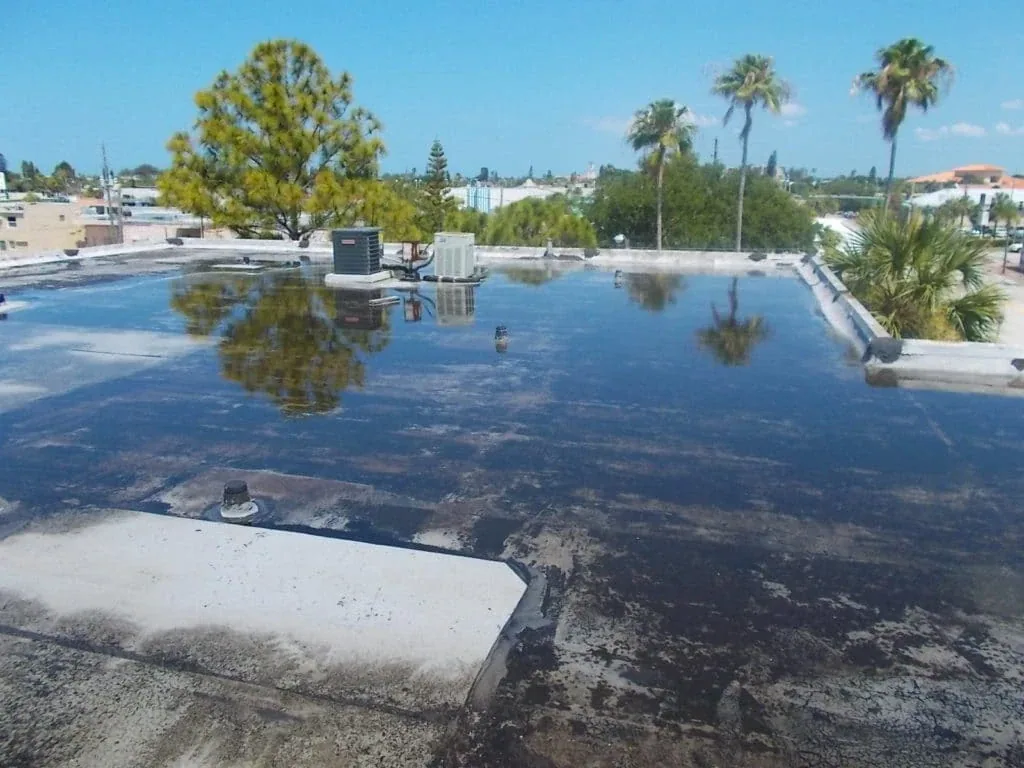
Inspect hangar drainage and scupper connections before accepting a surface change. Debris clearing addresses a restriction, while a damaged connection or local depression can need another correction. We identify the condition changed by the proposed work. Drainage-design or plumbing questions retain their responsible review beside the roof scope.
Available issued warranty documents are considered for provisions relevant to maintenance or alteration. Coverage remains distinct from the physical assembly recommendation.
Santa Clarita's hot summers offer a planning period before cooler-season rain. Actual surface and product requirements govern application in dry weather. Sun-exposed joints deserve examination for open connections or unsuitable receiving material. Santa Ana conditions can change safe handling and roof access. We review the proposed phase against the forecast and the closing work available.
A new concealed finding receives a location record and explanation of the added task. The operator sees its handling and protection effects before the work expands. Material deliveries and another trade's readiness remain part of that review.
Urgent assessments can be requested overnight or during weekends and holidays. Immediate work depends on crews, safe site access and the roof conditions encountered. Temporary measures retain their purpose and limits. The permanent detail remains another task until its construction and related decisions are resolved.
Closeout identifies completed locations, installed products and finished-detail photographs. Outstanding support or equipment work stays assigned. Later service changes can assess the intended connection before disturbing it. The operator retains useful evidence for maintenance and the next roofing decision.
Hangar work should be planned around door operation, aircraft or equipment locations and the facility’s approved access controls. Confirm which areas must remain clear and how materials can be staged without affecting the operator’s use. Roof structure and any proposed support change require review by the responsible qualified design team; a roofing inspection alone cannot establish capacity. Map penetrations, large door interfaces and drainage details to the actual assembly. Define the area that can be protected and closed in each phase, then leave the operator a status of completed details and any unresolved structural or trade question.
The operator establishes permissions and movement controls. We agree the proposed position and handling period against them. The roofing method must fit the actual aviation operation.
The connection depends on its receiving base. Damaged support or an enlarged hole can change the permanent detail. We identify the full correction before treating surface sealant as sufficient.
Layer condition, support, added construction and attachment. We coordinate measured interfaces and operating controls too. The option is assessed as a feasible assembly.
We locate the condition and explain the added task. The operator receives its handling and protection effects. Expansion follows the agreed review with a practical method to close.
Installed-product information and location photographs. Retain completed details and outstanding responsibilities together. The proposed alteration can then be assessed before disturbing the connection.
Share the operating controls and observed roof issue. We will examine the assembly and define the correction with aircraft movement, access and protection coordinated.
Pages that connect with Aircraft Hangar Roofing for Santa Clarita Valley buildings.
Notifications